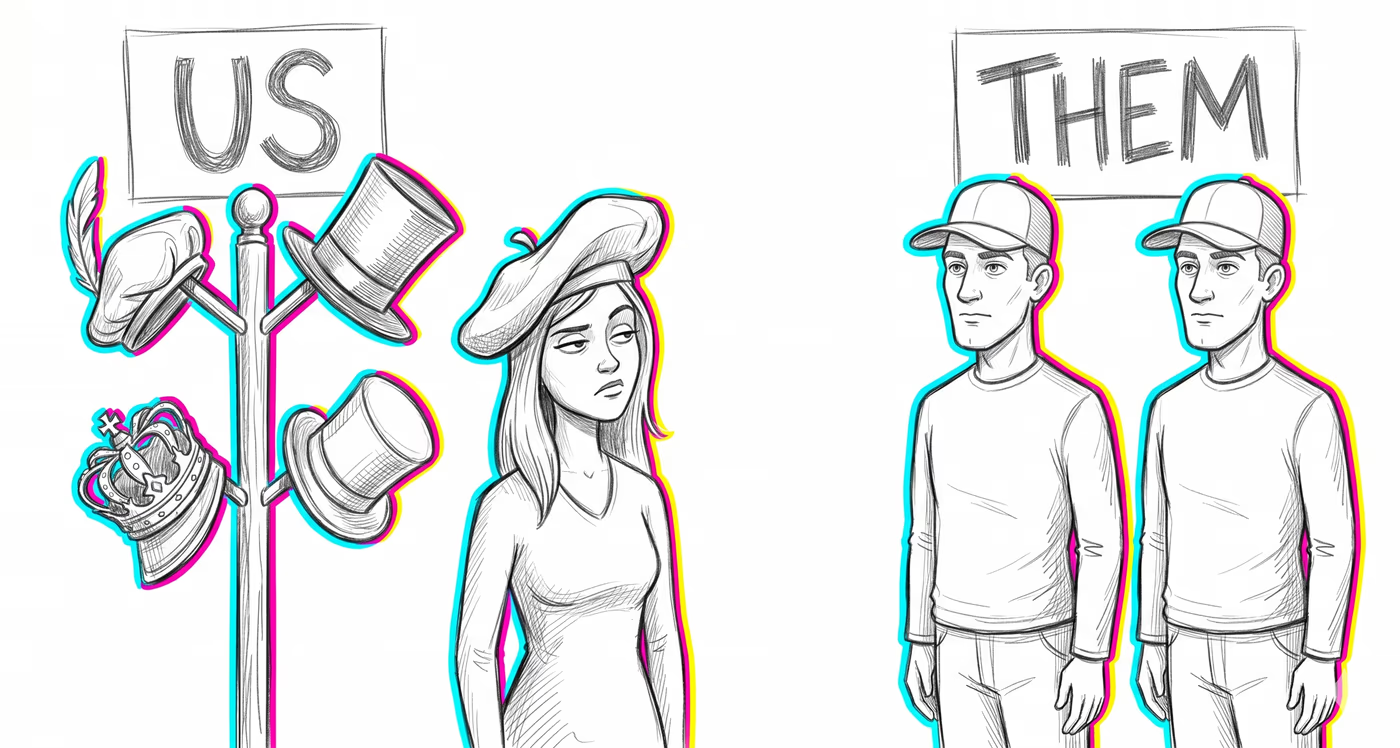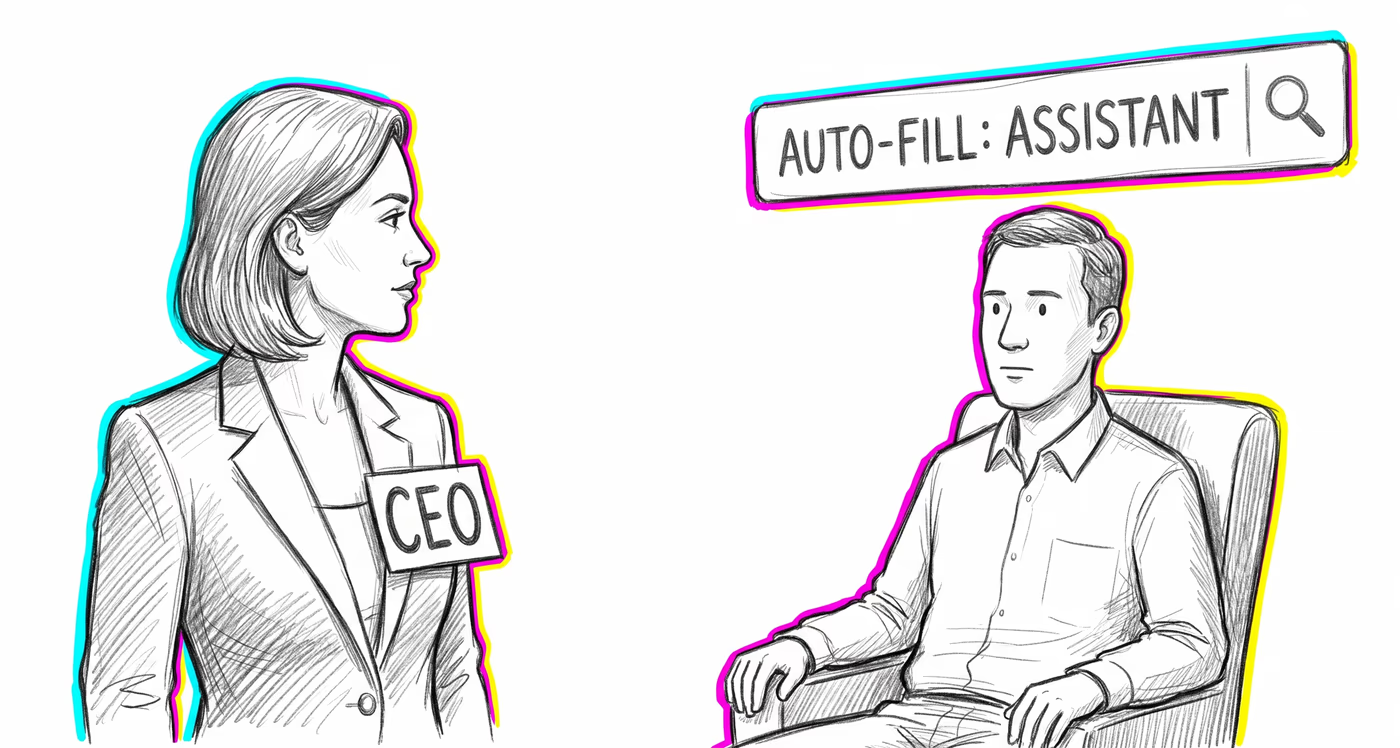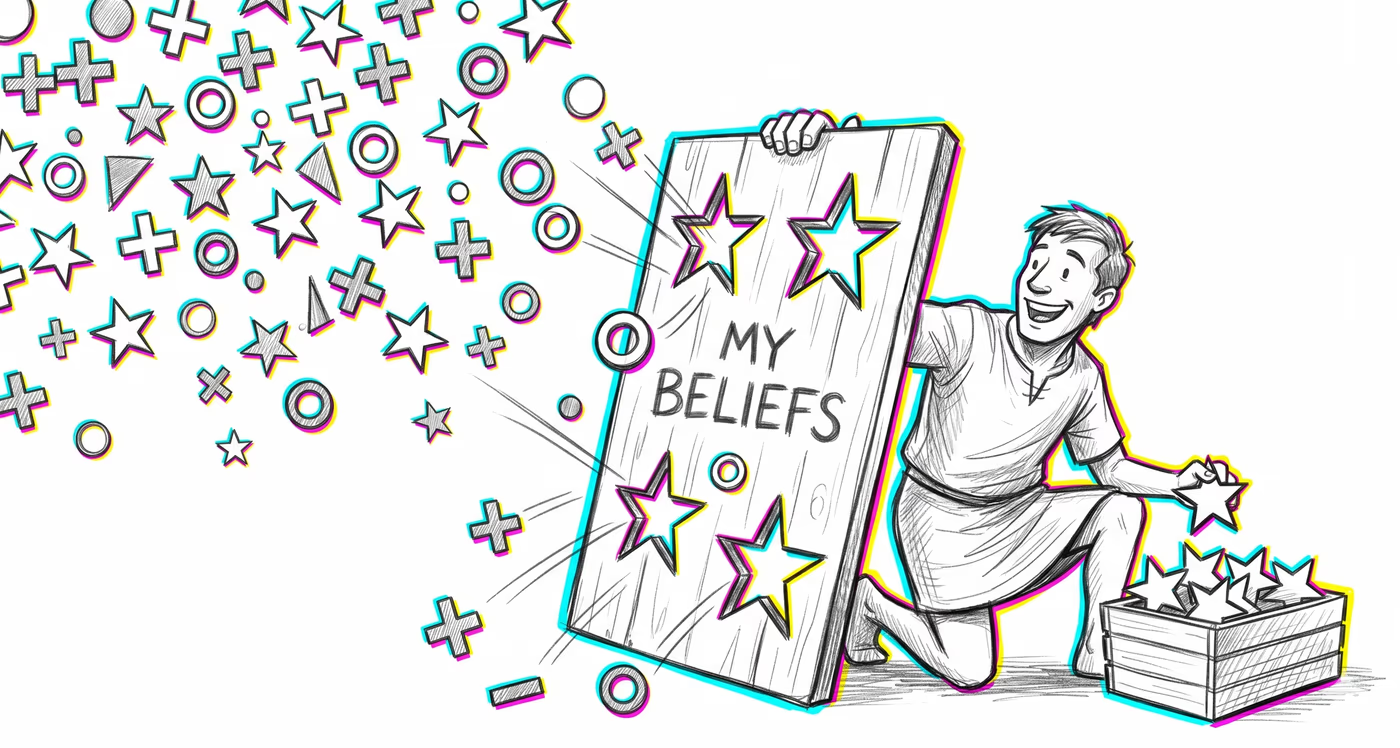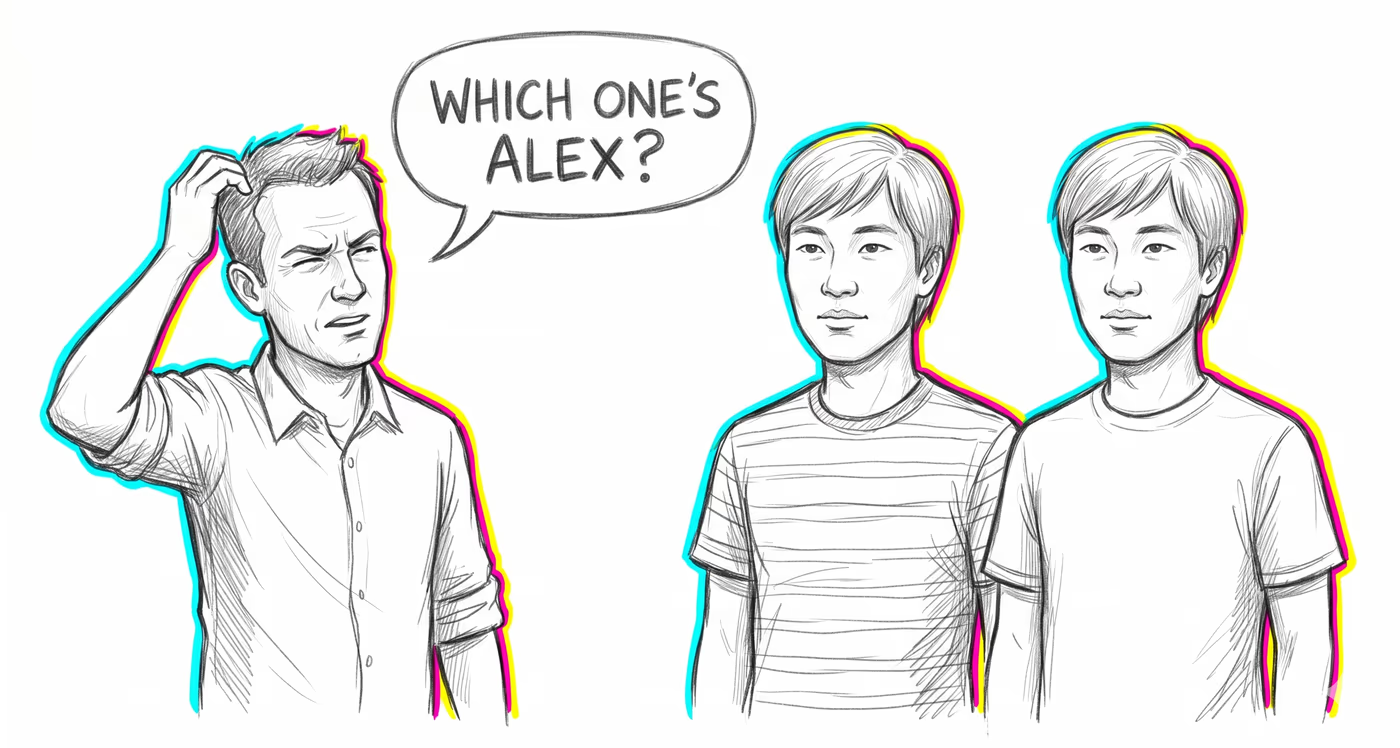
The same glitch looks different depending on the terrain. Finance, medicine, a
relationship, a team — same mechanism, different costume.
Medicine & diagnosis
Healthcare providers may fail to individuate patients of a different race, increasing the risk of patient misidentification in clinical settings—confusing charts, administering wrong medications, or attributing test results to the wrong person, particularly in high-volume hospital environments.
Education & grading
Teachers in racially diverse classrooms may unconsciously confuse students of a different race, mixing up names or misattributing classroom contributions, which can undermine rapport and be perceived by students as a sign that the teacher does not value them as individuals.
Relationships
In interracial social settings, people may inadvertently offend new acquaintances by confusing them with other members of their racial group, creating awkwardness that can inhibit the development of cross-race friendships and reinforce social segregation.
Tech & product
Facial recognition systems trained on racially imbalanced datasets replicate the cross-race effect algorithmically, producing higher false-match and false-reject rates for underrepresented racial groups, leading to discriminatory outcomes in security, authentication, and law enforcement applications.
Workplace & hiring
Managers may struggle to differentiate performance contributions among team members of a different race, inadvertently conflating individuals in performance reviews or failing to provide personalized feedback, which can contribute to inequitable evaluations.
Politics Media
Media coverage of crime stories involving cross-race suspects may lead audiences to more readily accept eyewitness identifications as credible, because viewers themselves share the same recognition deficit and do not intuitively understand how unreliable cross-race identification is.