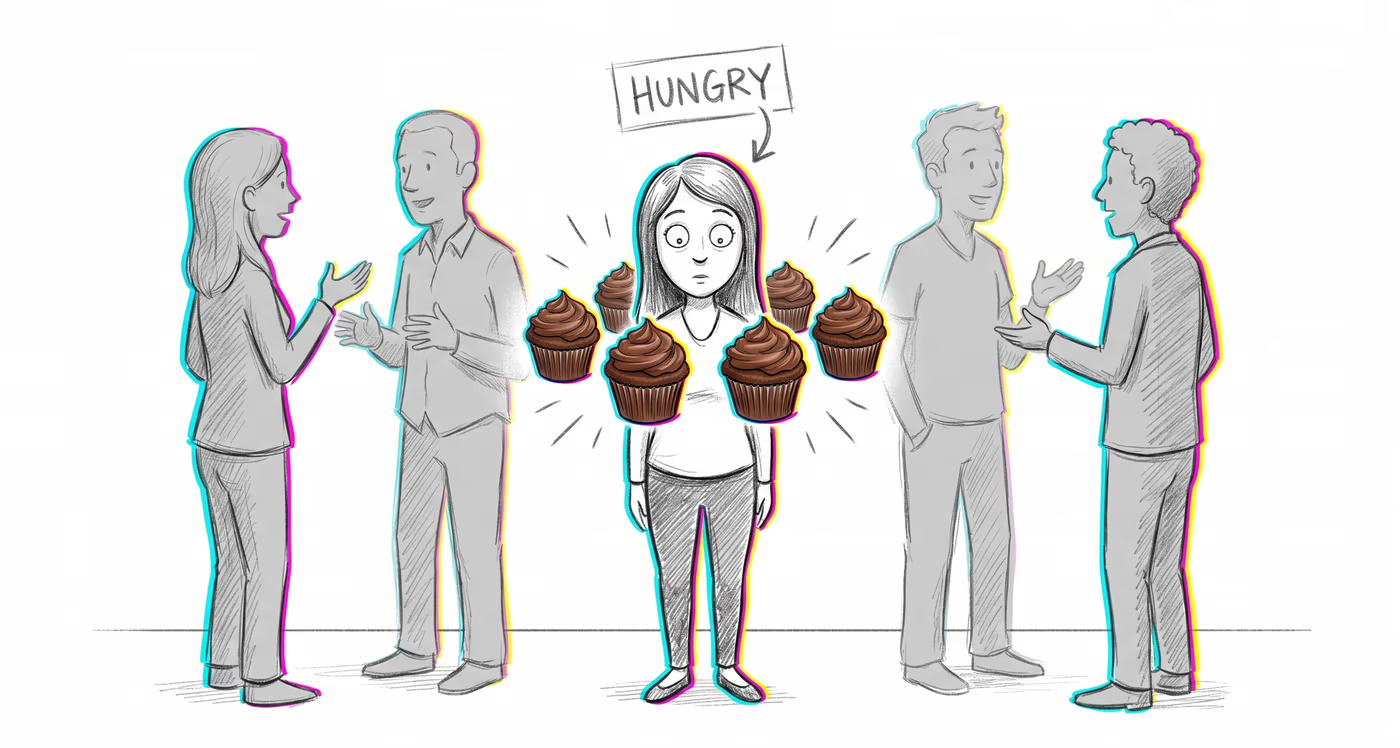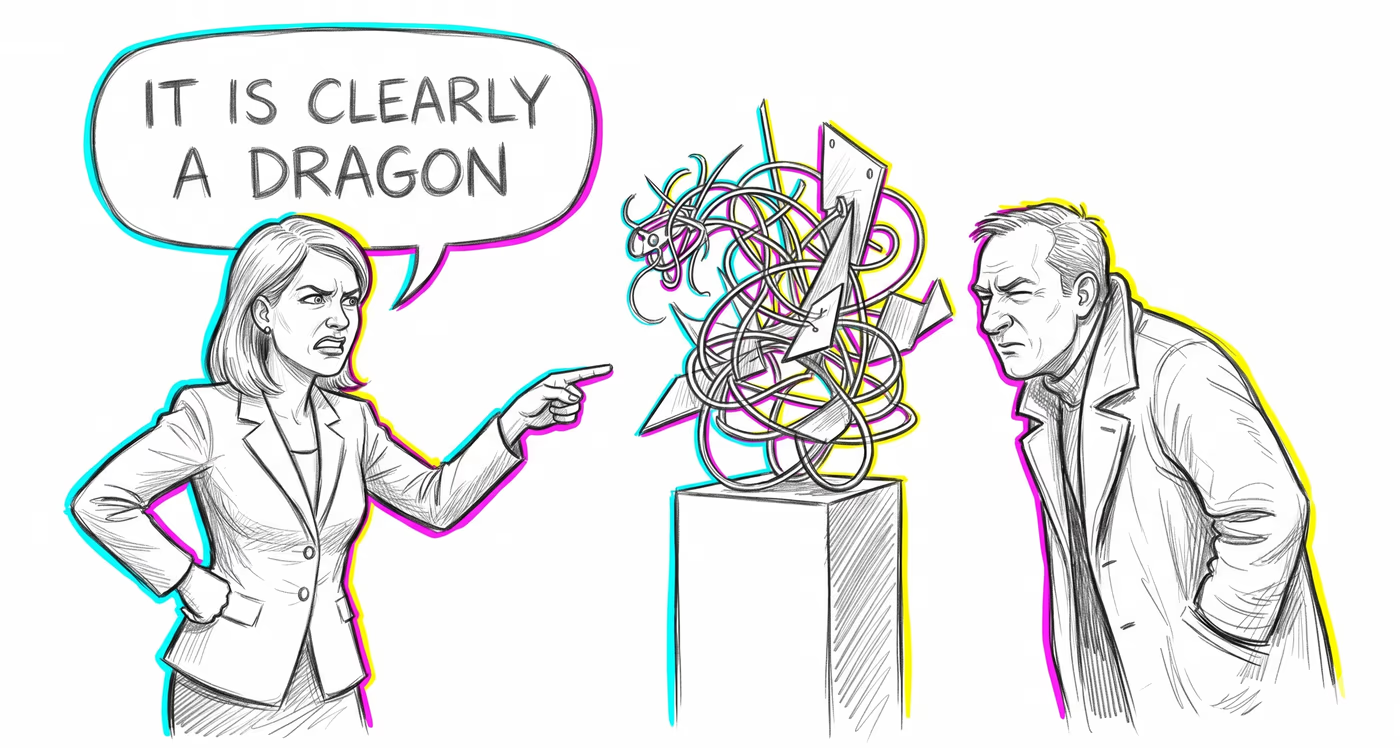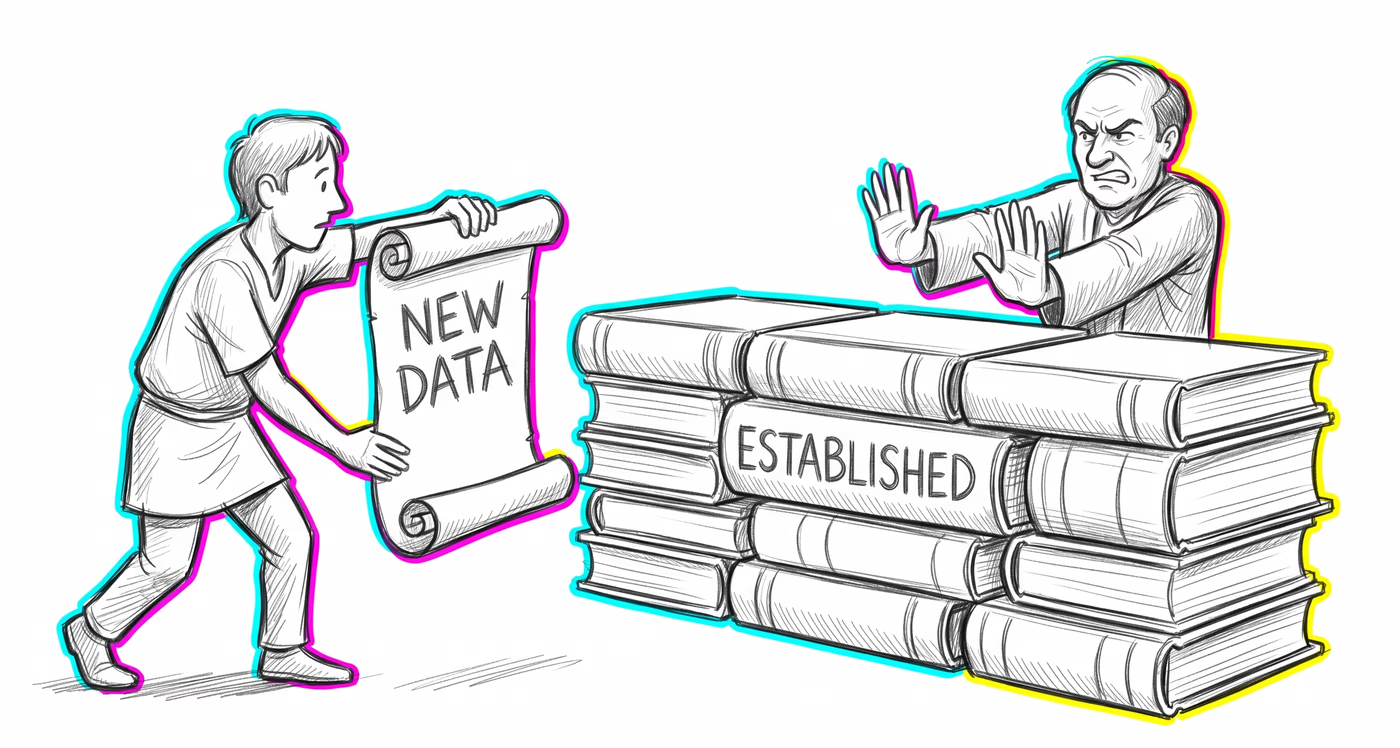
The same glitch looks different depending on the terrain. Finance, medicine, a
relationship, a team — same mechanism, different costume.
Finance & investing
Investors who are emotionally committed to a position tend to perceive market signals that support their thesis while failing to register warning indicators, leading to delayed exits and magnified losses. Fund managers often perceive data through the lens of their existing portfolio strategy, inadvertently screening out disconfirming economic signals.
Medicine & diagnosis
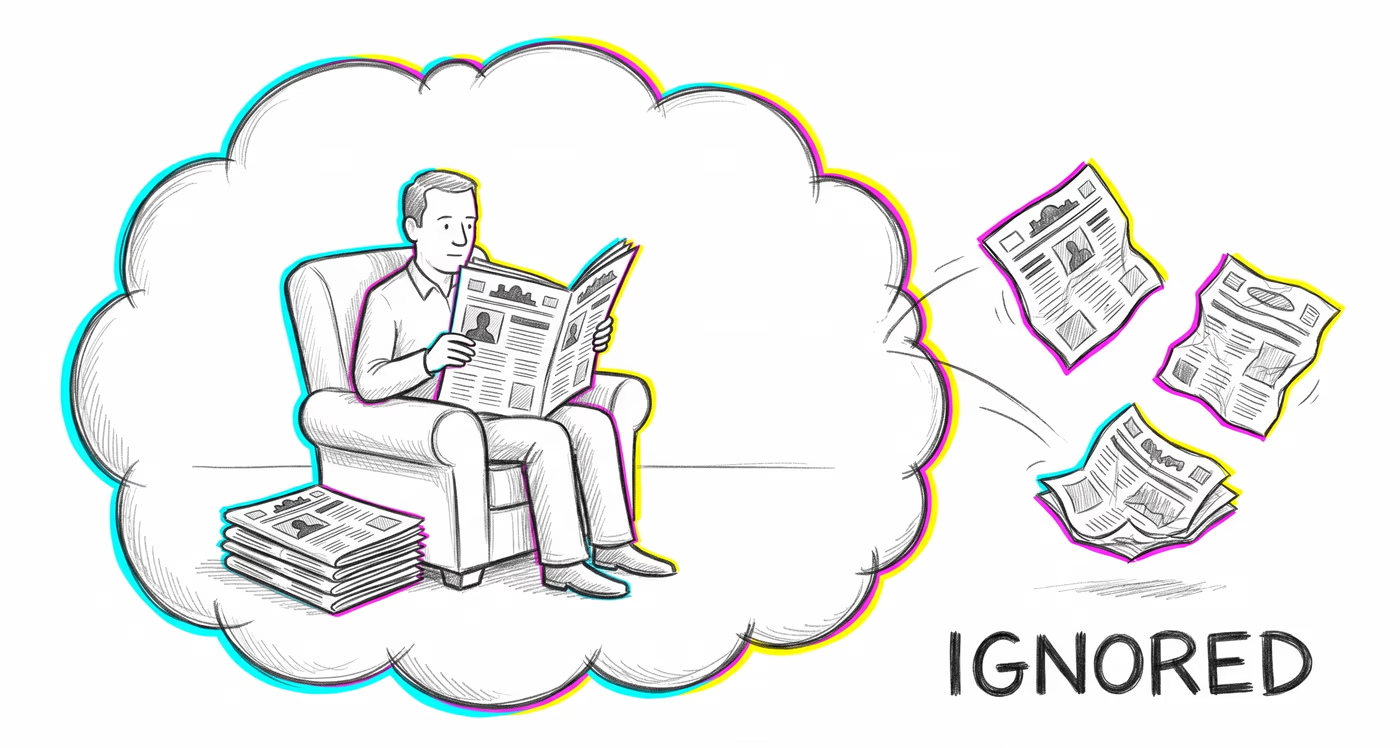
Clinicians who form an early diagnostic hypothesis tend to perceive patient symptoms that fit that hypothesis while overlooking or minimizing symptoms that point elsewhere, contributing to diagnostic errors. Patients similarly perceive treatment effects through the lens of their expectations about whether a therapy will work.
Education & grading
Teachers who form early impressions of students tend to notice behaviors consistent with those impressions — perceiving talented students' mistakes as flukes and struggling students' successes as luck — which in turn shapes grading, feedback, and classroom attention allocation.
Relationships
Partners who believe their relationship is deteriorating tend to perceive neutral behaviors as hostile or dismissive, while those in the 'honeymoon' phase perceive the same behaviors as charming or endearing. This creates self-reinforcing cycles where the perceived quality of the relationship drives what each partner actually notices.
Tech & product
Designers and engineers tend to perceive user testing results through the lens of their design decisions, noticing feedback that validates their approach while screening out usability complaints. Users similarly perceive product interfaces based on their existing mental models, often missing features that don't match their expectations of where things should be.
Workplace & hiring
Hiring managers who form a positive or negative first impression in the opening minutes of an interview tend to perceive all subsequent answers through that initial frame, noticing strengths that confirm a good impression and weaknesses that confirm a bad one. Performance reviews show similar patterns driven by overall impressions of employees.
Politics Media
Voters perceive the same political debate, speech, or media coverage as biased toward the opposing side. Partisans consuming identical news broadcasts register entirely different facts and takeaways, each convinced they are seeing the objective truth while the other side is deluded.