The same glitch looks different depending on the terrain. Finance, medicine, a
relationship, a team — same mechanism, different costume.
Finance & investing
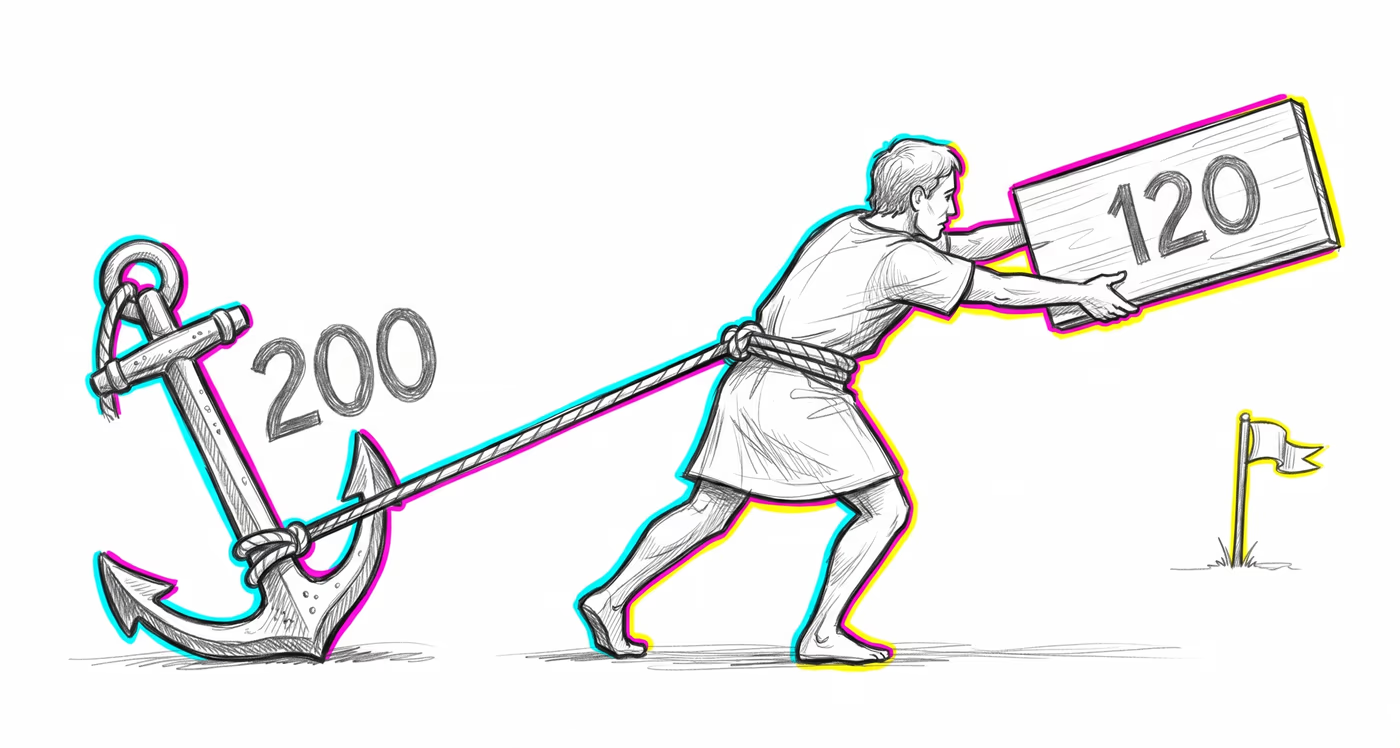
Investors anchor on the first piece of financial news they read about a stock or market trend, allowing that initial framing to shape their interpretation of all subsequent earnings reports, analyst opinions, and price movements, even when later data contradicts the original narrative.
Medicine & diagnosis
Clinicians who encounter a patient's initial diagnosis or presenting complaint first in a chart tend to anchor on that label, filtering subsequent symptoms through the early impression and potentially missing alternative diagnoses that don't fit the initial framework.
Education & grading
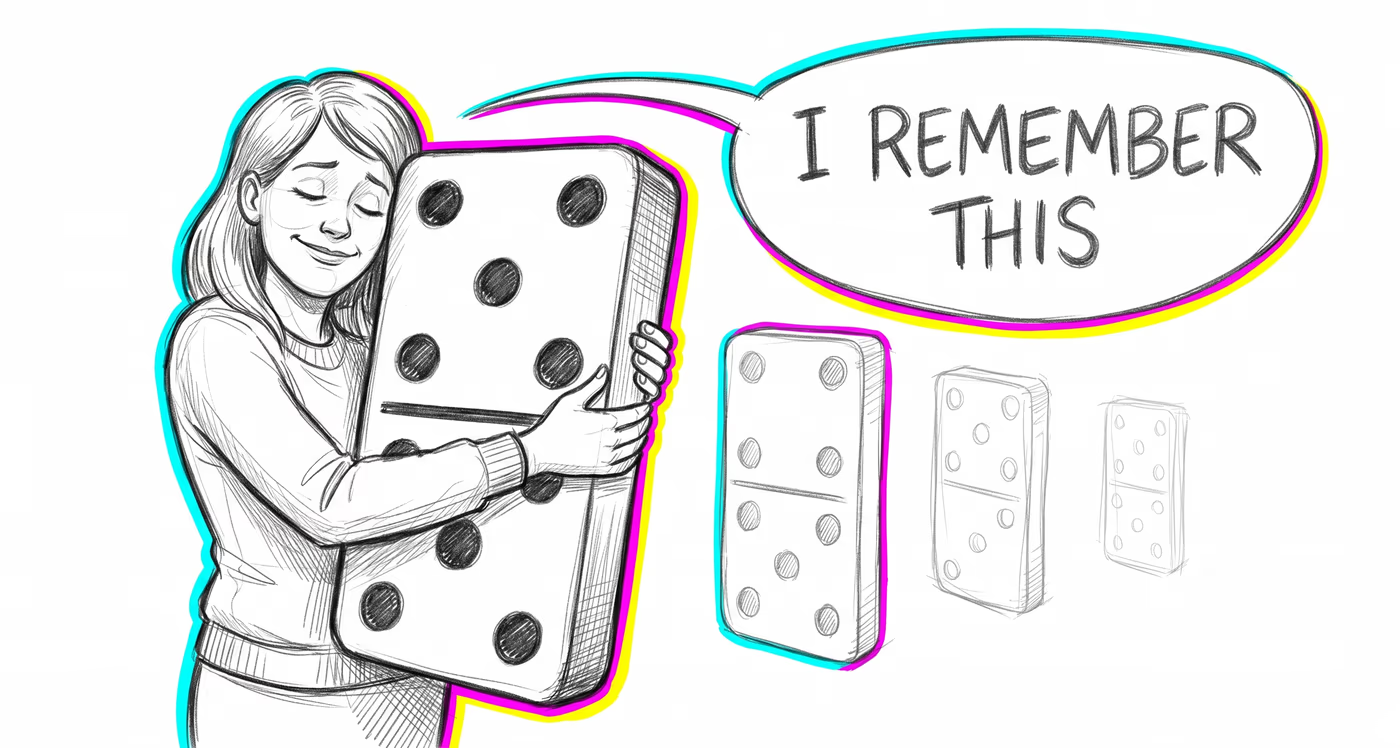
Students retain material from the beginning of a lecture or study session far better than content from the middle, leading to uneven knowledge. Teachers who front-load the most critical concepts exploit this bias, while those who bury key material mid-lesson see lower retention.
Relationships
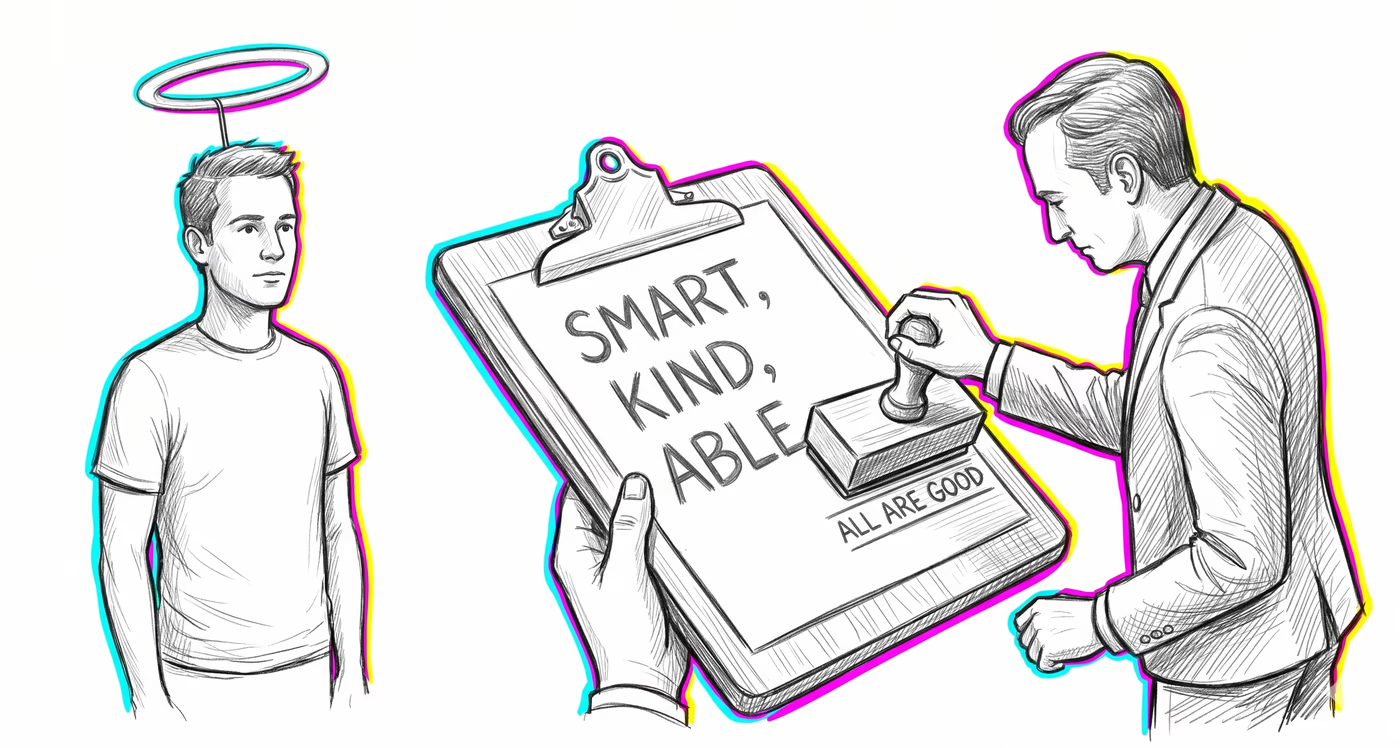
First impressions of a romantic partner or new friend disproportionately shape long-term perceptions. Traits observed early in a relationship become the dominant lens through which all later behaviors are interpreted, making it difficult to update initial judgments.
Tech & product
Users form lasting impressions of a product during onboarding. If the first experience is confusing or delightful, that initial feeling colors their evaluation of all subsequent interactions. Navigation items placed at the top of menus or lists receive disproportionately more clicks.
Workplace & hiring
Interview performance in the first few minutes disproportionately determines hiring decisions. Similarly, the first employee to present an idea in a meeting often sets the frame for the entire discussion, with later contributions evaluated relative to that opening position.
Politics Media
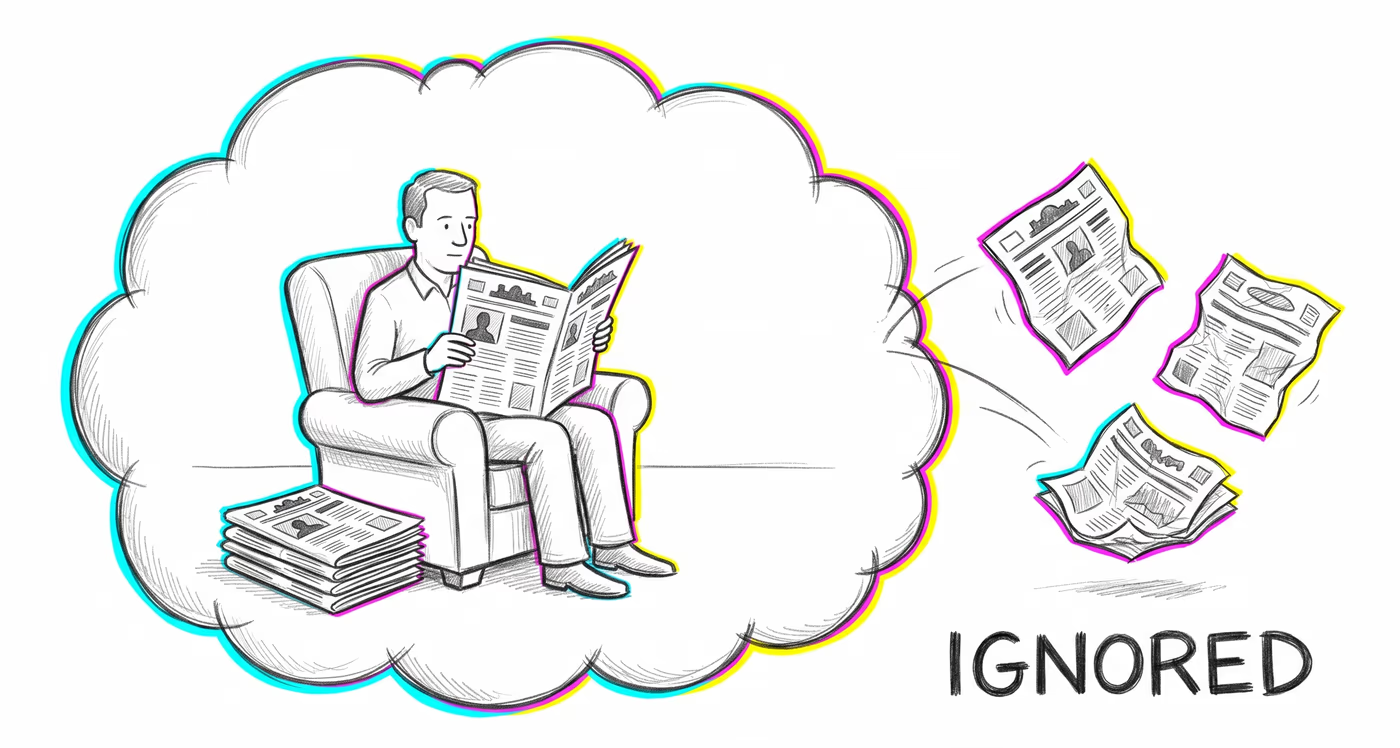
Candidates listed first on ballots receive a measurable advantage in elections. In media, the lead story or opening paragraph of an article anchors the reader's interpretation of all subsequent details, even if later paragraphs contain more nuanced or contradictory information.