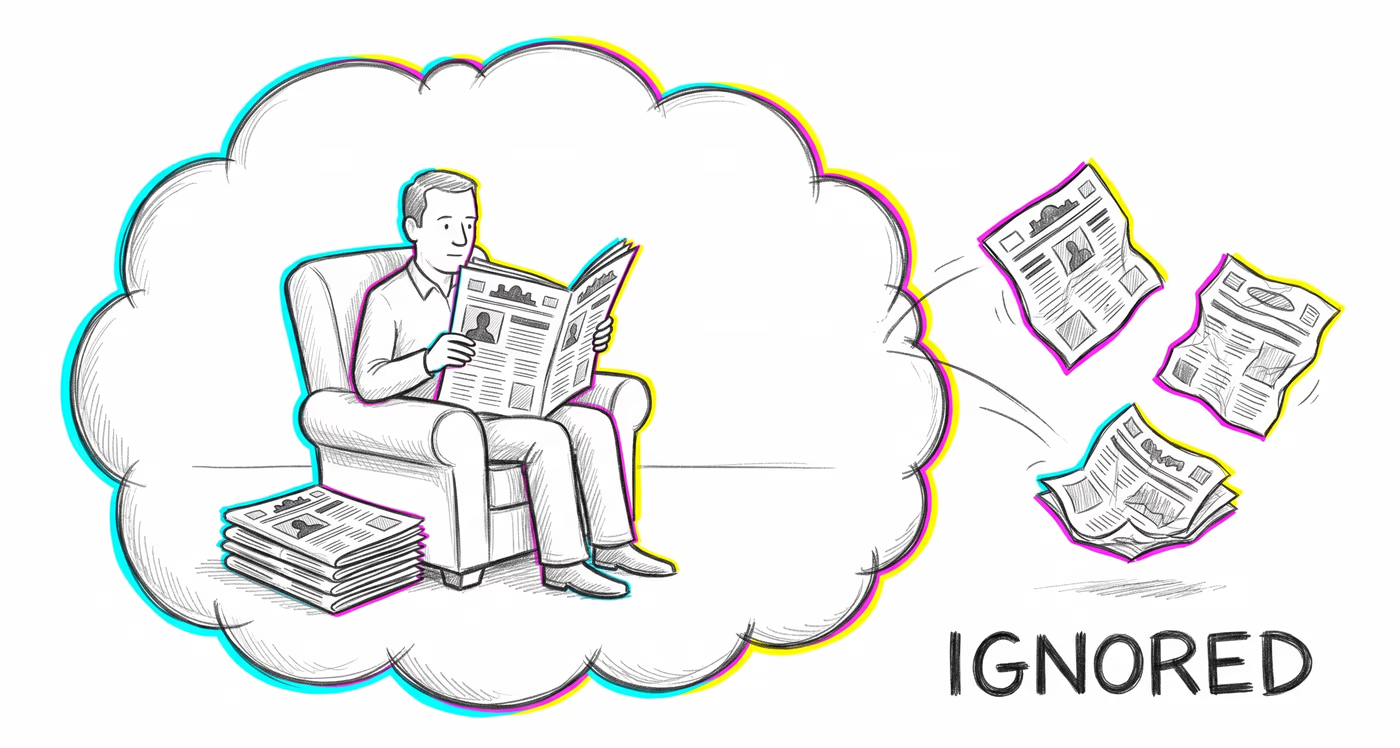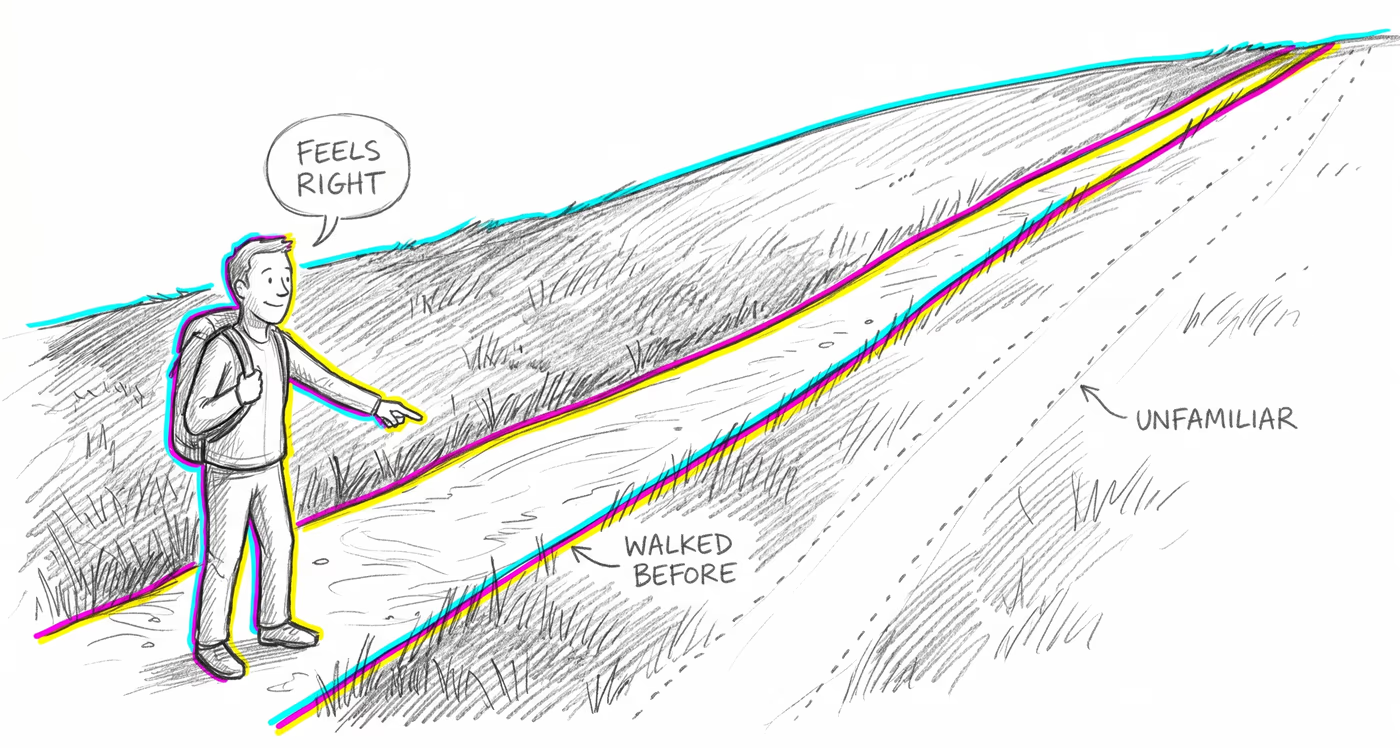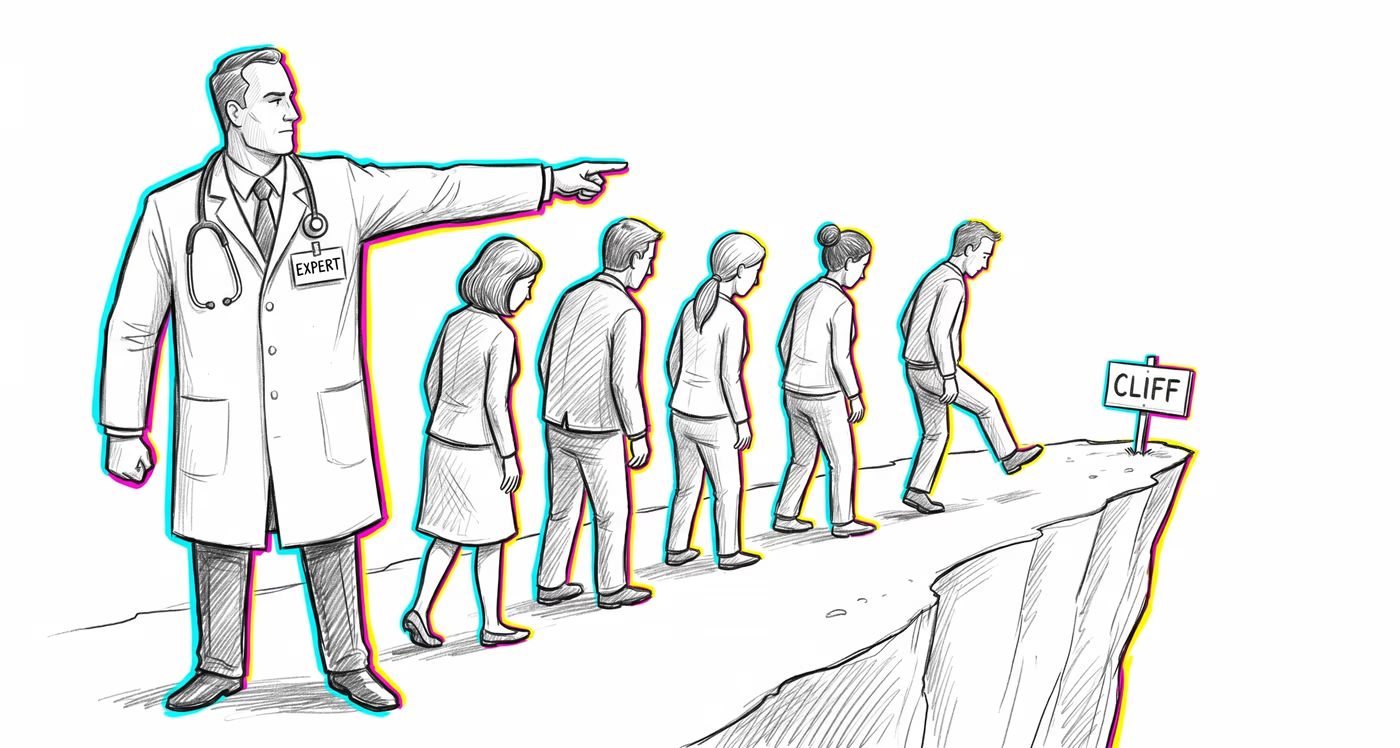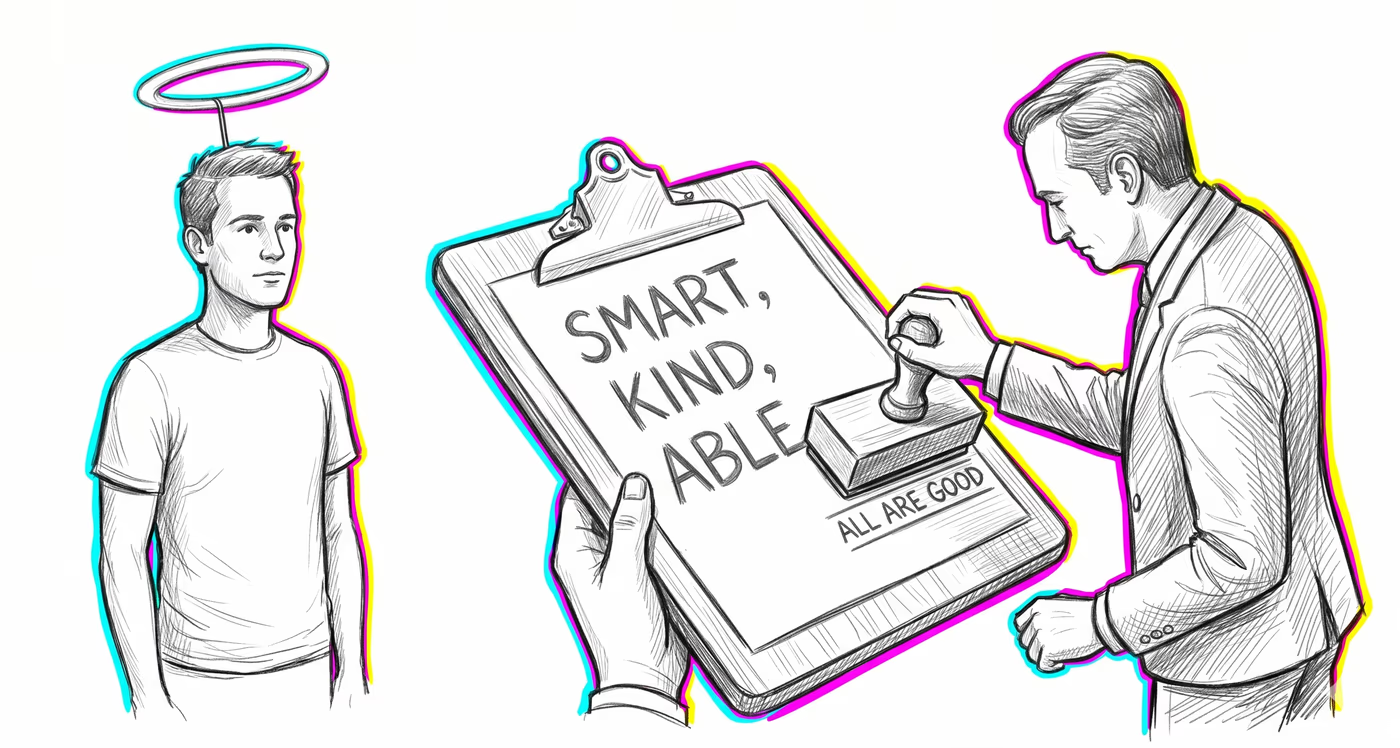
The same glitch looks different depending on the terrain. Finance, medicine, a
relationship, a team — same mechanism, different costume.
Finance & investing
Investors who admire a CEO's charisma or past track record tend to overvalue the entire company, overlooking weak fundamentals, poor governance, or declining market share because their positive impression of leadership bleeds into their assessment of the stock.
Medicine & diagnosis
Patients who find their doctor warm and personable may rate the quality of medical care higher and be more compliant with treatment, regardless of the physician's actual clinical accuracy. Conversely, clinicians may judge attractive or well-spoken patients as more health-conscious and adherent.
Education & grading
Teachers who perceive a student as well-behaved or attractive tend to rate that student's academic work more generously, assign them higher intelligence estimates, and give them more opportunities to participate — creating self-fulfilling performance gaps.
Relationships
People in the early stages of romantic attraction often generalize from physical attractiveness to assume a partner is also kind, trustworthy, and emotionally mature, causing them to overlook red flags or incompatibilities until the infatuation phase fades.
Tech & product
Users who find a product's visual design appealing tend to rate its usability, speed, and reliability higher, even when objective metrics show otherwise. This is why polished UI design can mask poor functionality and delay bug reporting.
Workplace & hiring
Managers frequently allow one strong trait — such as punctuality, eloquence, or a prestigious degree — to inflate an employee's entire performance review, leading to promotion decisions that don't reflect actual output across all dimensions.
Politics Media
Physically attractive or telegenic political candidates receive higher competence and trustworthiness ratings from voters, and media coverage that focuses on a leader's single policy success can create a halo that shields them from scrutiny on unrelated failures.