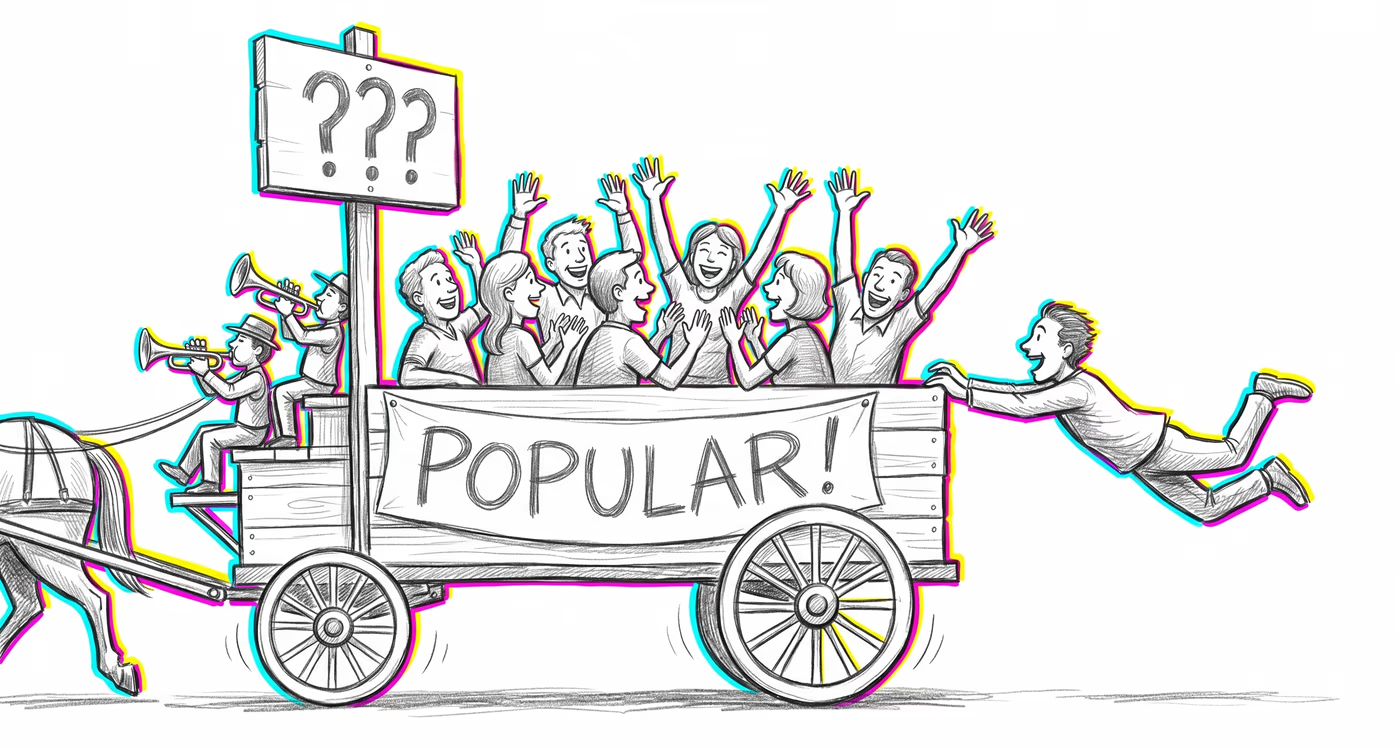
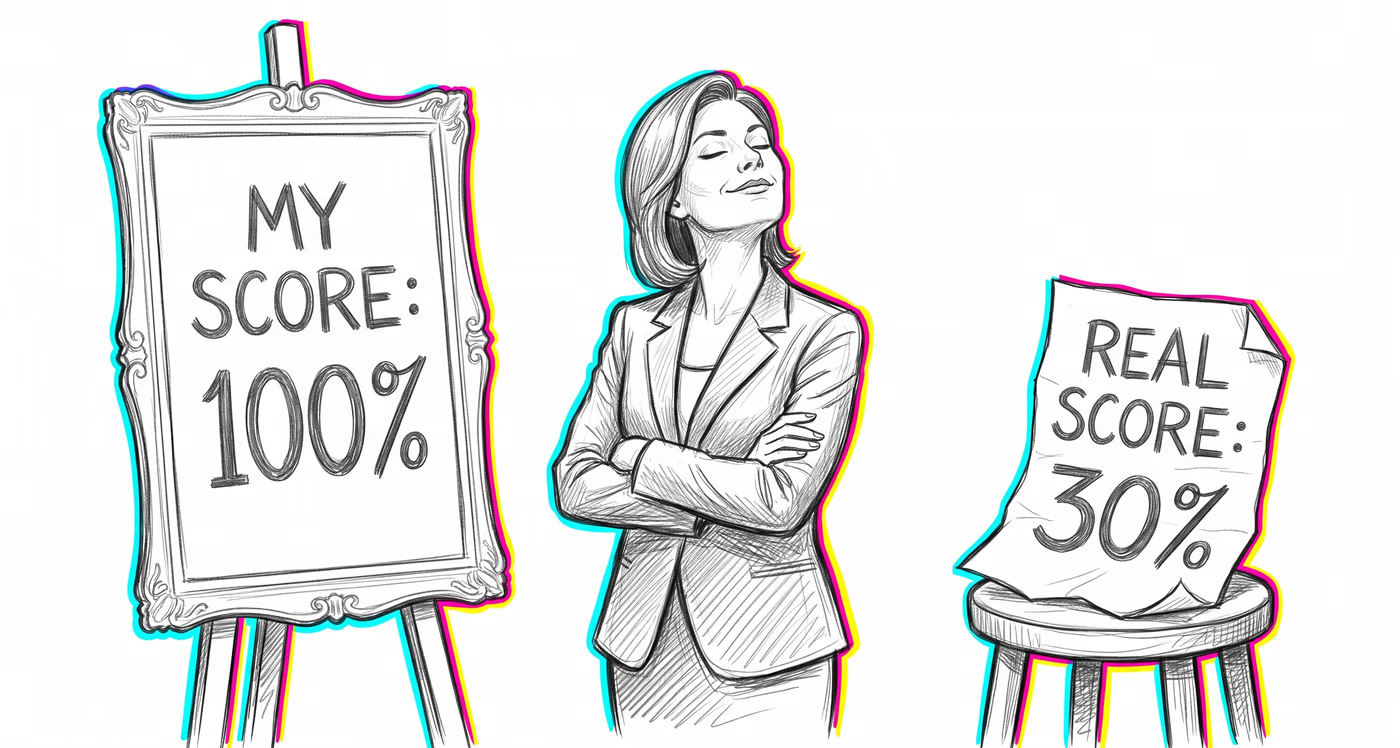
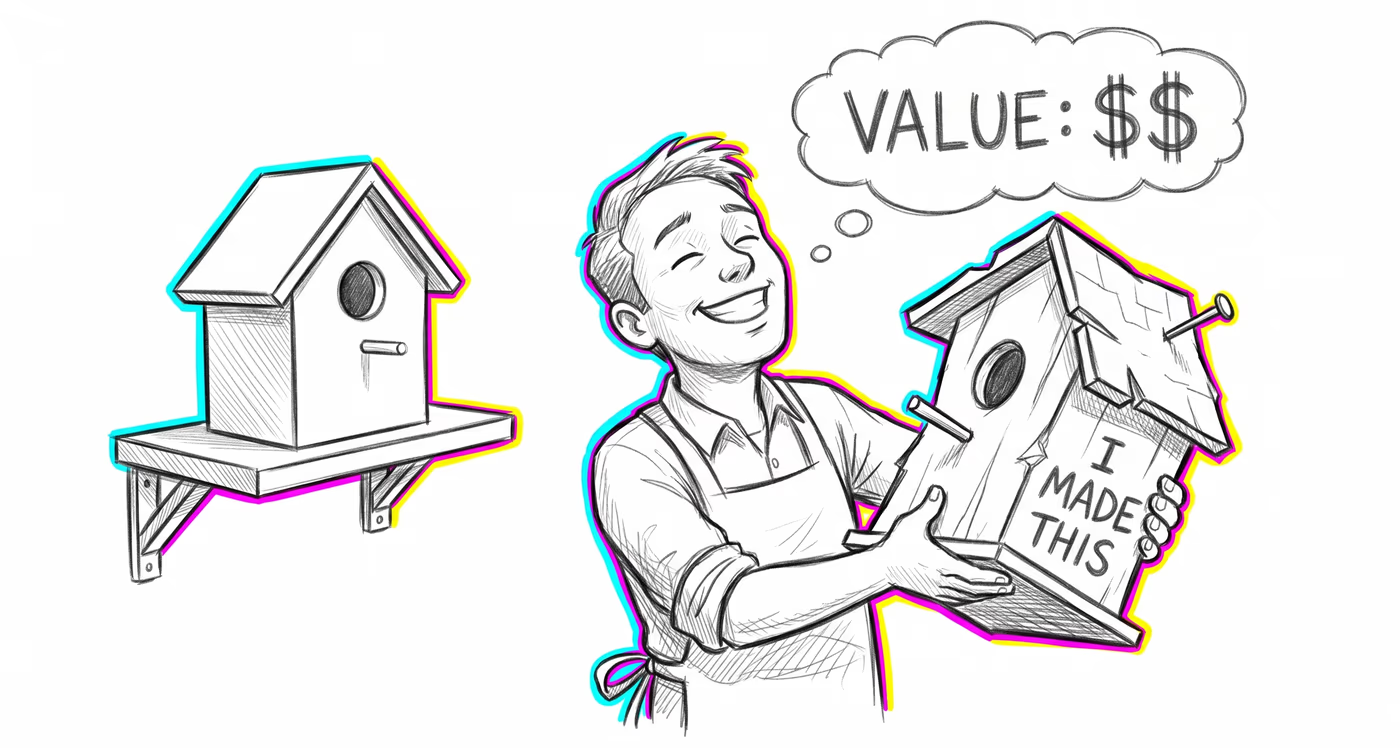
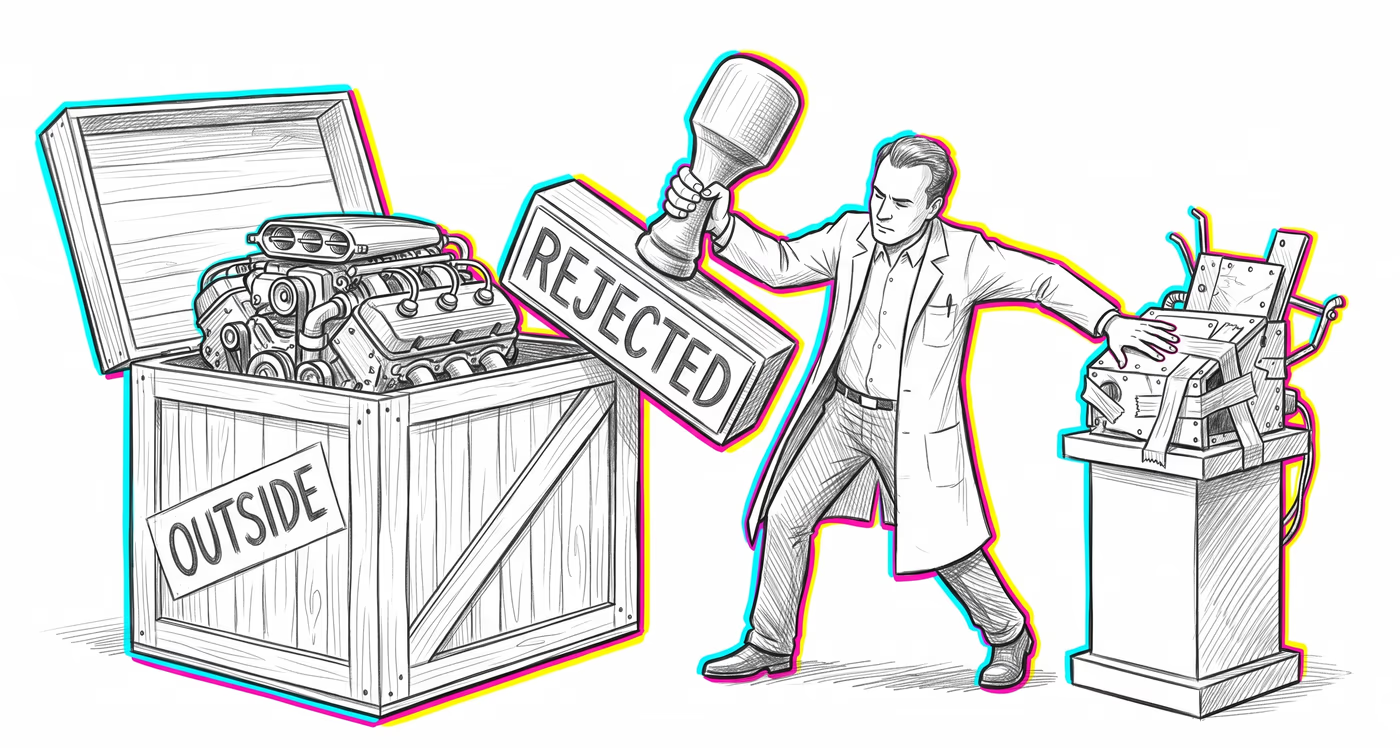
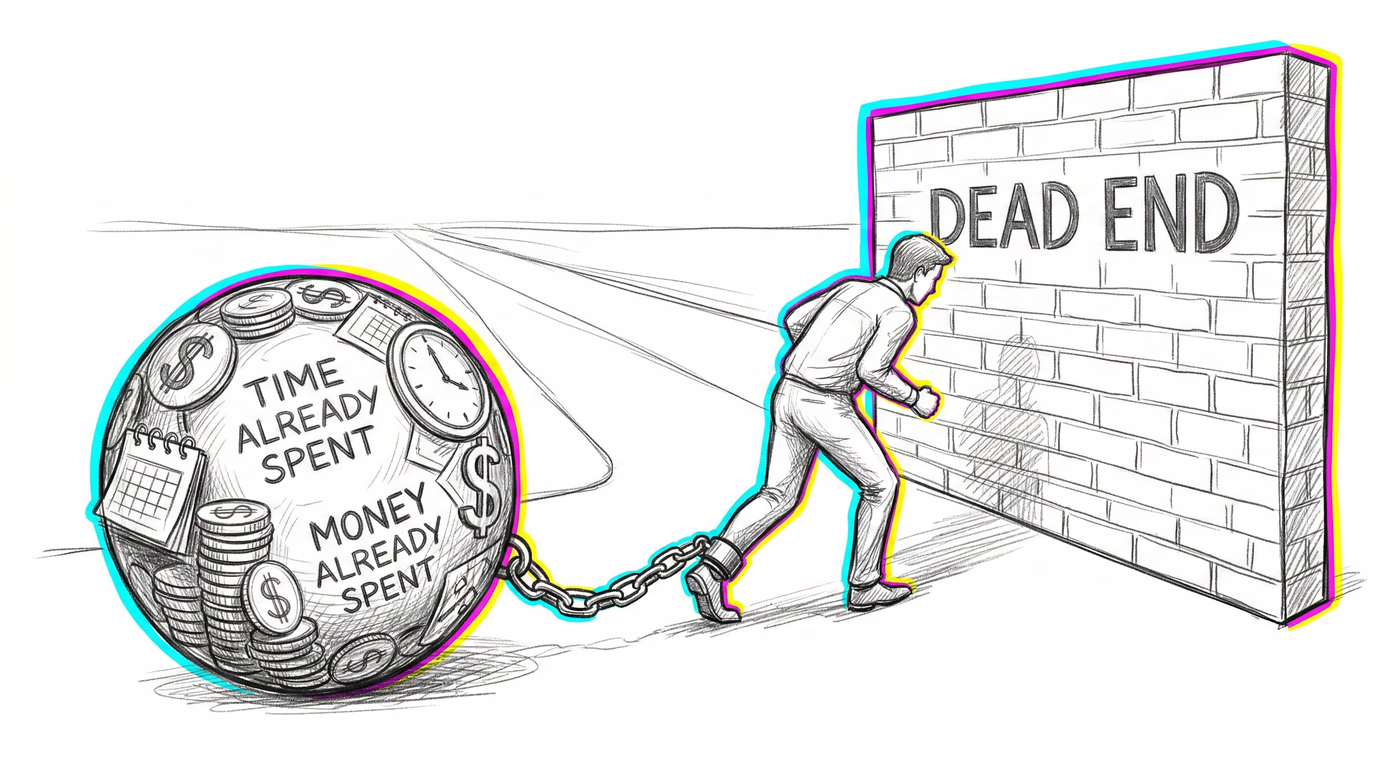
The same glitch looks different depending on the terrain. Finance, medicine, a
relationship, a team — same mechanism, different costume.
Finance & investing
Investors pour capital into hyped new technologies or business models (e.g., blockchain startups, speculative fintech) based on future potential while ignoring fundamental financial metrics, often resulting in bubble dynamics and catastrophic losses when hype outpaces reality.
Medicine & diagnosis
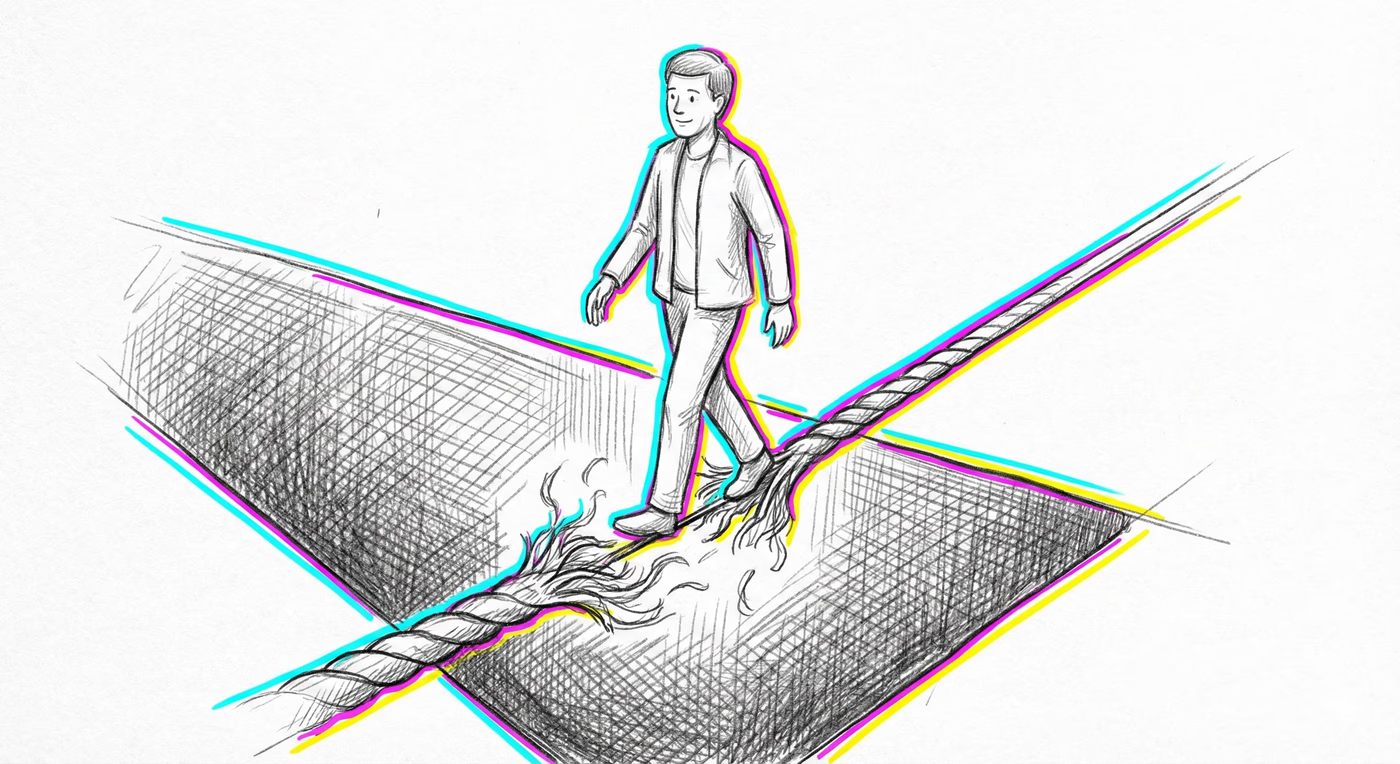
Clinicians and hospital systems adopt novel treatments, devices, or digital health platforms based on excitement about their newness rather than waiting for robust clinical trial data, sometimes displacing established protocols with strong evidence bases.
Education & grading
Schools adopt the latest educational technology or pedagogical trend — gamification platforms, AI tutors, flipped classroom models — without rigorous pilot testing, sometimes displacing proven teaching methods and wasting limited budgets on tools that don't improve outcomes.
Relationships
People chase the excitement of new relationships or reinvent relationship dynamics based on trending advice, undervaluing the stability and deep knowledge built in existing partnerships, assuming that newer approaches to communication or dating must be more evolved.
Tech & product
Product teams prioritize building flashy new features using the latest frameworks over maintaining and optimizing existing features that users rely on daily, leading to feature bloat, instability, and user frustration when core functionality degrades.
Workplace & hiring
Organizations constantly restructure teams, adopt new management methodologies, or implement new collaboration tools based on what's trending in business media, creating change fatigue and abandoning processes that were working effectively.
Politics Media
Policymakers and media champions promote new technological solutions (e.g., blockchain voting, AI governance) as silver bullets for complex societal problems, marginalizing proven institutional mechanisms and creating public expectation gaps when the technology underdelivers.