The same glitch looks different depending on the terrain. Finance, medicine, a
relationship, a team — same mechanism, different costume.
Finance & investing
Investment mantras like 'Sell in May and go away' gain disproportionate influence over trading behavior compared to the same seasonal analysis presented in plain prose, leading investors to follow catchy rules of thumb rather than engaging with underlying market data.
Medicine & diagnosis
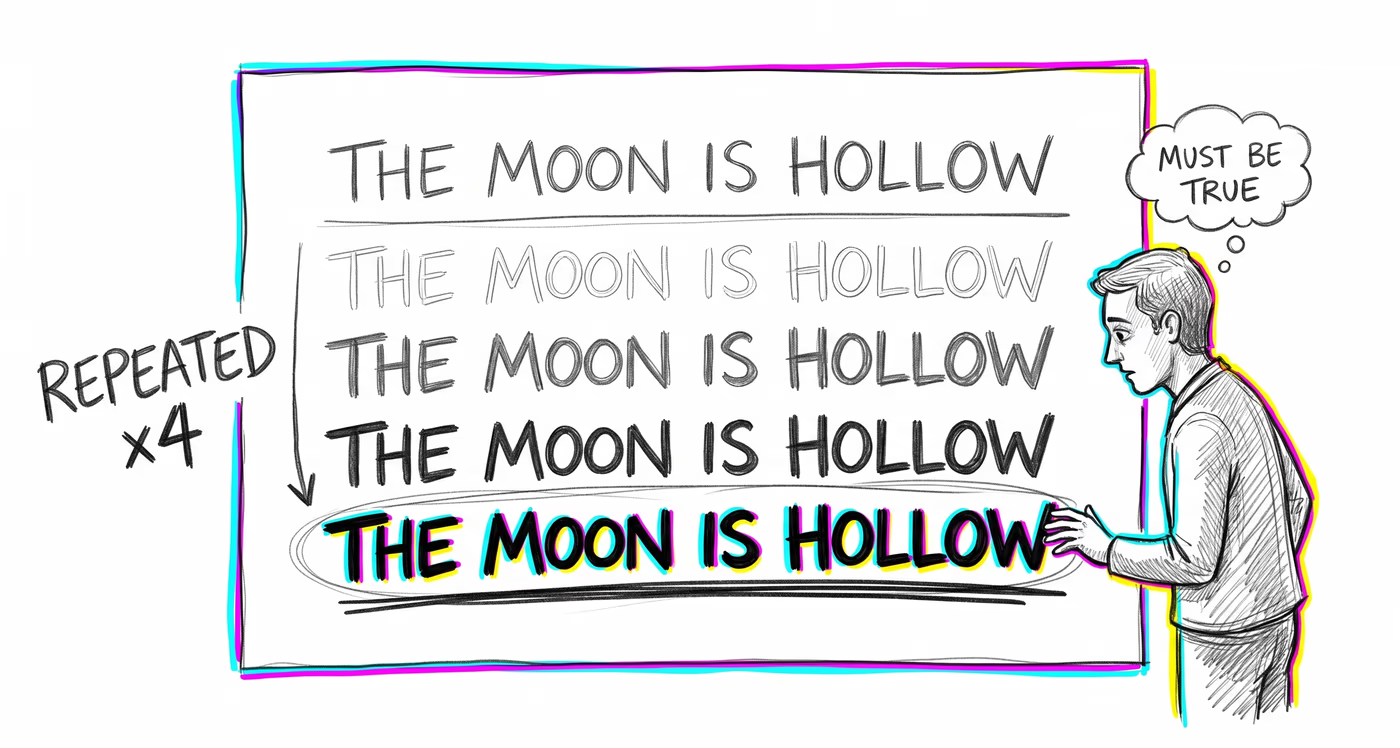
Patients may trust rhyming health advice ('Feed a cold, starve a fever') over evidence-based medical guidance that contradicts it, and pharmaceutical companies exploit this by crafting memorable rhyming brand names or taglines that inflate perceived drug efficacy.
Education & grading
Rhyming mnemonic rules like 'I before E except after C' become treated as absolute grammatical truths despite having numerous exceptions, and teachers may inadvertently teach oversimplified concepts when they prioritize catchy phrasing over accuracy.
Relationships
Folk wisdom expressed in rhyme ('Happy wife, happy life') gets accepted as relationship gospel without scrutiny, potentially reinforcing simplistic or one-sided dynamics that ignore the complexity of partnership.
Tech & product
Product slogans and feature descriptions that rhyme are rated as more credible and appealing in user testing, and marketing teams exploit this by naming features or products with rhyming phrases to increase perceived value and adoption rates.
Workplace & hiring
Managers who summarize strategies in catchy rhyming phrases ('Hire slow, fire fast' or similar) gain outsized buy-in compared to colleagues who present the same ideas in plain language, regardless of the actual quality of their proposals.
Politics Media
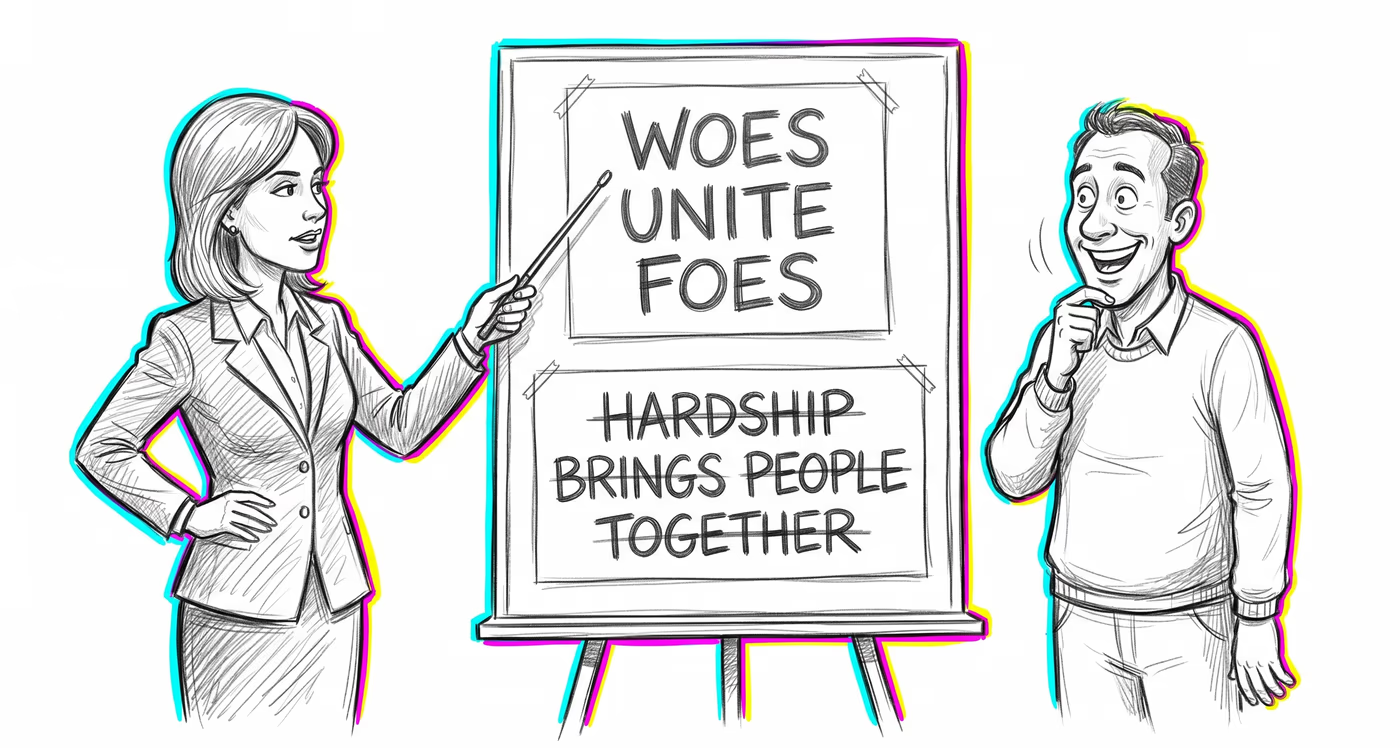
Political slogans that rhyme ('I like Ike,' or protest chants) are more memorable, more shareable, and perceived as more truthful than policy positions stated plainly, giving rhetorically skilled candidates an advantage independent of policy substance.