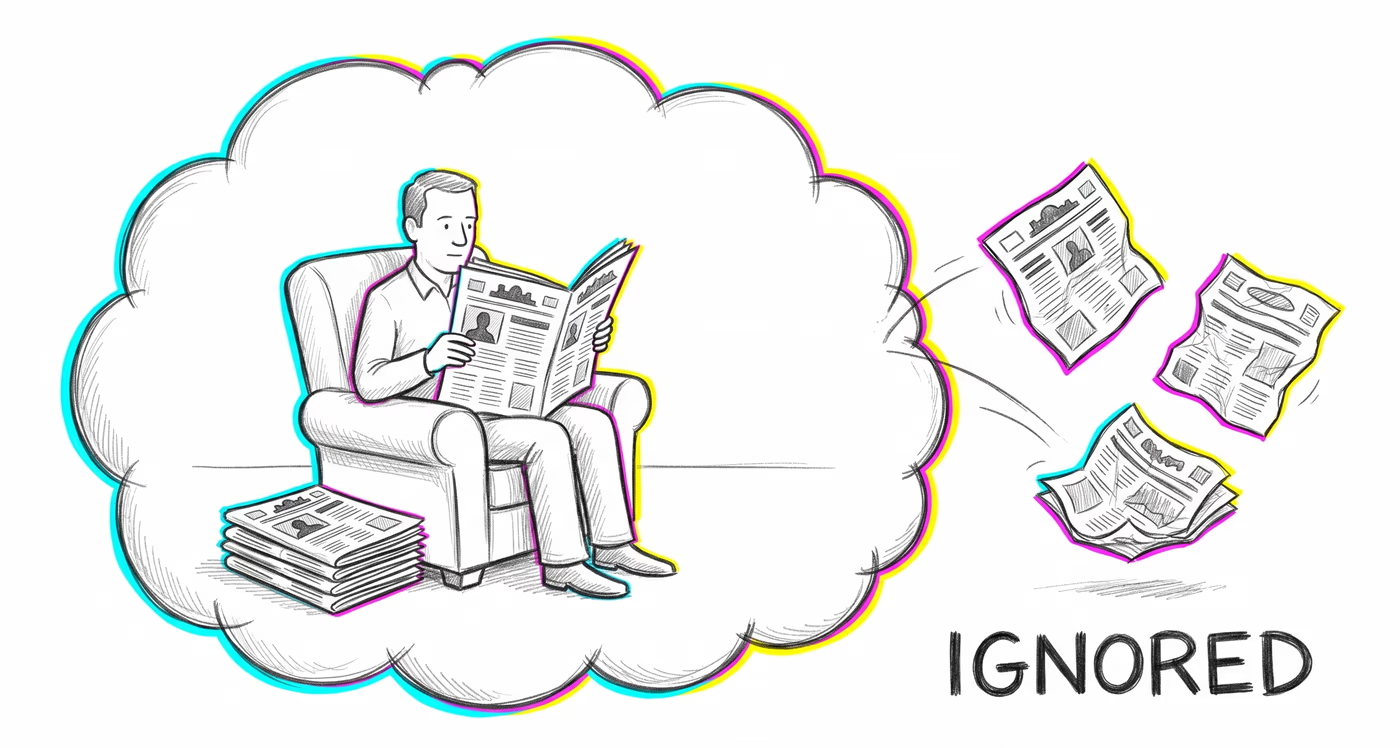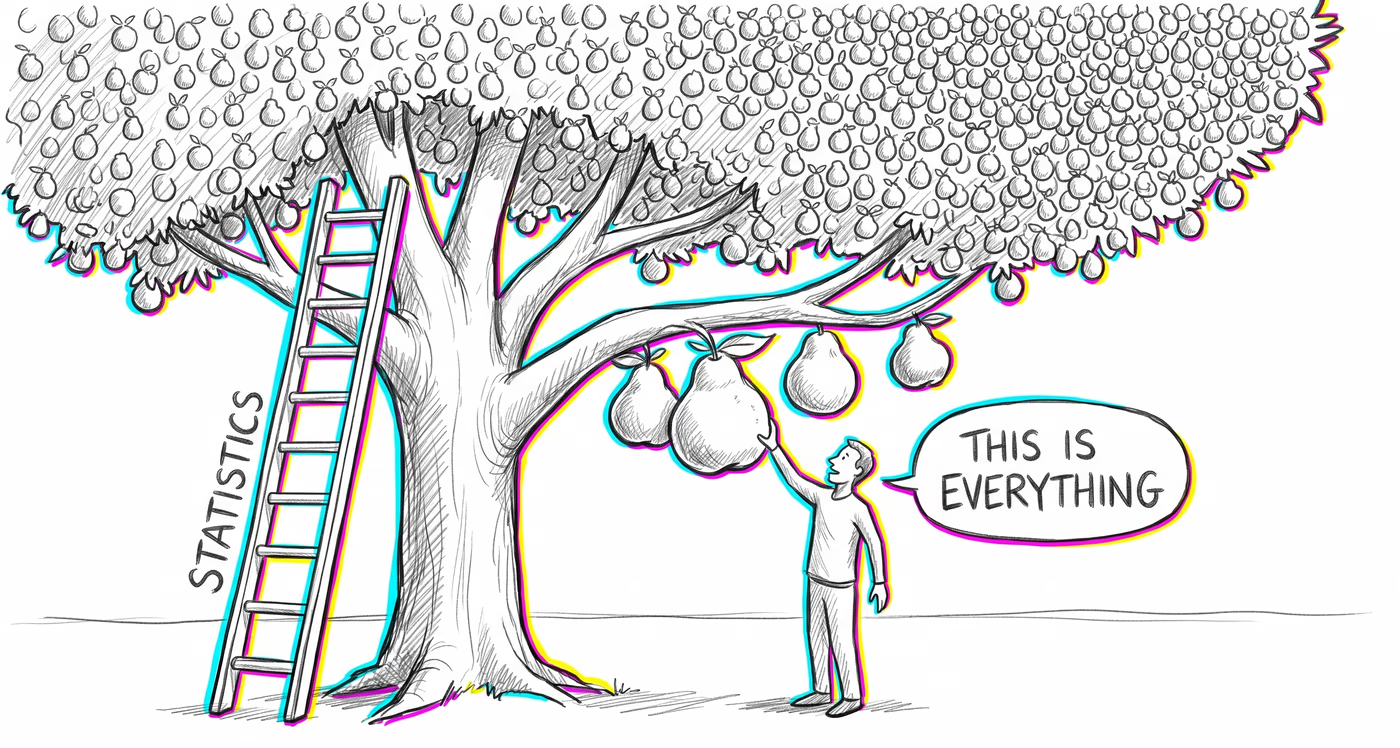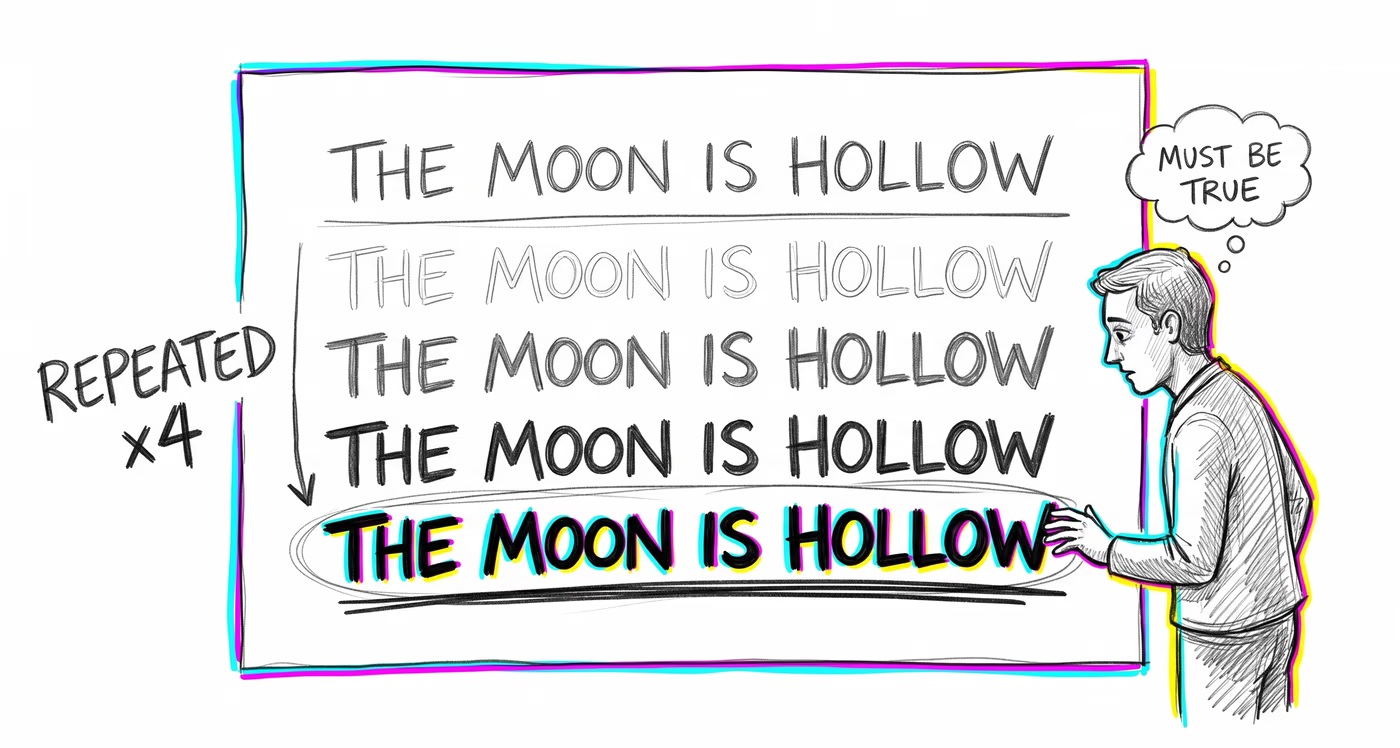
The same glitch looks different depending on the terrain. Finance, medicine, a
relationship, a team — same mechanism, different costume.
Finance & investing
Repeated analyst mentions of a stock or sector as 'promising' can inflate investor confidence independent of fundamentals, as sheer frequency of positive mentions creates a sense of established consensus that biases portfolio decisions.

Medicine & diagnosis
Patients who repeatedly encounter health myths — such as vaccines causing autism or natural remedies curing cancer — through social media, family, or alternative health sources may begin to distrust evidence-based treatments, even when their own doctors present contrary evidence.
Education & grading
Students who encounter incorrect information repeated across multiple low-quality study materials or peer discussions may encode the false claim as fact, making it resistant to correction even when the teacher presents the accurate information once.
Relationships
When one partner repeatedly states a characterization — such as 'you never listen' — the other partner and even outside observers may begin to accept this as an accurate description of the relationship dynamic, regardless of actual listening behavior.
Tech & product
Product teams may adopt unverified UX 'best practices' (e.g., specific button colors converting better) simply because these claims are repeated across design blogs and conference talks, leading to design decisions based on folklore rather than A/B testing.
Workplace & hiring
During performance reviews, if a manager has heard the same critique of an employee from multiple colleagues — even if all are echoing the same original source rather than independent observations — the critique feels increasingly substantiated.
Politics Media
Political slogans and talking points are deliberately repeated across speeches, interviews, and social media to exploit this effect, transforming partisan claims into what feels like common knowledge among the electorate.