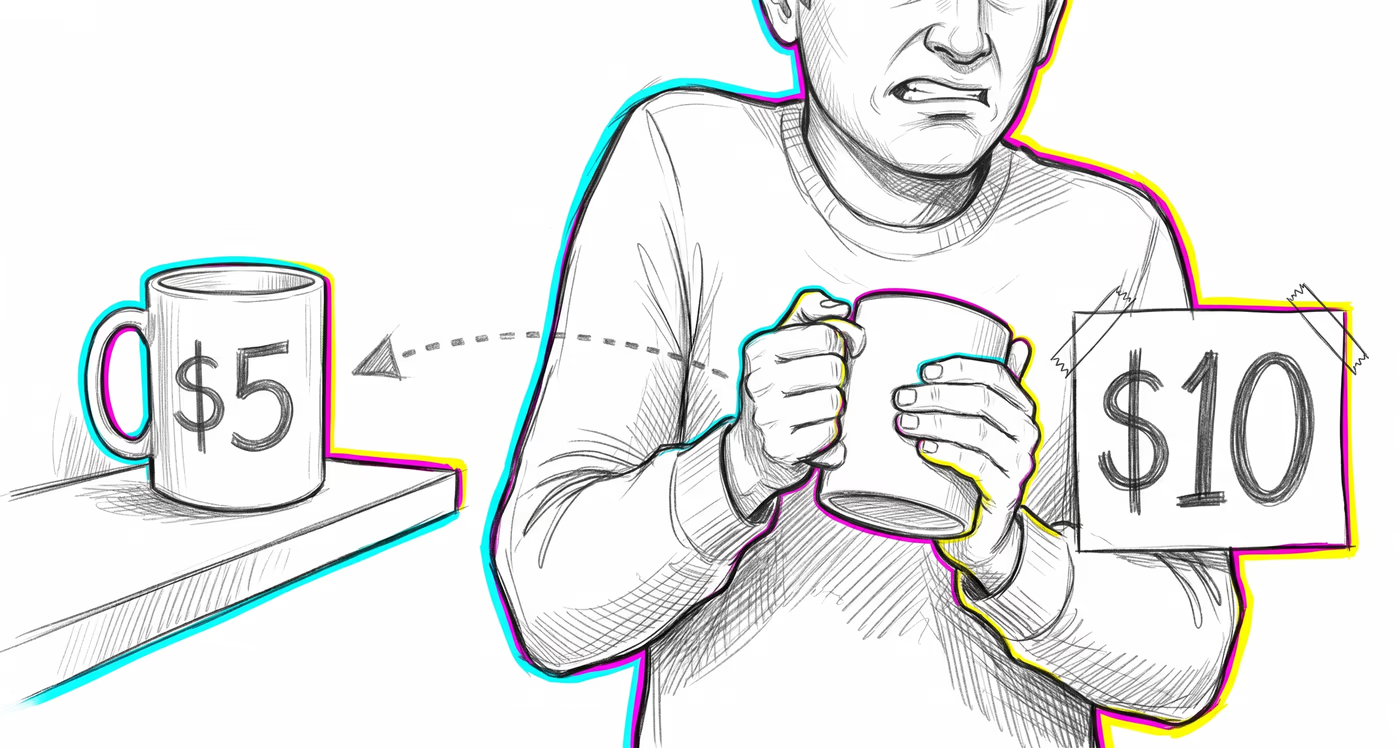
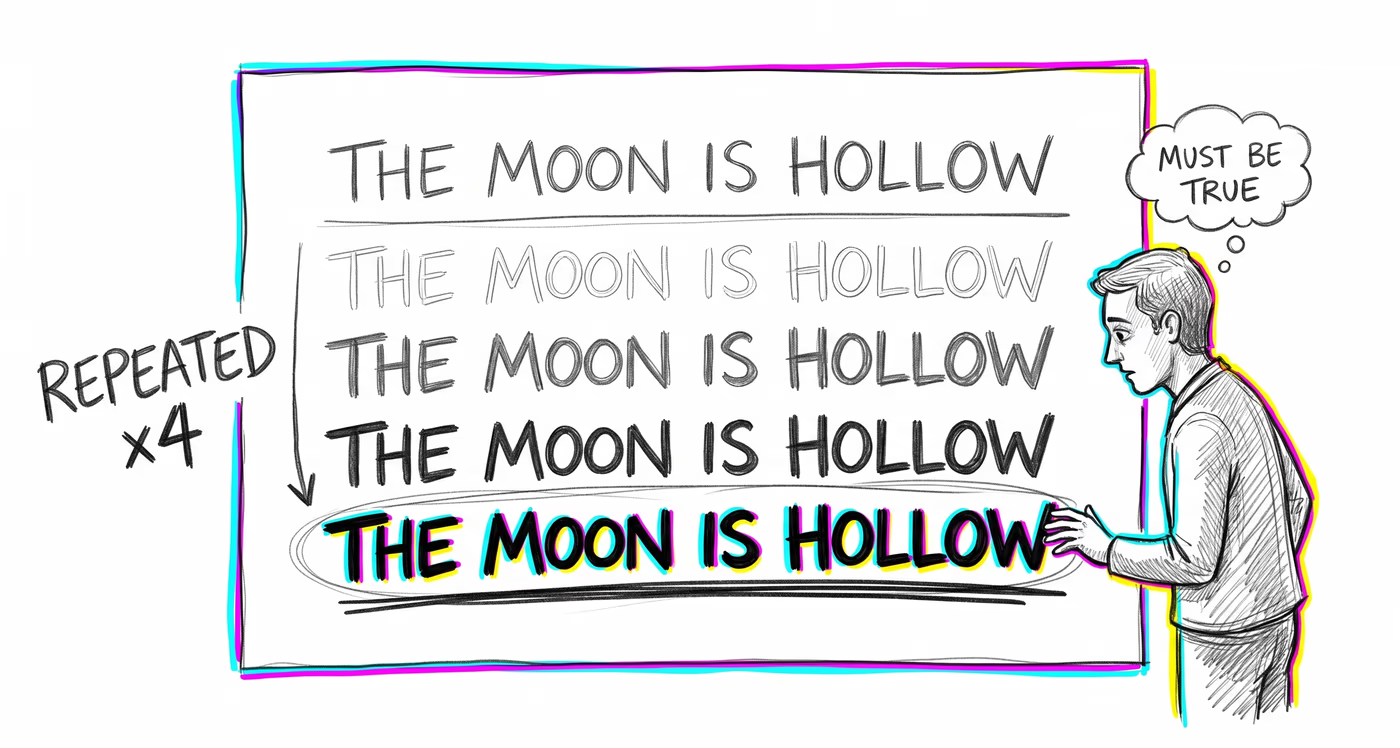
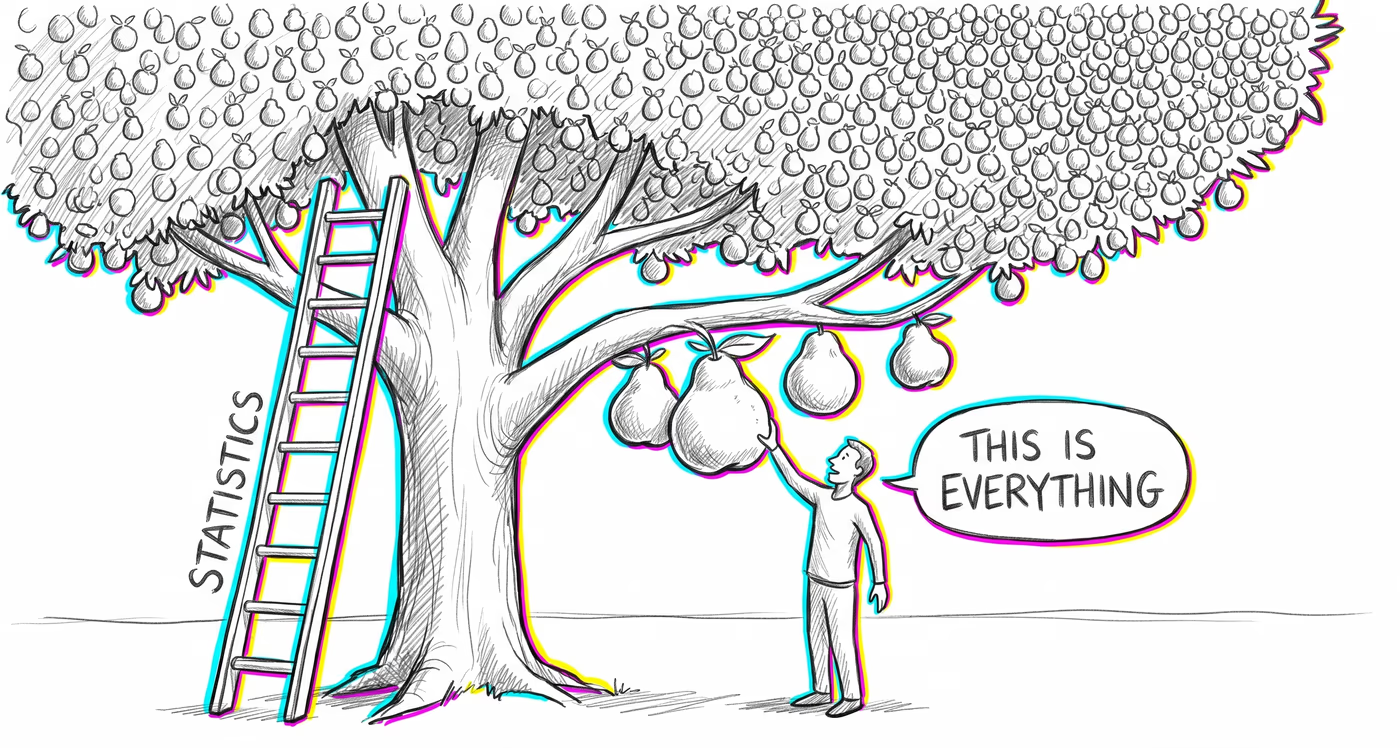
The same glitch looks different depending on the terrain. Finance, medicine, a
relationship, a team — same mechanism, different costume.
Finance & investing
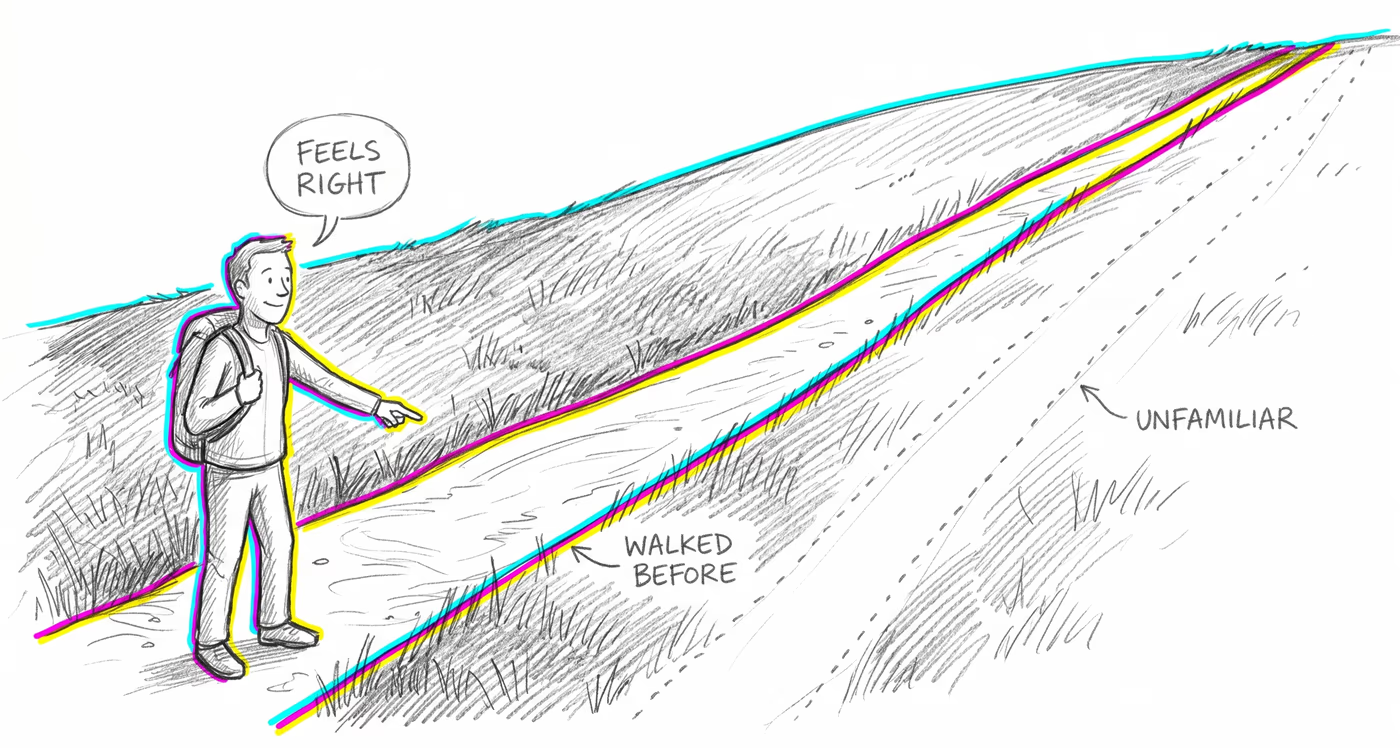
Investors disproportionately allocate funds to domestic companies and familiar brand-name stocks over equally or better-performing foreign or lesser-known equities, a pattern known as the home bias in investing. Familiarity with a company through repeated media exposure or consumer use is mistaken for a valid signal of investment quality.
Medicine & diagnosis
Physicians tend to prescribe medications from brands they have encountered repeatedly through detailing visits, journal ads, or conference sponsorships, even when generics or alternatives have equivalent efficacy. Patients similarly prefer treatments they have heard of before, which can skew shared decision-making toward the familiar rather than the optimal.
Education & grading
Students tend to rate concepts and theories they have encountered multiple times as more true and more important than equally valid ideas presented only once. Teachers may also unconsciously favor textbooks and curricula they've used repeatedly, even when newer materials are demonstrably more effective.
Relationships
People are more likely to develop friendships and romantic attractions with those who are physically proximate — neighbors, classmates, coworkers — simply because proximity increases the frequency of encounters. This means relationship formation is partly driven by incidental exposure rather than genuine compatibility.
Tech & product
Repeated exposure to a product's interface increases user satisfaction and reduces friction, which is why onboarding flows, splash screens, and consistent branding improve retention. Designers exploit this by maintaining visual consistency across touchpoints and using progressive disclosure to familiarize users gradually. However, it also creates resistance to UI redesigns, as users prefer the old layout purely from familiarity.
Workplace & hiring
Hiring managers tend to favor candidates from familiar universities, previous employers they recognize, or people they've met briefly at networking events. In performance reviews, employees who are more visible — frequently seen in meetings or common areas — may receive higher ratings than equally productive but less visible colleagues.
Politics Media
Candidates with higher name recognition enjoy substantial polling advantages independent of their policy positions. Political advertising often prioritizes frequency of exposure over persuasive content, banking on the principle that voters will develop preference simply through repeated encounters with a name, face, or slogan.