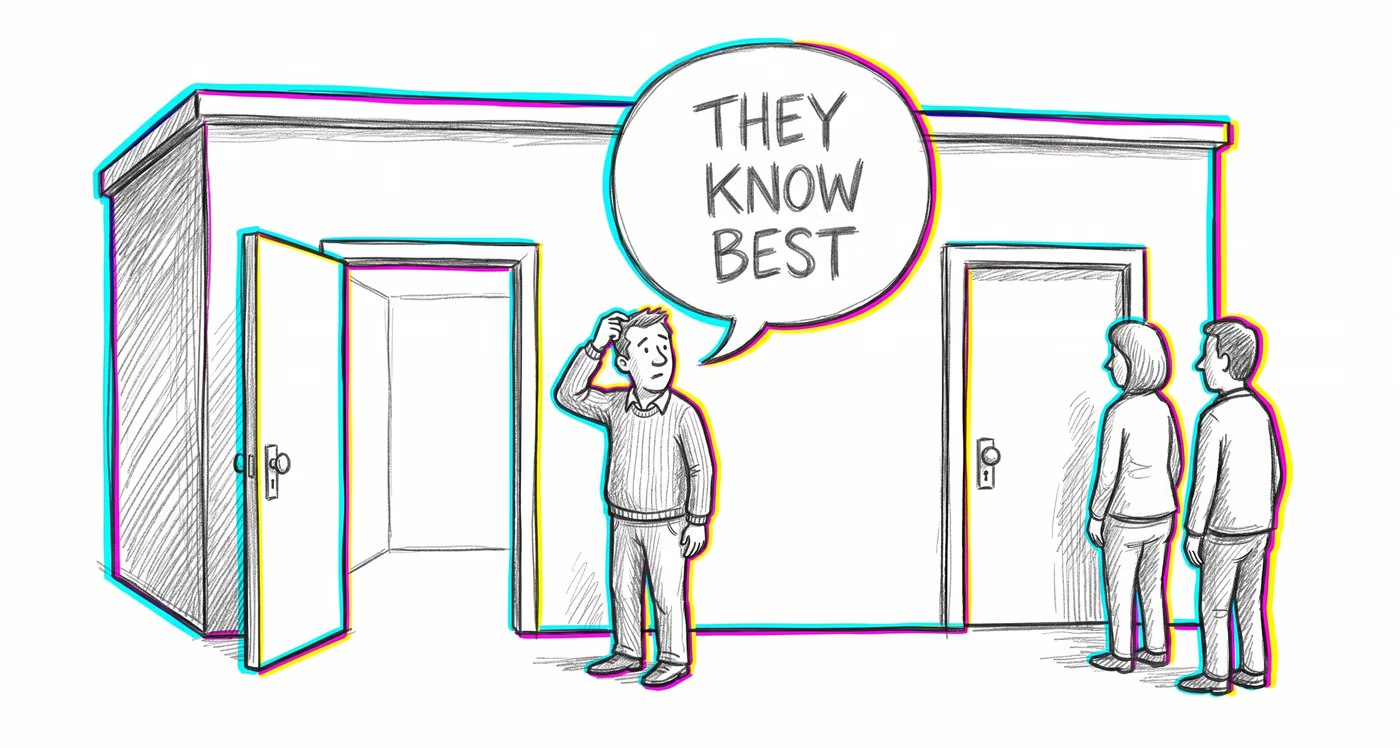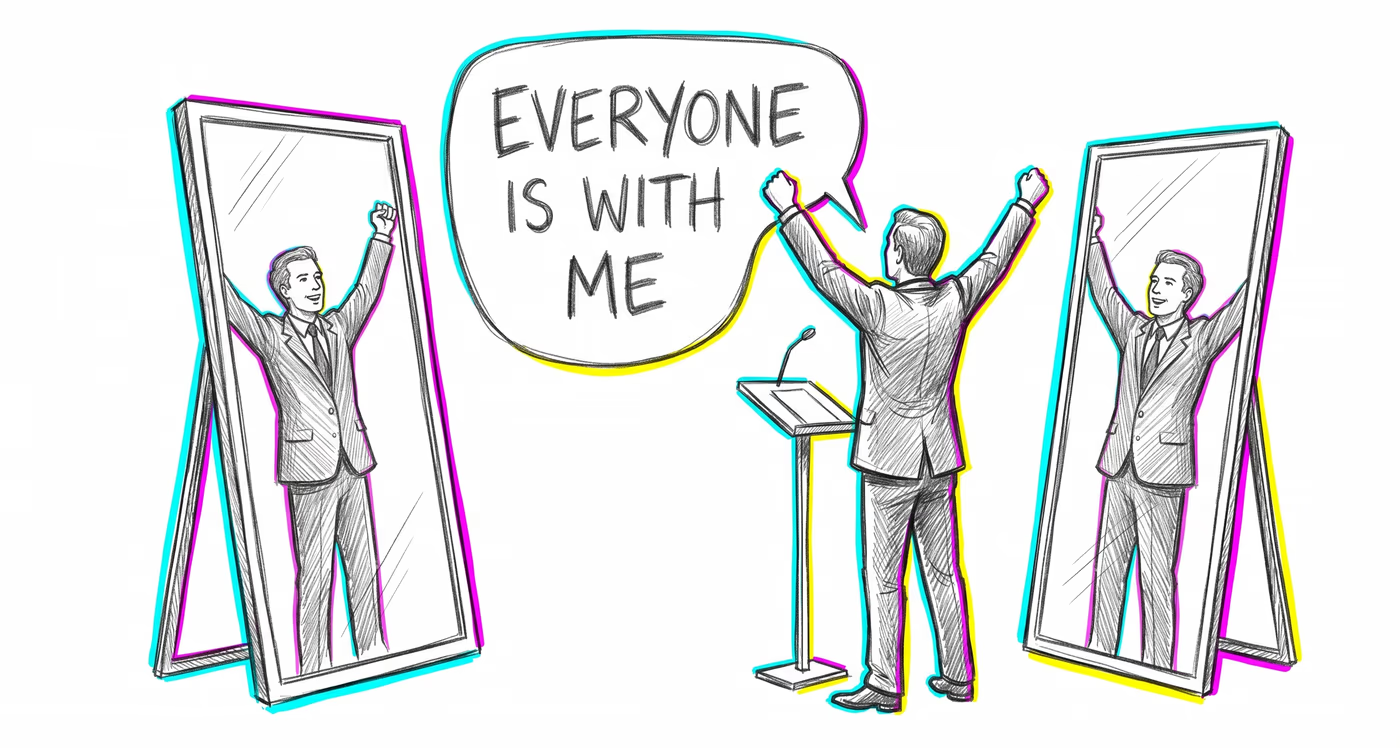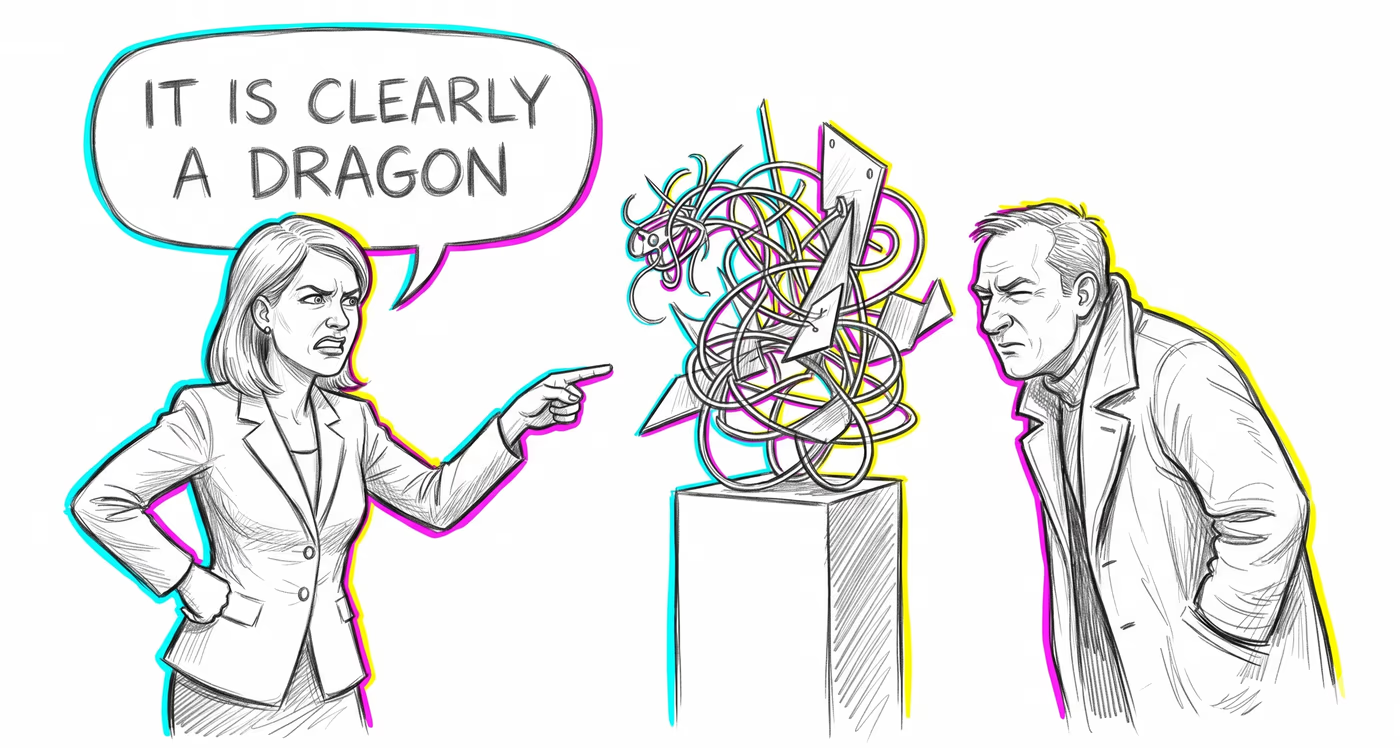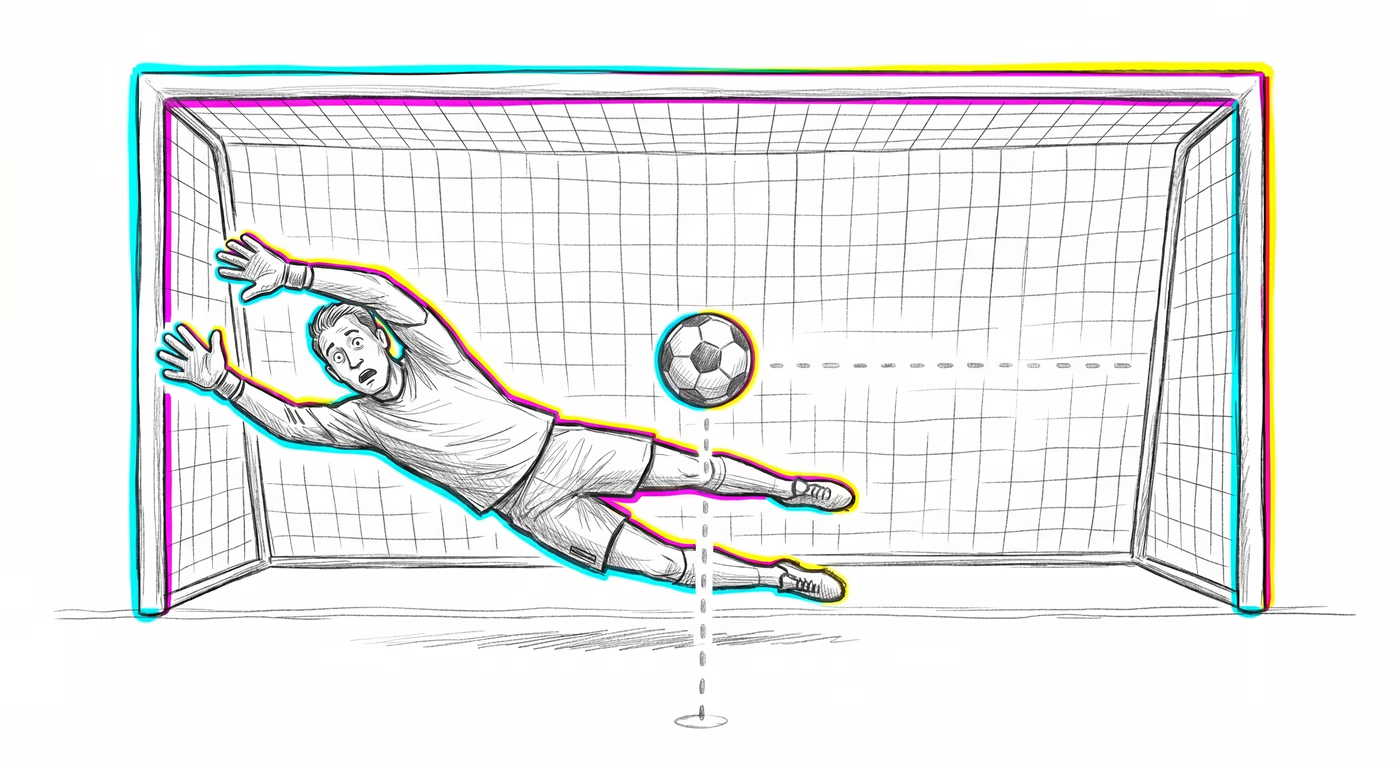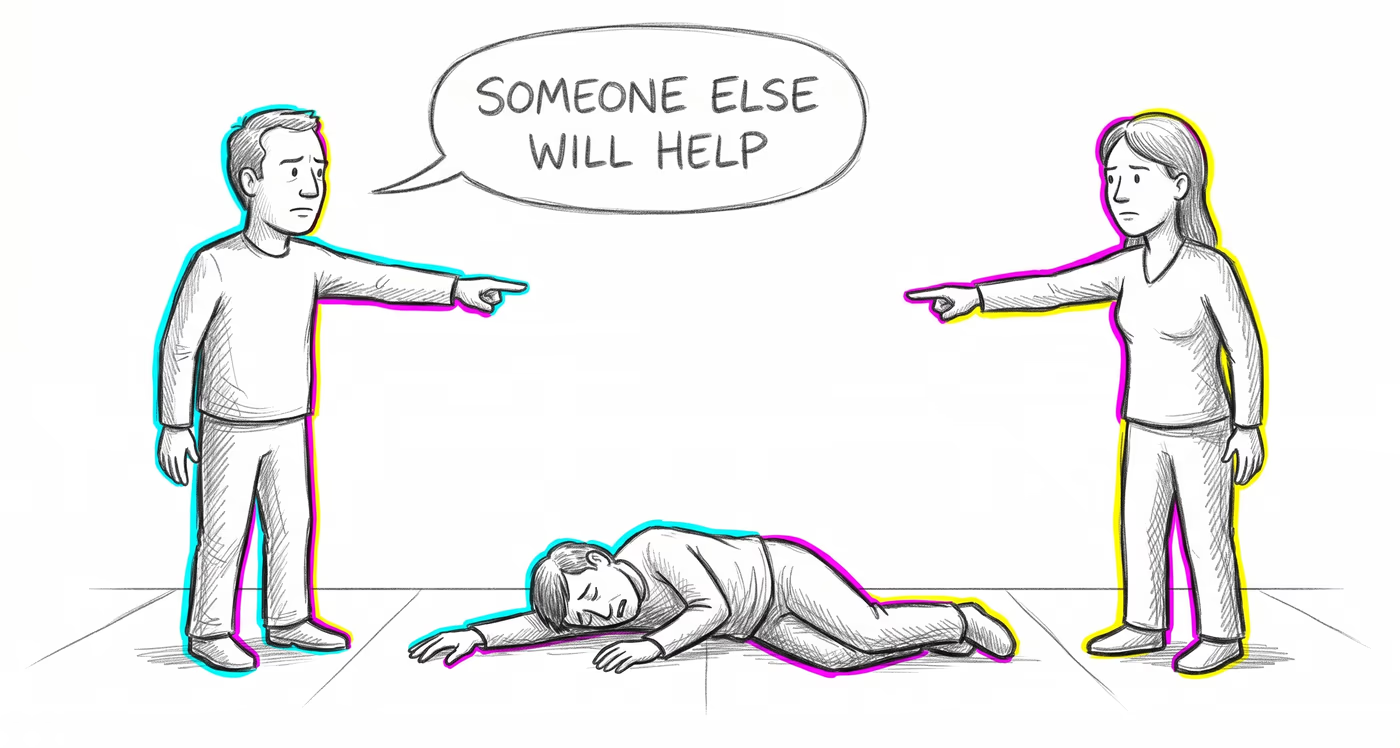
The same glitch looks different depending on the terrain. Finance, medicine, a
relationship, a team — same mechanism, different costume.
Finance & investing
In trading floors and investment committees, individual analysts may fail to flag a deteriorating position or suspicious transaction when multiple team members have access to the same information, each assuming the risk management team or a more senior colleague will escalate the concern.
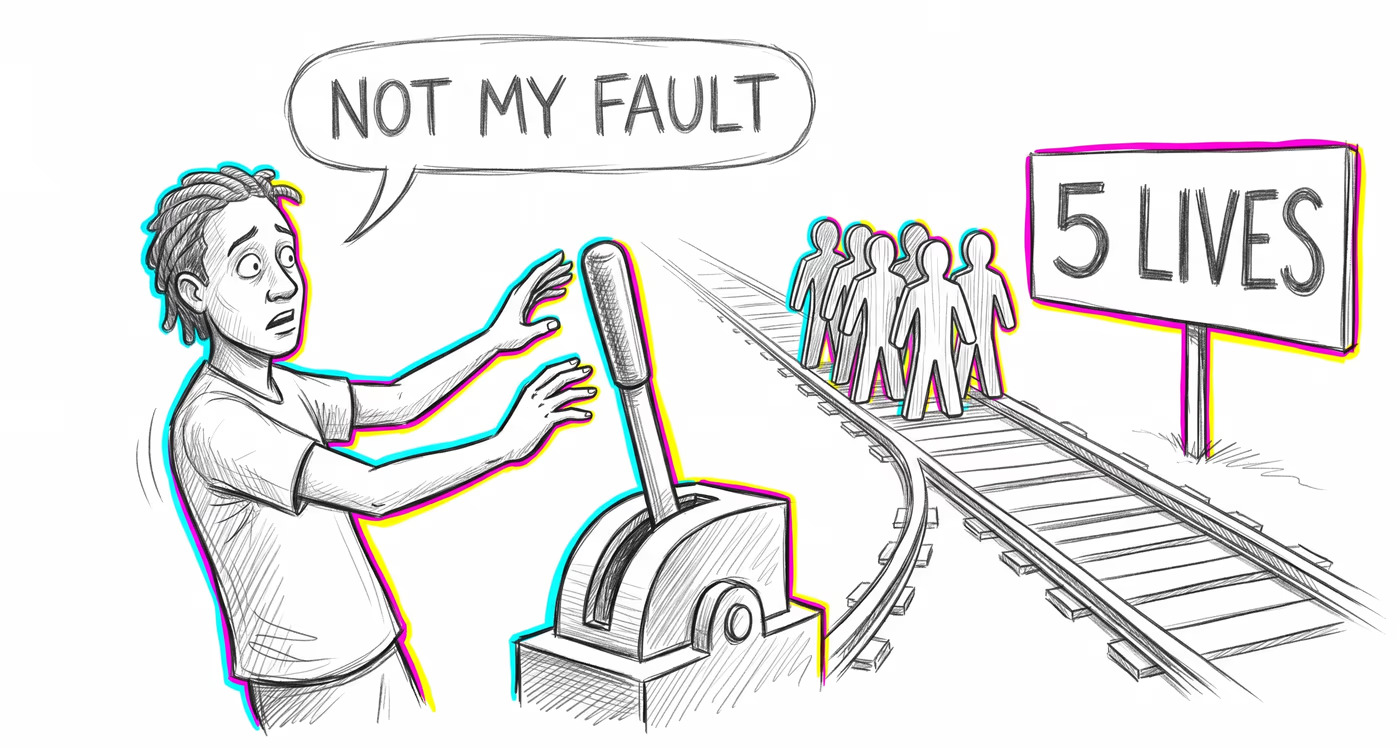
Medicine & diagnosis
In busy emergency departments with multiple staff present, individual nurses or doctors may delay responding to a patient's deteriorating vital signs, each assuming another team member is already monitoring the situation—a dynamic that has been linked to adverse patient outcomes in handoff failures.
Education & grading
In classrooms, students witnessing bullying are significantly less likely to intervene or report the behavior when many peers are present, as each assumes someone else will tell the teacher or stand up for the victim.
Relationships
In friend groups, individuals may notice signs that someone is in an abusive relationship but refrain from speaking up, assuming that mutual friends who are closer or more experienced will address the situation.
Tech & product
In open-source software communities and large Slack channels, bug reports and support requests with many viewers receive slower responses than those seen by fewer people, as each potential responder assumes another contributor will handle it. Platforms can counteract this by directly assigning tickets to specific individuals.
Workplace & hiring
In organizations, employees who witness unethical behavior, harassment, or safety violations are less likely to report them when they know many coworkers observed the same incident, leading to chronic underreporting in large teams and open-plan offices.
Politics Media
Large-scale atrocities and humanitarian crises can persist partly because each nation or institution assumes others will intervene, diffusing geopolitical responsibility. Media coverage of ongoing suffering can paradoxically reduce individual feelings of obligation when audiences sense that 'the world is watching.'