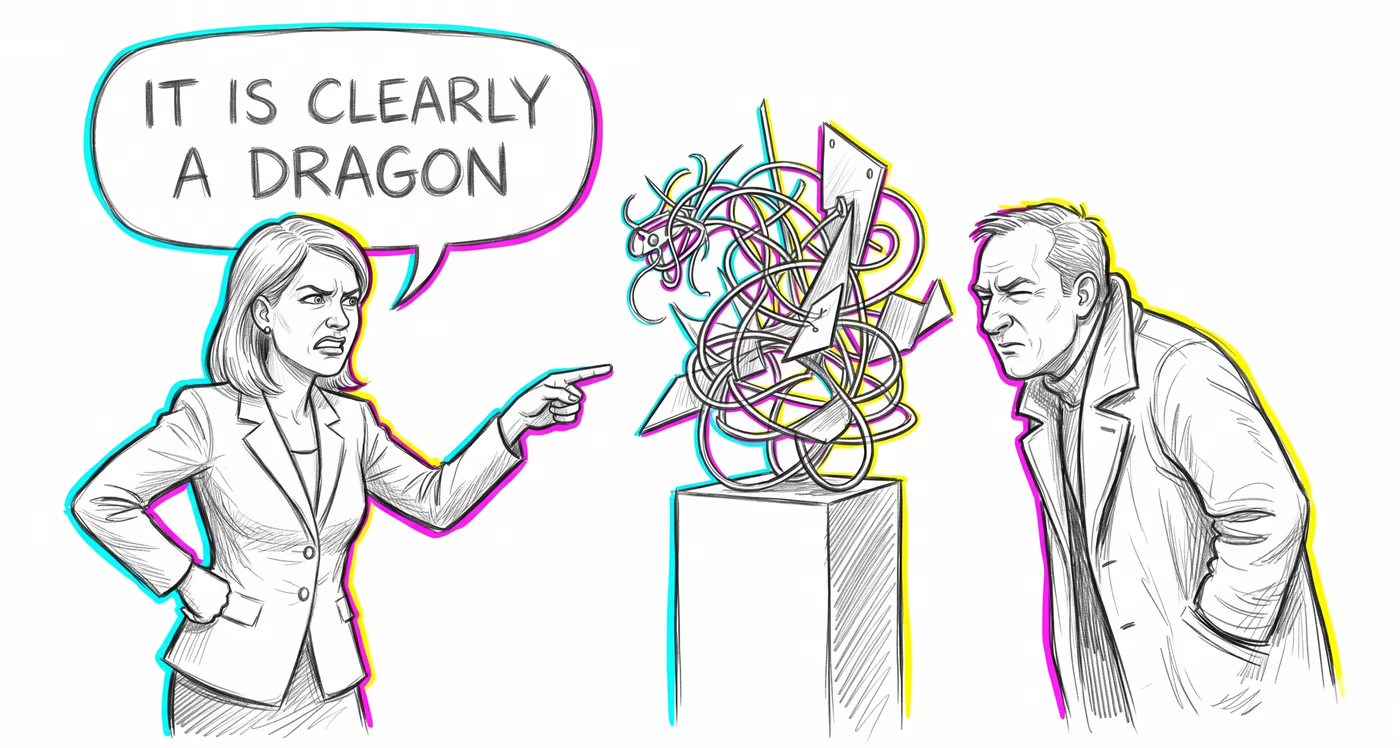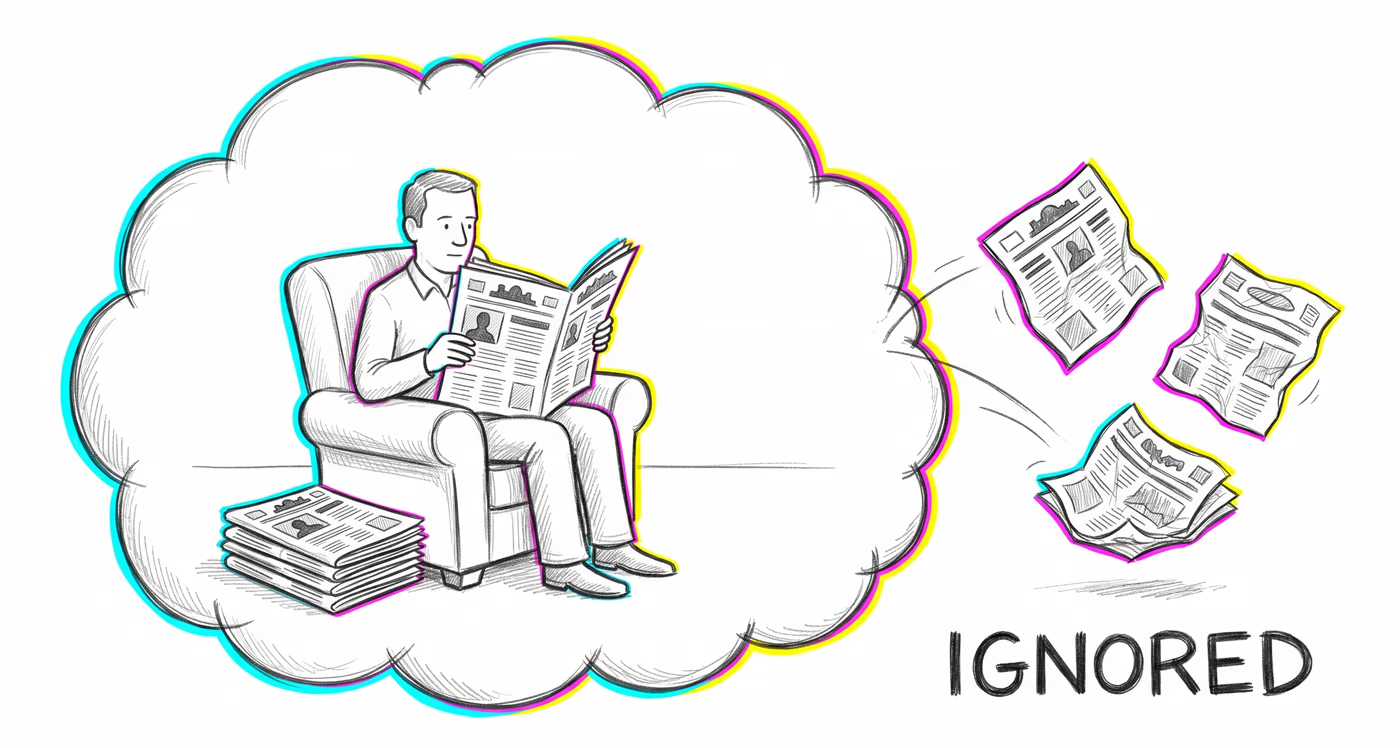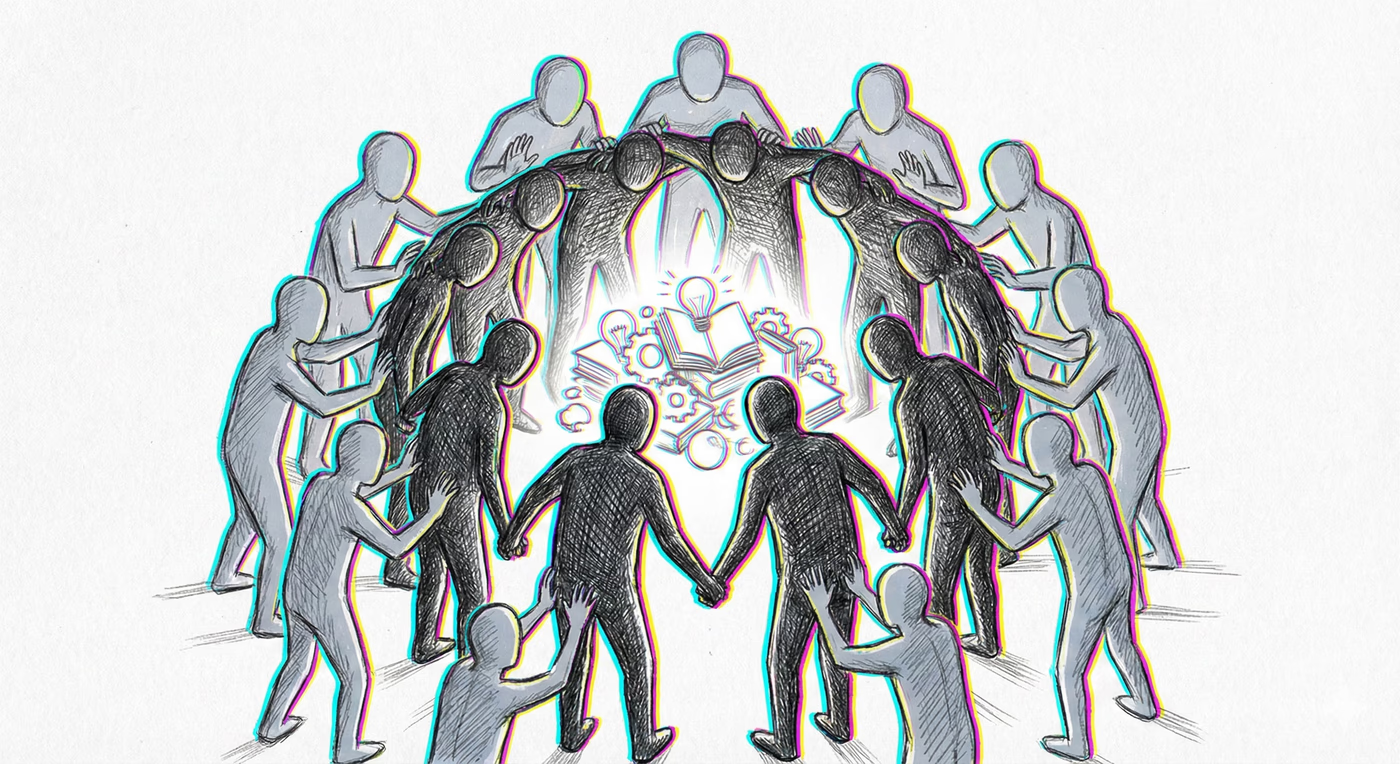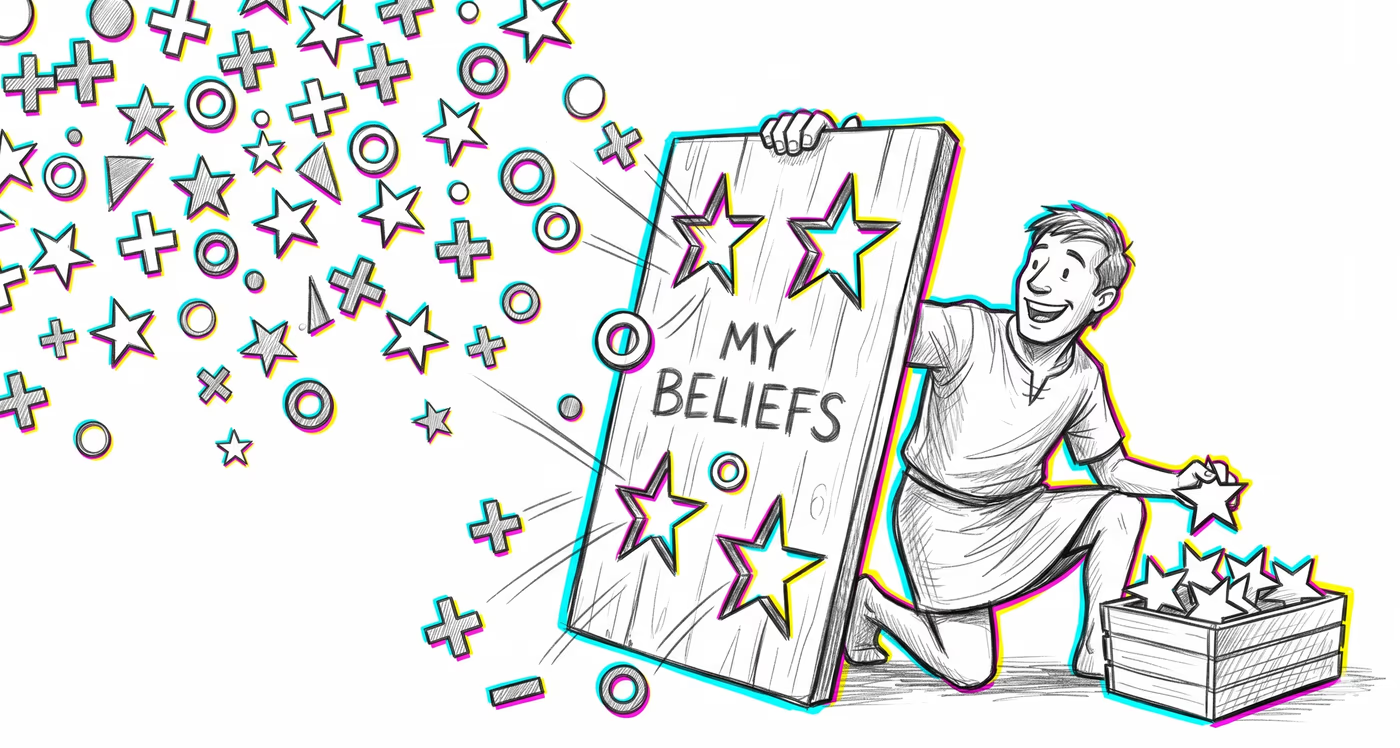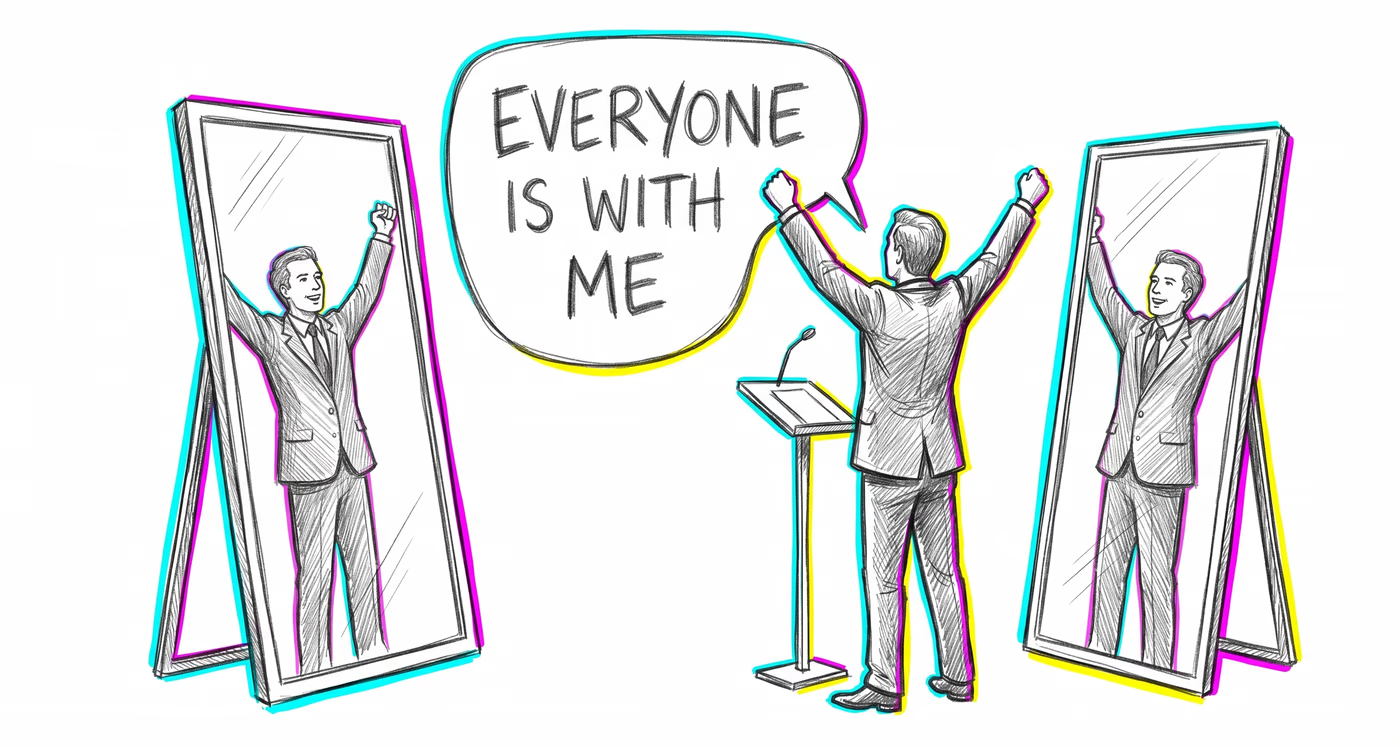
The same glitch looks different depending on the terrain. Finance, medicine, a
relationship, a team — same mechanism, different costume.
Finance & investing
Investors frequently assume that their own risk tolerance and market outlook are shared by other market participants, leading them to misjudge market sentiment. This often manifests as surprise during selloffs or rallies when the 'obvious' consensus they imagined turns out not to exist.
Medicine & diagnosis
Physicians may overestimate how many patients share their values about aggressive treatment versus palliative care, projecting their own preferences onto patients. Public health officials may assume widespread support for interventions like vaccination mandates, underestimating the diversity of public attitudes.
Education & grading
Teachers may assume that students find the same topics engaging or that their teaching style suits most learners, leading to curriculum designs that reflect the instructor's preferences rather than the diverse needs of the student body. Grading standards can also be distorted when educators assume their sense of what constitutes quality work is universally shared.
Relationships
Partners often assume the other person shares their views on finances, parenting styles, or household responsibilities, leading to conflict when unstated expectations are revealed as one-sided. People may also overestimate how many friends support their side during interpersonal disputes.
Tech & product
Product teams that don't conduct user research frequently design for themselves, assuming their own workflows and preferences represent the user base. This 'you are not your user' problem leads to features nobody asked for and interfaces that feel intuitive only to their creators.
Workplace & hiring
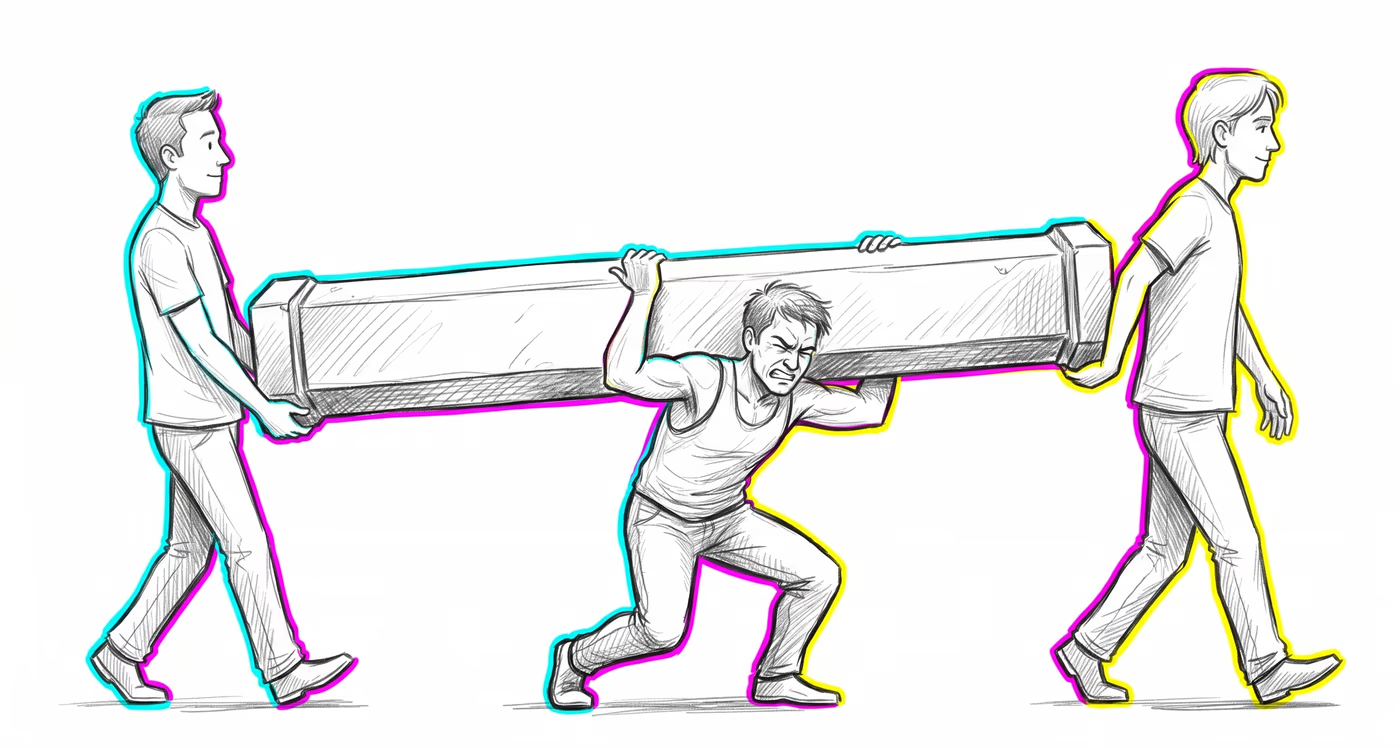
Managers may assume that their team shares their priorities or work ethic, leading to frustration when employees approach tasks differently. In hiring, interviewers may favor candidates who share their opinions, mistaking personal alignment for cultural fit.
Politics Media
Voters and pundits routinely overestimate how many people share their political views, contributing to shock at election outcomes. Social media echo chambers amplify this by curating like-minded content, creating the illusion that one's ideological position represents mainstream opinion.