The same glitch looks different depending on the terrain. Finance, medicine, a
relationship, a team — same mechanism, different costume.
Finance & investing
Investors and analysts who constantly reference real-time dashboards and financial databases may fail to internalize key ratios, historical patterns, or fundamental valuations, making them vulnerable to poor snap decisions when systems are unavailable or during fast-moving market events.
Medicine & diagnosis
Clinicians who routinely consult drug-interaction databases and diagnostic algorithms at the point of care may retain less pharmacological and pathophysiological knowledge over time, potentially impairing rapid decision-making in emergency situations where device access is limited.
Education & grading
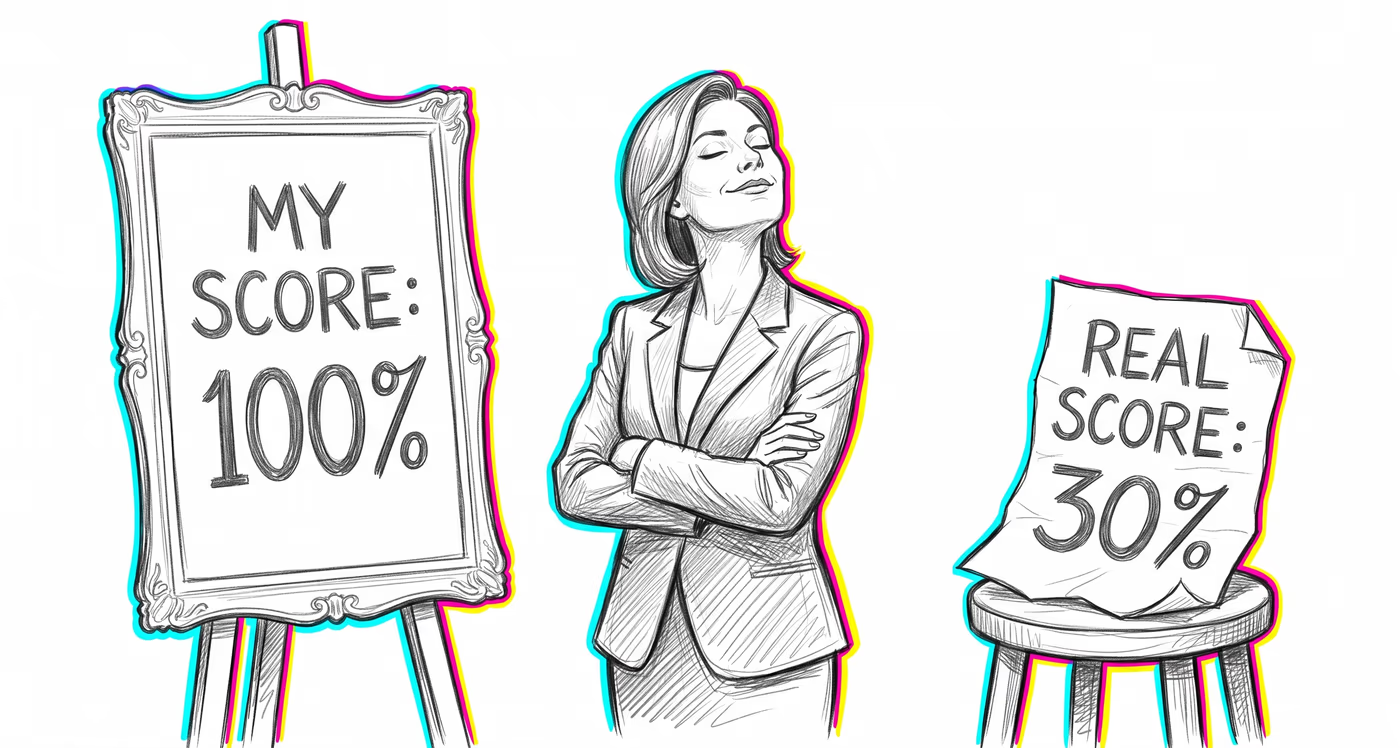
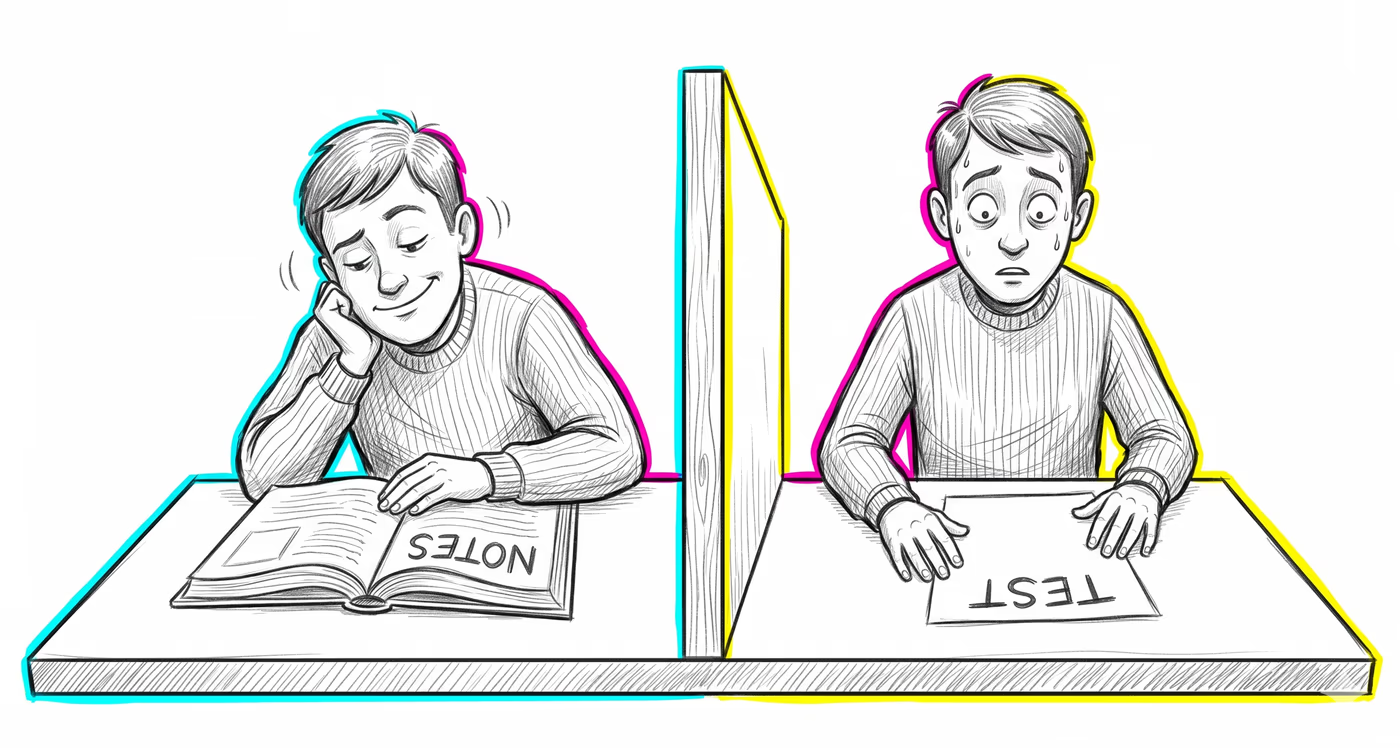
Students who study with constant internet access tend to encode less factual content and instead remember which websites or digital resources contain the answers, leading to inflated confidence during open-book preparation that collapses during closed-book assessments.
Relationships
People increasingly fail to remember partners' and family members' phone numbers, birthdays, or important dates because these are stored in phone contacts and digital calendars, which can feel impersonal or create vulnerability when devices are lost or broken.
Tech & product
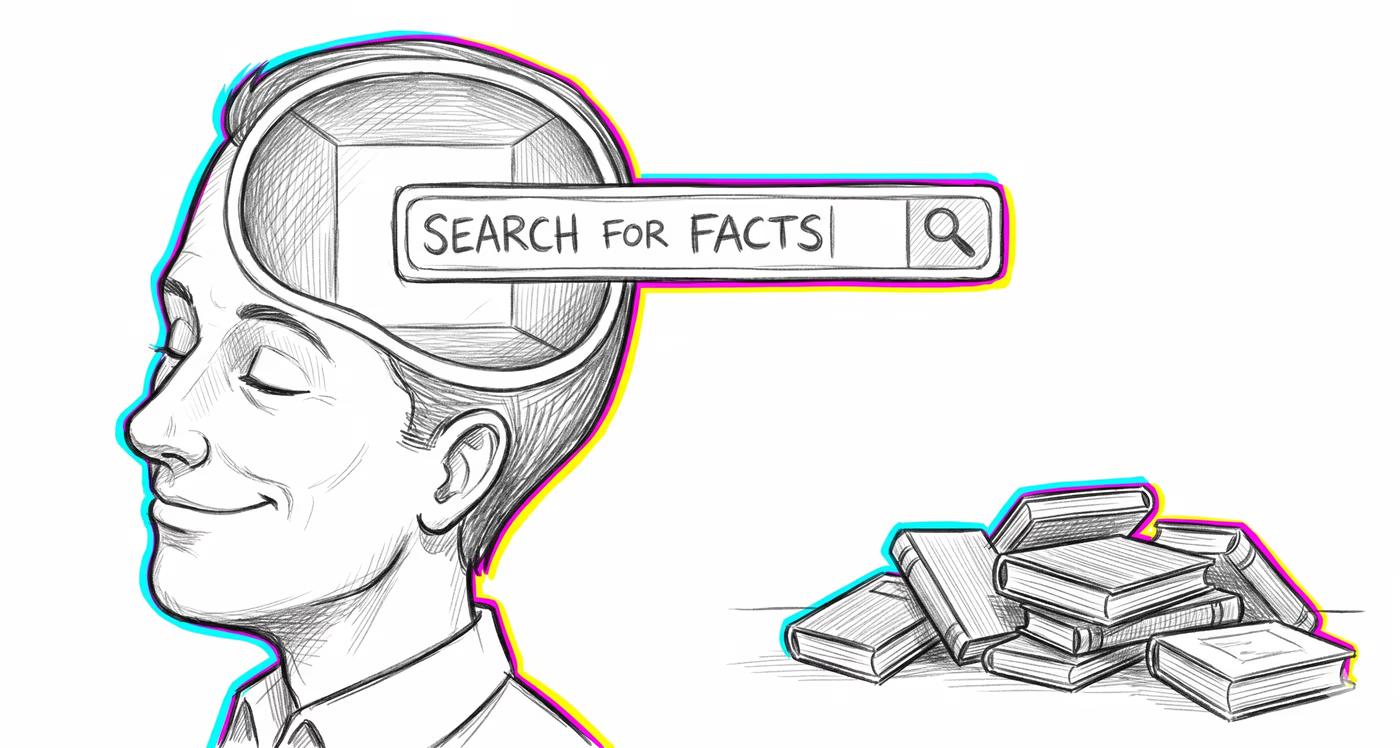
Product designers exploit the Google Effect by making information easily re-findable rather than memorable — search bars, bookmarks, and recommendation engines all reduce the user's need to internalize content, increasing platform dependency and return visits.
Workplace & hiring
Employees who rely heavily on internal wikis, Slack search, and shared drives for institutional knowledge may struggle during onboarding others, client calls, or strategic discussions where demonstrating deep domain mastery from memory is expected.
Politics Media
Citizens who can quickly search for political facts feel informed but retain little, leading to shallow engagement with policy issues. This creates a gap between perceived and actual political knowledge, making people susceptible to misinformation that 'feels right' even when they could easily verify it.