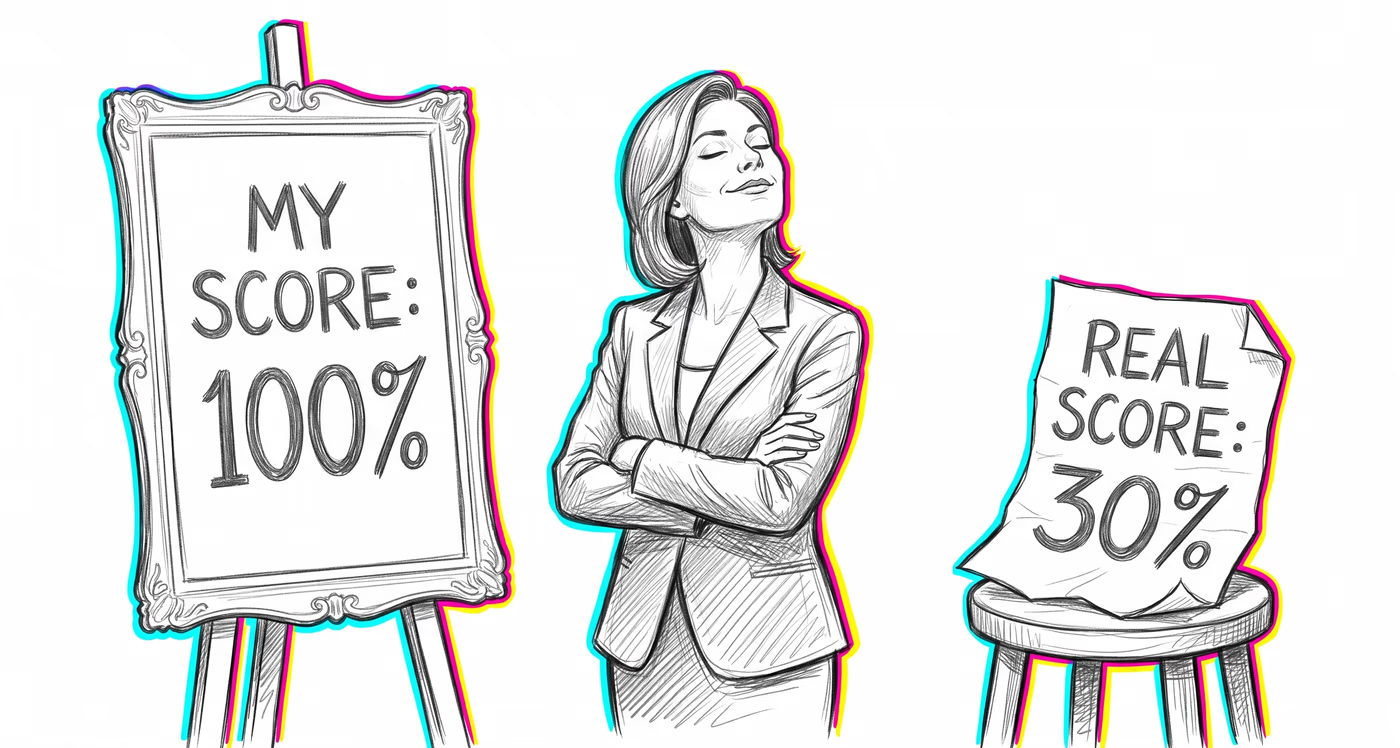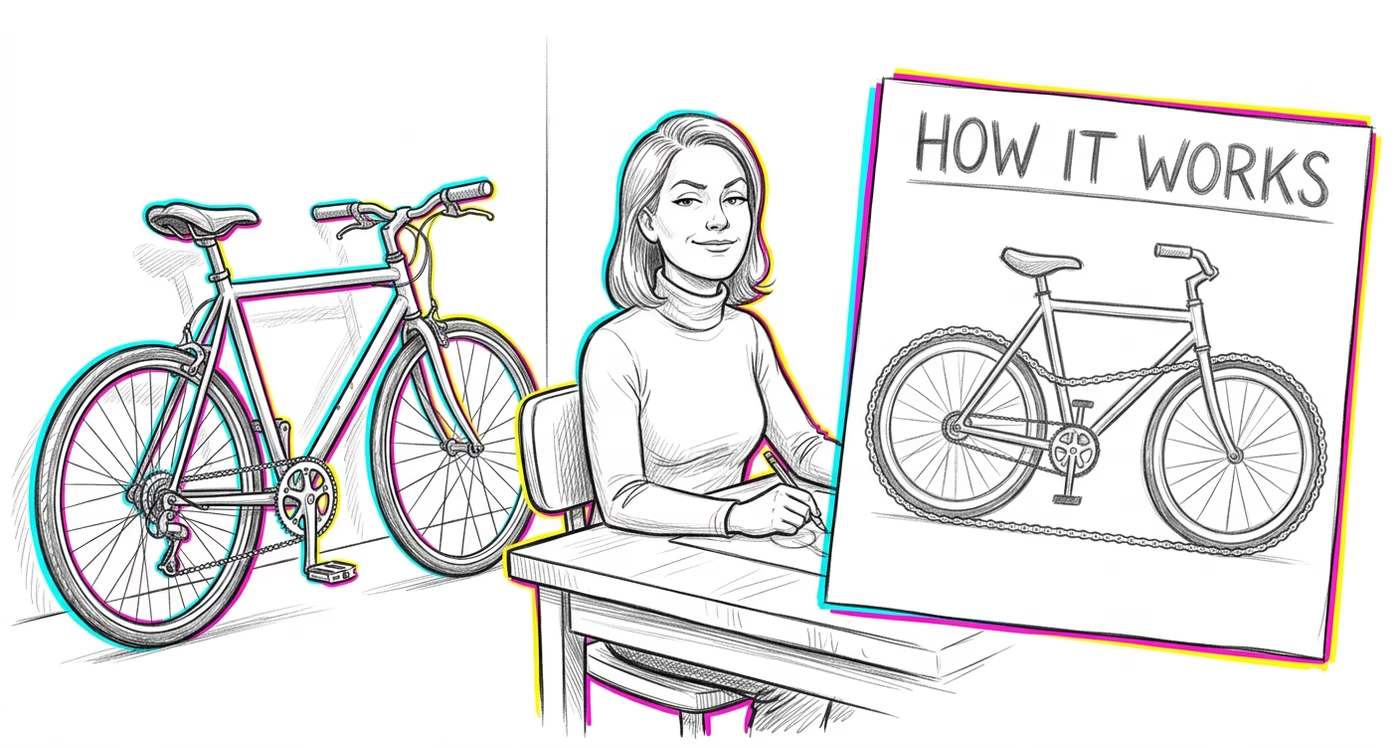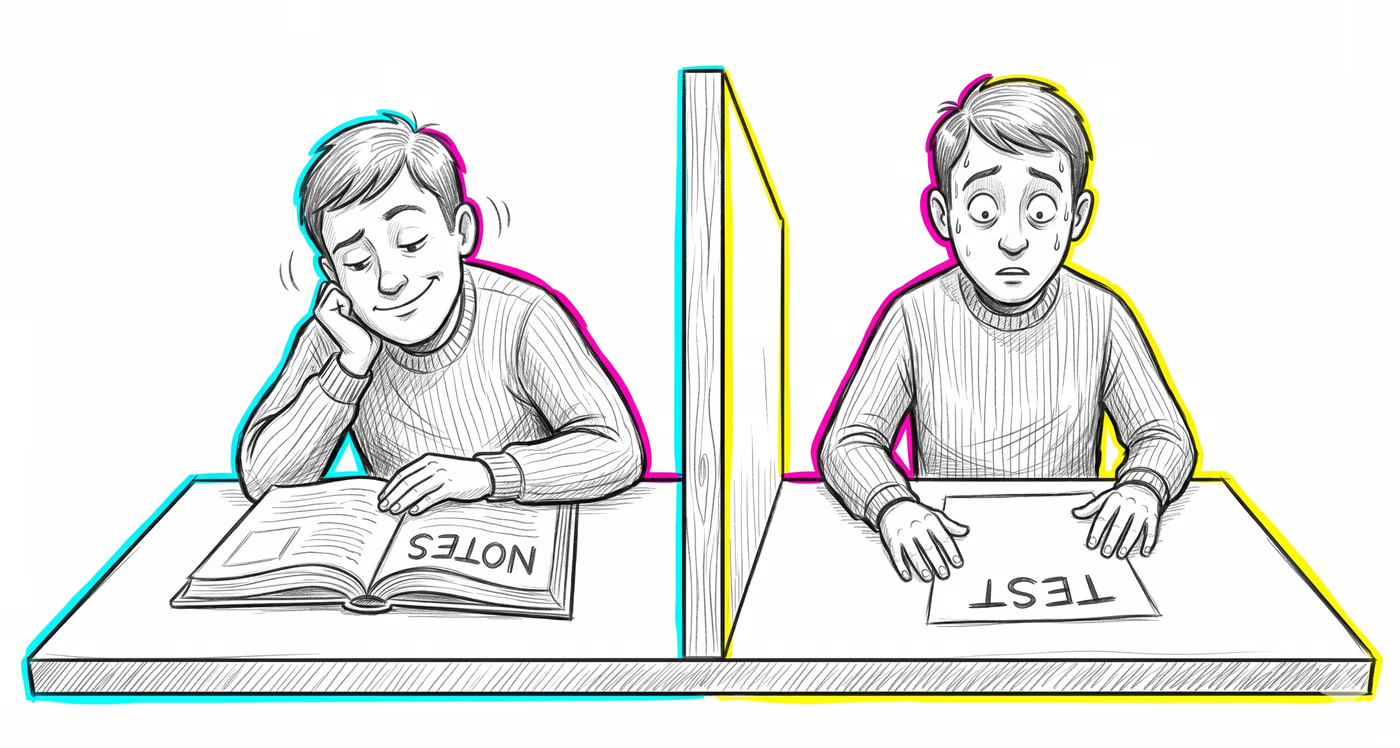
The same glitch looks different depending on the terrain. Finance, medicine, a
relationship, a team — same mechanism, different costume.
Finance & investing
Analysts who read market reports and watch investment webinars may overestimate their grasp of financial instruments, leading to overconfident trading decisions based on recognition of concepts rather than genuine analytical skill.

Medicine & diagnosis
Medical students and residents who review case studies or observe procedures may feel they have mastered diagnostic or surgical techniques, only to discover gaps in their knowledge when performing independently without prompts or reference material.
Education & grading
Students who rely on rereading, highlighting, and passive review consistently overestimate their exam readiness, leading to poor performance that surprises both students and teachers. This drives the persistent popularity of ineffective study strategies over evidence-based methods like retrieval practice.
Relationships
People who read self-help books or listen to relationship advice podcasts may feel they have deeply internalized communication skills, yet revert to old patterns in actual conflict because passive exposure did not build the behavioral competence they perceived.
Tech & product
Developers who read documentation or watch code walkthroughs may overestimate their ability to implement solutions independently, leading to underestimation of task complexity during sprint planning. Tutorial-driven learning can create a false sense of coding proficiency.
Workplace & hiring
Employees who attend training workshops and feel highly confident afterward may not retain key procedures weeks later, leading organizations to overestimate training effectiveness when relying on post-session confidence surveys rather than delayed assessments.
Politics Media
News consumers who passively scroll through headlines and article summaries may feel well-informed about complex policy issues, yet cannot articulate the nuances or trade-offs of those policies when pressed in conversation.