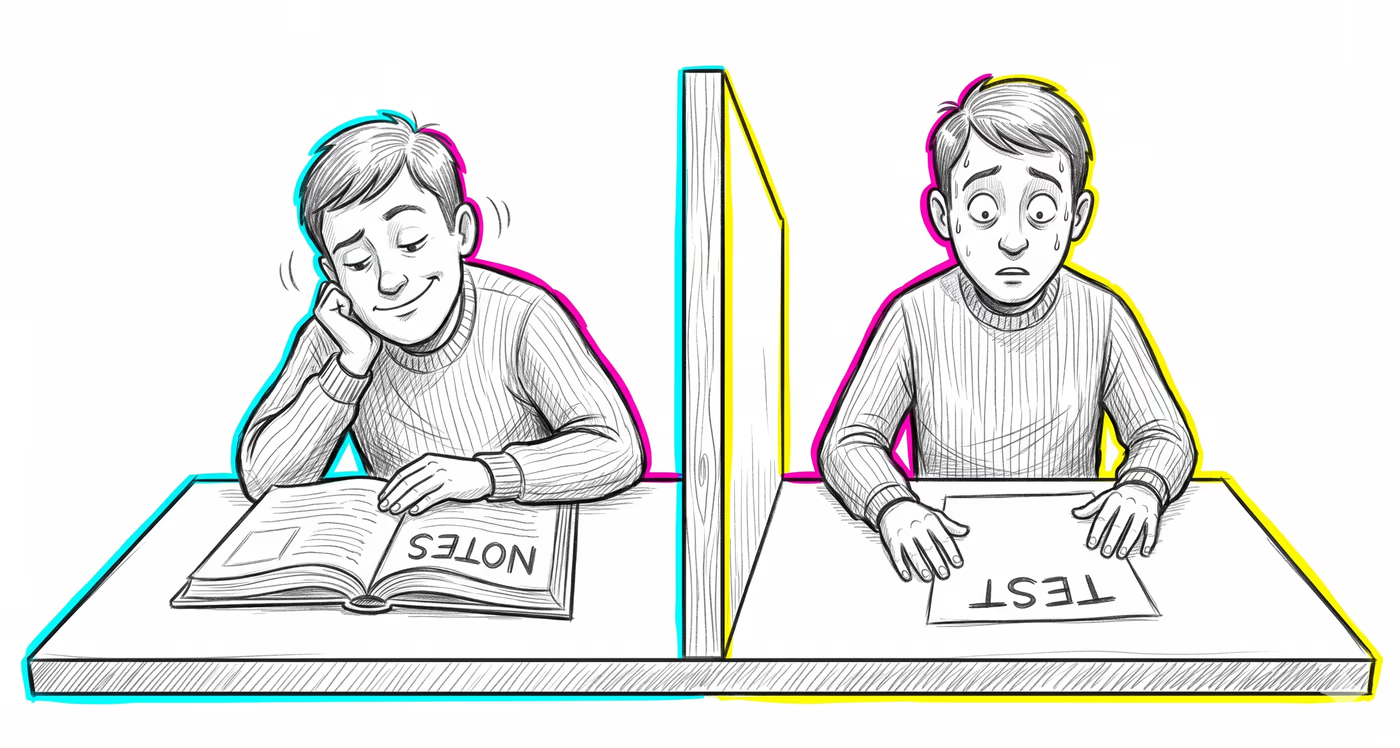
The same glitch looks different depending on the terrain. Finance, medicine, a
relationship, a team — same mechanism, different costume.
Finance & investing
Investors and analysts tend to set confidence intervals that are too narrow for difficult-to-predict volatile assets while being slightly too conservative on stable, well-understood instruments, leading to systematic miscalibration in risk models and portfolio allocation.
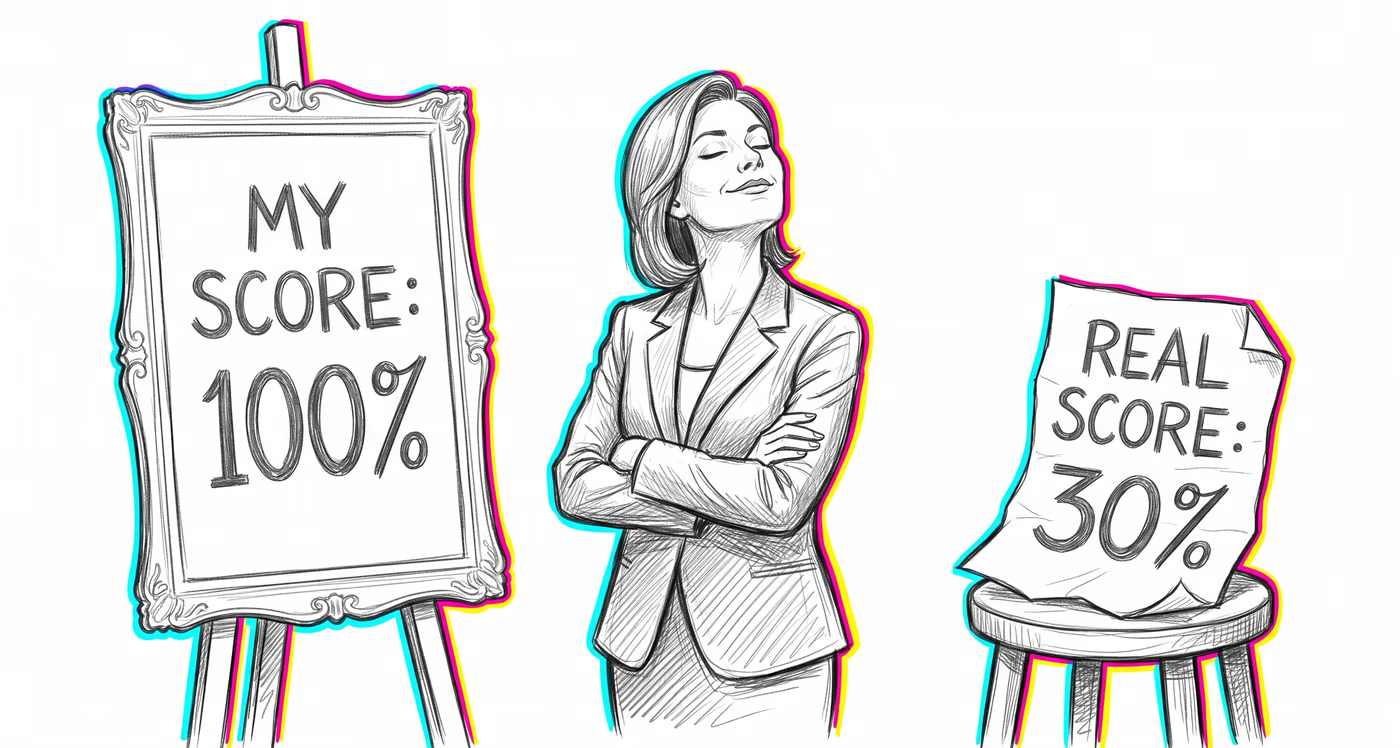
Medicine & diagnosis
Clinicians may express similar confidence levels when diagnosing rare, ambiguous conditions and common, straightforward ones, leading to under-preparation for complex differential diagnoses and occasionally unnecessary caution on textbook presentations.
Education & grading
Students allocate similar study time across easy and hard material because their confidence doesn't accurately track difficulty, resulting in over-studying easy topics and under-preparing for challenging ones, which distorts exam performance.
Relationships
People may feel equally confident in their ability to navigate a minor scheduling conflict and a deeply entrenched values disagreement with a partner, leading them to under-prepare emotionally for difficult conversations while overthinking trivial ones.
Tech & product
Developers estimate similar completion times for complex and simple features because confidence in their ability doesn't adjust enough for difficulty, leading to chronic underestimation of hard tasks and padding of easy ones in sprint planning.
Workplace & hiring
Employees express similar confidence in delivering both routine reports and novel strategic analyses, leading managers to misallocate support resources and misjudge which projects need closer oversight.
Politics Media
Pundits and forecasters express similar confidence in predicting both obvious electoral outcomes and genuinely uncertain races, making their predictions appear equally credible when they should carry very different uncertainty weights.