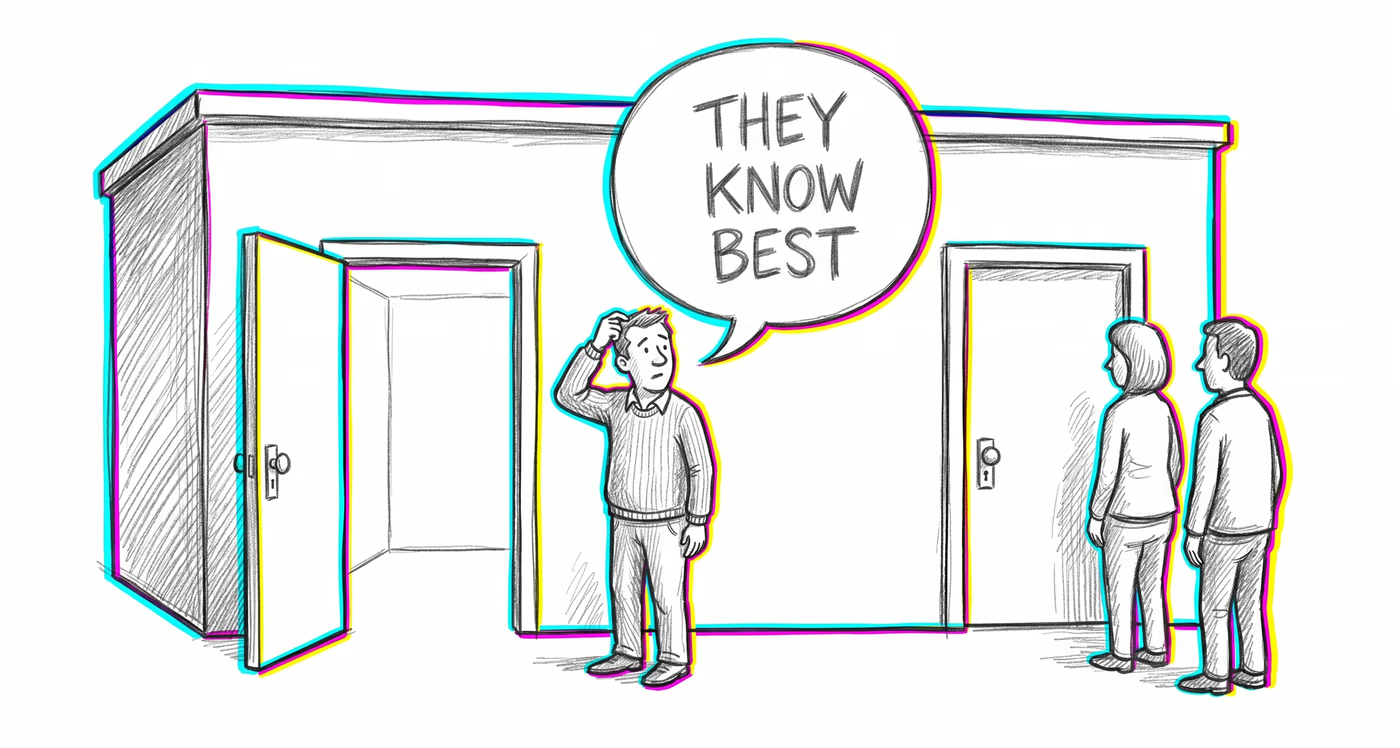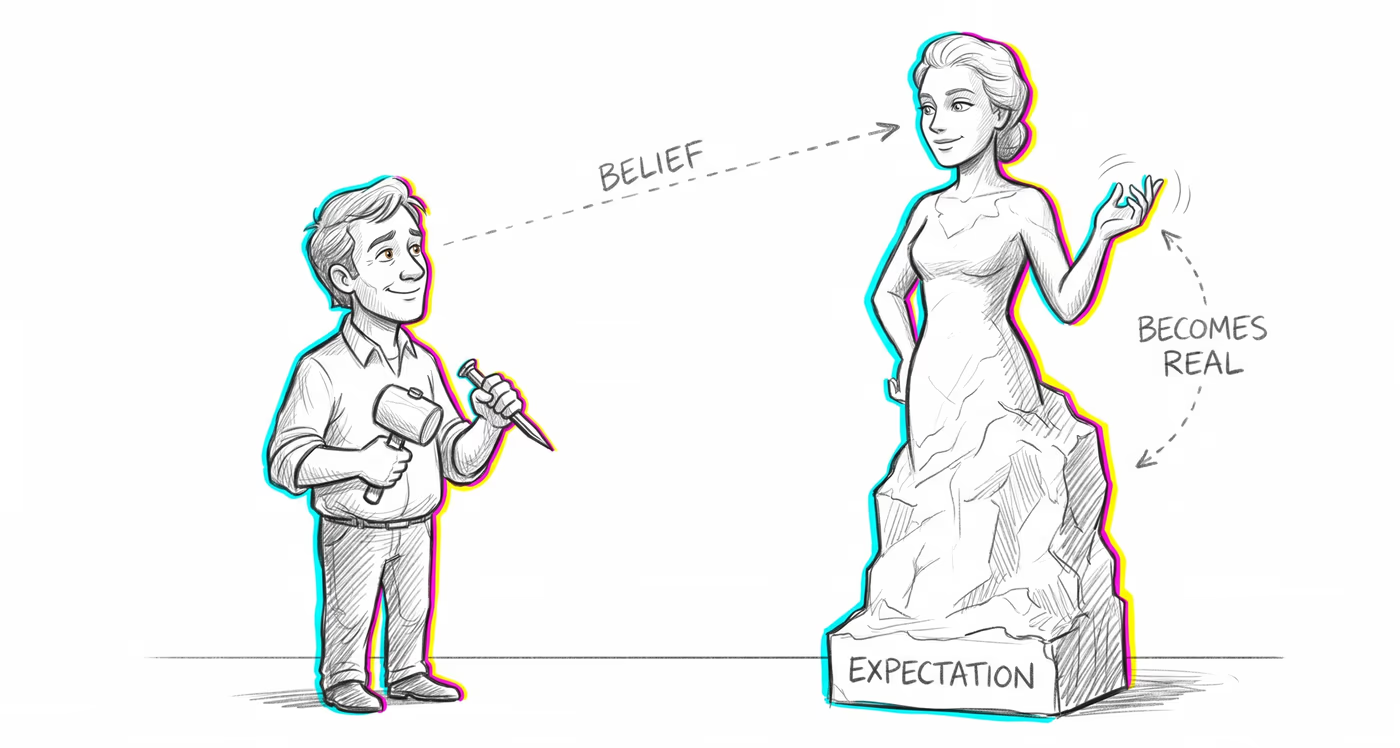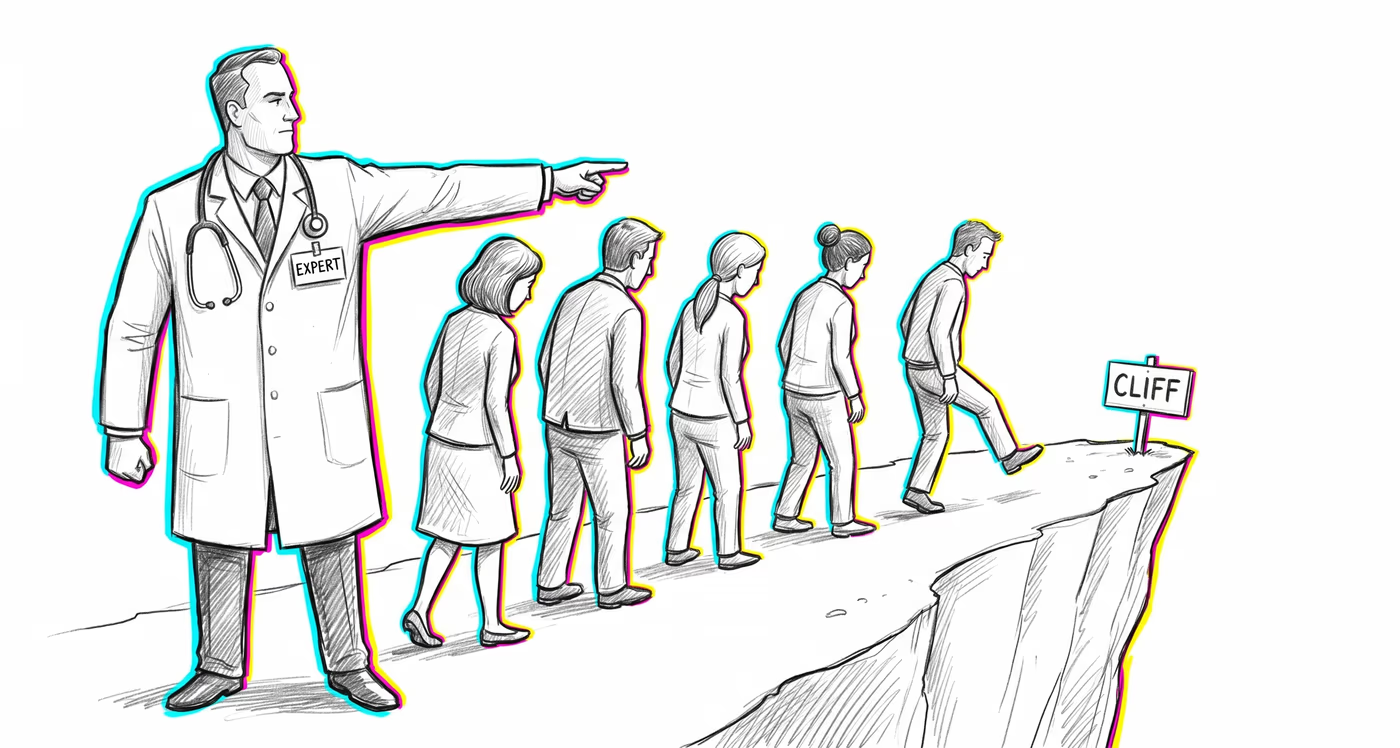
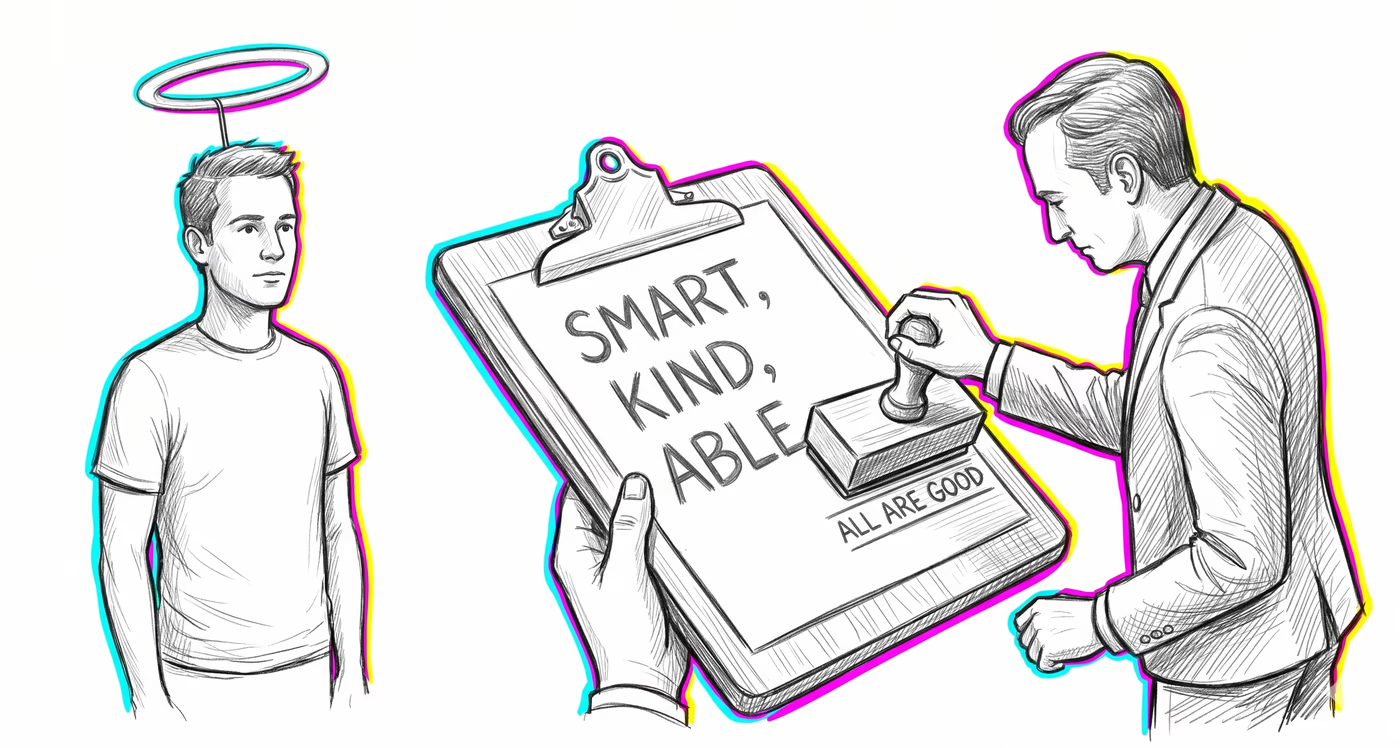
The same glitch looks different depending on the terrain. Finance, medicine, a
relationship, a team — same mechanism, different costume.
Finance & investing
Investors disproportionately follow recommendations from analysts at prestigious banks or well-known fund managers, even when track records show mediocre performance. The title and institutional affiliation of the advisor override critical evaluation of their actual predictive accuracy.
Medicine & diagnosis
Patients and junior clinicians defer to senior physicians' diagnoses without questioning, even when symptoms or test results suggest an alternative. Nurses may hesitate to challenge a doctor's prescription error due to the perceived authority gap, contributing to preventable medical mistakes.
Education & grading
Students accept information from teachers without critical evaluation, and teachers themselves may uncritically adopt curriculum recommendations from educational authorities or textbook publishers. A professor's claim in a lecture is rarely fact-checked by students, even when it contradicts their own reading.
Relationships
People defer to a partner, parent, or elder family member's judgment on major life decisions—such as career choices or finances—not because the advice is sound but because the person holds a position of familial authority. This can suppress individual autonomy and create resentment over time.
Tech & product
Users trust product recommendations, privacy policies, and interface decisions from well-known tech companies without scrutiny. Designers leverage authority cues—such as 'recommended by experts' badges, doctor endorsements, or institutional logos—to increase conversion rates and reduce user skepticism.
Workplace & hiring
Employees follow directives from senior leadership without pushback, even when they see flaws in the strategy. In performance reviews, feedback from a manager is weighted far more heavily than peer feedback, regardless of who has more direct observational knowledge of the employee's work.
Politics Media
Voters and media consumers give outsized credibility to political figures, pundits, or commentators based on their title or platform rather than the substance of their arguments. A former president's claim carries persuasive weight irrespective of factual accuracy, and expert panels on television shape public opinion through perceived authority rather than evidence quality.