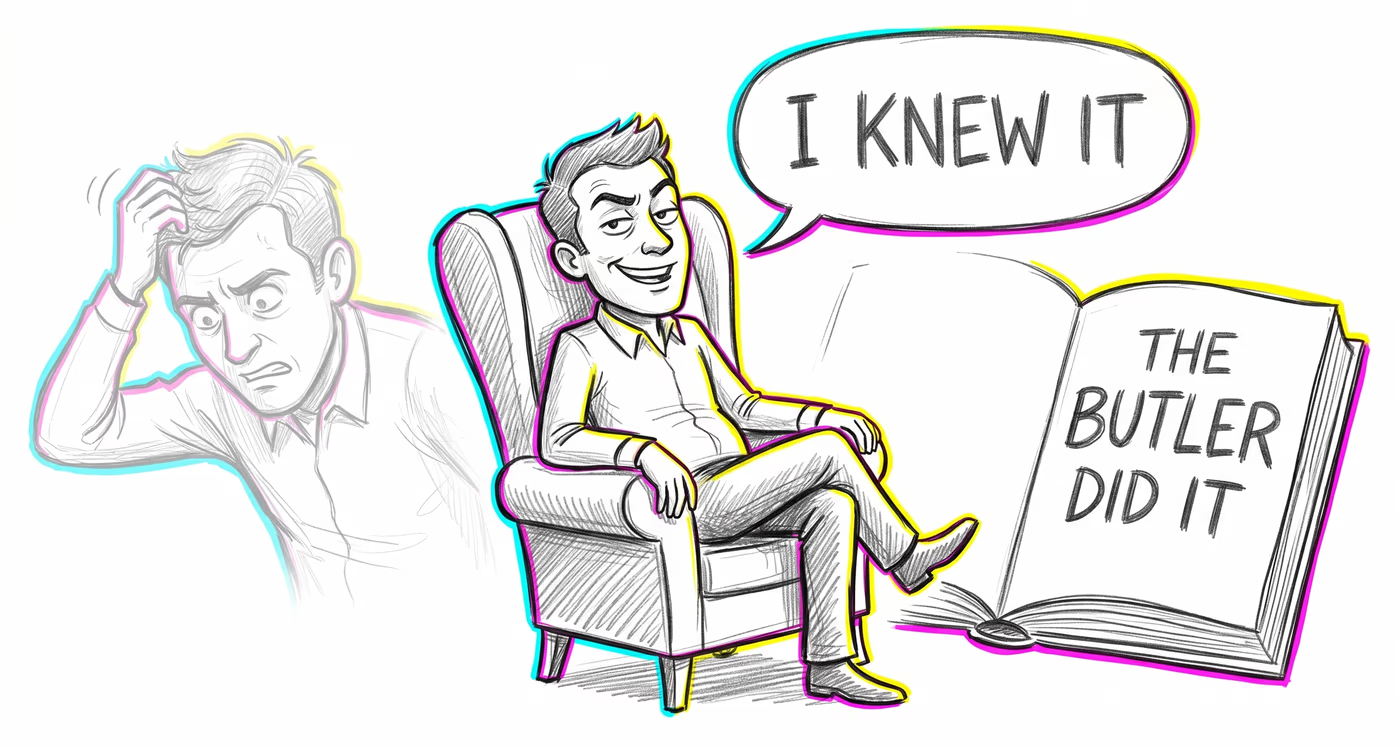
The same glitch looks different depending on the terrain. Finance, medicine, a
relationship, a team — same mechanism, different costume.
Finance & investing
Fund managers and stock analysts construct elaborate narratives from market data, developing strong confidence in their predictions. Studies show that most active fund managers perform no better than chance over extended periods, yet both they and their firms maintain conviction in the skill behind their predictions. Redundant financial indicators that move together inflate subjective confidence without improving actual forecast accuracy.
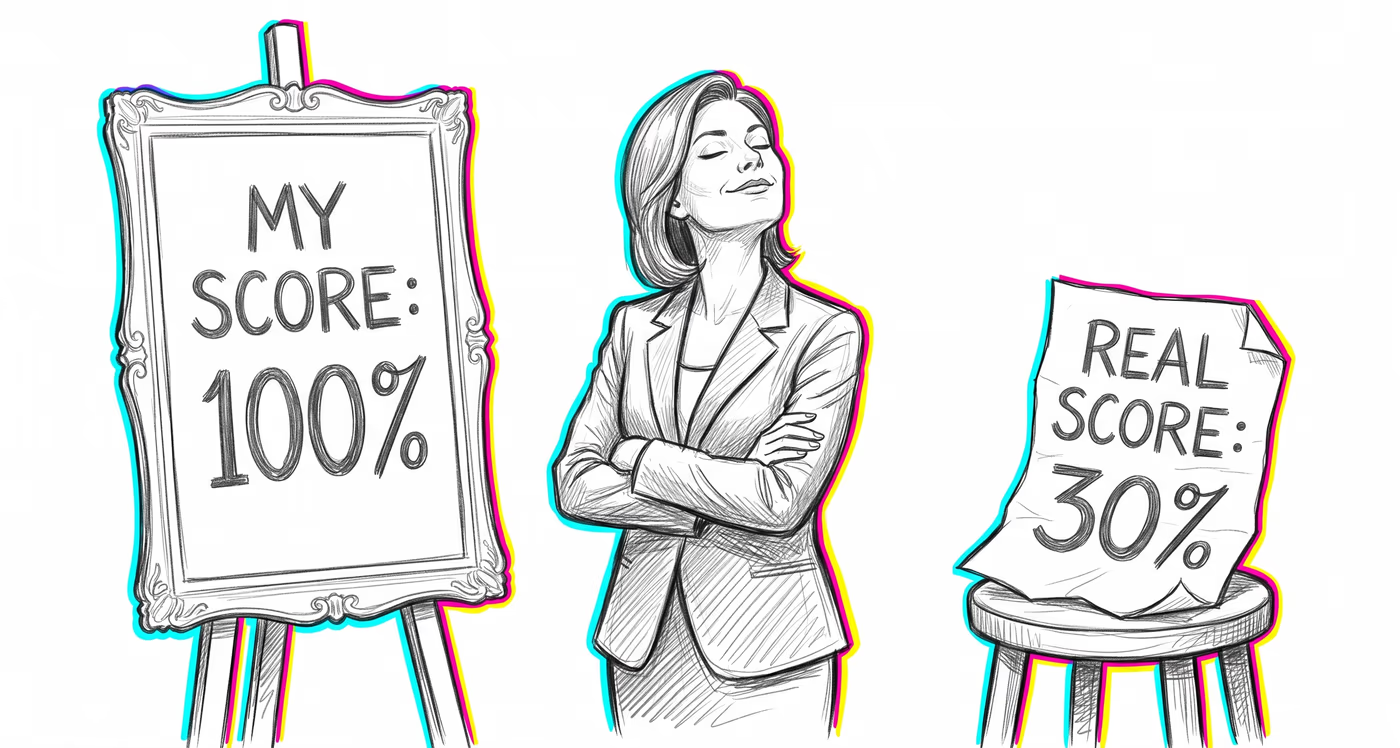
Medicine & diagnosis
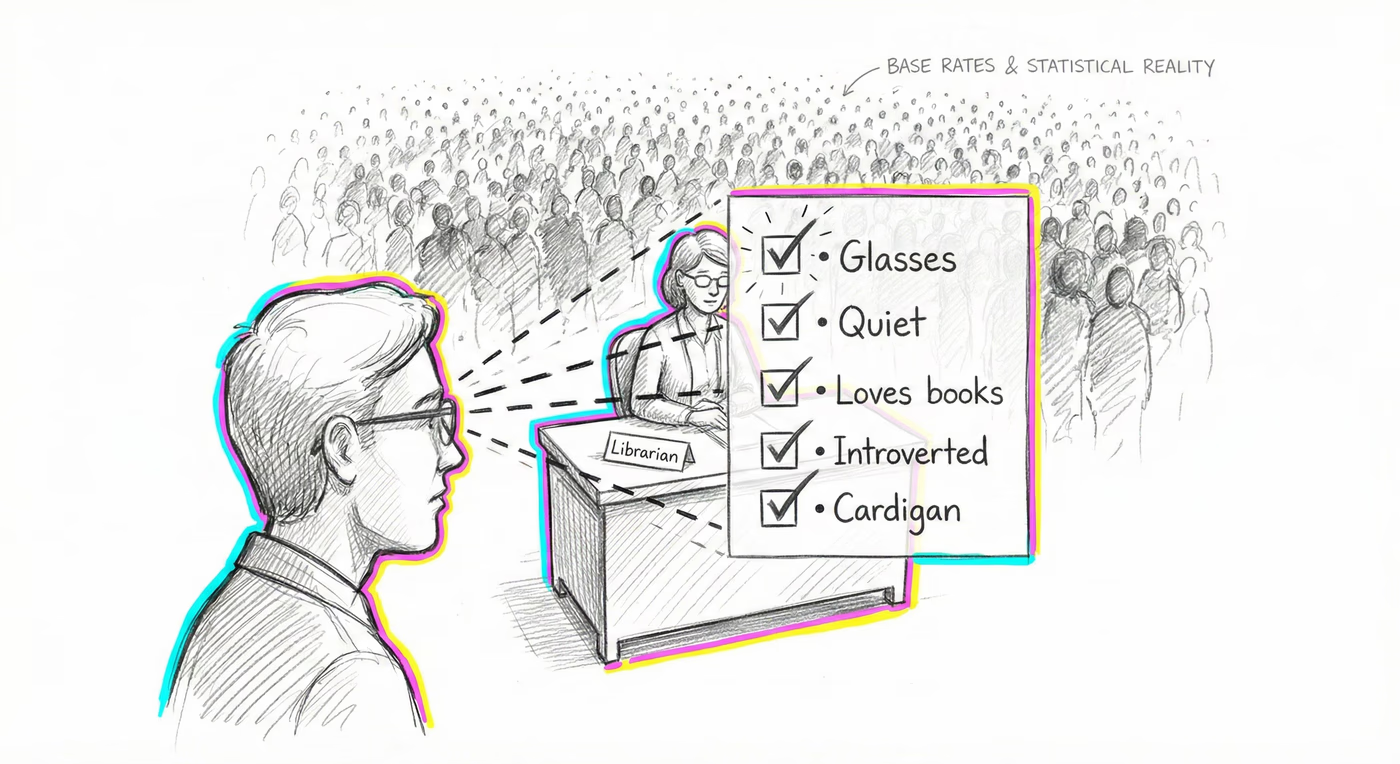
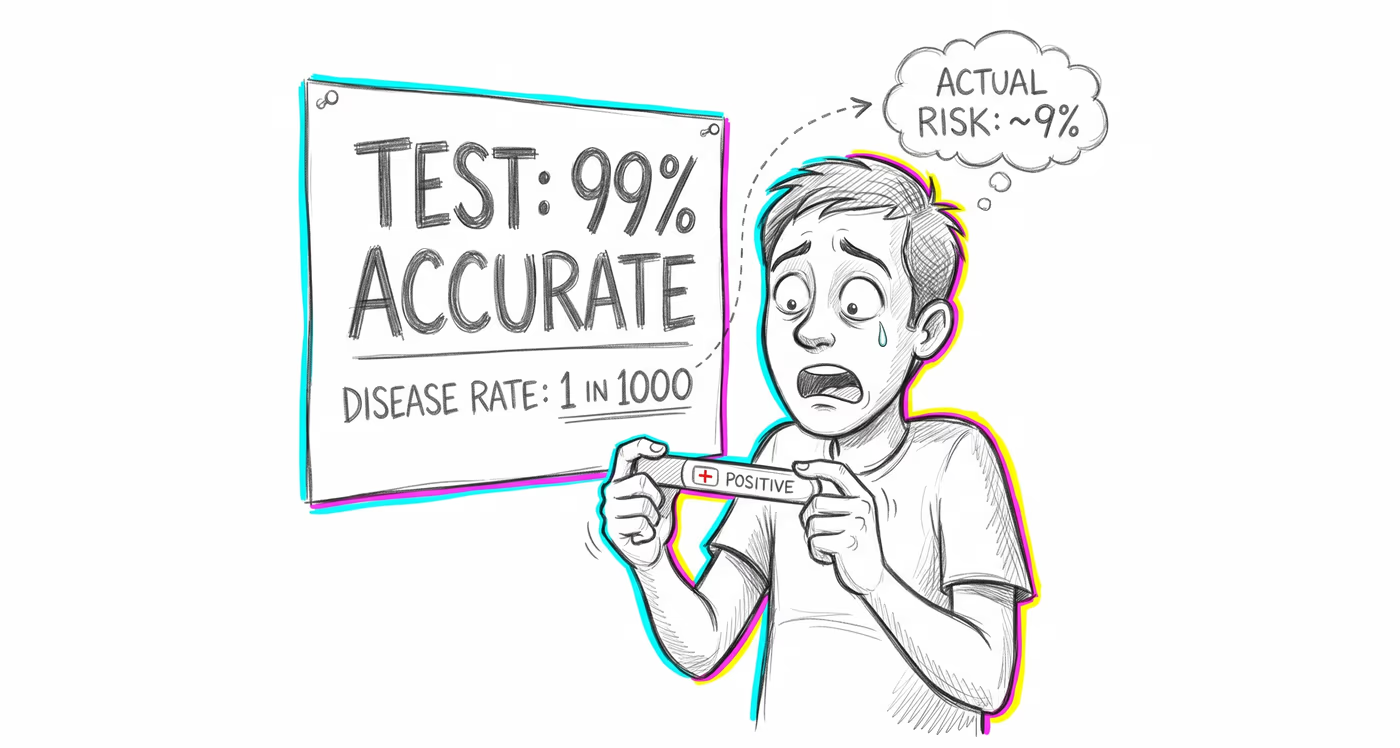
Clinicians often develop high diagnostic confidence when a patient's symptoms, history, and test results form a coherent clinical picture. This confidence may persist even when the condition's base rate is extremely low, leading to overdiagnosis. Additionally, more clinical information tends to increase confidence without proportionally increasing diagnostic accuracy.
Education & grading
Teachers and admissions officers develop strong predictions about student success based on application materials, grades, and interviews that form a consistent narrative. Research shows that standardized test scores and interview impressions are weaker predictors of academic success than typically assumed, yet the coherent story these data points tell sustains high confidence in selection decisions.
Relationships
People form strong first impressions of potential partners based on consistent signals — attractive appearance, shared interests, charming conversation — and become overly confident that the relationship will succeed. The coherent narrative from early interactions creates a sense of certainty that obscures the many unpredictable factors determining long-term compatibility.
Tech & product
Product teams review user research data that forms a clean narrative about user needs and become overconfident in their design decisions. A/B tests frequently disprove confident predictions based on qualitative research, yet teams continue to trust their interpretive frameworks. ML engineers also exhibit this when clean-looking training metrics create overconfidence in model generalization to production data.
Workplace & hiring
Hiring managers conduct interviews and feel certain about a candidate because their answers, resume, and demeanor all tell a consistent story. Research consistently shows that unstructured interviews add little predictive validity beyond basic qualifications, yet interviewers maintain high confidence in their ability to identify top performers from the interview narrative.
Politics Media
Pundits assemble coherent narratives from polls, economic data, and political dynamics, generating confident predictions. When predictions fail, the same analysts quickly construct equally coherent post-hoc explanations. Media consumers trust these analysts because their reasoning sounds compelling, regardless of their actual prediction track record.