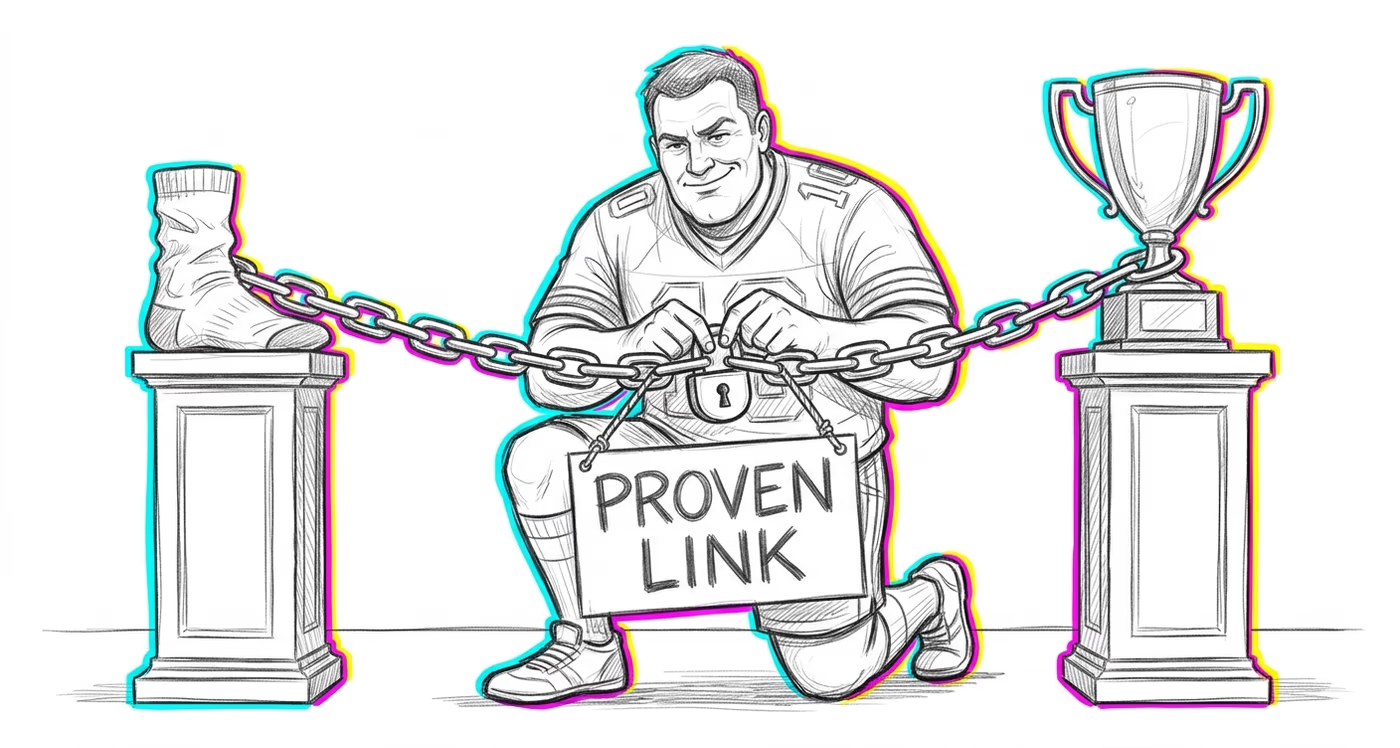
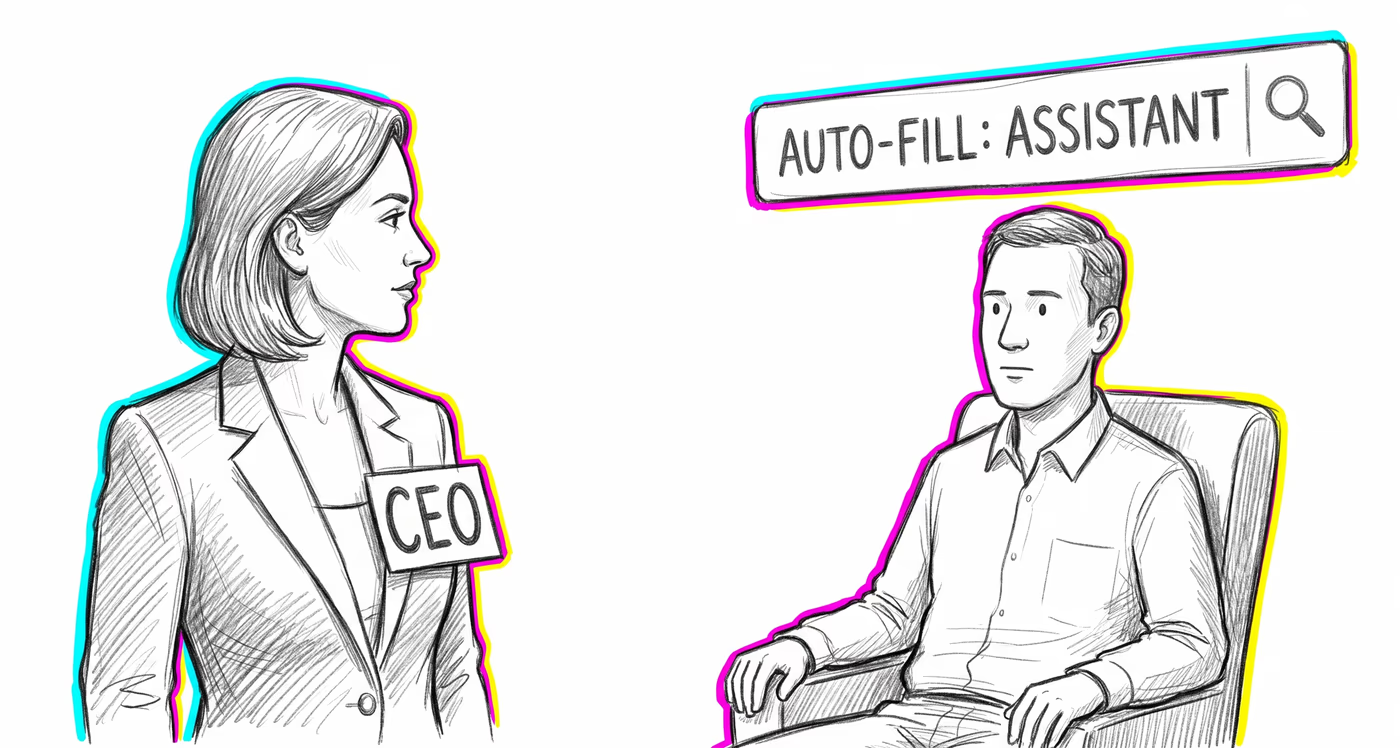
The same glitch looks different depending on the terrain. Finance, medicine, a
relationship, a team — same mechanism, different costume.
Finance & investing
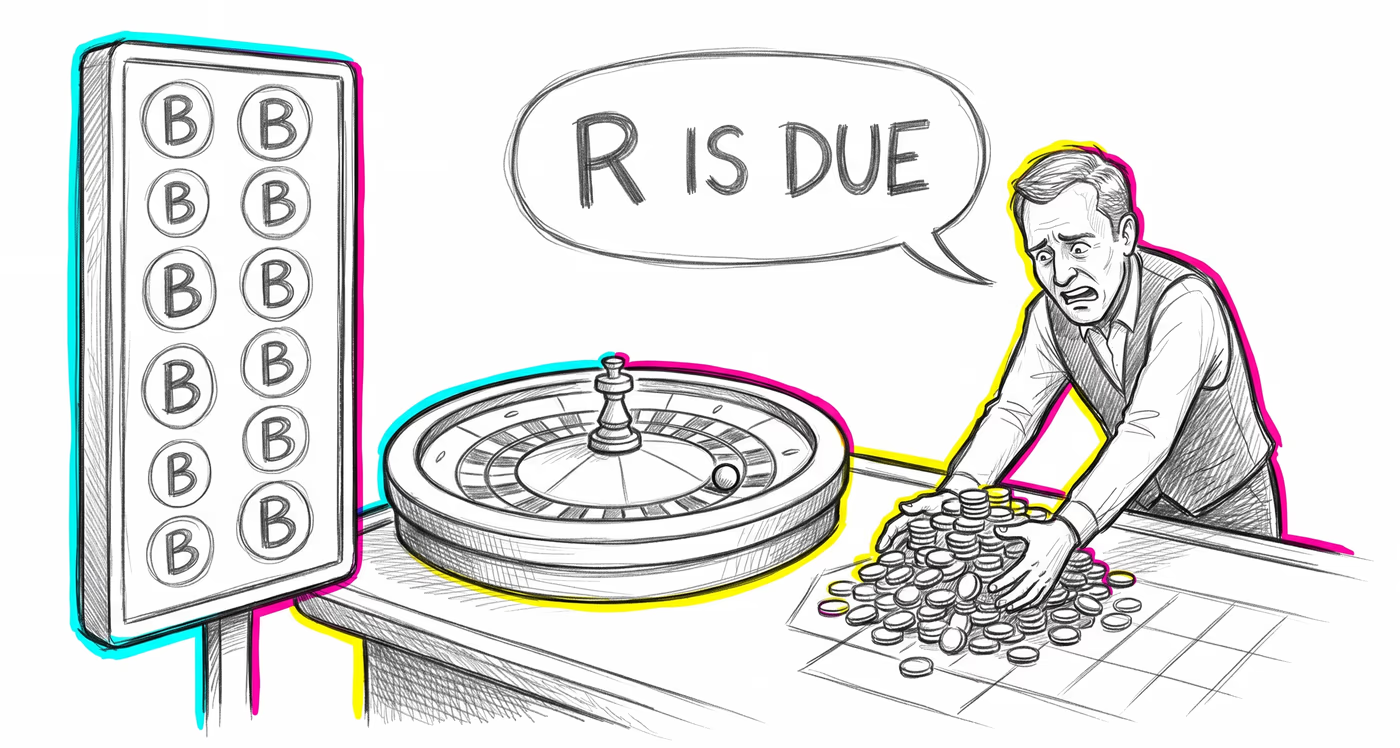
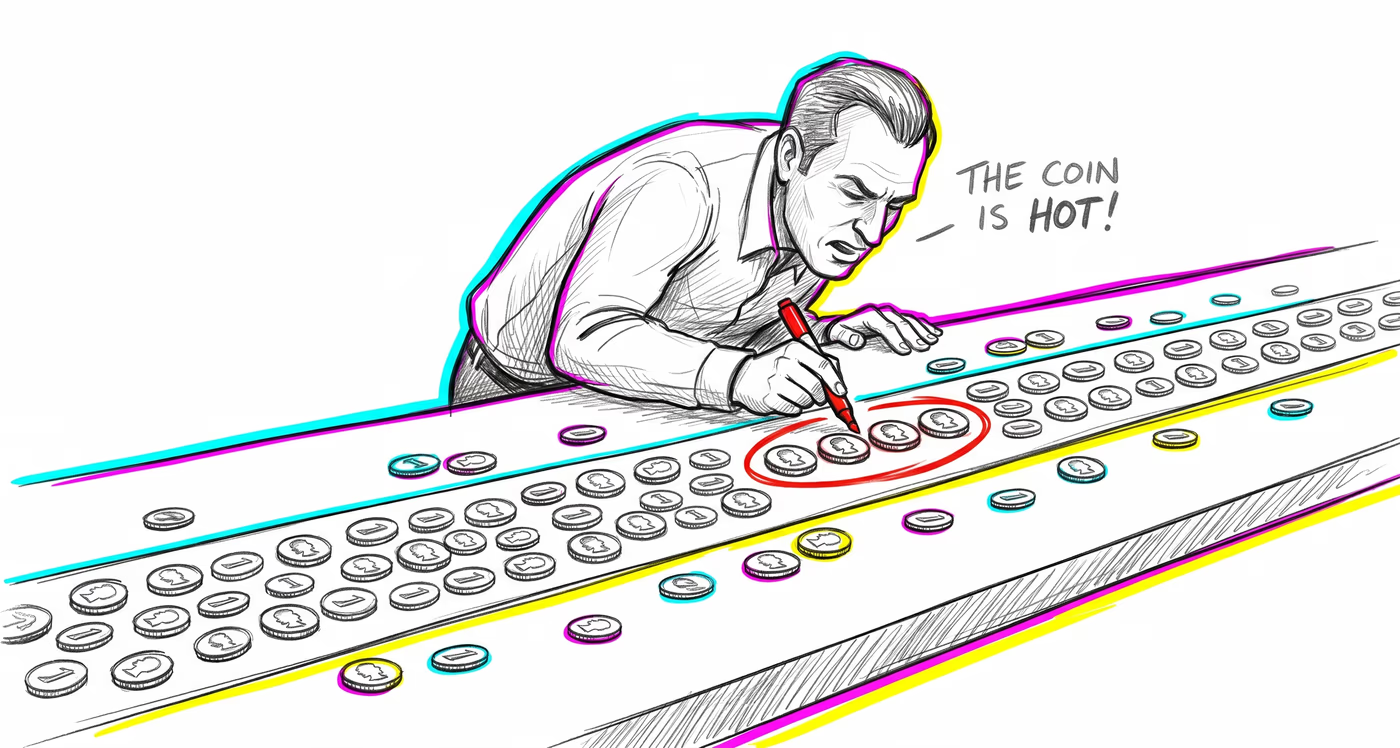
Investors tend to categorize stocks based on how closely a company's narrative resembles past successes or failures (e.g., 'the next Amazon'), leading them to ignore base rates of company survival, overweight vivid growth stories, and chase patterns in random market fluctuations as though they signal meaningful trends.
Medicine & diagnosis
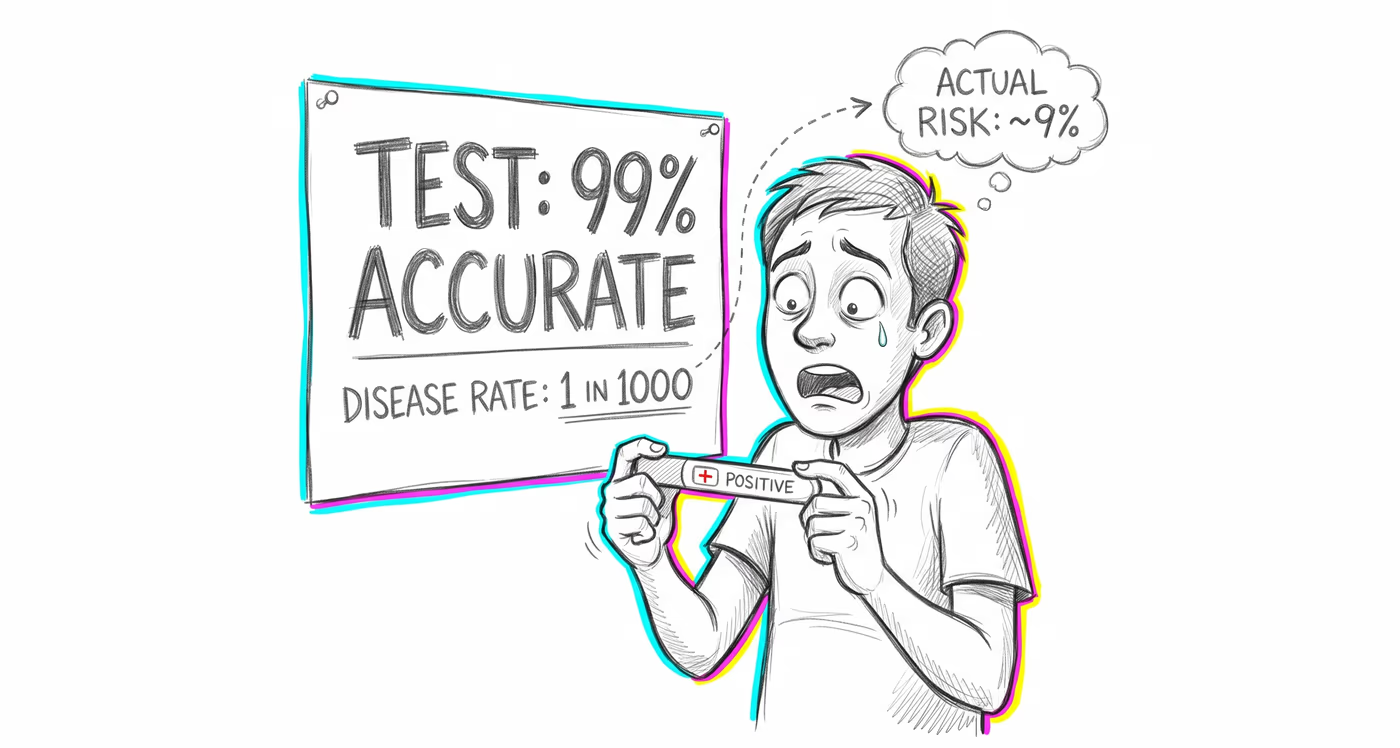
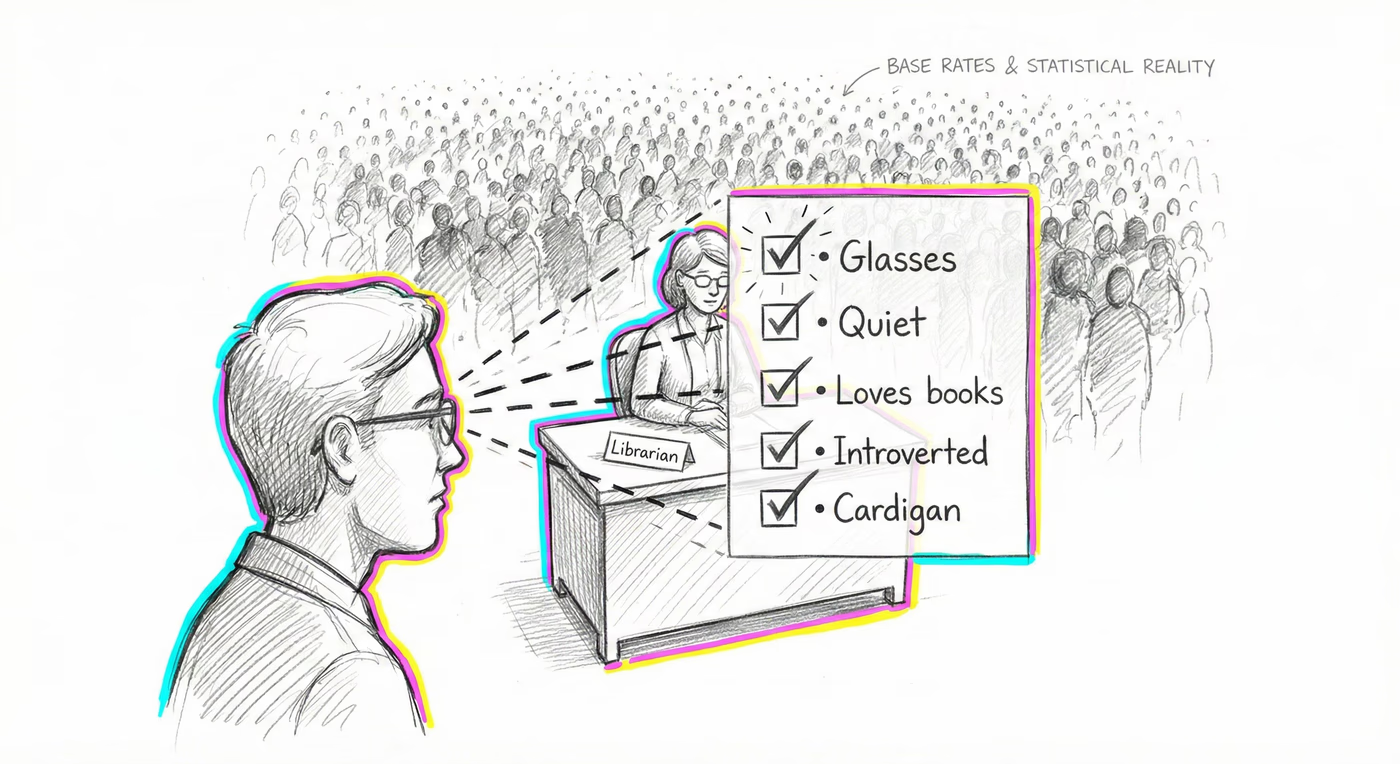
Clinicians may diagnose conditions based on how well a patient's symptoms match a textbook prototype of a disease, while underweighting the actual prevalence (base rate) of that disease in the patient's demographic — leading to overdiagnosis of rare but 'classic-looking' conditions and underdiagnosis of common but atypical presentations.
Education & grading
Teachers may form expectations about a student's academic potential based on how closely the student matches their prototype of a 'gifted student' (articulate, well-dressed, eager), leading them to overlook high-potential students who don't fit the stereotype and to overestimate students who do.
Relationships
People judge potential romantic partners by how well they match an idealized prototype — someone who 'looks like' the kind of person who would be a good partner — while ignoring statistical predictors of compatibility such as shared values, communication style, and life goals.
Tech & product
Product teams may assume a new feature will succeed because the user scenario 'looks like' a past success case, ignoring that the base rate of feature adoption is low and that surface-level similarity between scenarios does not guarantee comparable outcomes.
Workplace & hiring
Interviewers frequently judge candidates based on how closely they resemble the prototype of a successful employee in appearance, demeanor, and background, rather than weighting objective performance predictors — perpetuating homogeneity and overlooking high performers who don't fit the mold.
Politics Media
Voters and media consumers judge political candidates or policy proposals based on how closely they resemble prototypes of success or failure ('this feels like the lead-up to another recession'), rather than analyzing the actual statistical indicators and base rates of different outcomes.