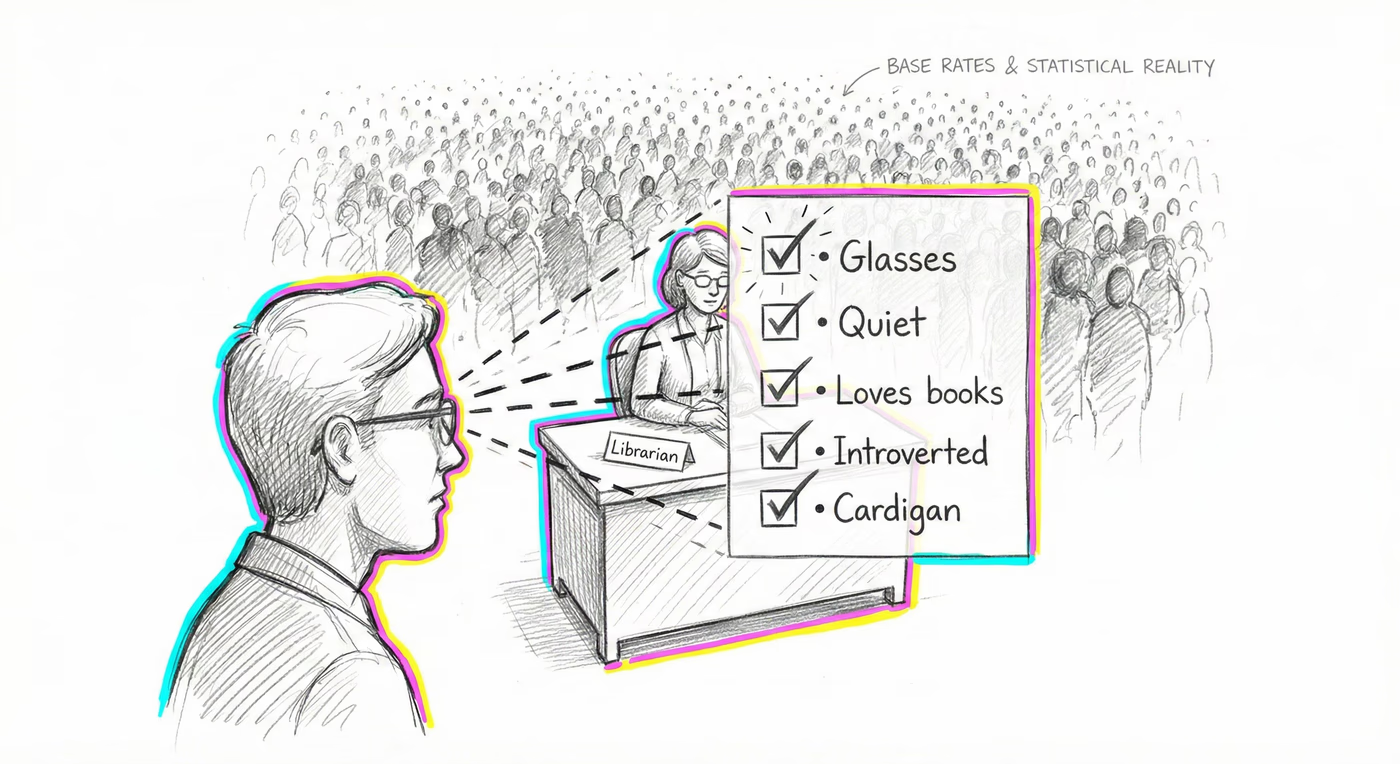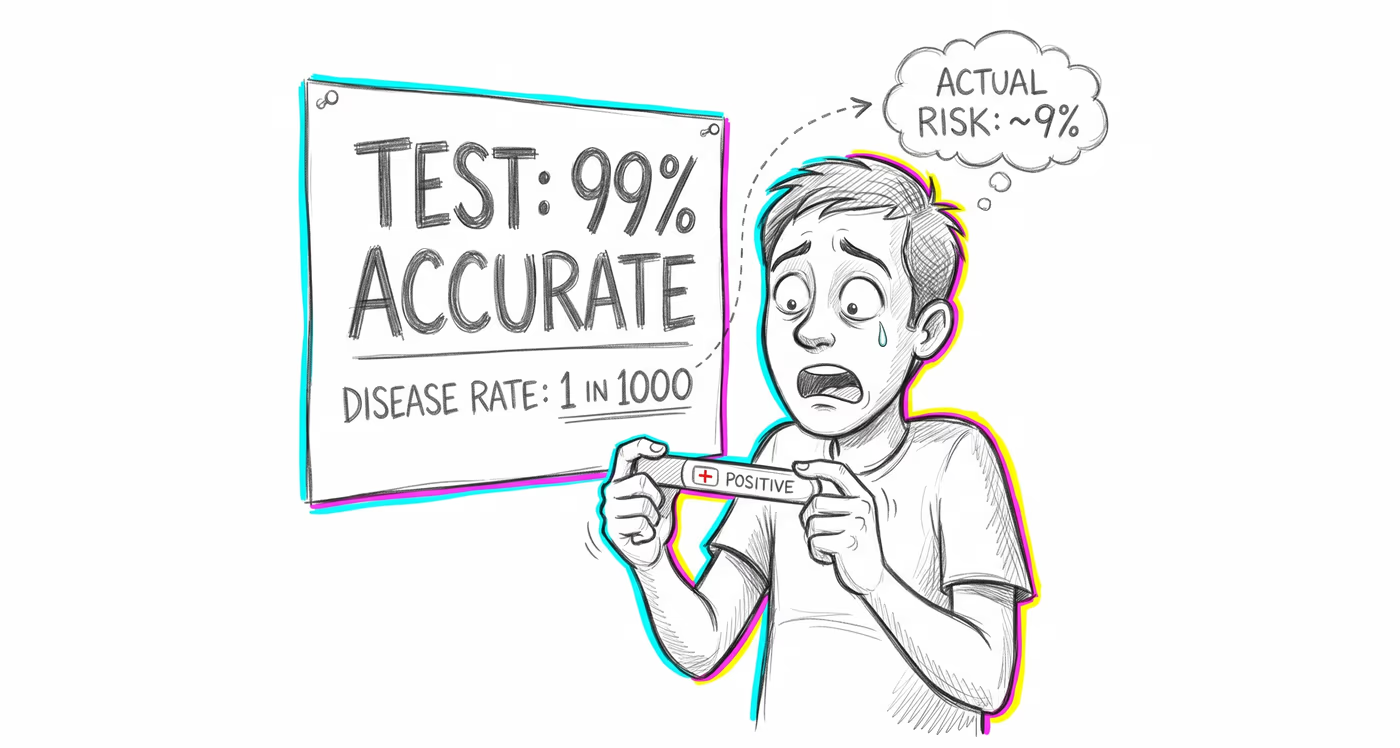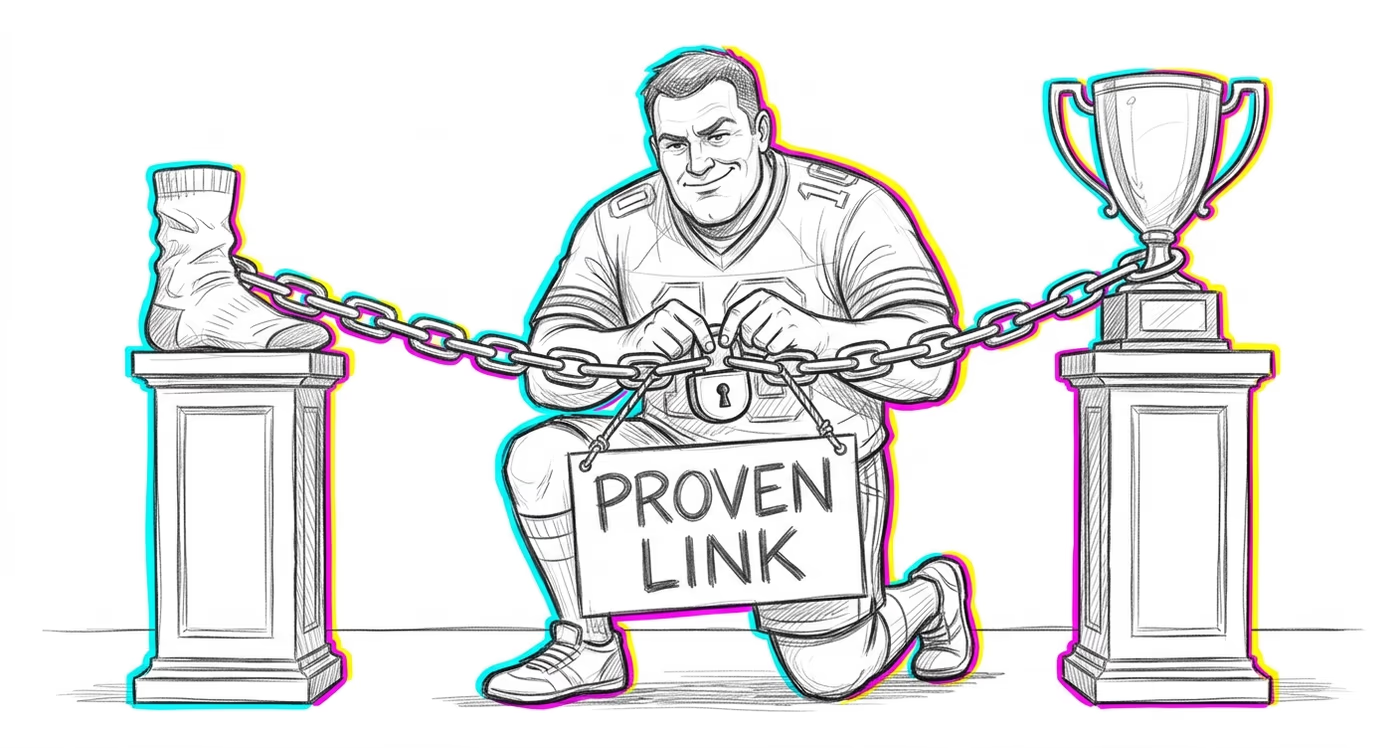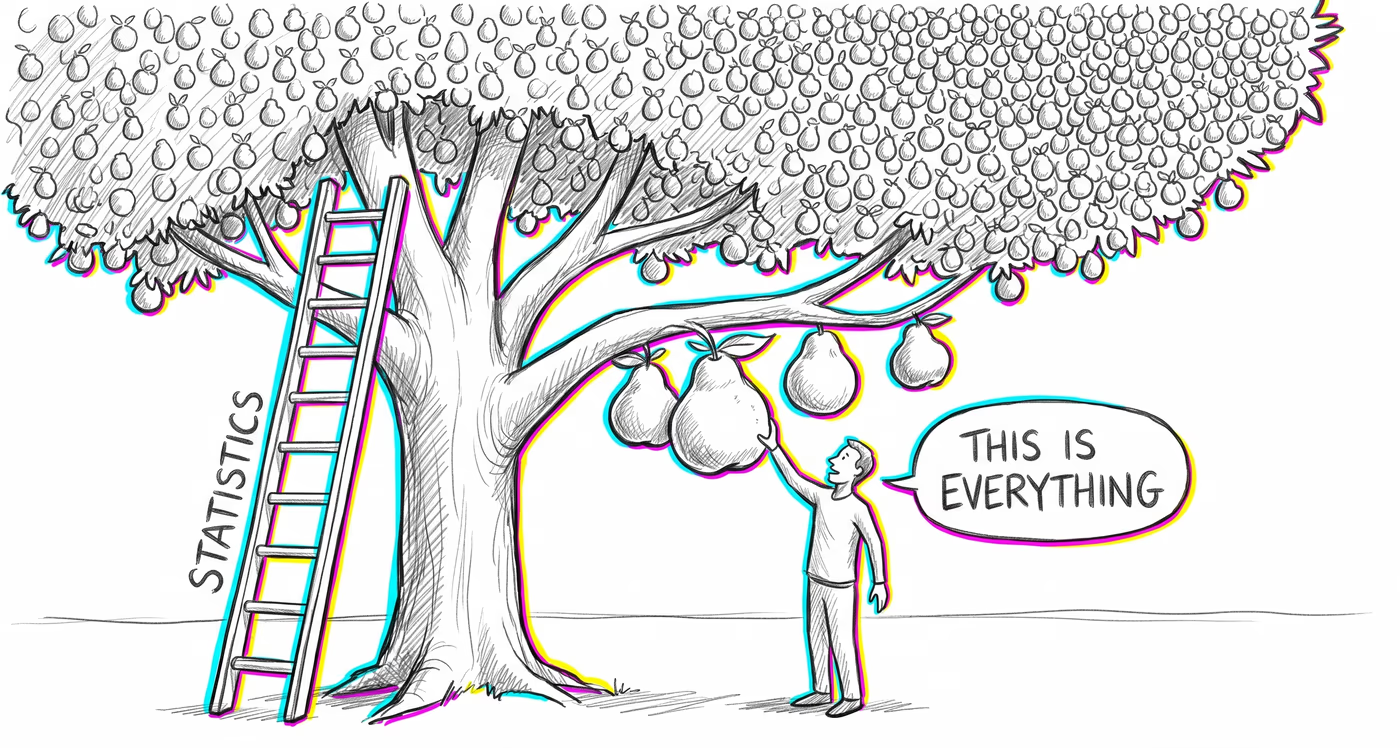
The same glitch looks different depending on the terrain. Finance, medicine, a
relationship, a team — same mechanism, different costume.
Finance & investing
Investors overweight recent market crashes or booms when estimating future risk, leading to panic selling after vivid downturns and exuberant buying after memorable rallies — regardless of long-term statistical trends or fundamentals.
Medicine & diagnosis
Clinicians tend to over-diagnose conditions they have recently encountered or read about in case reports, while under-diagnosing statistically more common conditions that lack vivid or recent exemplars in their clinical experience.
Education & grading
Teachers may overestimate the prevalence of behavioral problems in a classroom after dealing with one highly memorable disruptive incident, leading them to adopt unnecessarily strict policies for the entire class.
Relationships
People may overestimate the divorce rate or the frequency of infidelity because dramatic breakup stories from friends or media are more memorable than the millions of stable, unremarkable partnerships.
Tech & product
Product teams prioritize fixing bugs that generate vivid, emotional user complaints while neglecting more widespread but less dramatic usability issues that silently drive churn, because the angry emails are more cognitively available than dashboard metrics.
Workplace & hiring
Managers disproportionately weigh a single memorable mistake by an employee during annual reviews while overlooking months of consistent, solid performance — because the error is vivid and easily recalled.
Politics Media
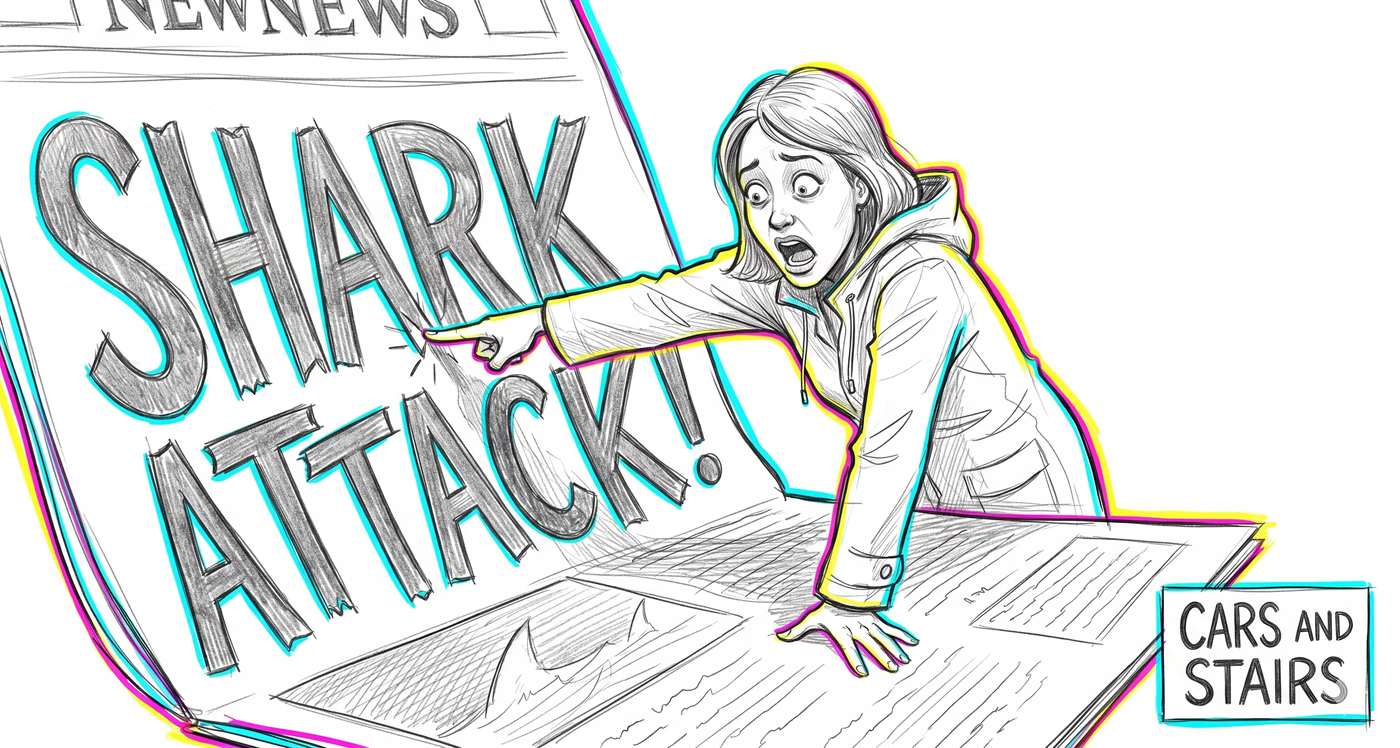
Sensational media coverage of terrorism, violent crime, or rare diseases causes the public to massively overestimate these risks and support disproportionate policy responses, while underfunding efforts against statistically far deadlier but less dramatic threats.