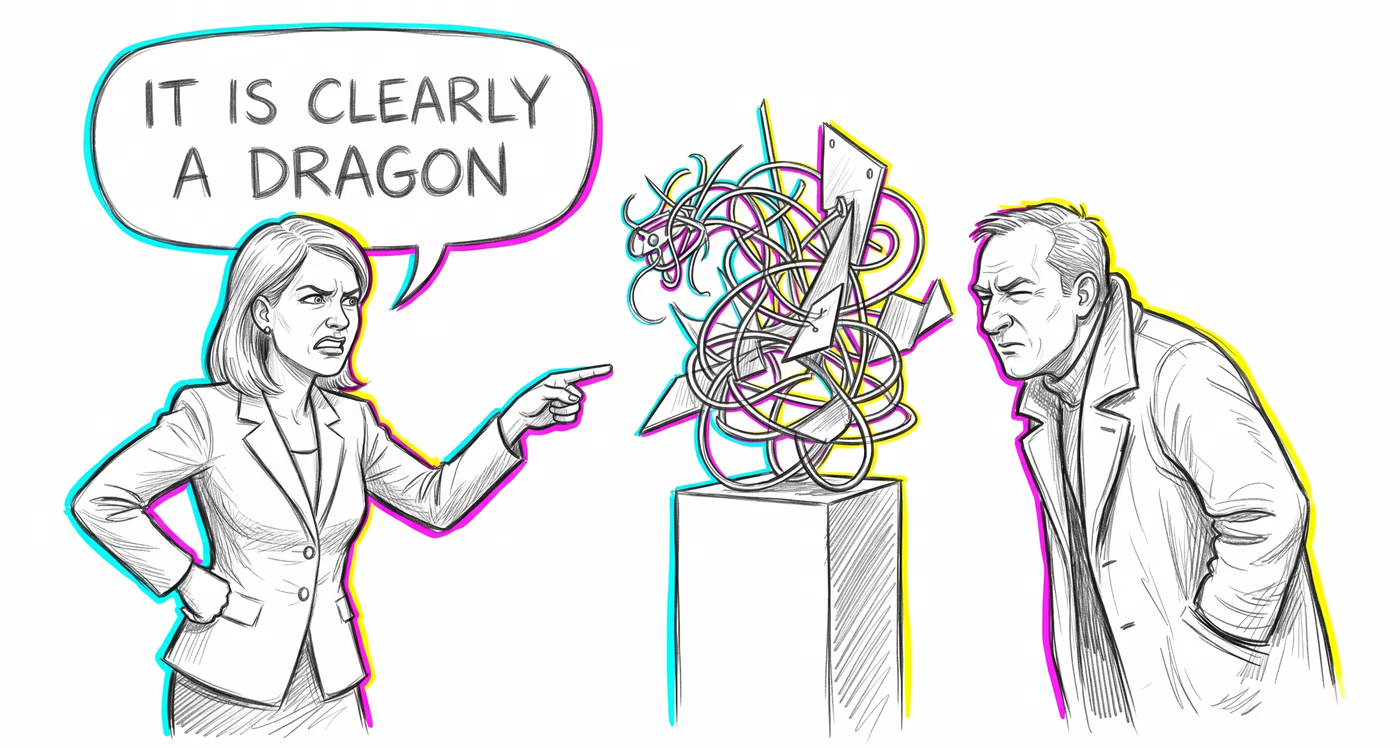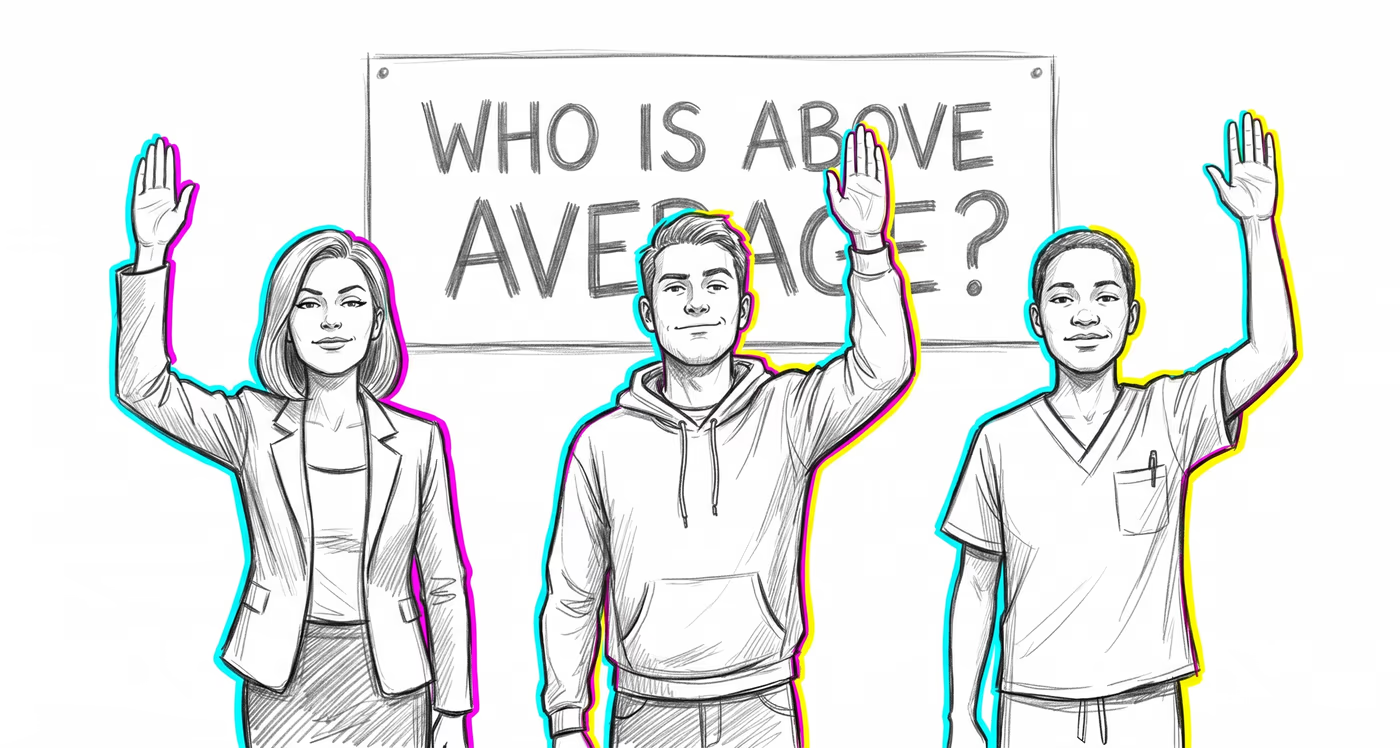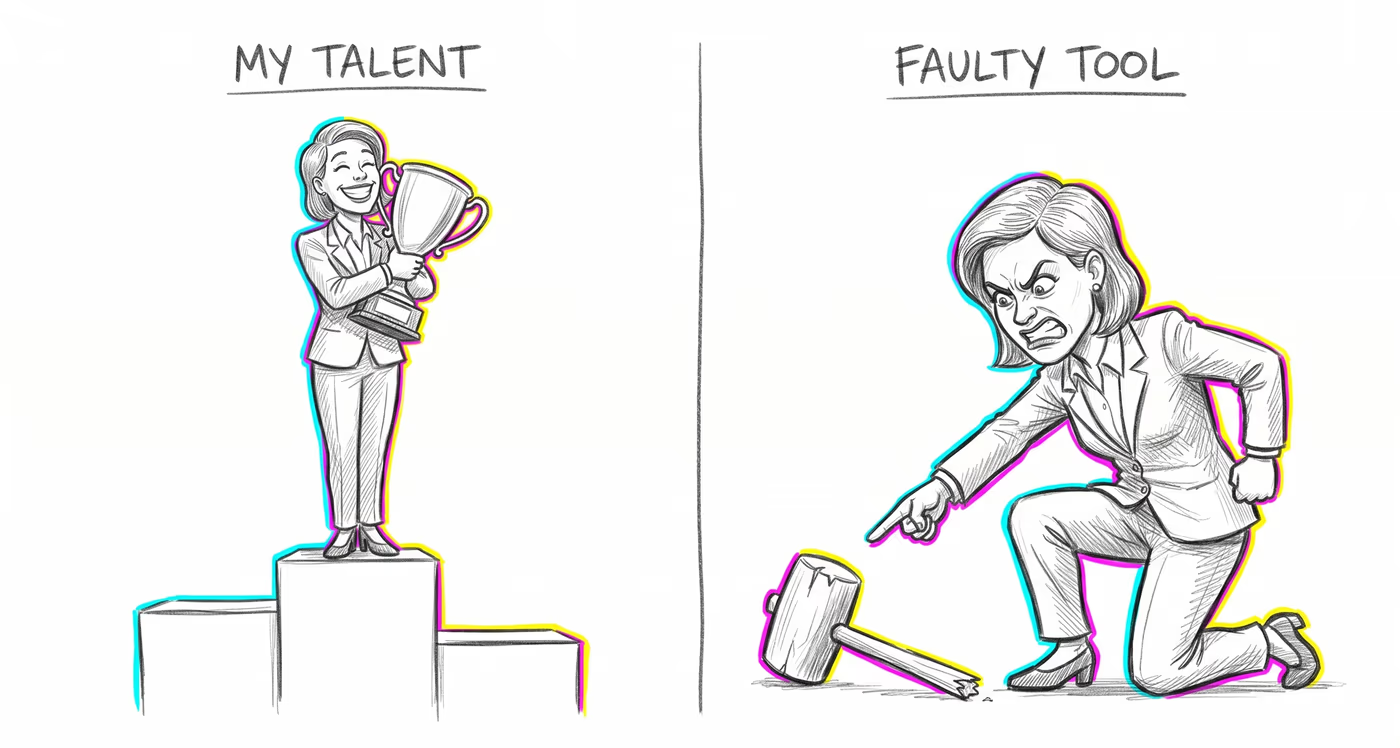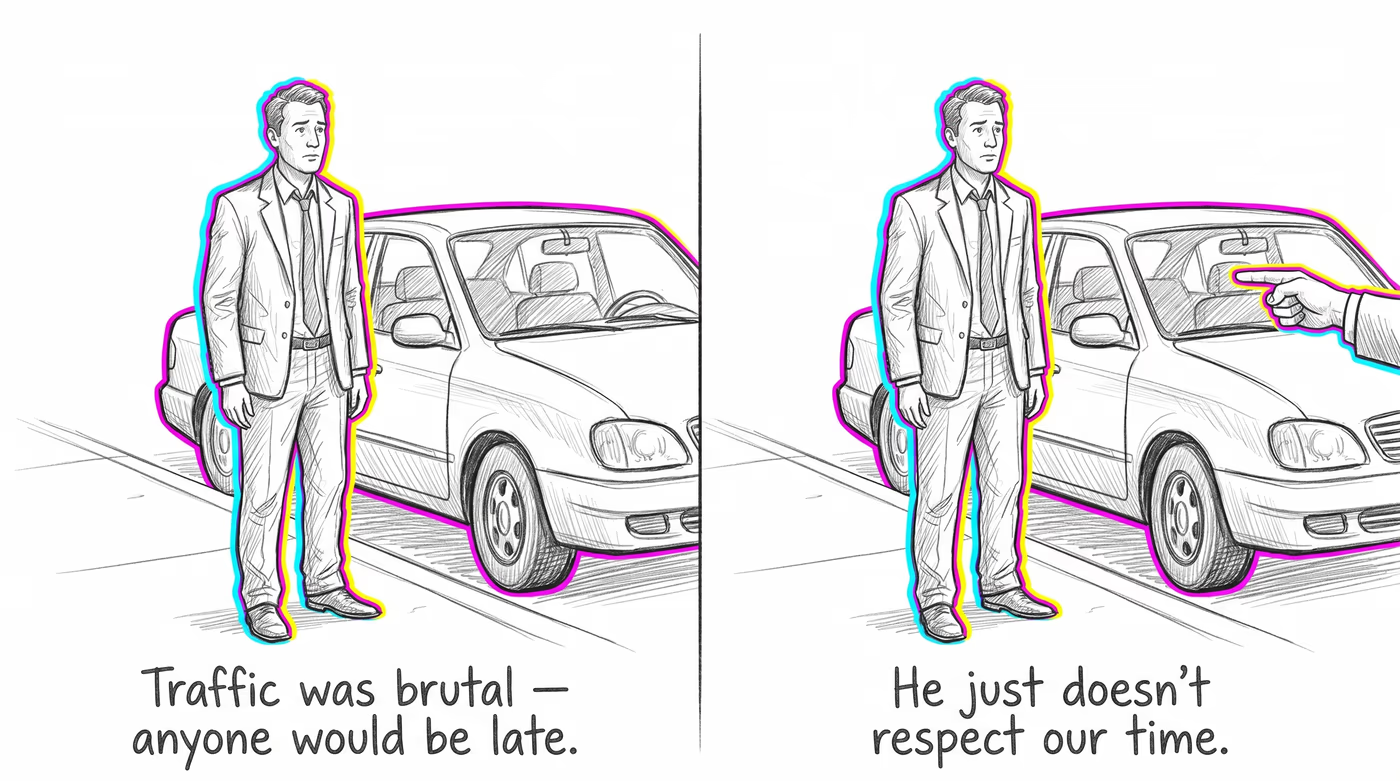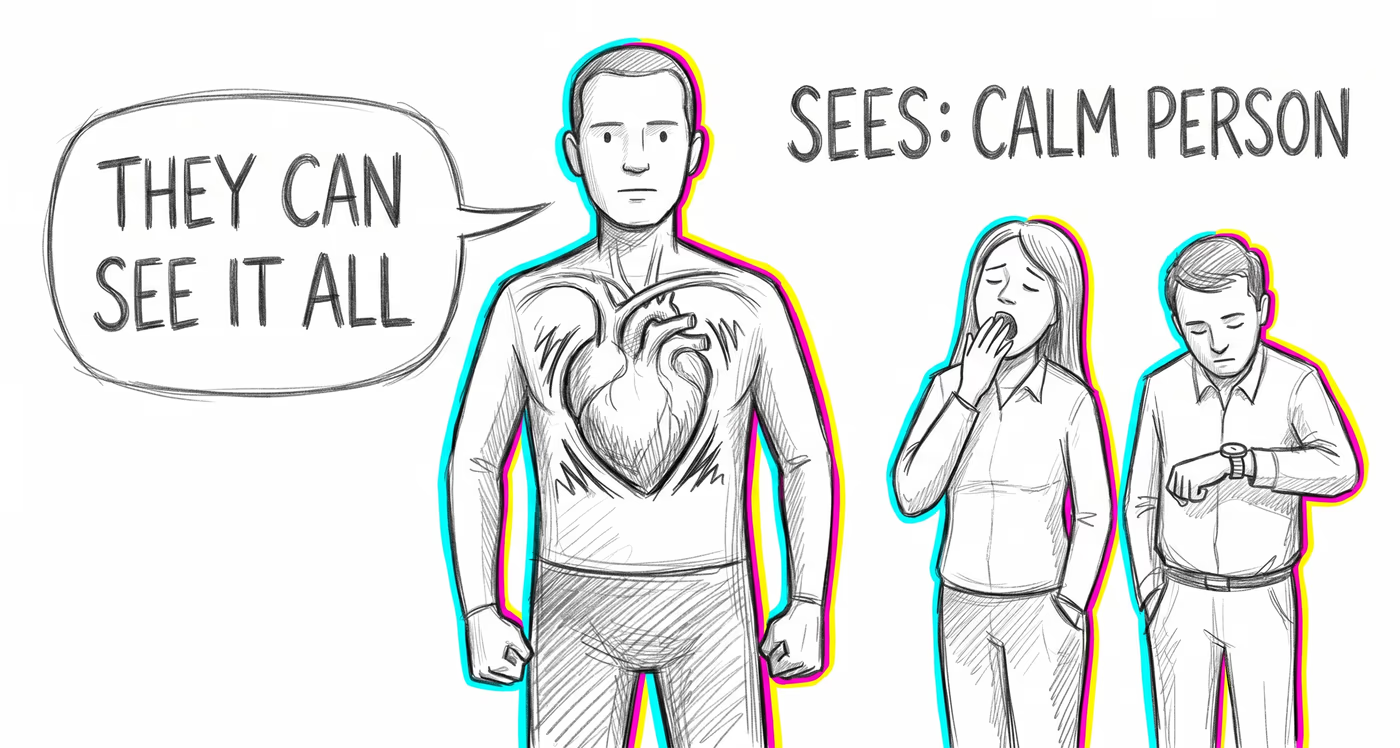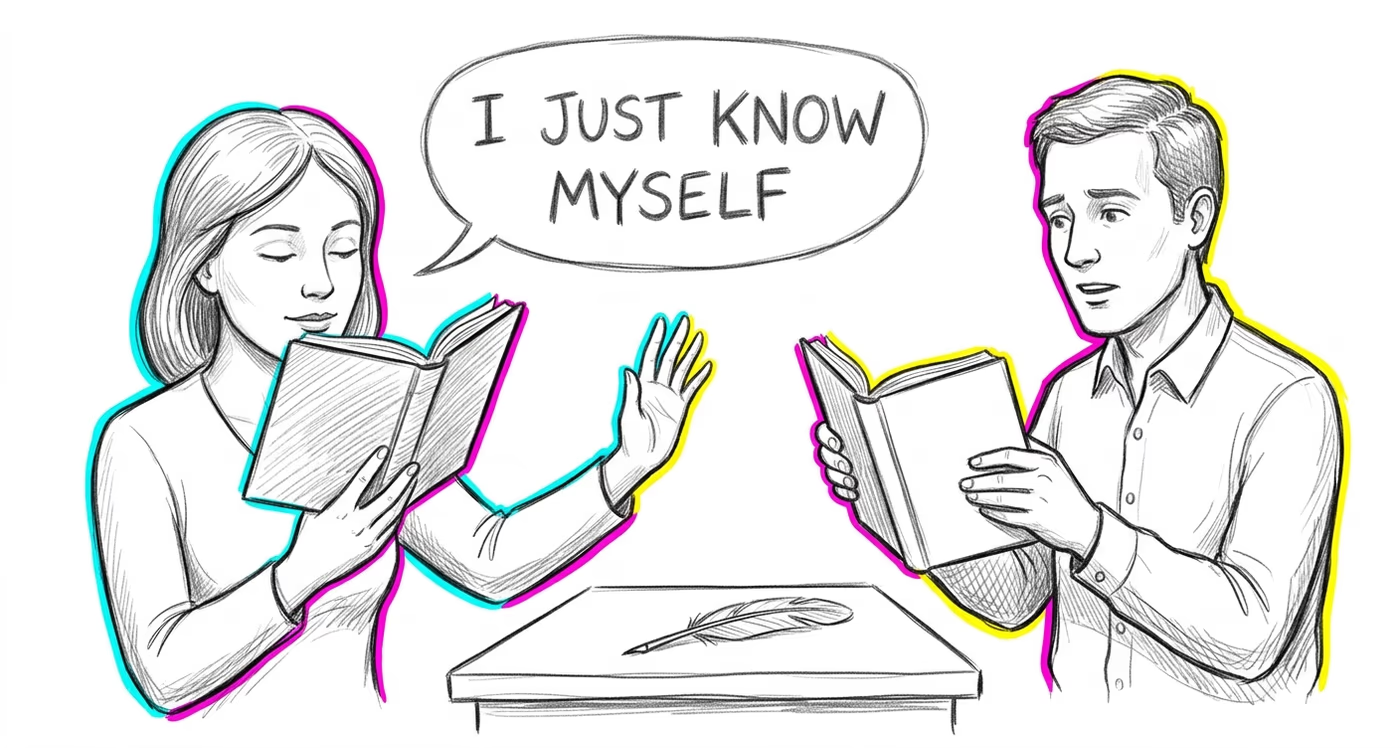
The same glitch looks different depending on the terrain. Finance, medicine, a
relationship, a team — same mechanism, different costume.
Finance & investing
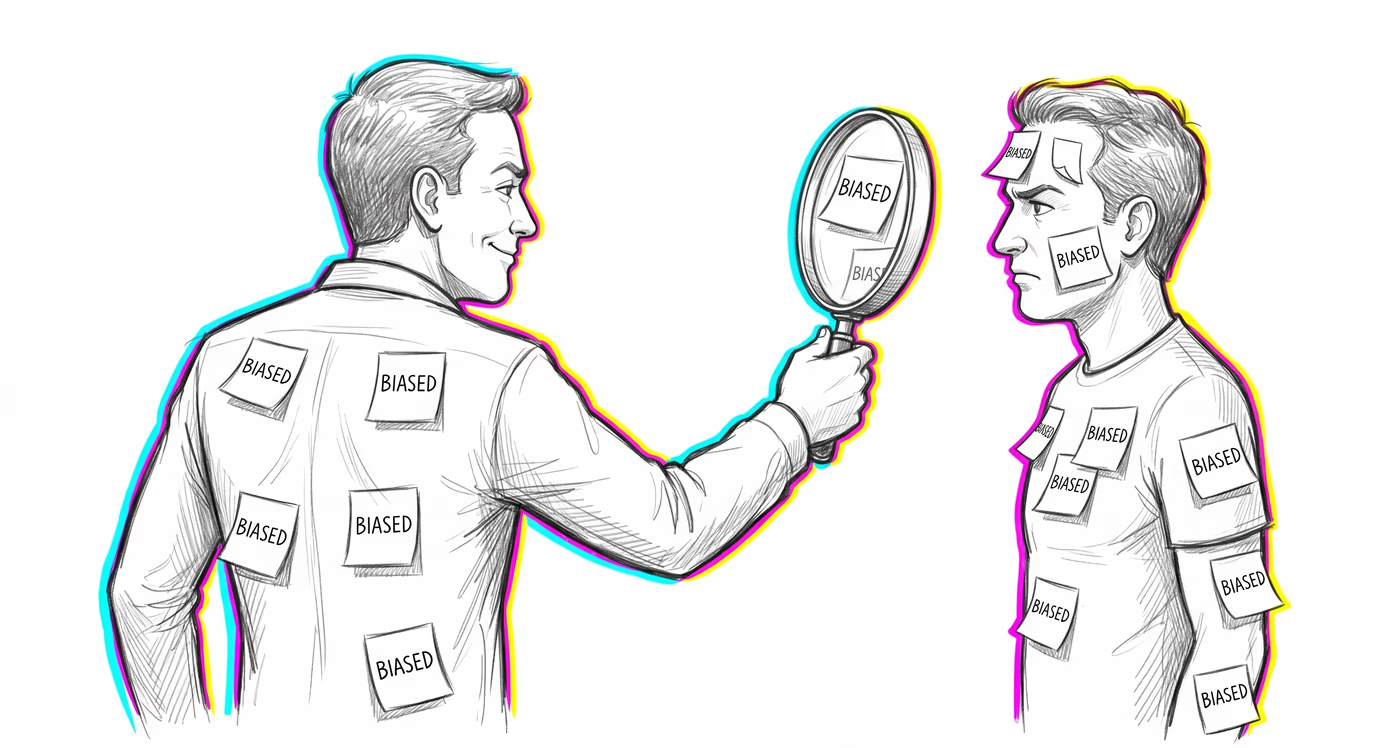
Investors who introspect about their trading decisions frequently conclude they are acting rationally, while attributing other investors' identical trades to herd mentality or emotional reactions. This pattern makes it difficult for individuals to recognize when their own decisions are driven by biases like anchoring or disposition effects.
Medicine & diagnosis
Clinicians may introspect and find no racial or demographic bias in their treatment decisions, concluding they are unbiased while remaining open to the idea that colleagues might be affected. This asymmetry can perpetuate diagnostic disparities because physicians trust their internal sense of fairness rather than examining their behavioral patterns.
Education & grading
Teachers who reflect on their grading believe they are fair and objective because they cannot detect biased intentions in their own minds, while readily identifying favoritism in other teachers' grades. This makes them resistant to calibration exercises or peer review of their assessment practices.
Relationships
Partners tend to trust their own introspections about why they behaved a certain way during conflicts while discounting their partner's equally detailed self-explanations, treating their own account as transparent truth and their partner's as rationalization. This asymmetry escalates disputes and blocks mutual understanding.
Tech & product
Product designers who introspect on their design choices believe they are user-centered, dismissing usability test results that suggest otherwise. They trust their internal sense of empathy for users more than actual user behavior data, which can lead to designs optimized for the designer's mental model rather than real usage patterns.
Workplace & hiring
Hiring managers who search their thoughts and find no discriminatory intent conclude they are fair evaluators, while suspecting other managers' decisions are influenced by similarity bias or stereotypes. This makes them resistant to structured interview protocols or blind resume screening.
Politics Media
Voters introspect on their political views and find principled reasoning, while explaining opponents' identical reasoning processes as motivated by tribal loyalty, media manipulation, or self-interest. This fuels polarization because each side is convinced of its own objectivity.