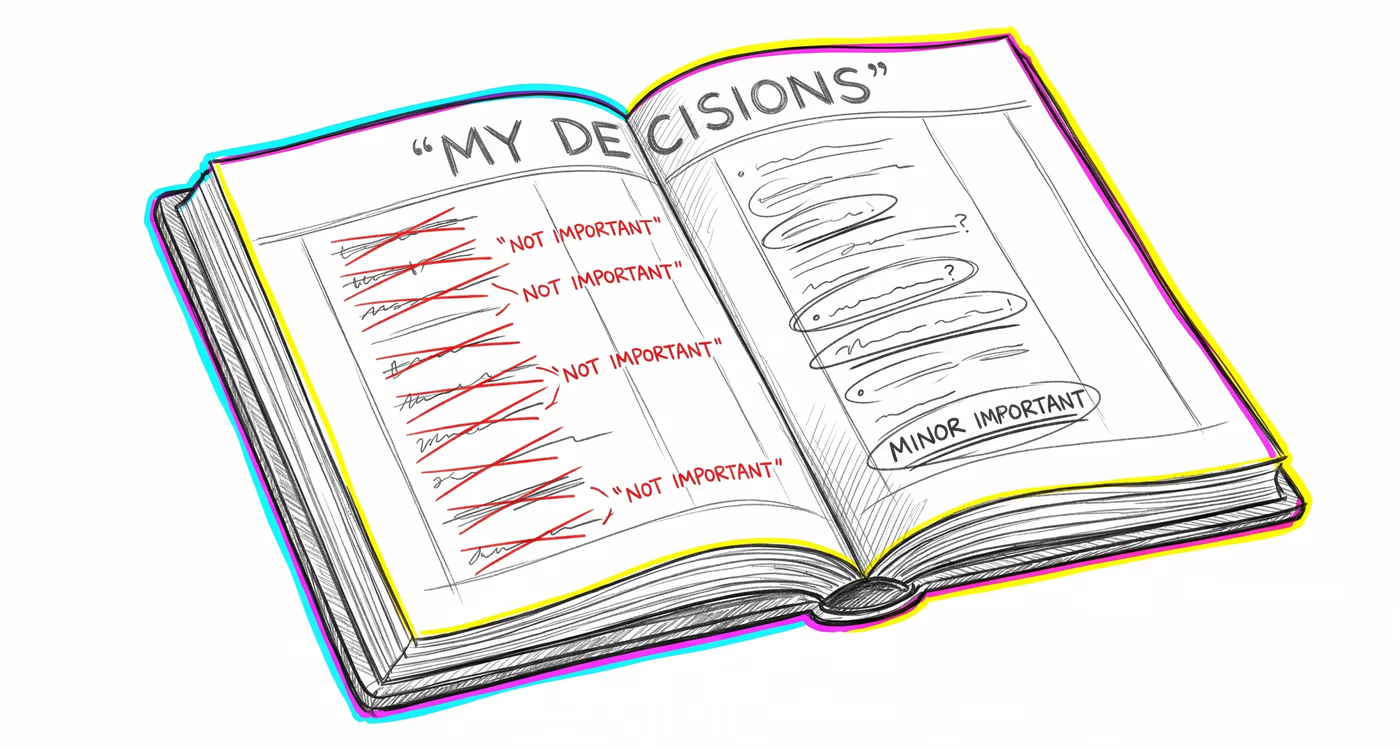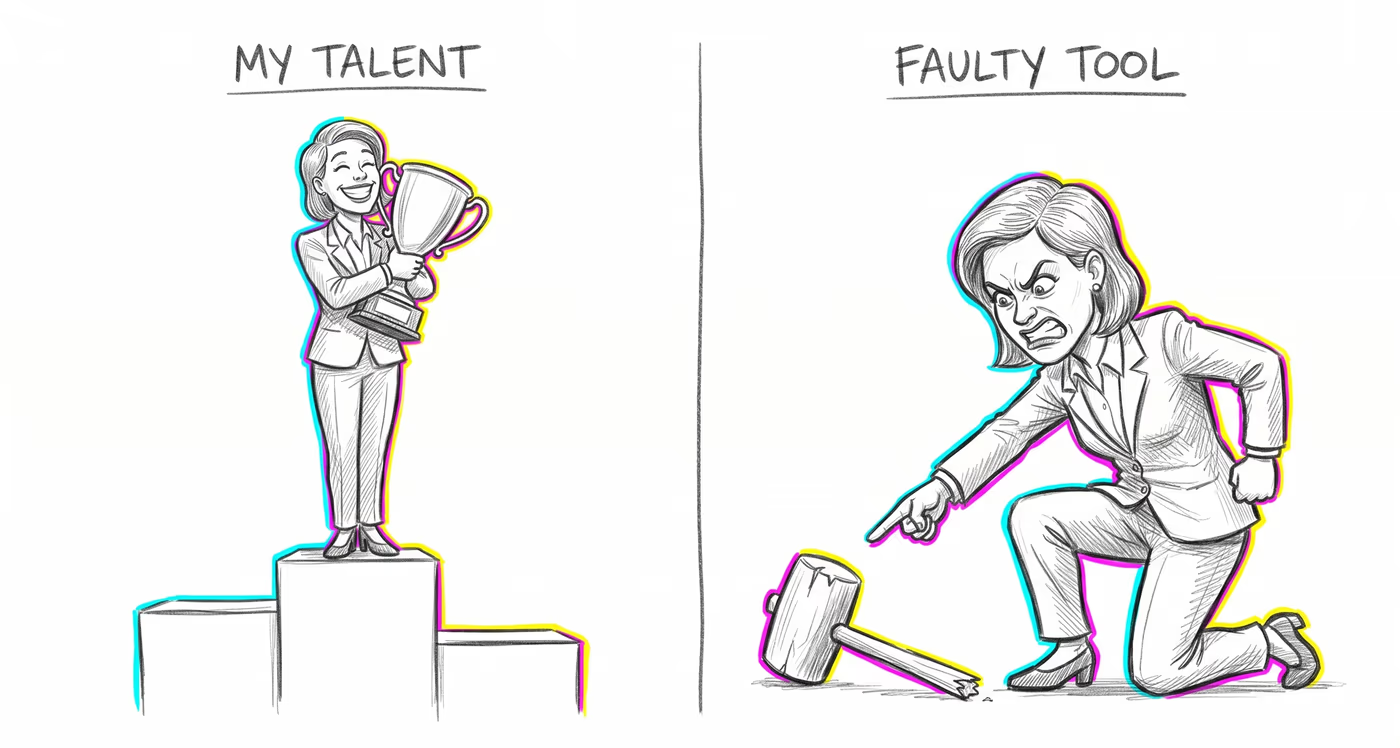
The same glitch looks different depending on the terrain. Finance, medicine, a
relationship, a team — same mechanism, different costume.
Finance & investing
Investors commonly attribute profitable trades to their own analytical skill and market insight while blaming losses on unpredictable market conditions, bad tips, or regulatory changes. This pattern encourages repeated high-risk behavior without genuine learning from mistakes, and is visible in corporate annual reports where executives credit leadership for gains and cite macroeconomic headwinds for shortfalls.
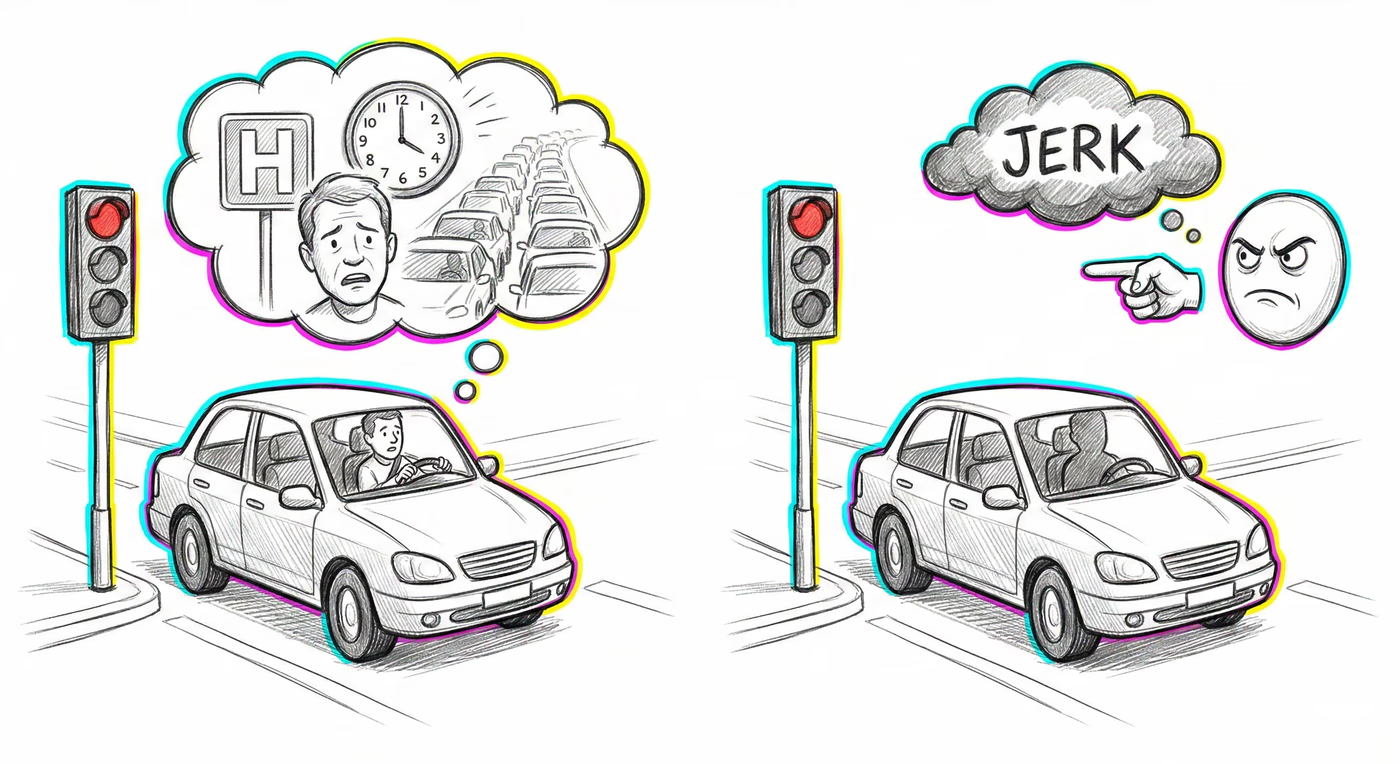
Medicine & diagnosis
Physicians may attribute successful treatments to their clinical acumen and diagnostic skill while attributing poor patient outcomes to patient noncompliance, atypical disease presentation, or systemic failures. This pattern can reduce reflective practice and hinder the adoption of quality-improvement protocols.
Education & grading
Teachers may credit their instructional methods when students perform well on assessments but attribute poor student performance to lack of student motivation, parental disengagement, or inadequate resources. Students similarly credit their own effort for good grades but blame unclear instructions or unfair grading for poor ones.
Relationships
Partners tend to attribute harmonious periods to their own emotional maturity and communication skills while blaming conflicts on the other person's stubbornness or insensitivity. This asymmetric blame pattern prevents mutual accountability and escalates resentment over time.
Tech & product
Engineers and product managers attribute successful launches to their design decisions and technical talent, while attributing product failures to shifting requirements, insufficient resources, or user error. This pattern can prevent honest post-mortems and perpetuate repeated design mistakes.
Workplace & hiring
Managers take credit for team successes as evidence of their leadership, while attributing team failures to underperforming employees, budget constraints, or unclear directives from above. In performance reviews, employees highlight personal achievements while framing shortcomings as consequences of inadequate support or unrealistic expectations.
Politics Media
Politicians attribute favorable economic indicators to their own policies while blaming downturns on predecessors, global forces, or opposition obstruction. Voters exhibit a parallel pattern, crediting their preferred party for good outcomes and blaming the opposing party for bad ones, reinforcing partisan narratives.