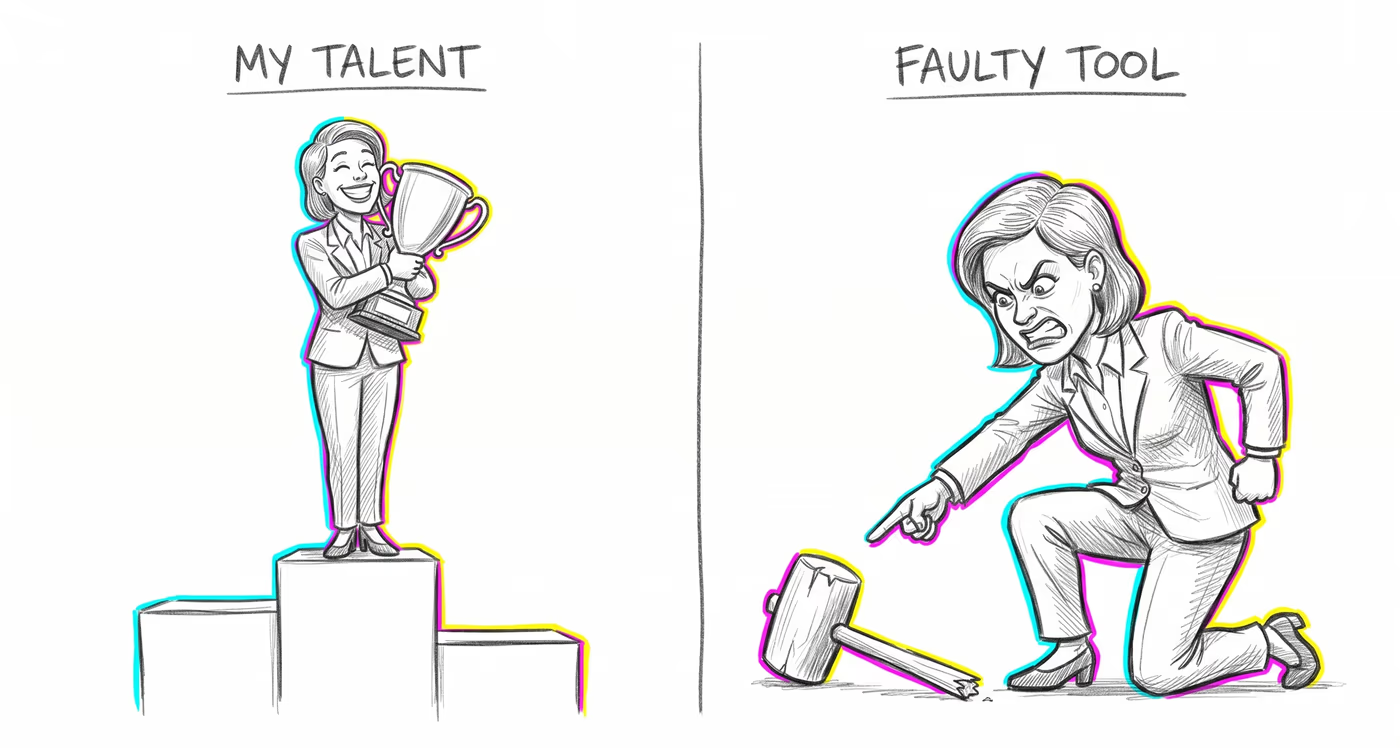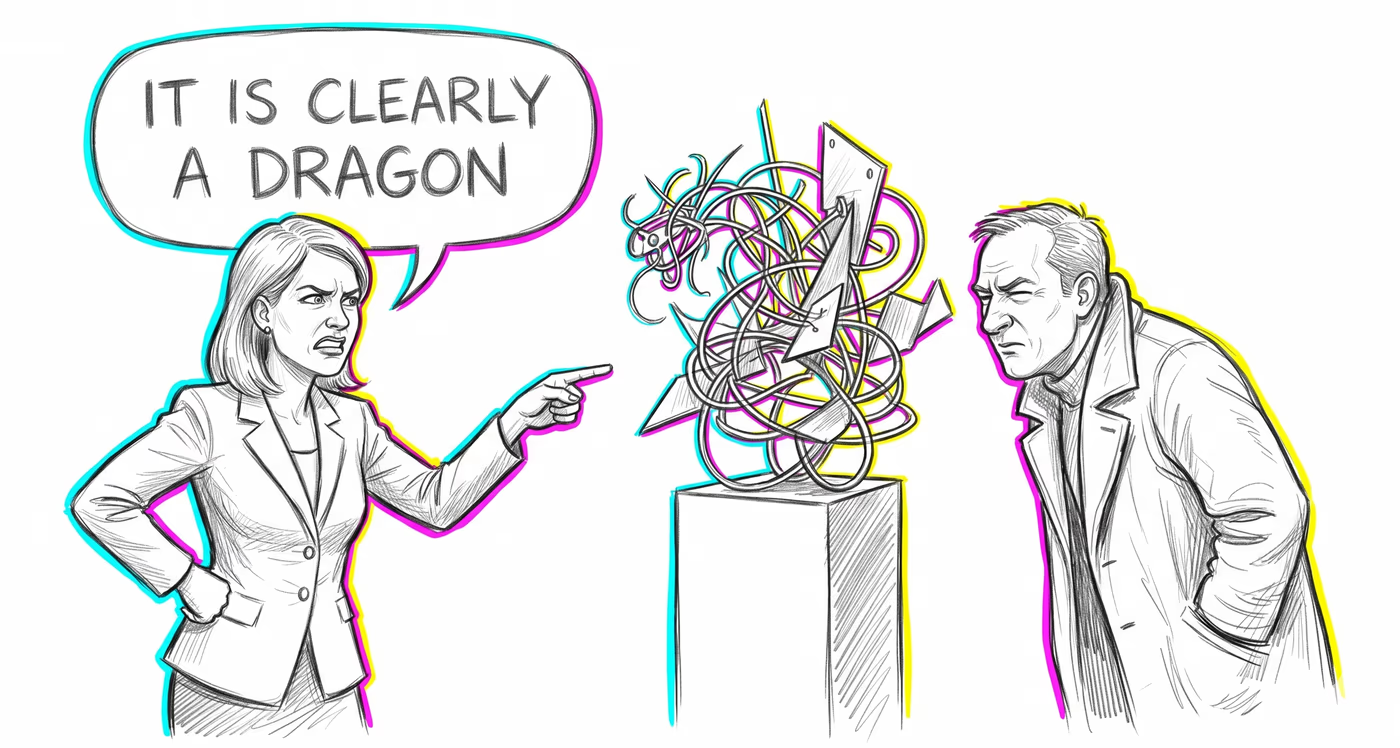
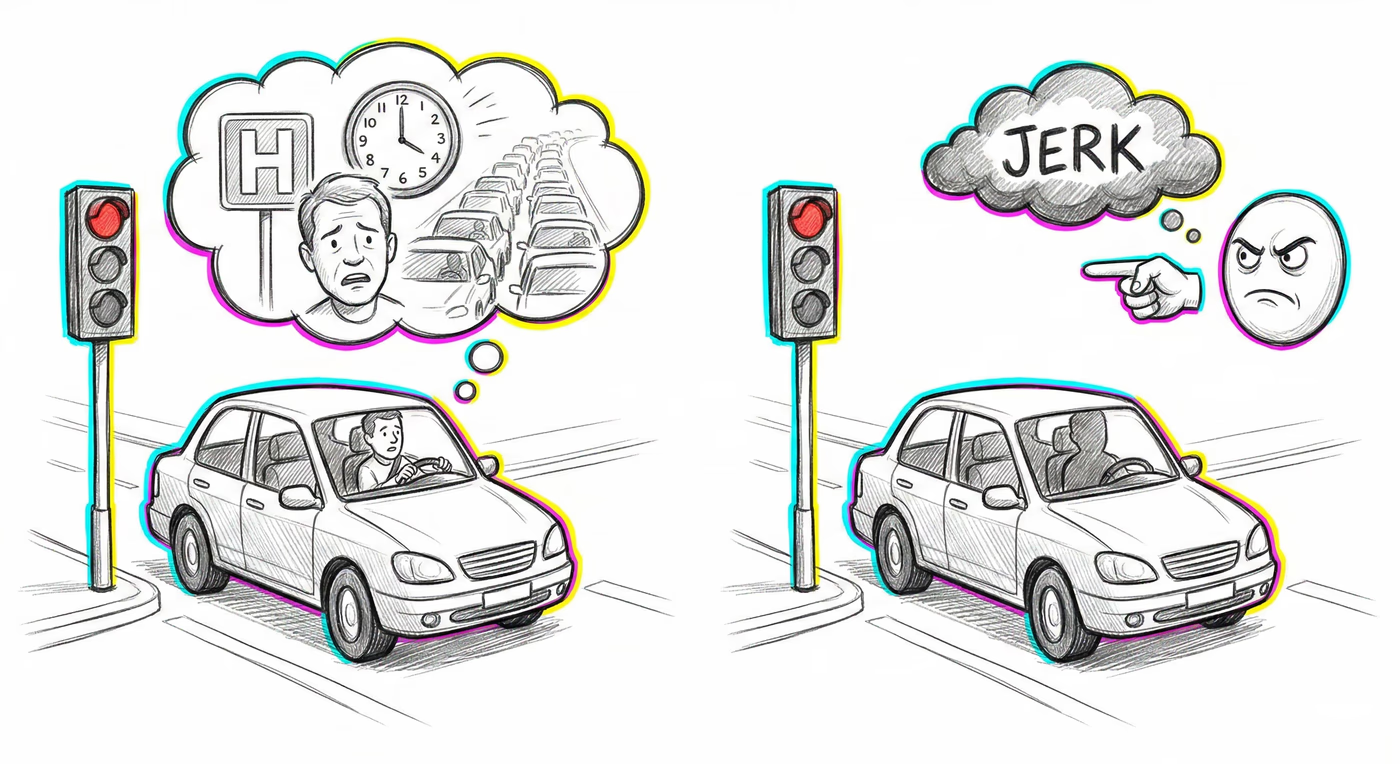
The same glitch looks different depending on the terrain. Finance, medicine, a
relationship, a team — same mechanism, different costume.
Finance & investing
Investors tend to explain their own losing trades by citing unforeseeable market shifts, bad timing, or misleading analyst reports, while attributing other investors' equivalent losses to poor judgment, greed, or lack of due diligence—creating a double standard that impedes honest post-mortem analysis of one's own investment strategy.
Medicine & diagnosis
Physicians may attribute their own diagnostic errors to systemic factors like time pressure, high caseloads, or ambiguous lab results, while viewing colleagues' similar errors as evidence of carelessness or insufficient clinical knowledge—reducing collaborative learning from mistakes and impeding a culture of shared accountability.
Education & grading
Teachers may explain their own unsuccessful lesson as a product of a restless class, a scheduling disruption, or inadequate materials, while attributing a colleague's poorly received lesson to weak pedagogical skills—limiting the development of a supportive feedback culture among faculty.
Relationships
Partners routinely explain their own hurtful comments as products of stress or exhaustion, while interpreting their partner's similarly hurtful comments as revealing their 'true' insensitive nature—creating an asymmetry of forgiveness that breeds resentment over time.
Tech & product
When a developer's code introduces a bug, they point to unclear requirements, legacy system constraints, or time pressure; when a teammate's code breaks, the same developer assumes the colleague is sloppy or under-skilled—discouraging psychological safety and open code review.
Workplace & hiring
Managers often explain their own missed targets by referencing shifting priorities, resource constraints, or executive interference, while attributing subordinates' missed targets to lack of motivation or competence—skewing performance reviews and eroding trust.
Politics Media
Voters explain their own candidate's policy reversals as pragmatic responses to changing circumstances, while interpreting an opposing candidate's identical reversals as evidence of dishonesty or weak convictions—deepening partisan polarization and inhibiting balanced evaluation of political behavior.