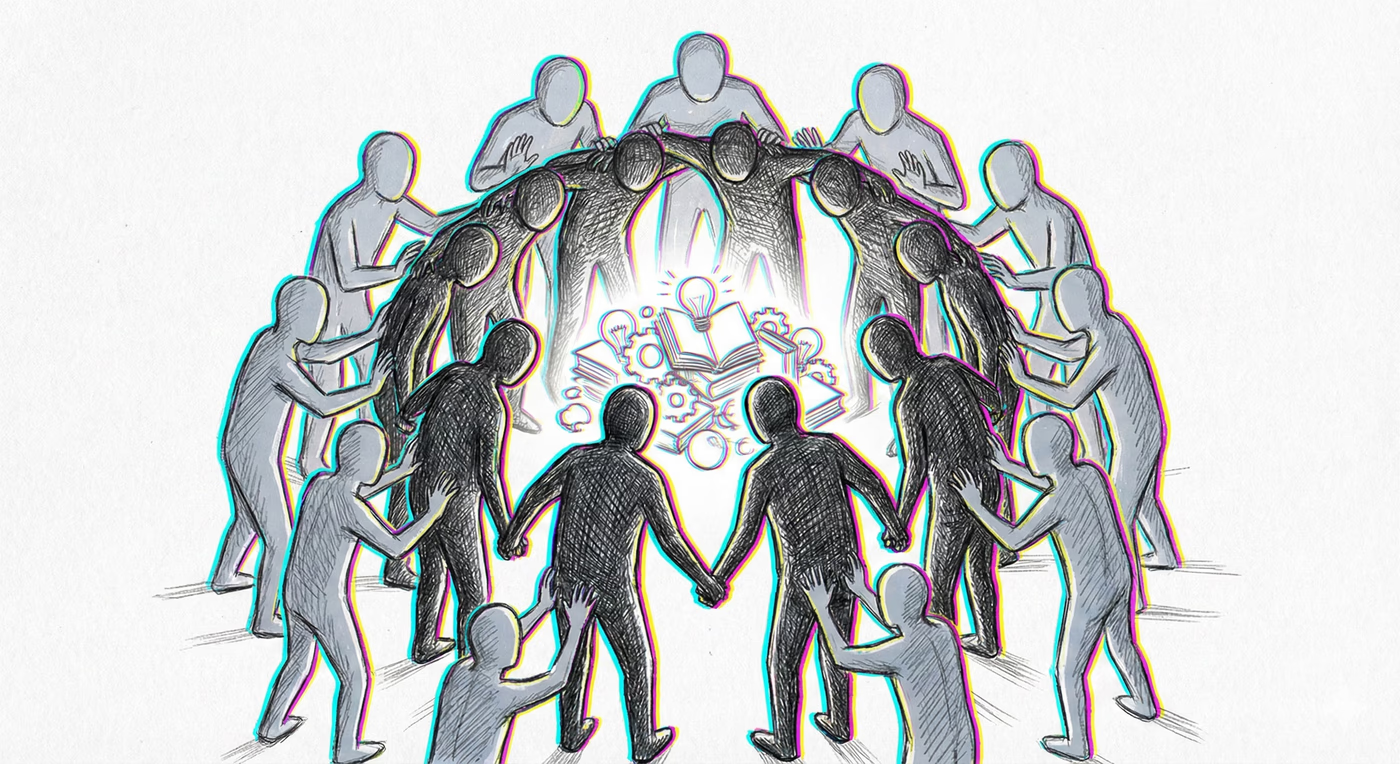
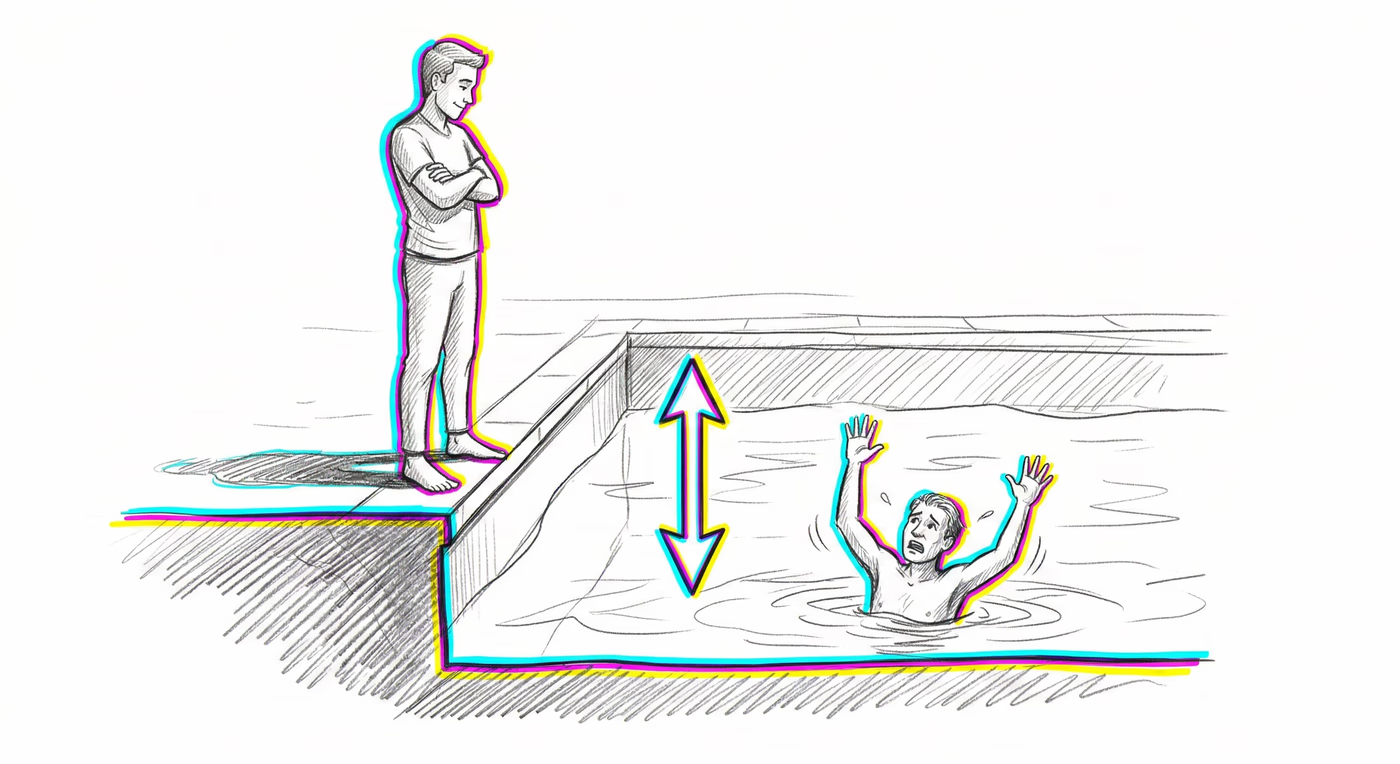
The same glitch looks different depending on the terrain. Finance, medicine, a
relationship, a team — same mechanism, different costume.
Finance & investing
Investors and fund managers tend to allocate more generously to humanitarian or social-impact funds when the beneficiaries are demographically similar to them, while statistically equivalent suffering in dissimilar populations attracts less philanthropic or ESG investment attention.
Medicine & diagnosis
Healthcare providers have been shown to prescribe lower doses of pain medication and spend less time on emotional reassurance for patients from racial or ethnic out-groups, driven by reduced empathic resonance rather than conscious prejudice. This contributes to documented racial disparities in pain management.
Education & grading
Teachers tend to invest more emotional energy and provide warmer, more detailed feedback to students who share their cultural or socioeconomic background, while students from out-groups may receive technically correct but emotionally flat guidance, reducing the mentoring relationship's quality.
Relationships
People extend more forgiveness and emotional support to friends and romantic partners who share their background, while being quicker to distance themselves from or judge acquaintances from different social circles who face similar struggles.
Tech & product
Product teams designing for global audiences often default to empathizing with user personas that reflect their own demographics, resulting in features and emotional design cues optimized for culturally familiar users while neglecting the frustrations and needs of dissimilar user groups.
Workplace & hiring
Managers tend to express more genuine concern and offer more accommodations (flexible schedules, personal check-ins) to team members they perceive as culturally similar, while treating equivalent struggles among demographically different employees as less urgent or less emotionally significant.
Politics Media
News outlets and audiences devote disproportionate emotional coverage and public outcry to tragedies affecting culturally proximate populations, while equivalent or larger-scale suffering in distant or dissimilar populations receives brief, dispassionate reporting — sometimes called the 'worthy and unworthy victims' phenomenon.