The same glitch looks different depending on the terrain. Finance, medicine, a
relationship, a team — same mechanism, different costume.
Finance & investing
Financial advisors who frequently warn clients about dishonest competitors or fraudulent schemes may inadvertently become associated with untrustworthiness in clients' minds, while advisors who highlight the integrity of their own practices and partners tend to be perceived more favorably.
Medicine & diagnosis
Doctors who frequently describe other physicians' incompetence or malpractice — even when raising legitimate concerns — may be perceived by patients as less competent themselves. Conversely, physicians who speak positively about colleagues' expertise tend to inspire greater patient confidence.
Education & grading
Teachers who frequently criticize students for being lazy or unmotivated may be unconsciously perceived by parents and administrators as lacking motivation themselves. Teachers who publicly praise students' diligence and curiosity tend to be viewed as more dedicated educators.
Relationships
Partners who habitually describe their exes as selfish, dishonest, or emotionally unavailable end up making their current partner unconsciously associate those same traits with them, creating a subtle erosion of trust that neither party can easily identify.
Tech & product
In product reviews and competitor analysis, teams that spend excessive time highlighting competitors' failures (buggy, unreliable, poorly designed) risk having those negative associations attach to their own brand in users' minds, while brands that acknowledge competitors' strengths before differentiating tend to build more trust.
Workplace & hiring
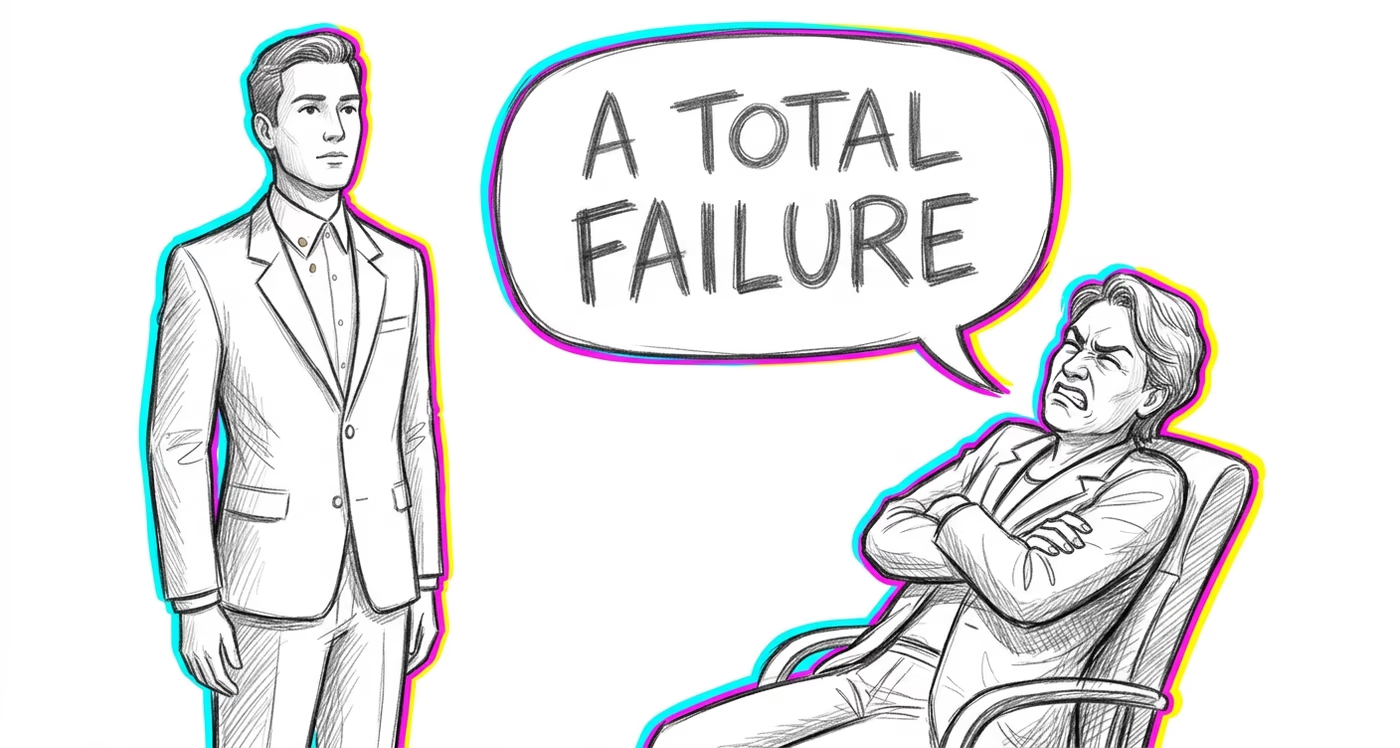
Employees who frequently criticize absent colleagues or describe others' failures in meetings may find their own performance reviews subtly affected, as managers associate those negative traits with the person who keeps bringing them up rather than with the absent targets.
Politics Media
Politicians who build campaigns around attacking opponents' character flaws — calling them corrupt, incompetent, or dishonest — risk having voters unconsciously transfer those very traits onto them, which may explain why negative campaign ads sometimes backfire on the attacker.