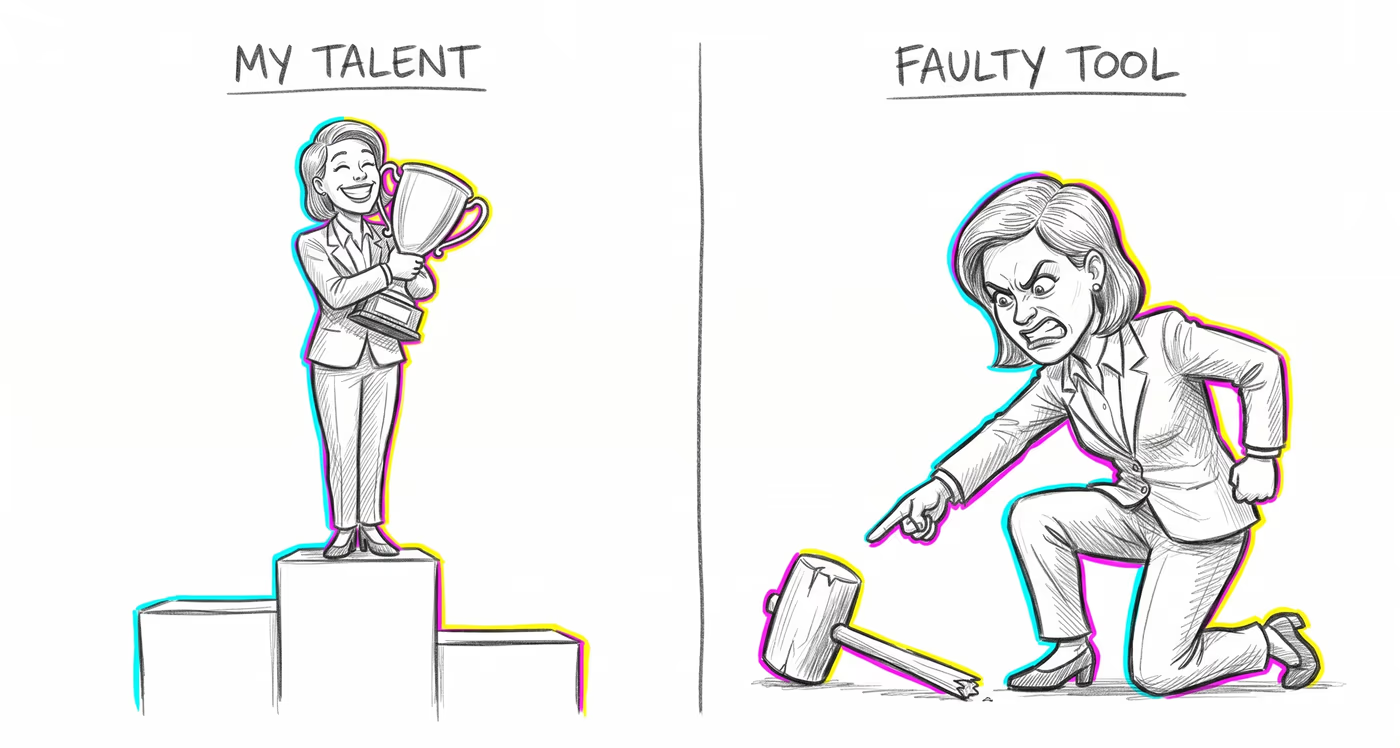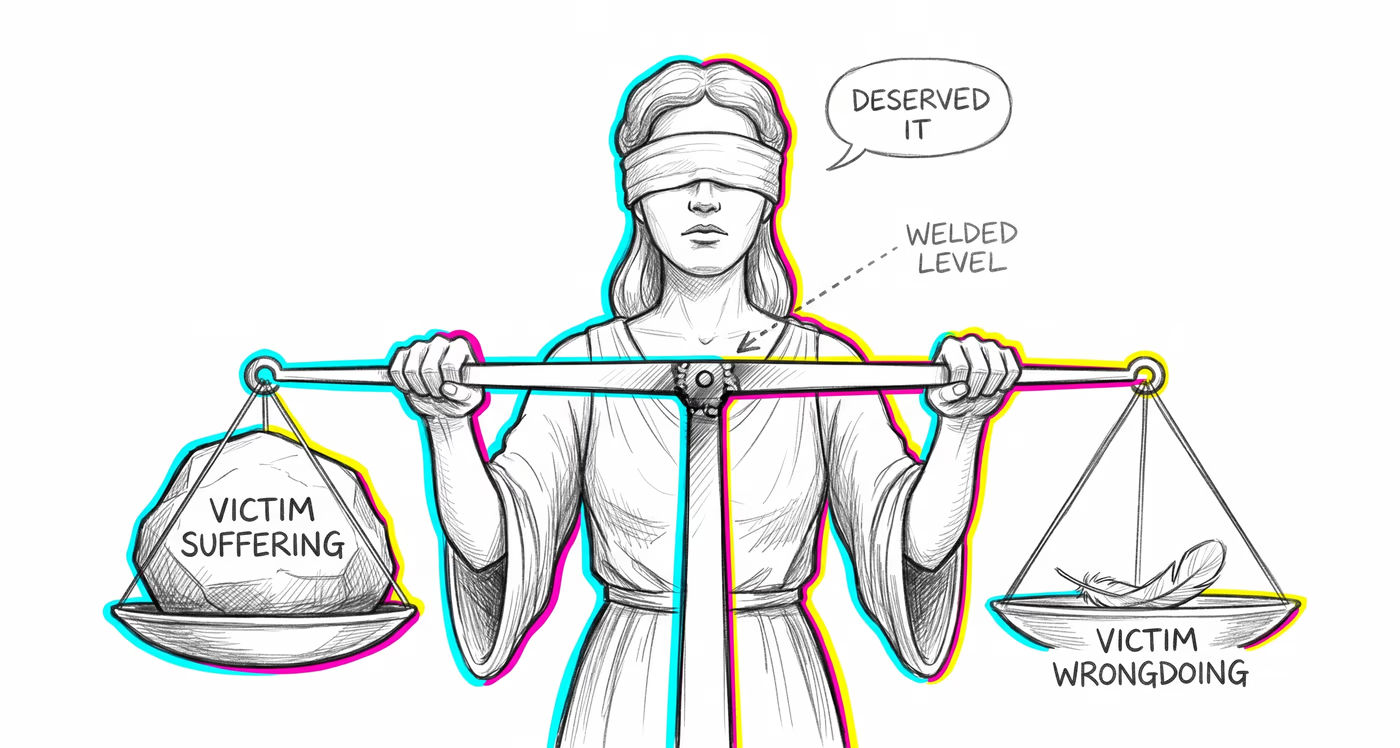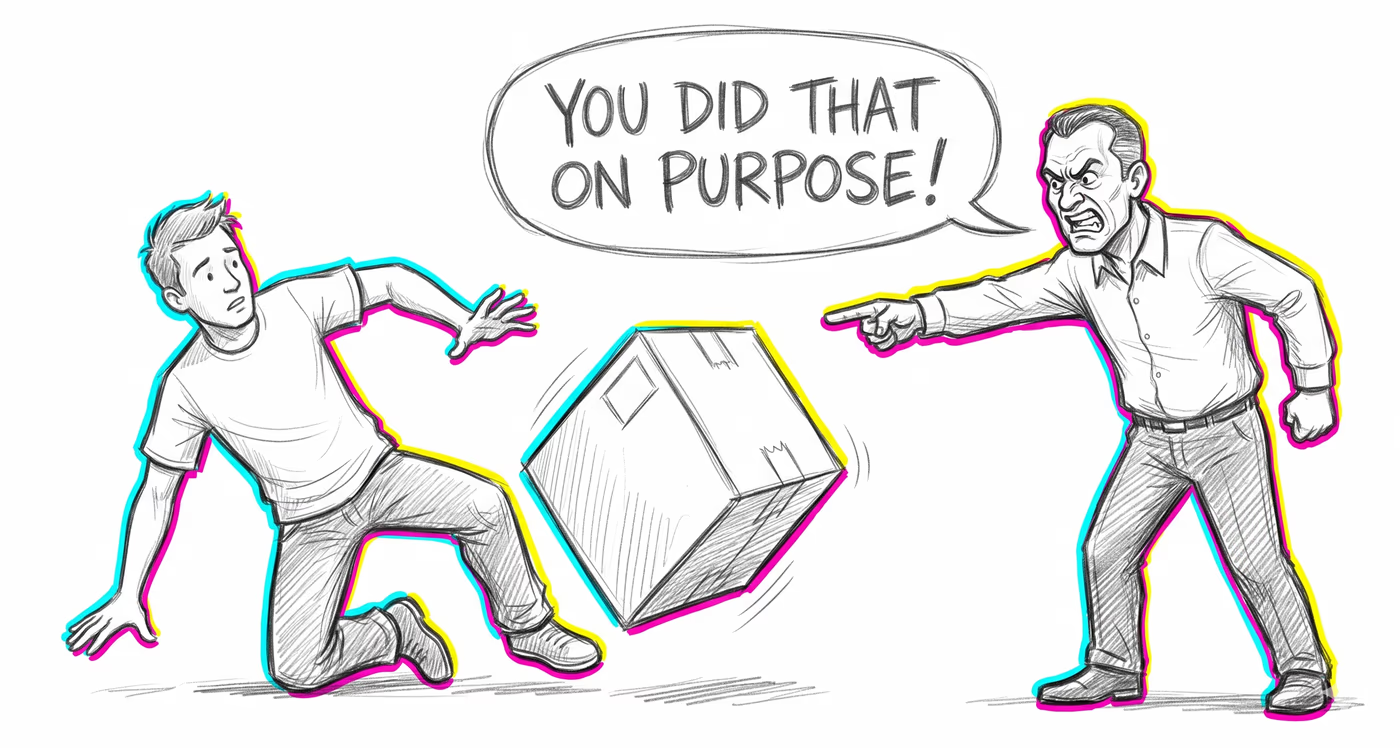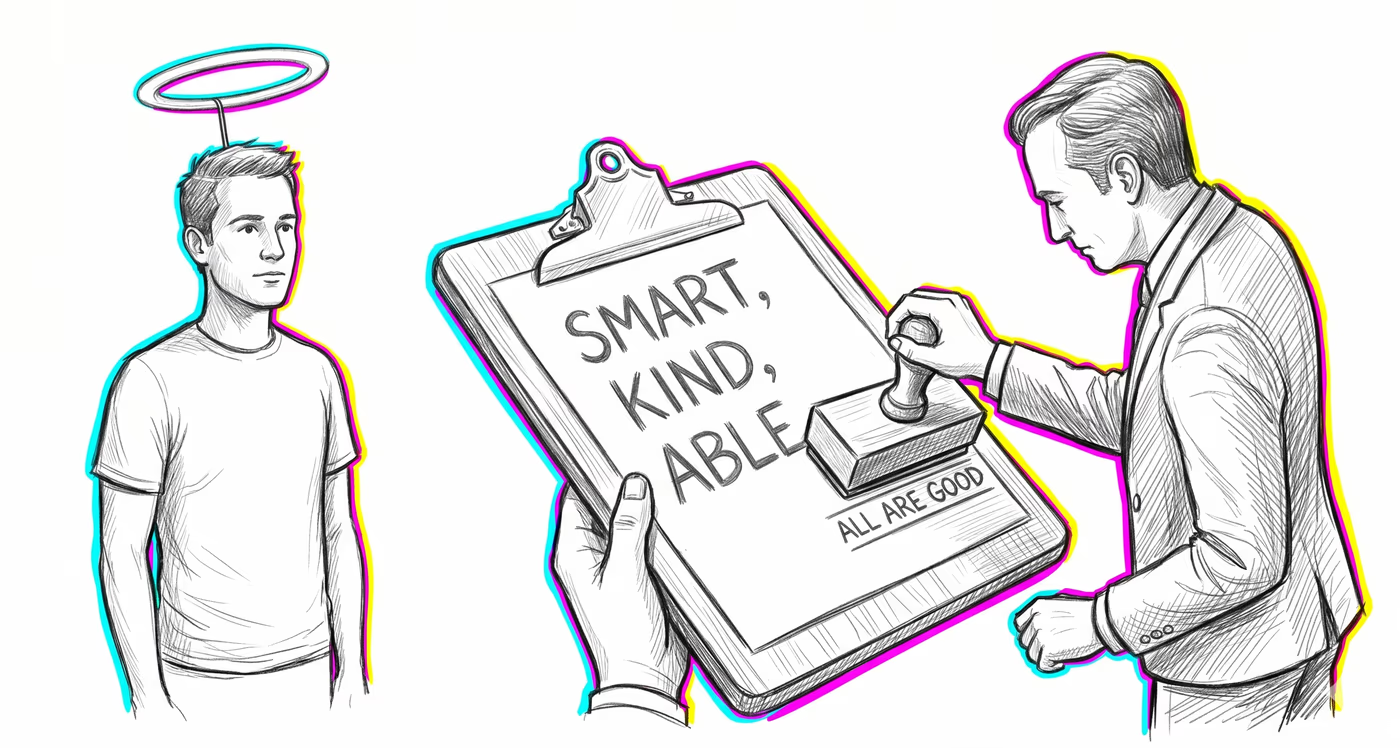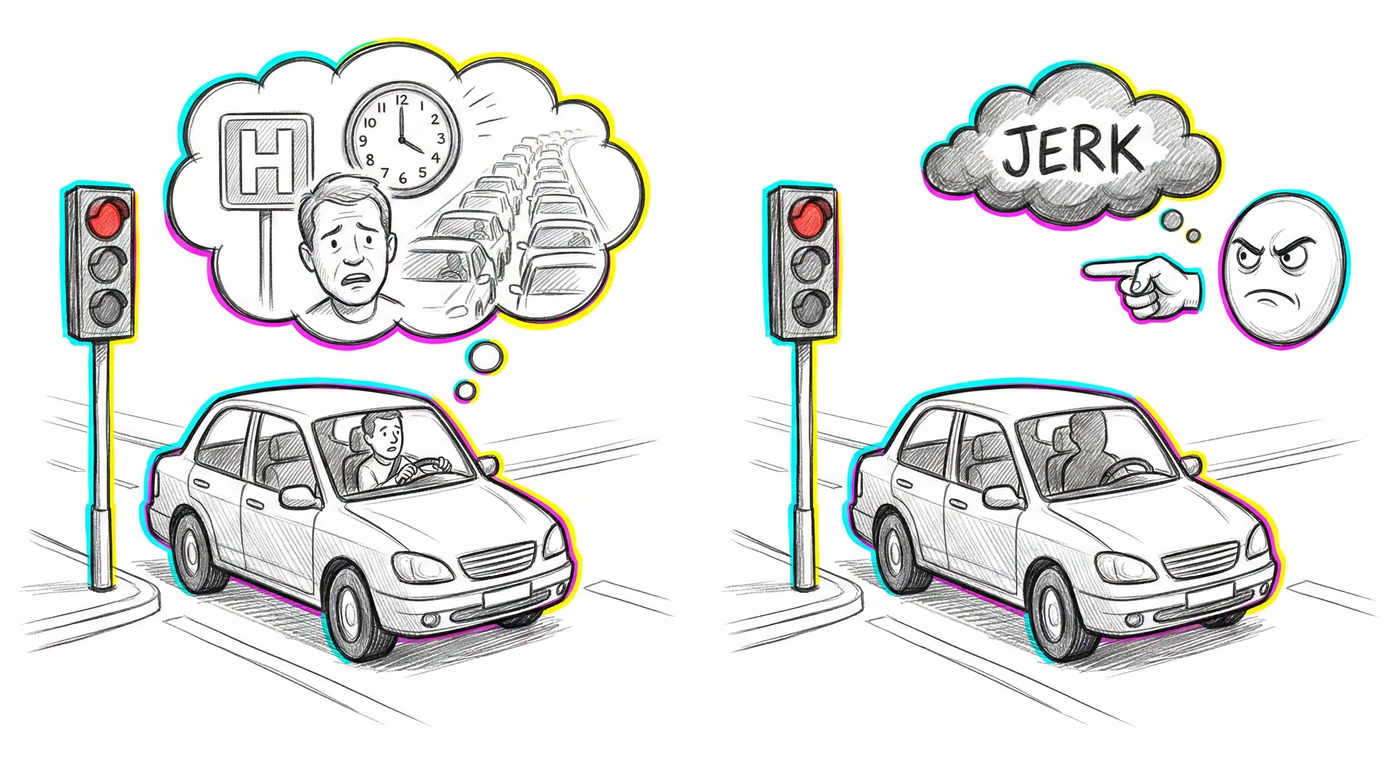
The same glitch looks different depending on the terrain. Finance, medicine, a
relationship, a team — same mechanism, different costume.
Finance & investing
Investors attribute a fund manager's poor quarterly returns to lack of skill or bad judgment, overlooking that the entire sector experienced a downturn driven by macroeconomic forces beyond any individual's control. This leads to premature manager turnover and chasing past performance.
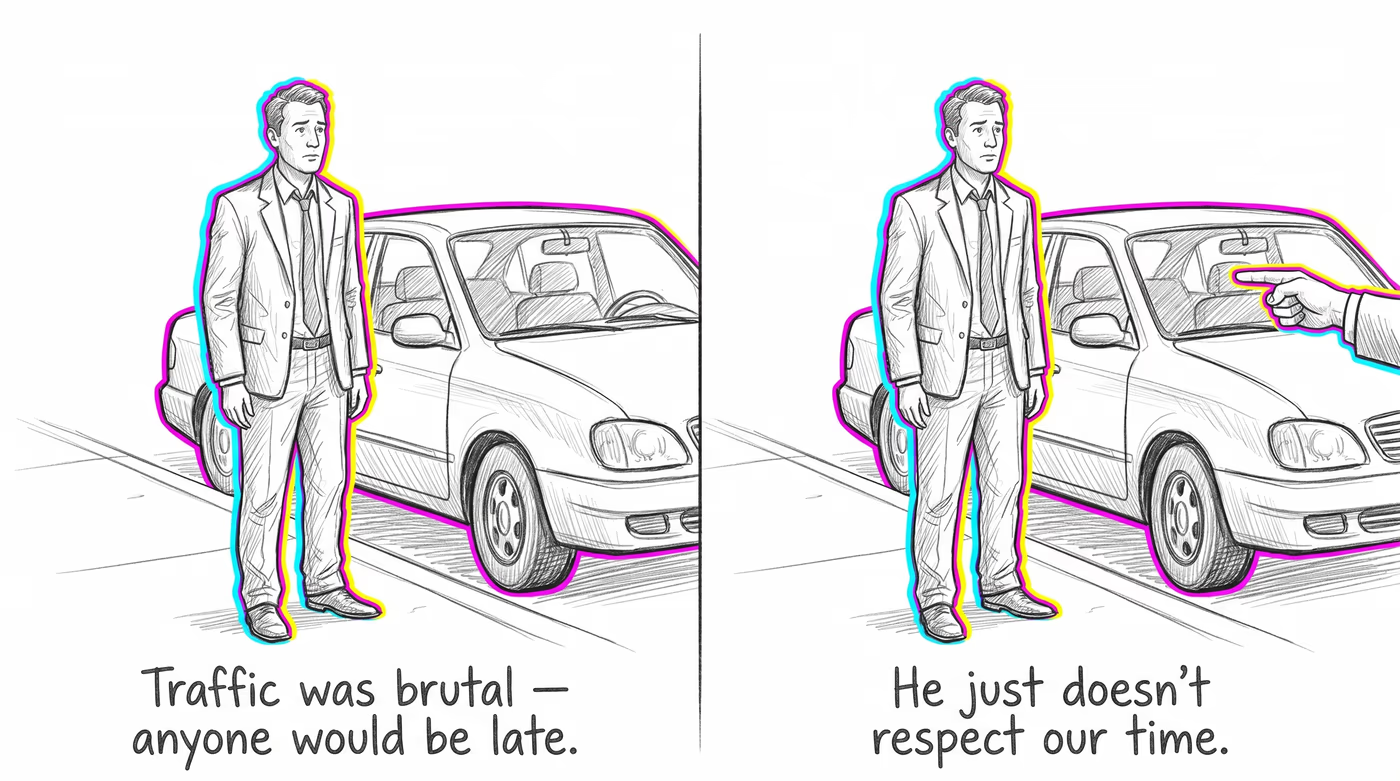
Medicine & diagnosis
Clinicians may attribute a patient's non-adherence to medication as irresponsibility or lack of motivation, while failing to consider situational barriers such as medication cost, complex dosing schedules, side effects, or lack of social support that make adherence difficult.
Education & grading
Teachers who attribute low student performance to laziness or low intelligence may fail to investigate whether the student faces challenges such as learning disabilities, an unstable home environment, or food insecurity—leading to punitive rather than supportive interventions.
Relationships
Partners in conflict tend to interpret each other's hurtful behavior as reflecting deep character flaws ('you're selfish') rather than acknowledging that stress, exhaustion, or external pressures may be driving temporary behavior changes, escalating resentment and eroding trust.
Tech & product
When users fail to complete a task in an application, product teams may conclude users are 'not tech-savvy' rather than examining whether confusing navigation, poor labeling, or inadequate onboarding created the failure—leading to user-blaming instead of design improvement.
Workplace & hiring
Performance reviews systematically over-attribute outcomes to individual traits (drive, talent, attitude) and under-attribute them to systemic factors like team dynamics, resource allocation, management quality, and role clarity, creating unfair evaluations and misguided development plans.
Politics Media
Media coverage of social problems such as homelessness or unemployment often frames them through individual stories of personal failure, emphasizing character narratives over structural and policy analyses, shaping public opinion to favor individual-level rather than systemic solutions.