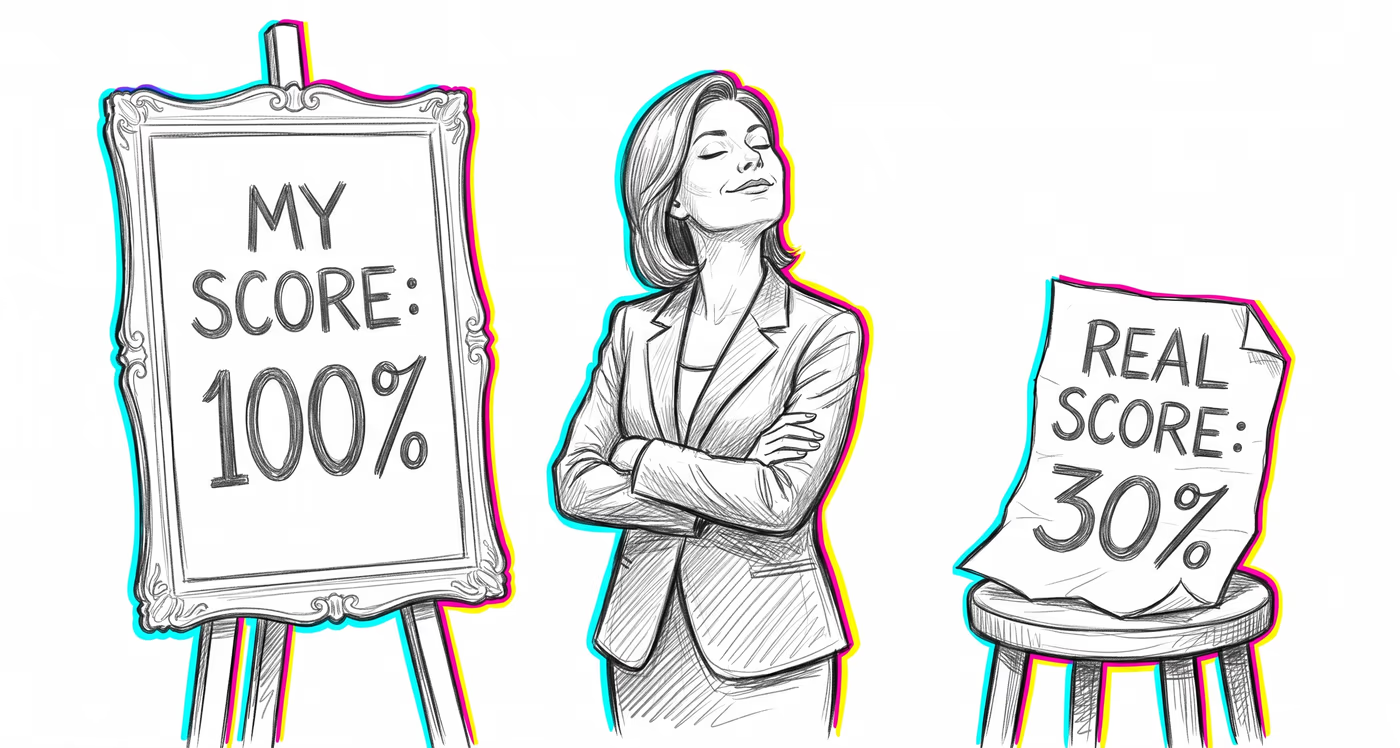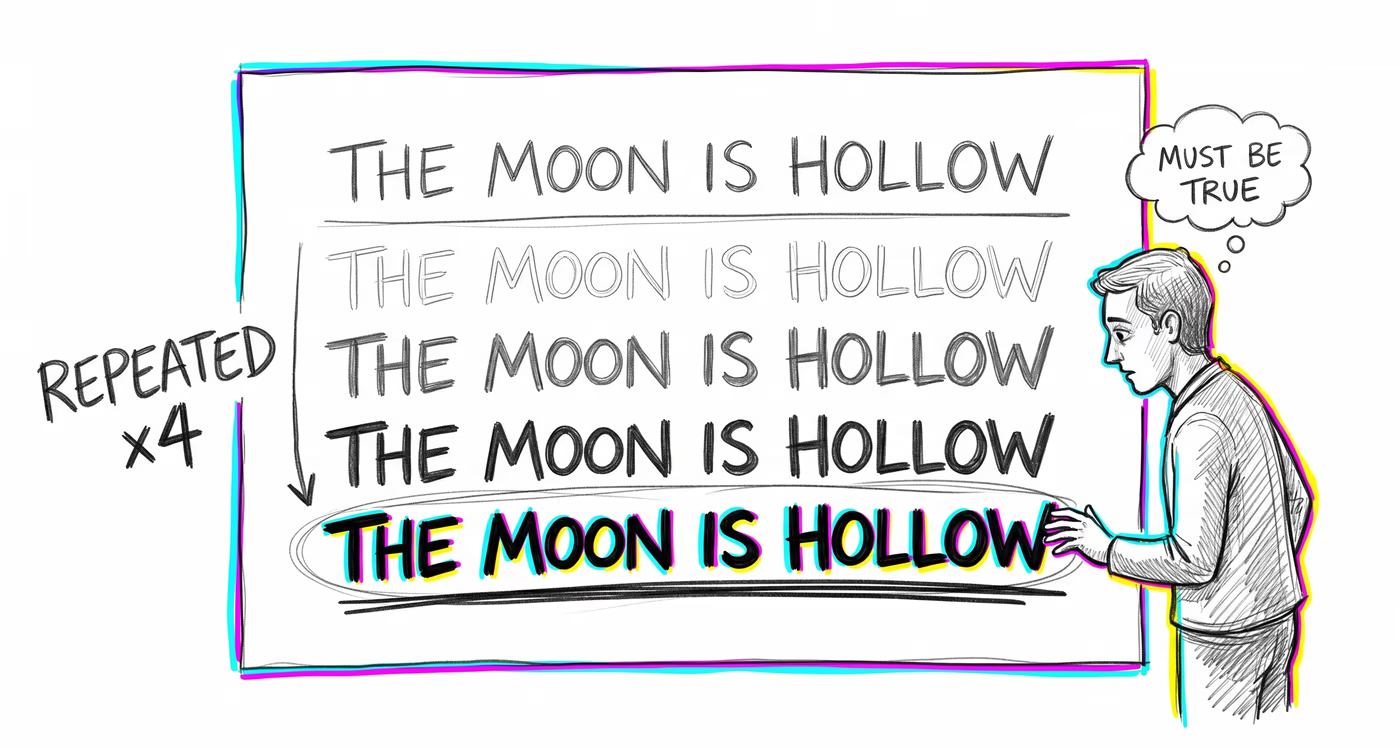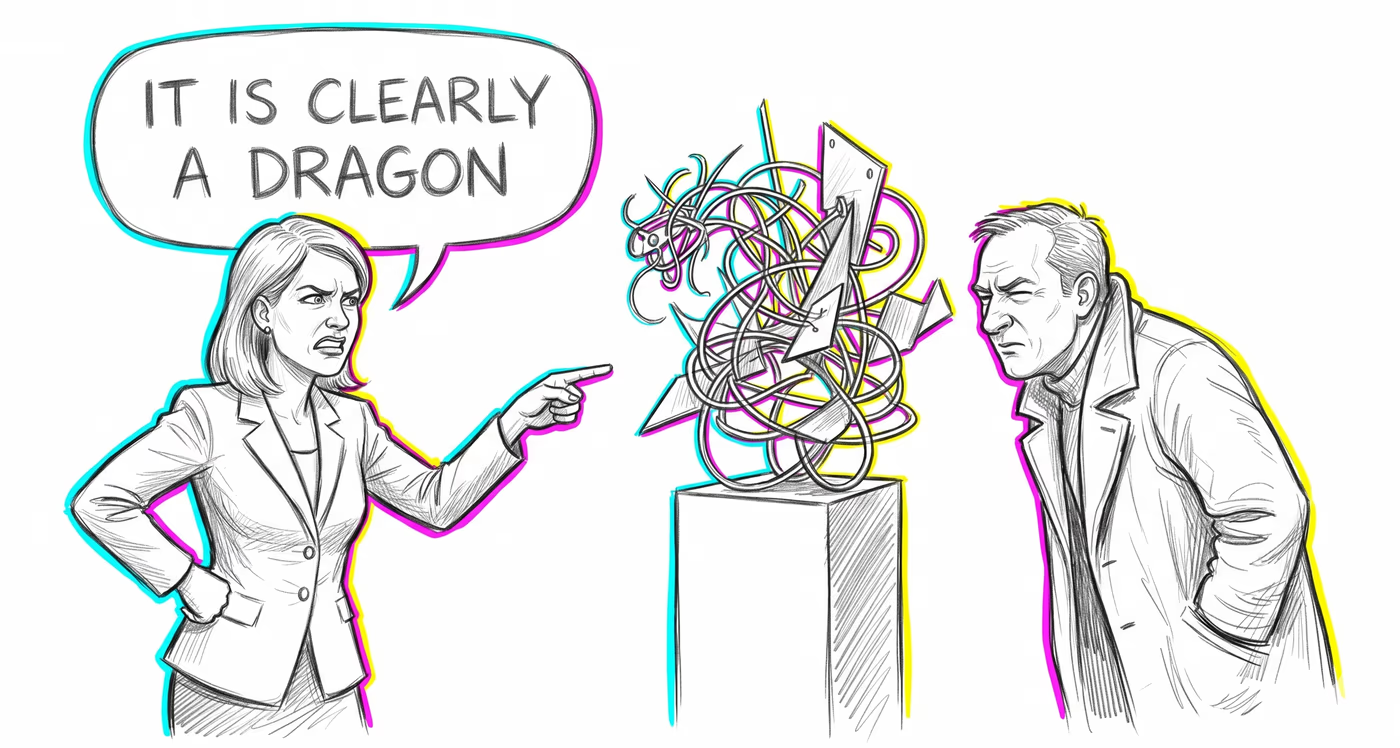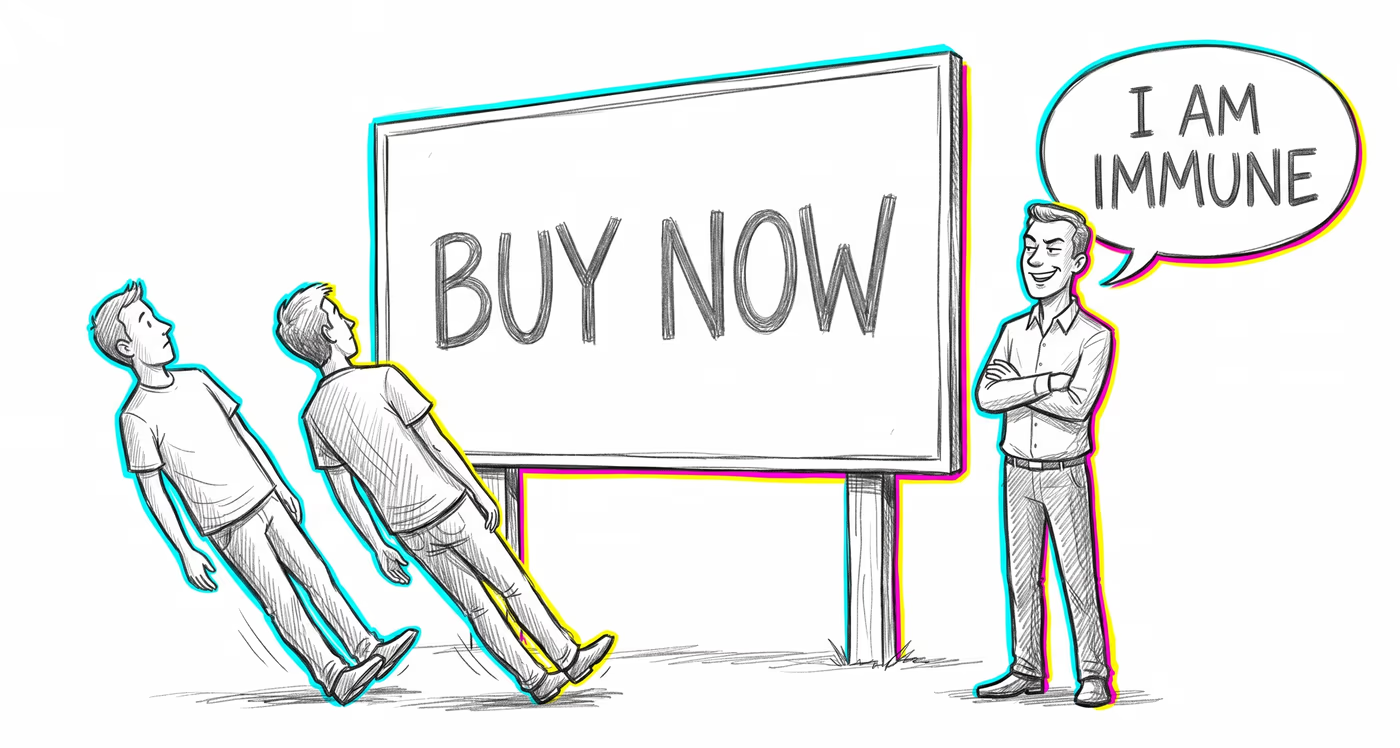
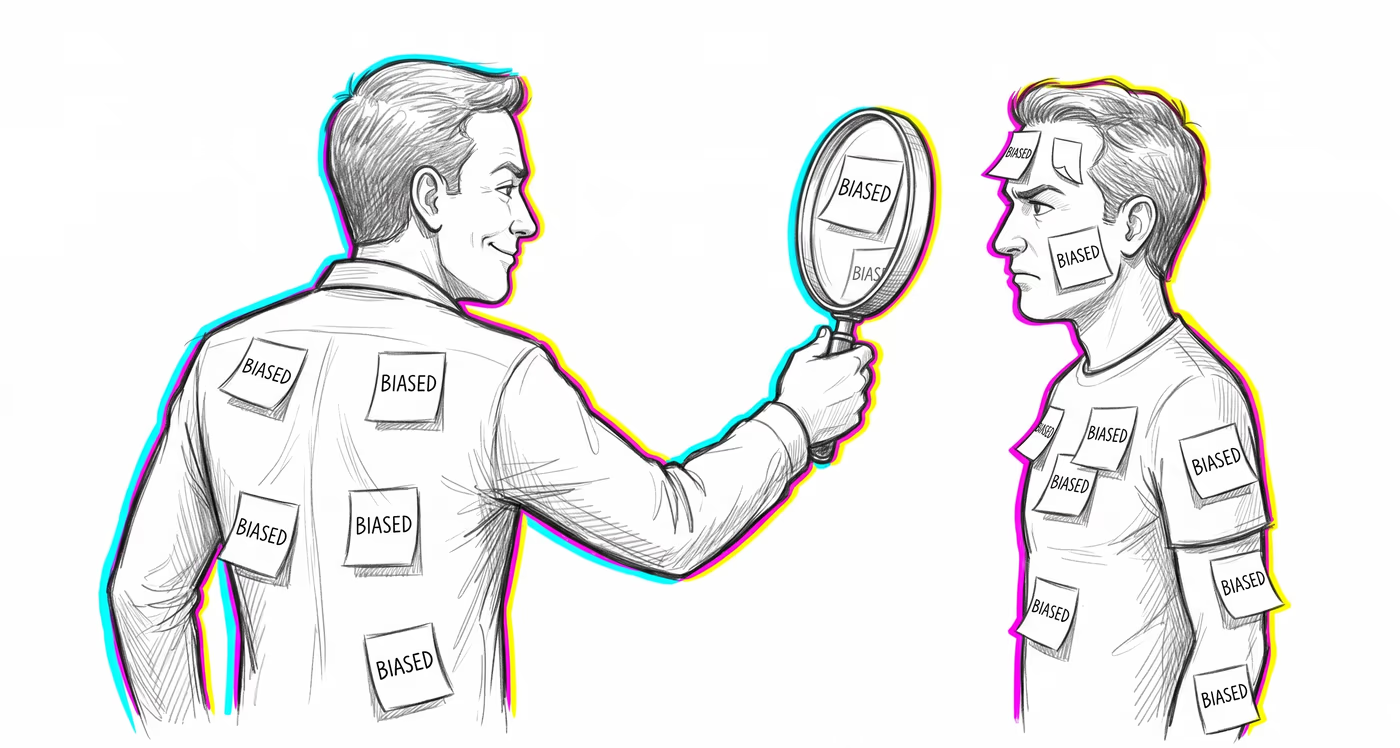
The same glitch looks different depending on the terrain. Finance, medicine, a
relationship, a team — same mechanism, different costume.
Finance & investing
Investors often believe they are resistant to market hype and media-driven panic, while assuming that other retail investors are easily swayed by sensationalized financial news — leading them to trade based on predictions of how 'the herd' will react rather than on fundamentals.
Medicine & diagnosis
Health professionals may assume patients are highly susceptible to health misinformation online while underestimating how medical advertising and pharmaceutical marketing subtly shape their own prescribing habits and treatment preferences.
Education & grading
Teachers may believe that students are highly impressionable when exposed to biased textbooks or media, driving calls for content restrictions, while assuming their own interpretation of curricular materials is objective and unaffected by framing.
Relationships
Partners may feel confident that romantic comedies or social media portrayals of relationships don't affect their own expectations, while worrying that their partner is being influenced to have unrealistic standards by the same content.
Tech & product
Product designers assume users are easily manipulated by dark patterns and persuasive design, while believing their own choices as consumers are rational and uninfluenced — paradoxically justifying the use of manipulative patterns they claim wouldn't work on themselves.
Workplace & hiring
Managers may believe that motivational corporate messaging or internal propaganda doesn't affect their own views but strongly shapes employee attitudes, leading to paternalistic communication strategies.
Politics Media
Citizens and politicians support regulating or censoring media content — such as fake news, political advertising, or violent programming — based on beliefs that the general public is vulnerable to manipulation, while considering themselves to be discerning and resistant to the same content.