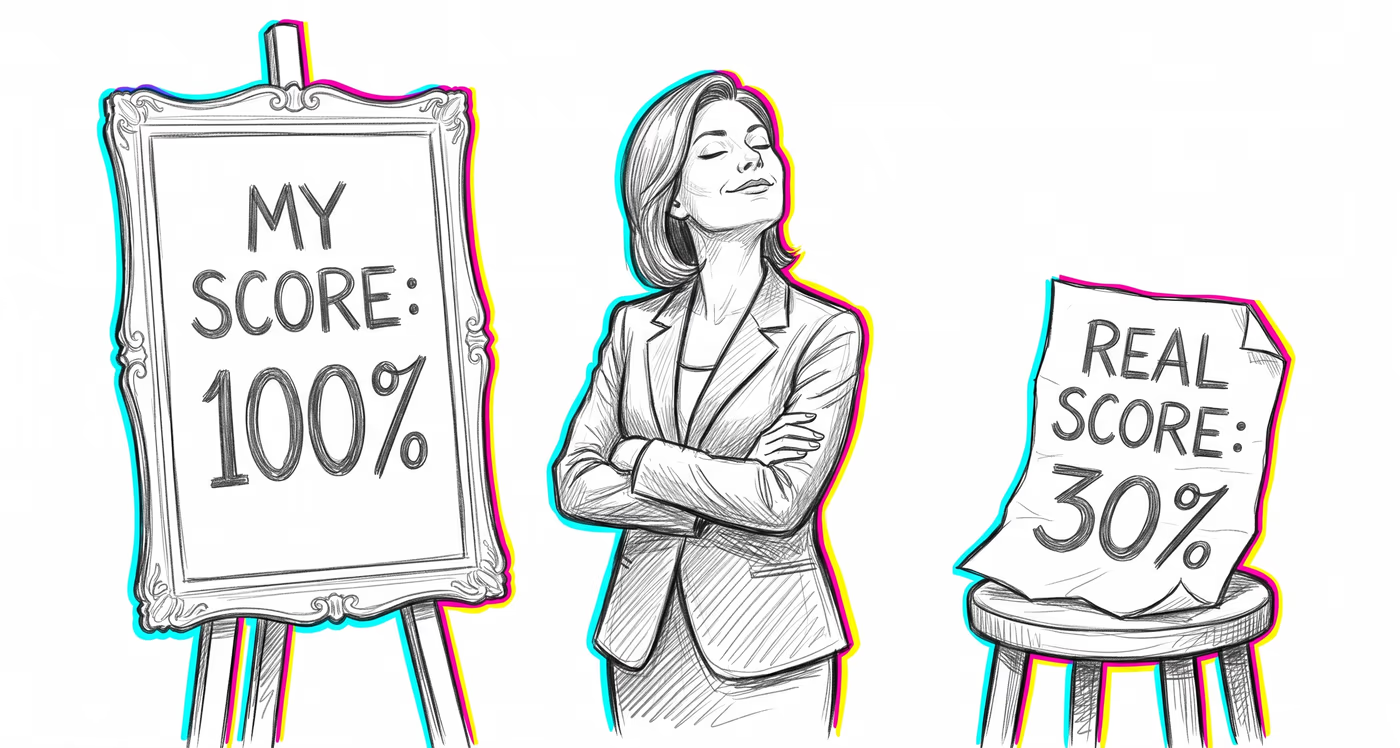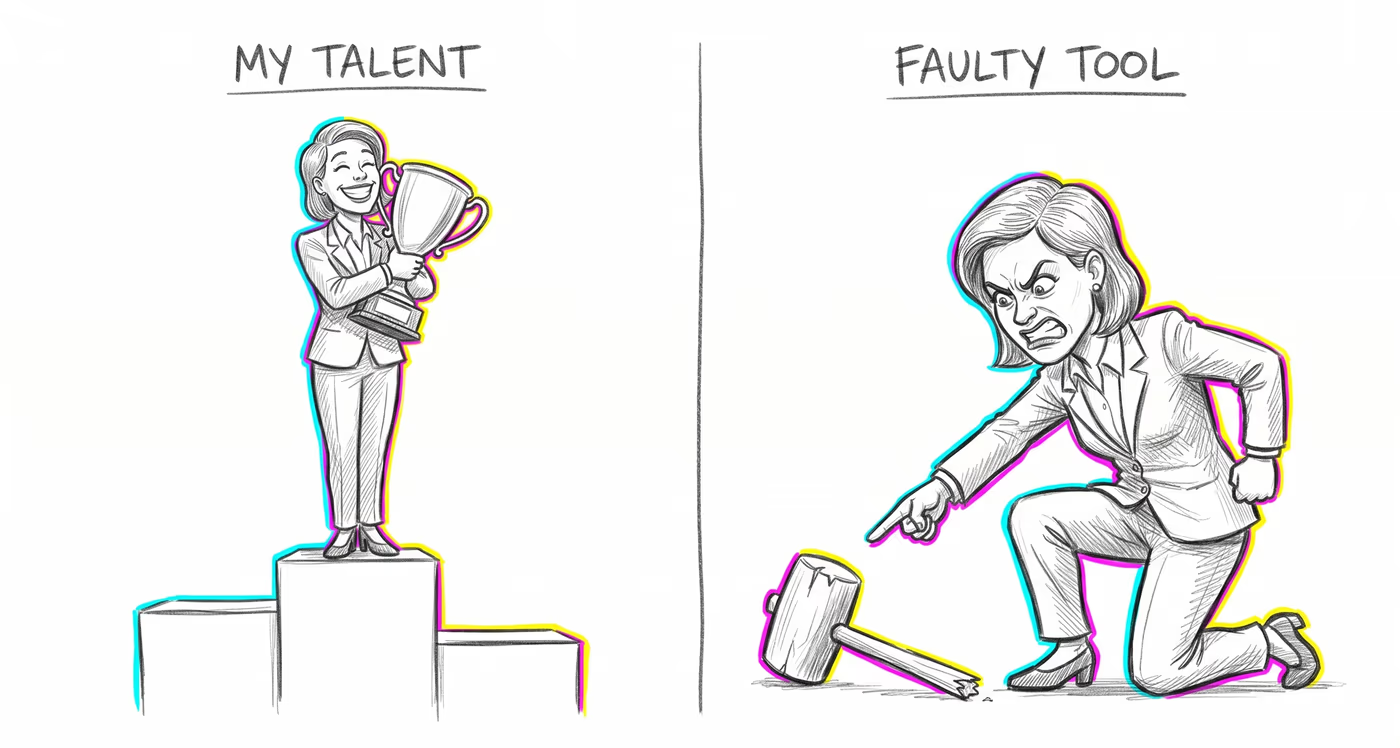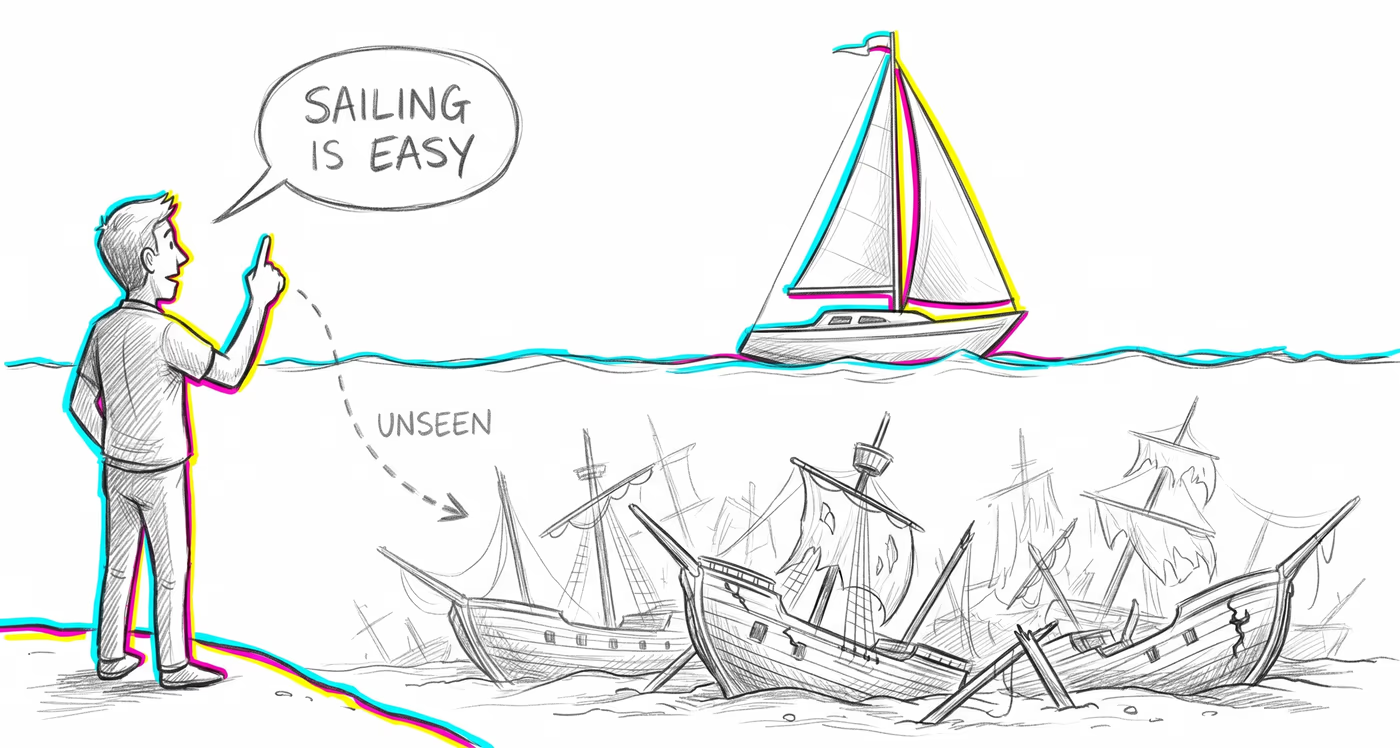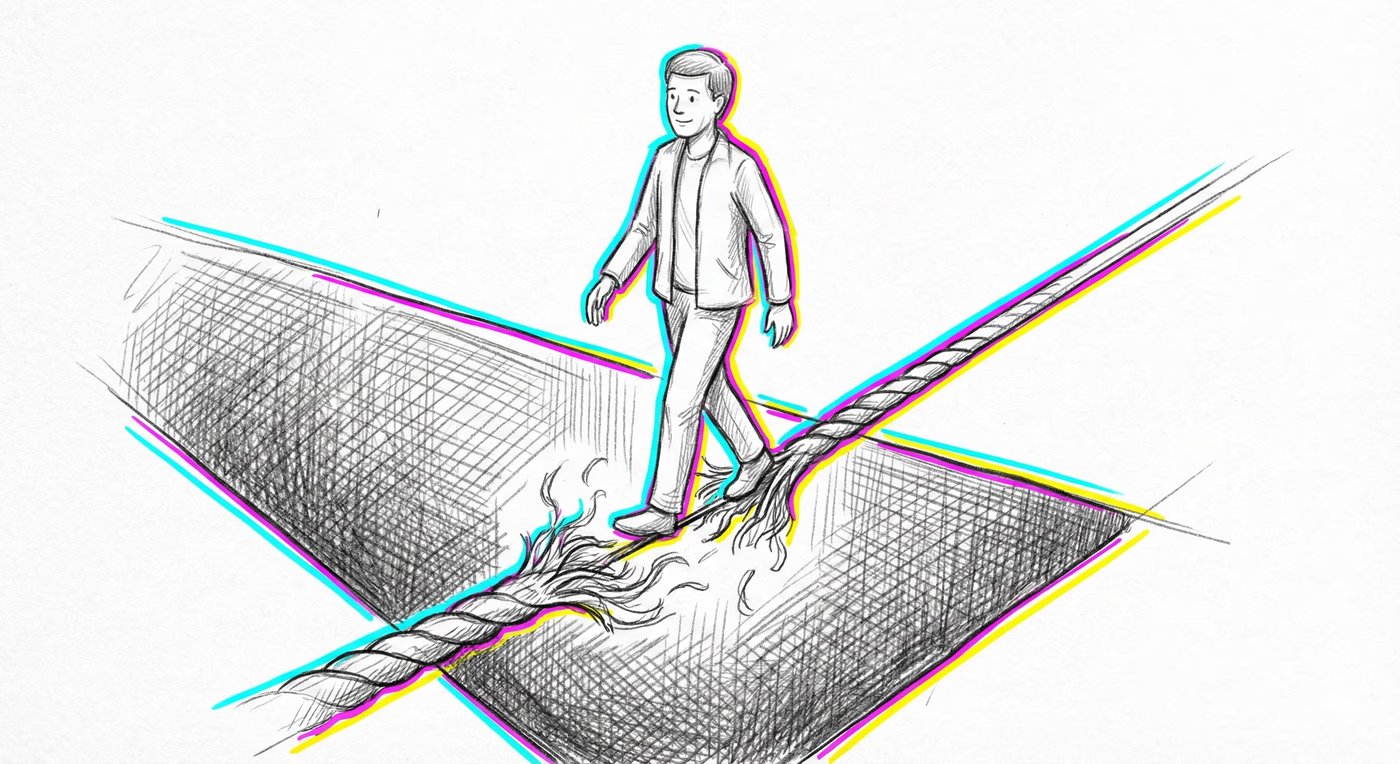
The same glitch looks different depending on the terrain. Finance, medicine, a
relationship, a team — same mechanism, different costume.
Finance & investing
Investors consistently overestimate the returns they will earn and underestimate the likelihood of portfolio losses, leading to under-diversification, inadequate emergency funds, and excessive leverage. Entrepreneurs systematically underweight base rates of business failure when projecting their own ventures' success.
Medicine & diagnosis
Patients underestimate their personal risk for diseases like cancer or heart disease, leading to delayed screenings, non-adherence to preventive regimens, and reluctance to modify risk behaviors such as smoking or poor diet. Clinicians may overestimate their own surgical success rates relative to published benchmarks.
Education & grading
Students overestimate their expected grades and underestimate the time needed to complete assignments, leading to procrastination and inadequate preparation. Teachers may overestimate the future success of students they mentor, setting unrealistic performance benchmarks.
Relationships
Partners enter relationships with inflated expectations of longevity and satisfaction, often dismissing well-documented divorce statistics as irrelevant to their own union. This can lead to under-investment in relationship maintenance, inadequate financial planning for separation, and avoidance of difficult but necessary conversations.
Tech & product
Product teams underestimate development timelines, bug rates, and user churn while overestimating adoption rates and feature engagement. Sprint velocity is consistently over-projected. Launch dates are set based on best-case scenarios rather than historical completion data.
Workplace & hiring
Employees overestimate their likelihood of promotion and salary growth while underestimating the probability of layoffs or career stagnation. Project managers present timelines that assume everything will go smoothly, neglecting contingency for the inevitable disruptions.
Politics Media
Governments systematically underbudget large infrastructure projects, a pattern documented across decades and countries. Citizens underestimate the likelihood that negative policy outcomes will affect them personally, reducing political engagement on preventive measures like climate action or pandemic preparedness.