Finance & investing
Investors who switch financial advisors tend to recall their previous portfolio performance as worse than it actually was, inflating the perceived benefit of the new advisor and justifying switching costs.
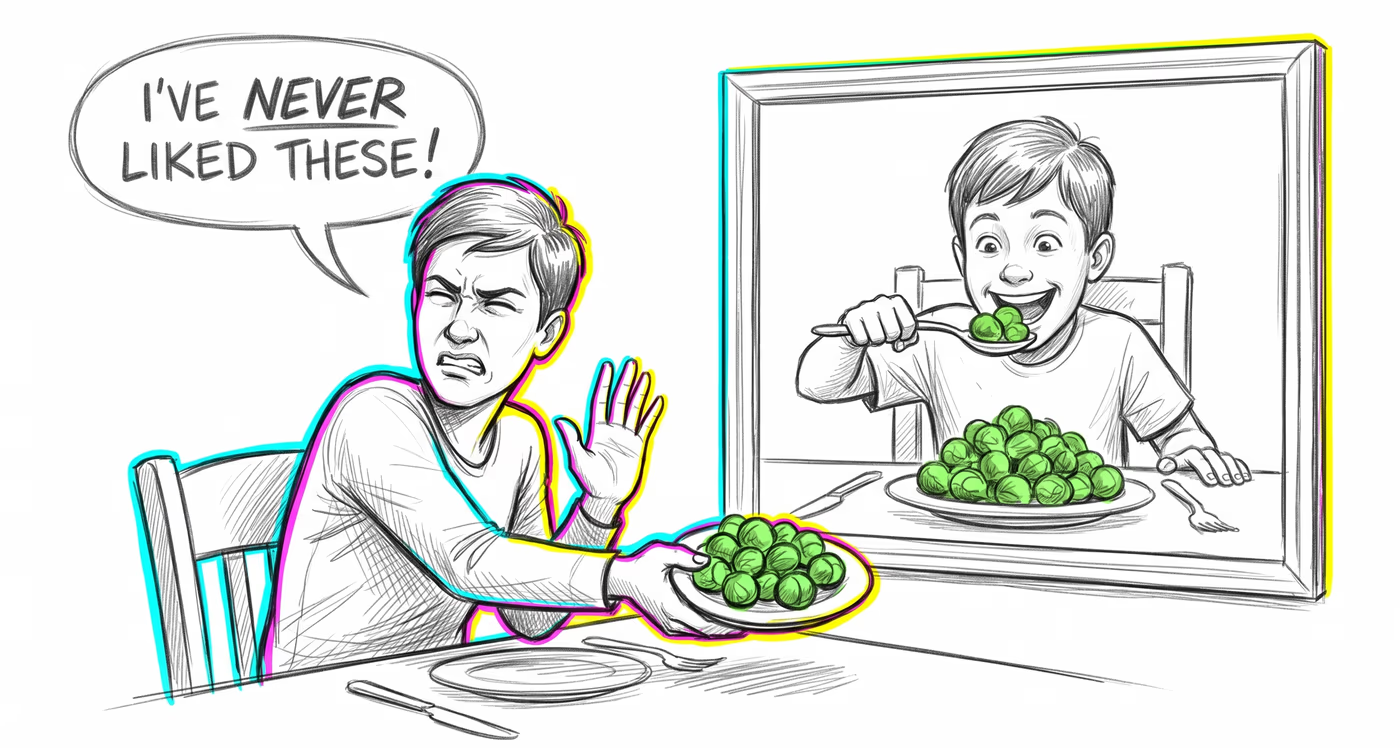
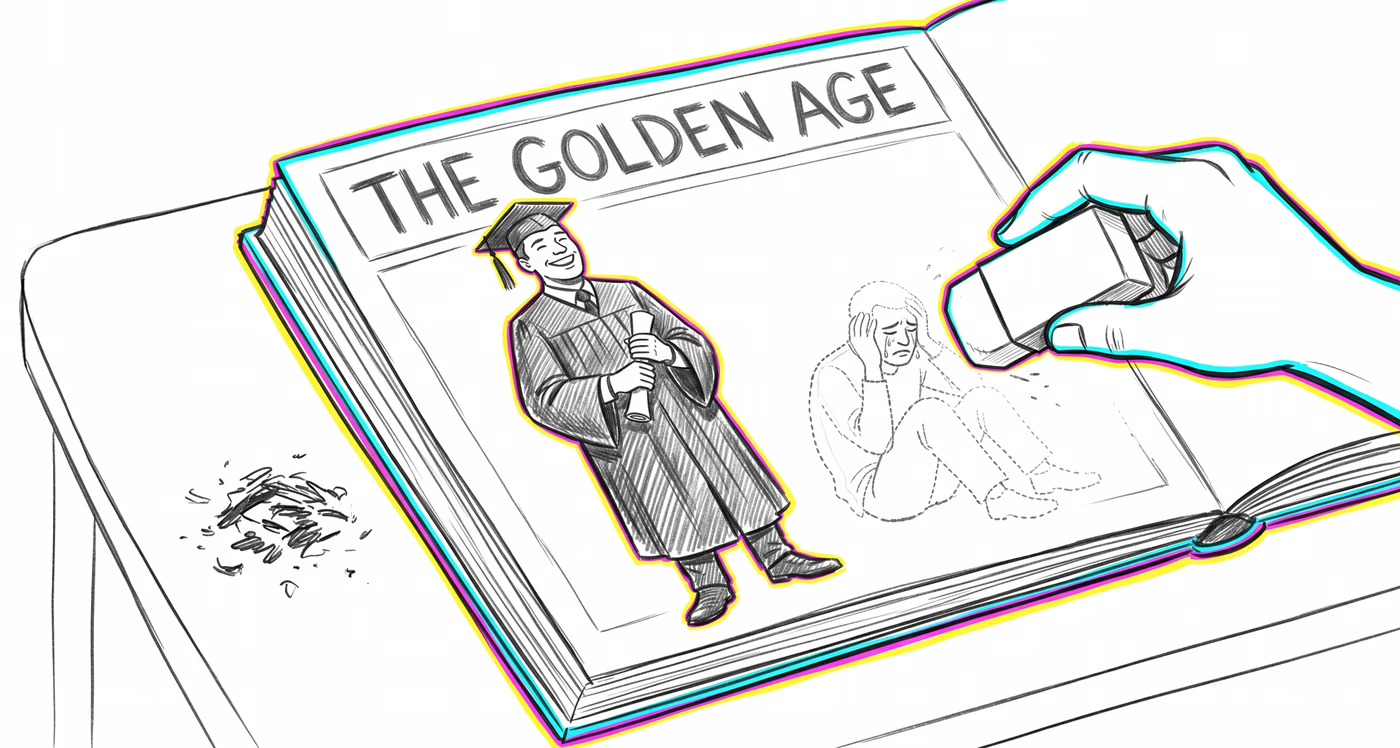
Misremembering your past self as more different from your present self than they actually were.
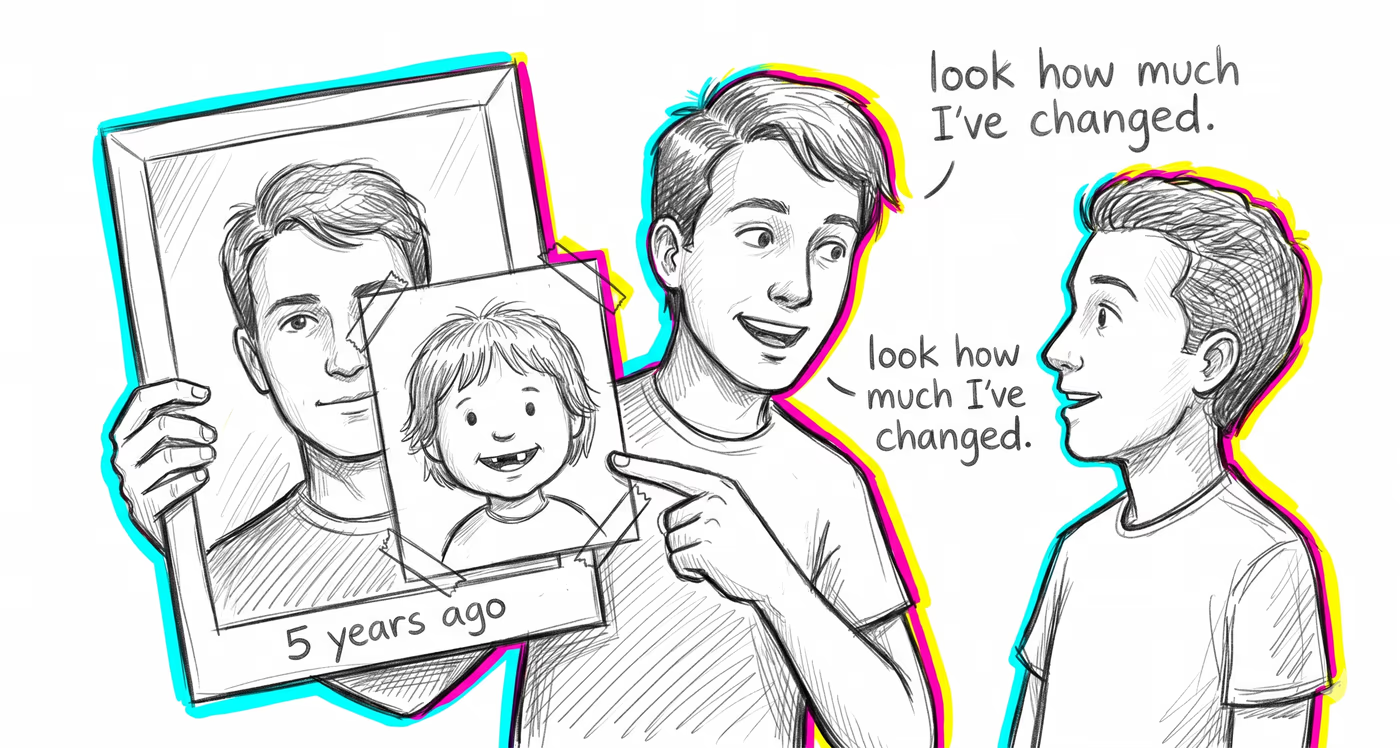
Imagine you took painting lessons. Afterward, you look back at your old paintings and think, 'Wow, those were terrible!' — but actually, they were okay. Your brain made them seem worse in your memory so it feels like you got way better from the lessons, even if you didn't improve that much.
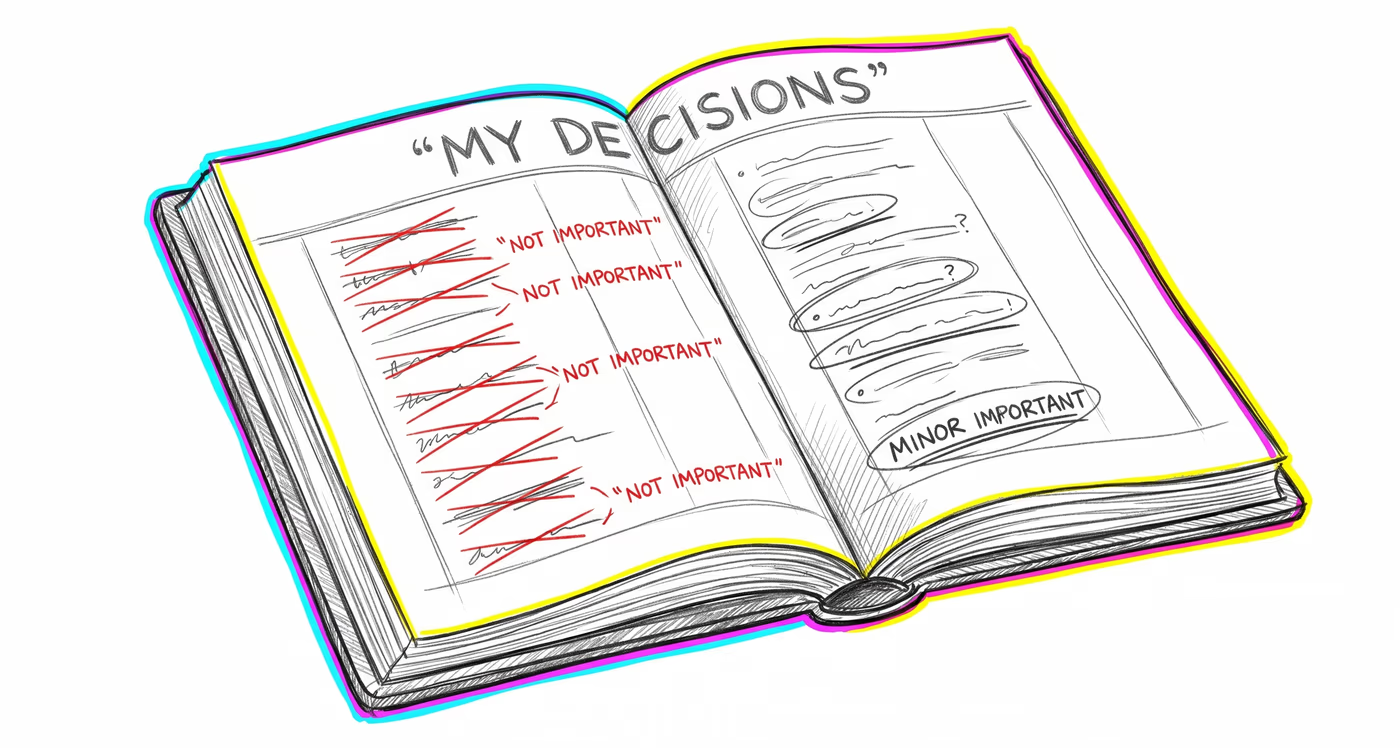
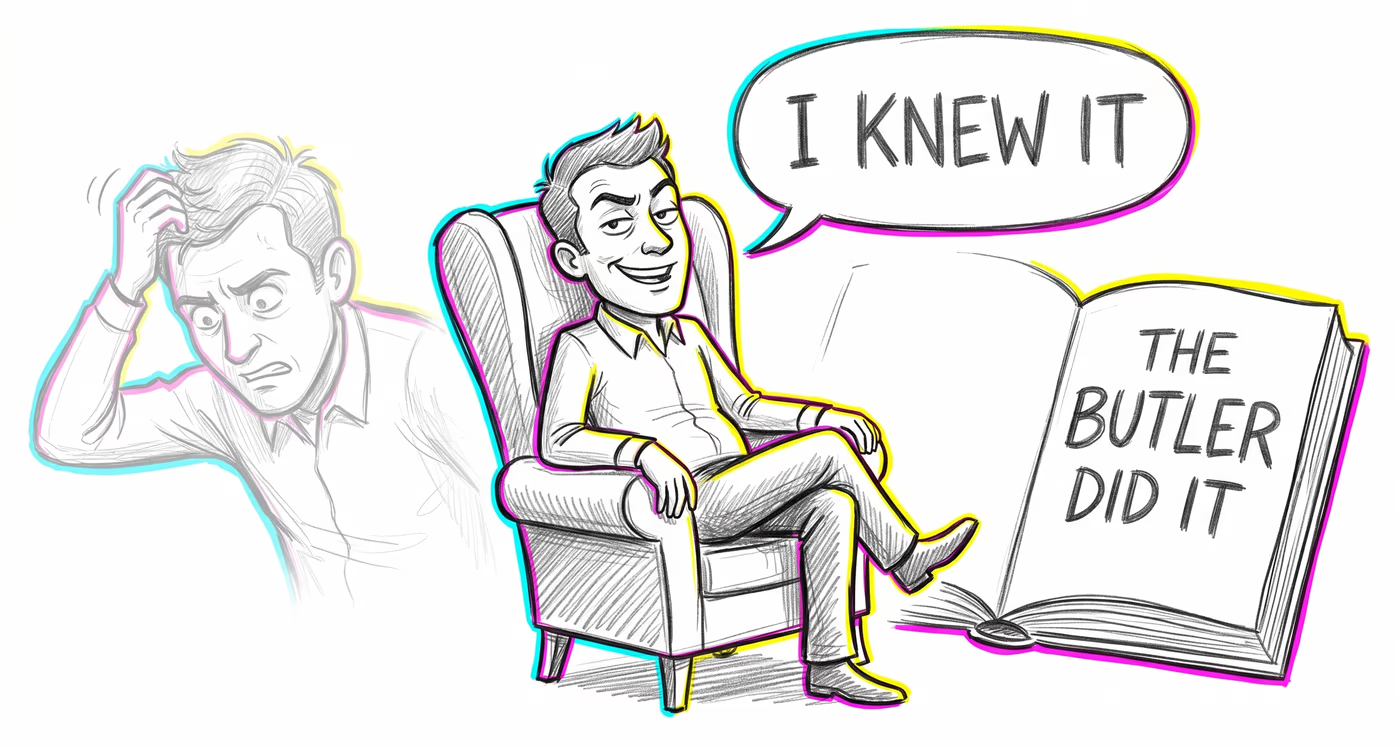
Change Bias occurs when individuals who expect or believe that change has occurred in themselves reconstruct their past selves as more different from their present selves than is actually warranted by objective measures. When people hold an implicit theory that they should have changed — for instance, after therapy, a training program, or simply with the passage of time — they unconsciously revise their memories of past attributes, emotions, or behaviors to manufacture evidence of that expected change. This creates an illusory narrative of personal growth or transformation that may not reflect actual improvement. The bias is particularly potent when people are motivated to see themselves as having progressed, improved, or matured.
The same glitch looks different depending on the terrain. Finance, medicine, a relationship, a team — same mechanism, different costume.
Investors who switch financial advisors tend to recall their previous portfolio performance as worse than it actually was, inflating the perceived benefit of the new advisor and justifying switching costs.
Patients in clinical trials or therapy programs misremember their pre-treatment symptom severity as worse than originally reported, inflating perceived treatment efficacy and complicating the assessment of genuine therapeutic outcomes.
Michael Ross (1989) formalized the theory of implicit theories of stability and change in memory construction. The empirical demonstration was provided by Michael Conway and Michael Ross (1984) in their study 'Getting what you want by revising what you had,' published in the Journal of Personality and Social Psychology.
Perceiving personal growth and progress likely served adaptive functions by maintaining motivation to continue effortful self-improvement behaviors, such as skill acquisition and social learning. Ancestors who felt they were improving — even when objective change was minimal — would have been more persistent in practicing survival-relevant skills.
AI systems trained on self-reported improvement data (e.g., customer satisfaction surveys, therapy outcome surveys, educational assessment surveys) may inherit change bias from training data, as human respondents systematically overstate pre-intervention deficits. This can lead models to overestimate the effectiveness of interventions or programs when relying on retrospective self-reports rather than prospective measurements.
This page taught you the name. The deck turns the name into reflex. 1,100+ swipeable scenarios, 1,100+ defenses, 650+ detection prompts — spaced-repetition Swipe Deck, unlimited Spot-the-Bias Quiz, Defense Playbook, Pre-Flight, My Blindspots, Cheat Sheets, Field Guide e-book. $39.53$59.