The same glitch looks different depending on the terrain. Finance, medicine, a
relationship, a team — same mechanism, different costume.
Finance & investing
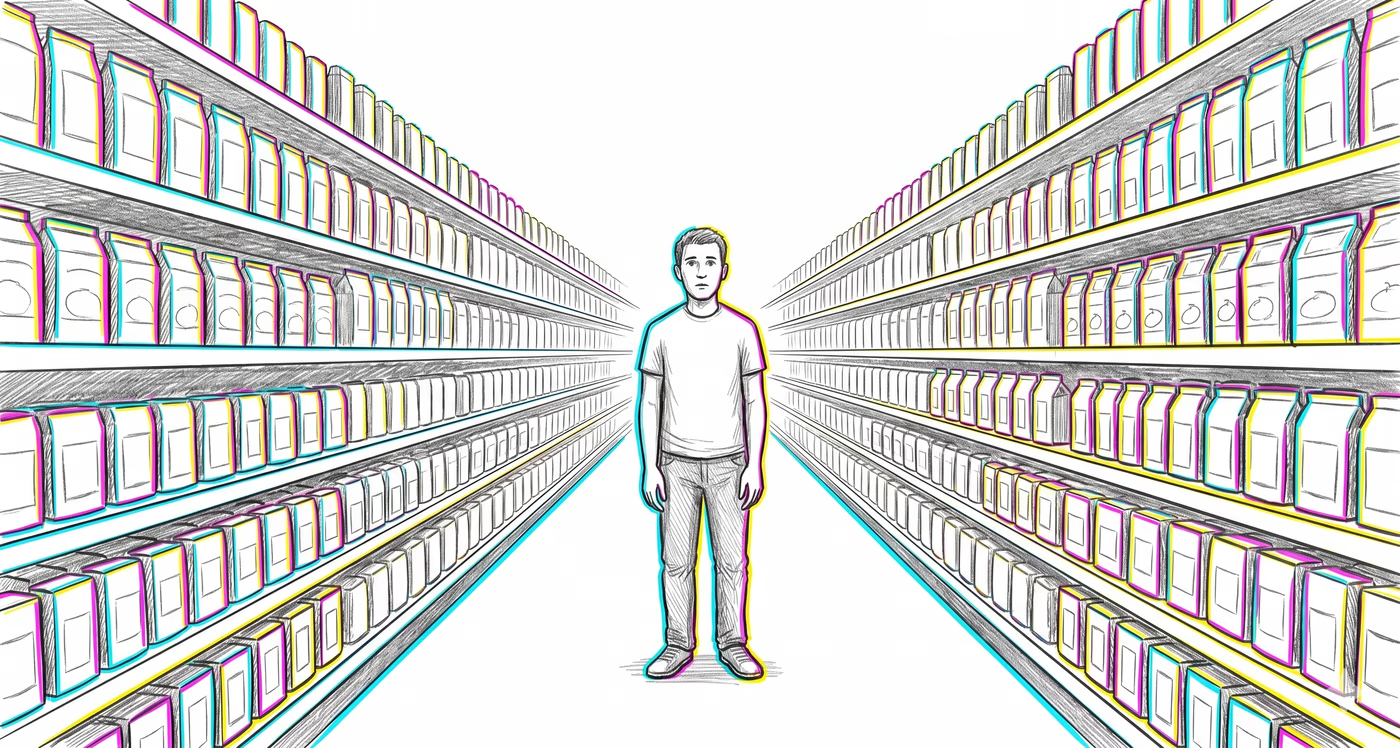
Employees offered retirement plans with dozens of fund options participate at lower rates than those offered plans with fewer funds. The cognitive burden of comparing many similar investment vehicles leads to decision deferral, meaning people fail to invest at all rather than risk choosing a suboptimal fund.
Medicine & diagnosis
Patients presented with multiple treatment options of similar efficacy but different side-effect profiles may delay treatment or default to 'doing nothing,' particularly when physicians present options without a clear recommendation. The complexity of comparing outcomes across treatments can paralyze health decisions at critical moments.
Education & grading
Students with extensive course catalogs and no structured guidance report higher enrollment anxiety and greater post-selection regret. Open curricula can inadvertently reduce academic satisfaction, as students constantly wonder whether alternative courses would have been more valuable.
Relationships
Dating apps that surface hundreds of potential matches can reduce commitment and satisfaction. Users develop a browsing mindset, perpetually believing someone better is one swipe away, which undermines investment in any single connection and increases feelings of loneliness despite abundant options.
Tech & product
Software products with too many features, settings, or configuration options on a single screen see higher user abandonment. Effective UX design deliberately limits visible choices through progressive disclosure, defaults, and curated recommendations to prevent cognitive overload at decision points.
Workplace & hiring
When organizations offer employees excessive benefit plan options, flexible schedule configurations, or professional development tracks without guidance, enrollment and engagement drop. Simplifying offerings or providing curated 'recommended' bundles consistently increases participation.
Politics Media
The explosion of news sources and political commentary channels can lead to information paralysis, where citizens disengage from civic participation because comparing and evaluating competing narratives feels overwhelmingly complex. Voter turnout and policy engagement can paradoxically decline as information availability increases.