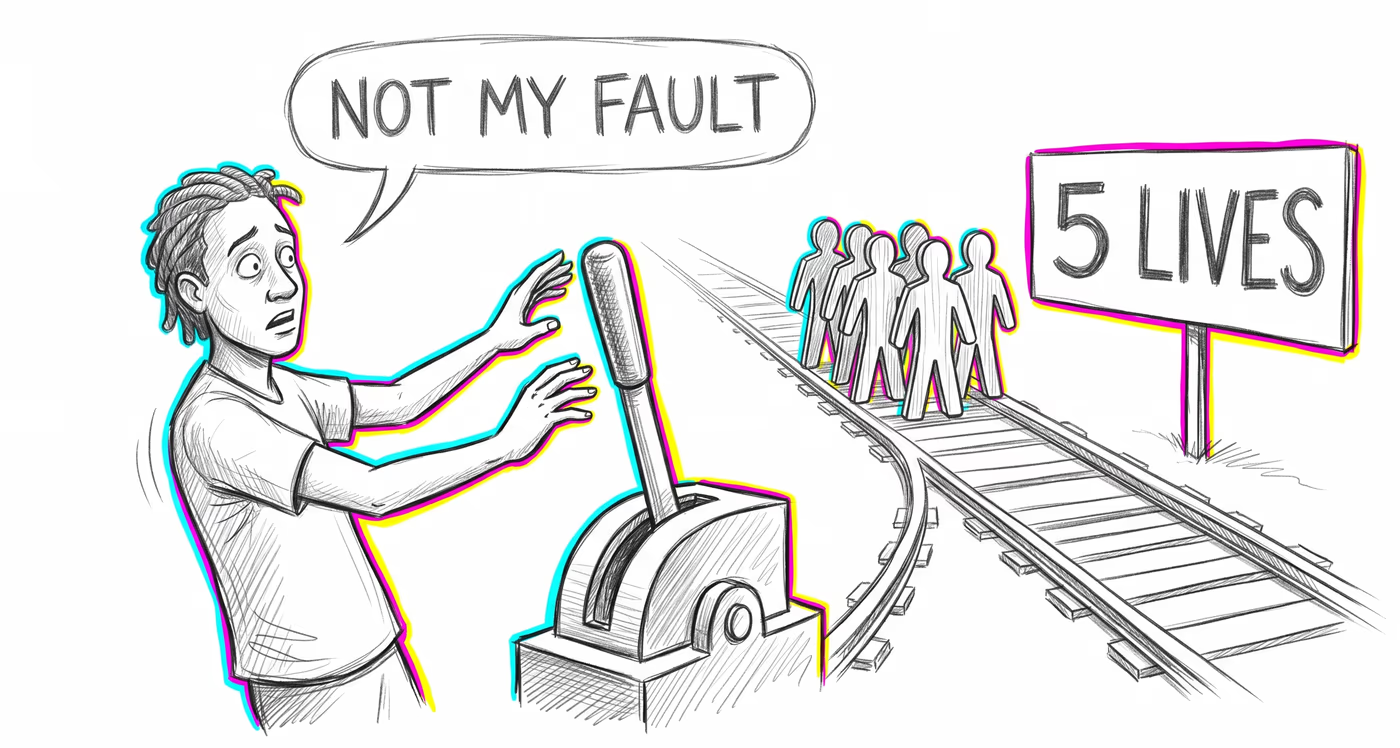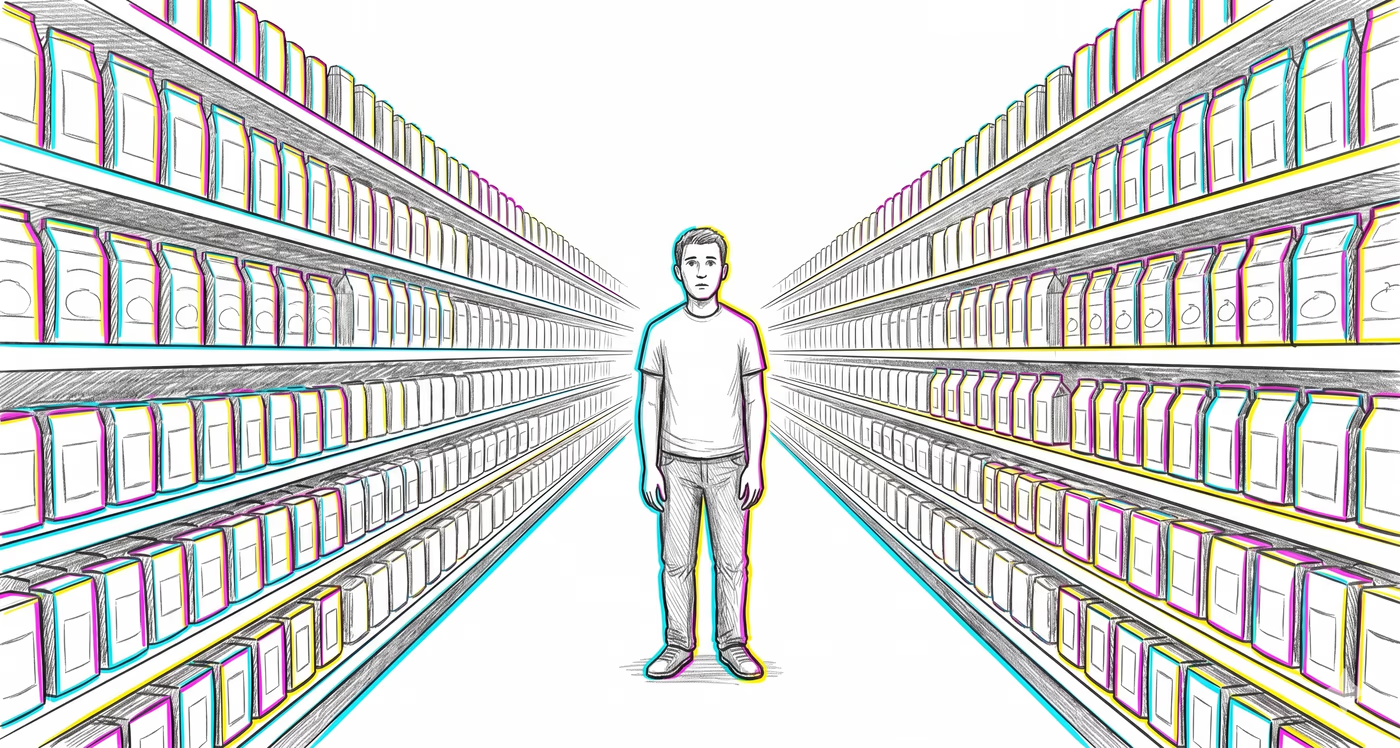
The same glitch looks different depending on the terrain. Finance, medicine, a
relationship, a team — same mechanism, different costume.
Finance & investing
Investors tend to hold onto their current portfolio allocations and default retirement fund selections far longer than optimal, even when market conditions or personal circumstances change significantly. The choice of default enrollment options in 401(k) plans dramatically determines participation rates and contribution levels, with most employees never changing from the preset contribution percentage.
Medicine & diagnosis
Physicians tend to continue prescribing familiar medications or treatment protocols even when newer, evidence-based alternatives emerge. Patients likewise stick with their current health insurance plans, doctors, or treatment regimens despite better options being available, and organ donation rates vary dramatically between opt-in and opt-out countries due to the power of the default.
Education & grading
Students and institutions tend to resist curricular reforms, sticking with established teaching methods, textbook selections, and assessment formats. Faculty resist adopting new pedagogical technologies even when evidence supports their effectiveness, and students default to familiar study methods rather than experimenting with more effective learning strategies.
Relationships
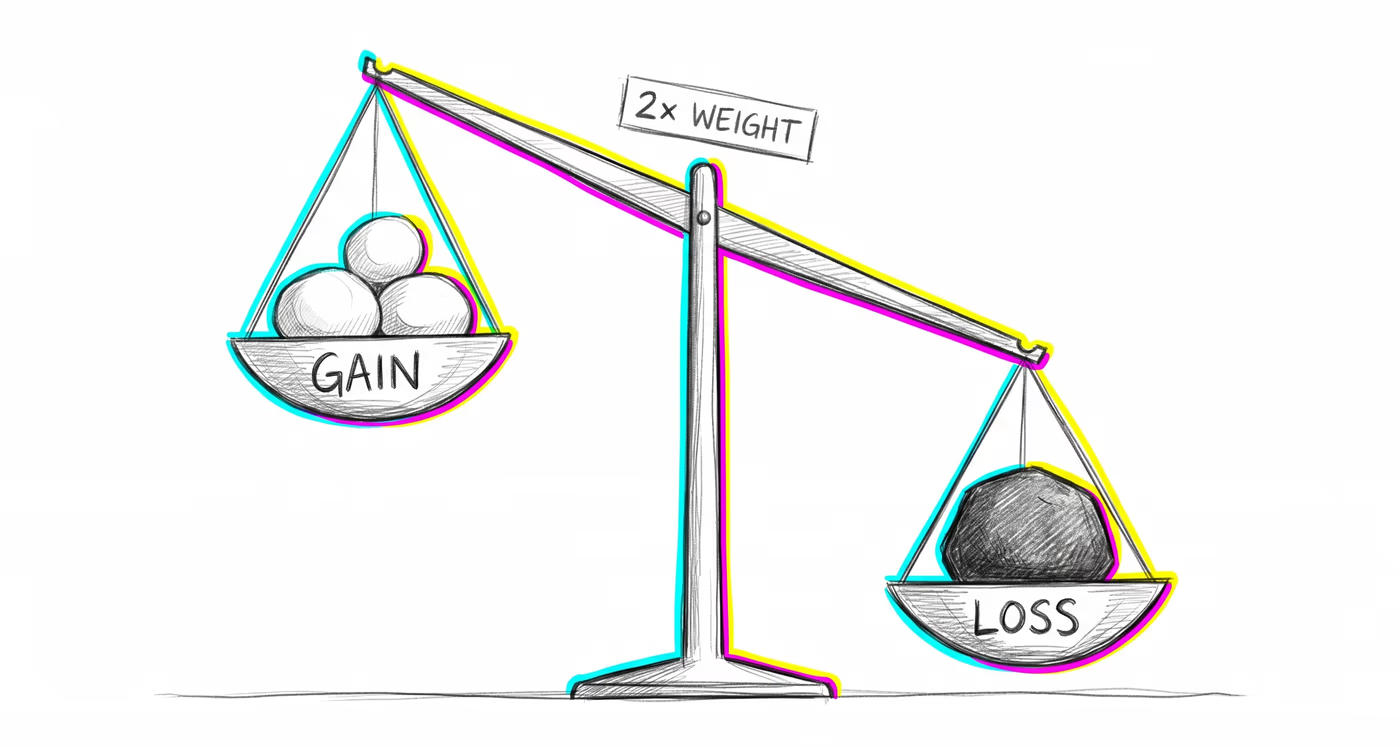
People tend to remain in unsatisfying relationships or social circles longer than they would if they were evaluating them fresh, because the psychological cost of disrupting the current arrangement looms larger than the potential benefits of change. Relationship patterns, communication styles, and household routines persist even when both partners recognize they are suboptimal.
Tech & product
Default settings in software products are disproportionately sticky—users rarely change privacy settings, notification preferences, or display configurations from their factory defaults. Product designers exploit this by making the preferred business option (e.g., data sharing enabled, auto-renewal on) the default, knowing most users will never change it.
Workplace & hiring
Organizations resist restructuring, process changes, and new technology adoption even when clear efficiency gains are documented. Employees resist changes to their workflows, office arrangements, or reporting structures. Hiring managers default to candidates who resemble existing team members rather than risk disrupting the current team dynamic.
Politics Media
Voters exhibit strong incumbency effects, re-electing current officeholders at high rates partly because the incumbent represents the known default. Policy debates are heavily influenced by which option is framed as the existing policy versus the proposed change, and legislative inertia makes it far easier to block new legislation than to pass it.