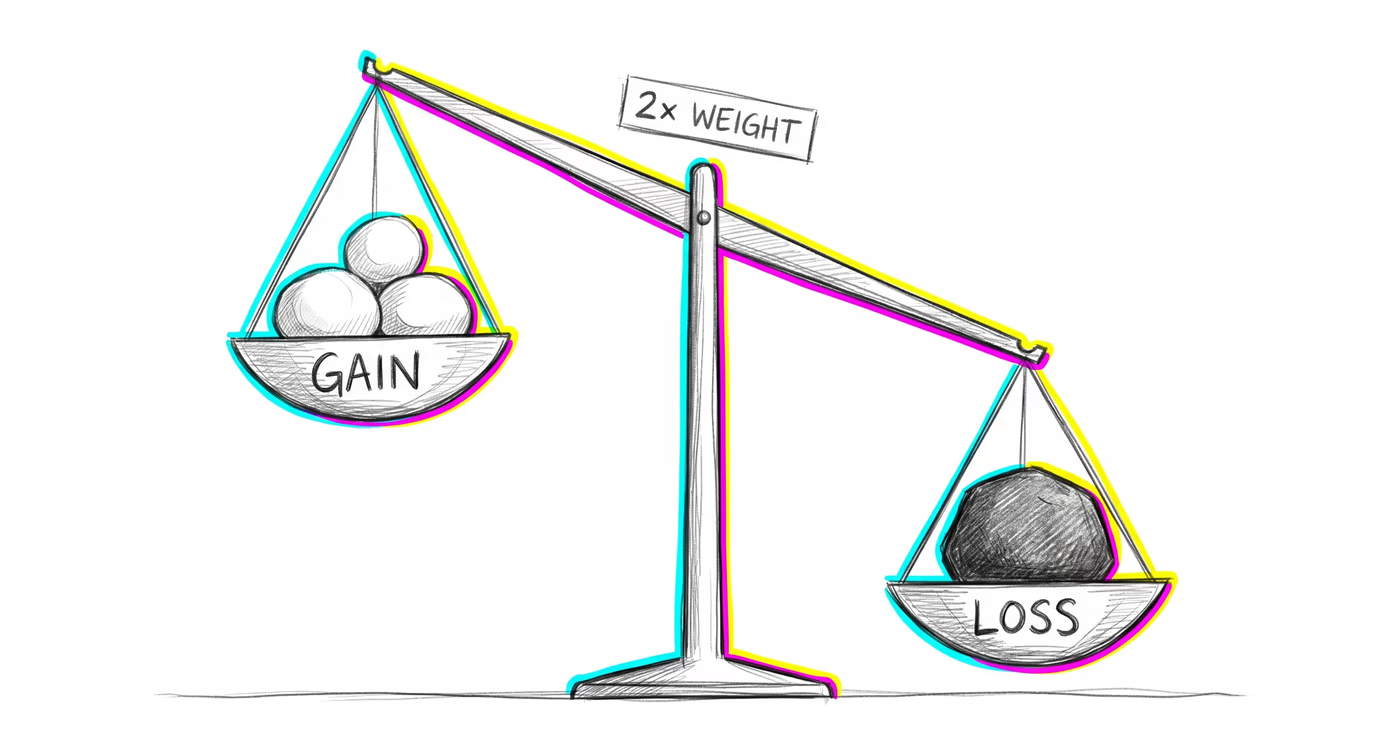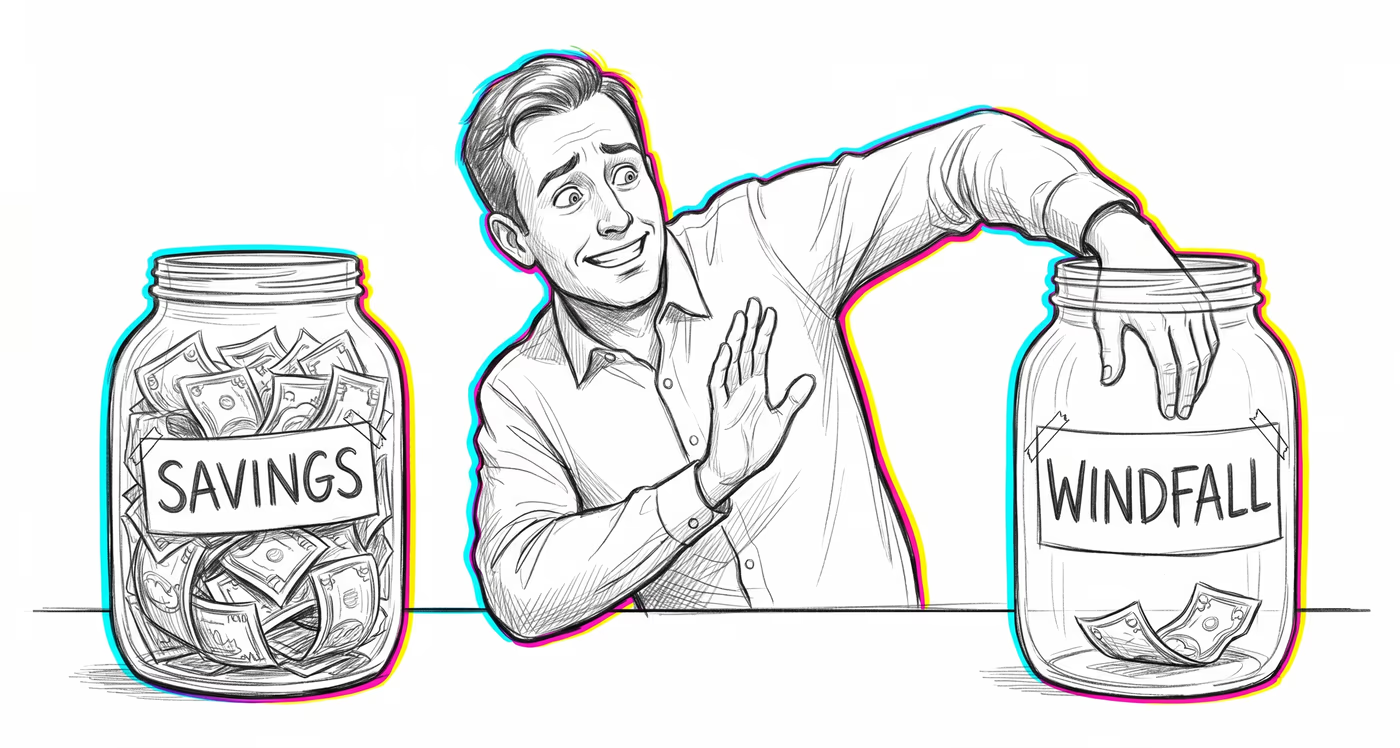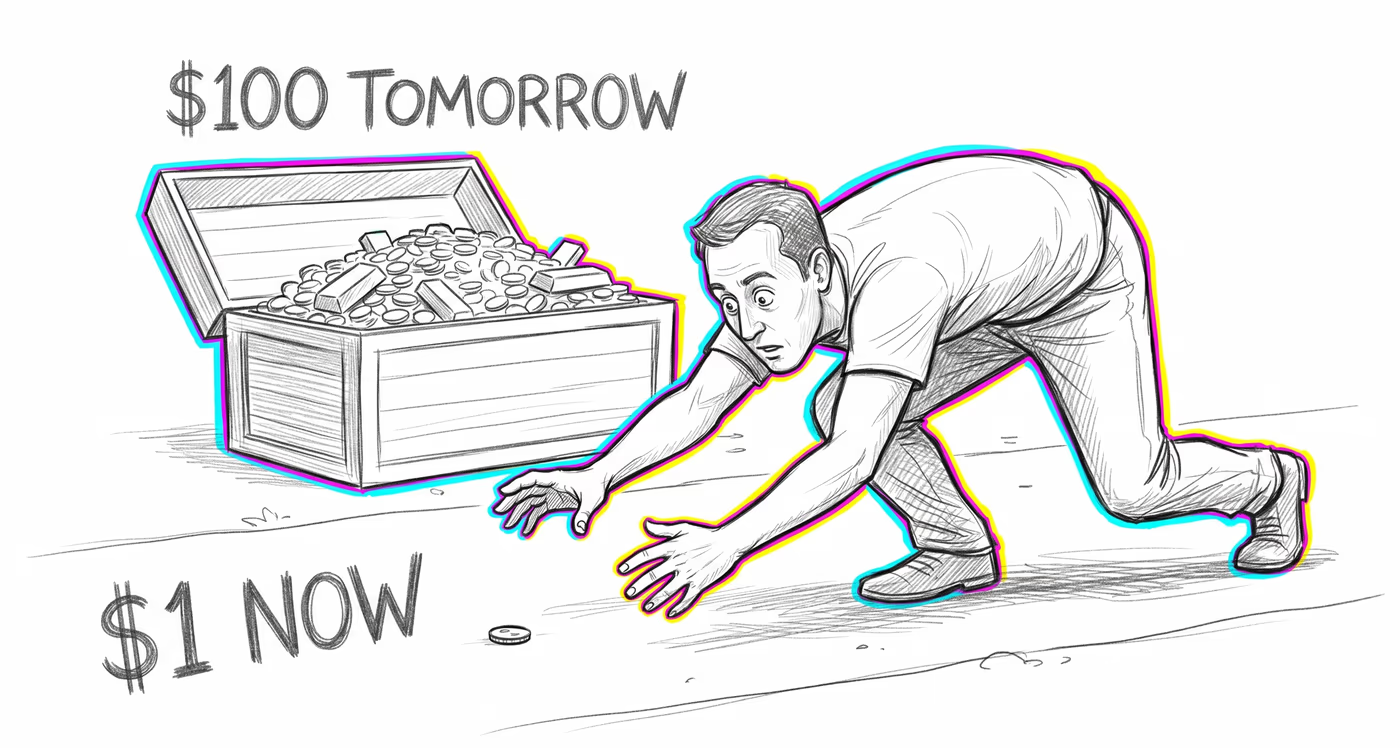
The same glitch looks different depending on the terrain. Finance, medicine, a
relationship, a team — same mechanism, different costume.
Finance & investing
Investors and consumers systematically under-save for retirement, prefer lump-sum payouts over annuities with higher total value, carry high-interest credit card debt while holding low-yield savings, and cash out investment positions prematurely rather than allowing compound growth to accumulate over time.

Medicine & diagnosis
Patients skip medications with delayed preventive benefits (like statins or blood pressure drugs) because side effects are immediate while benefits manifest over years. People consistently choose pleasurable but unhealthy behaviors—smoking, overeating, sedentary living—despite fully understanding the long-term health consequences, because the reward is now and the cost is later.
Education & grading
Students procrastinate on long-term assignments, cramming at the last minute rather than distributing effort over weeks. The immediate comfort of leisure consistently outweighs the distant reward of better grades, even when students explicitly endorse the value of steady studying and have made detailed study plans in advance.
Relationships
People avoid difficult but relationship-strengthening conversations—about finances, boundaries, or unresolved conflicts—because the emotional discomfort is immediate while the relational benefit is months or years away. Partners may chronically choose short-term conflict avoidance over long-term intimacy building.
Tech & product
Users abandon sign-up flows requiring effort now for benefits later. Free trial models and 'buy now, pay later' schemes exploit this bias by front-loading rewards and deferring costs. Product teams optimize for short-term engagement metrics at the expense of long-term user retention and product health.
Workplace & hiring
Employees prioritize urgent but low-impact tasks like clearing emails over important but non-urgent strategic work. Organizations chase quarterly earnings targets at the expense of long-term R&D investment and infrastructure maintenance, because immediate results feel more real than deferred gains.
Politics Media
Politicians favor policies with visible short-term benefits (stimulus payments, tax cuts) over investments with diffuse long-term payoffs (infrastructure, education funding, climate policy). Voters systematically reward leaders who deliver immediate, tangible results and punish those proposing short-term sacrifice for long-term collective gain.