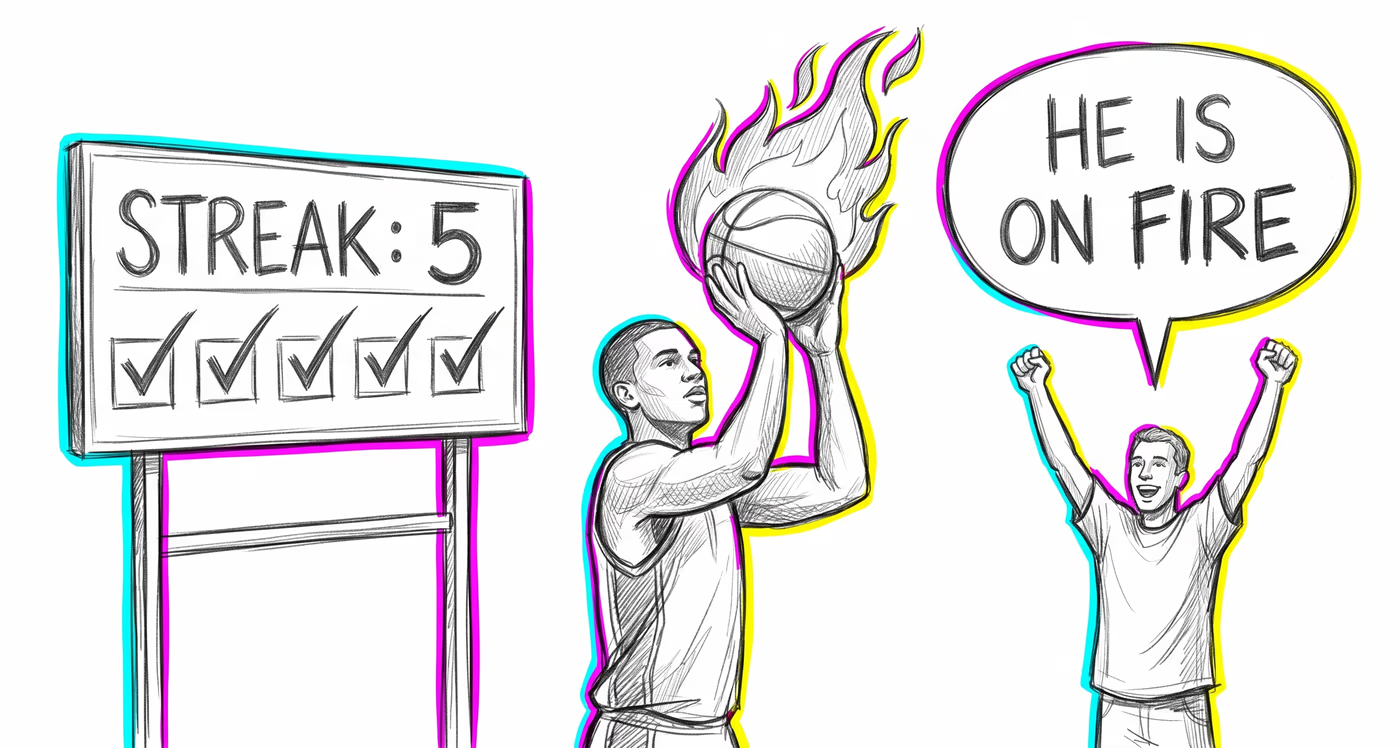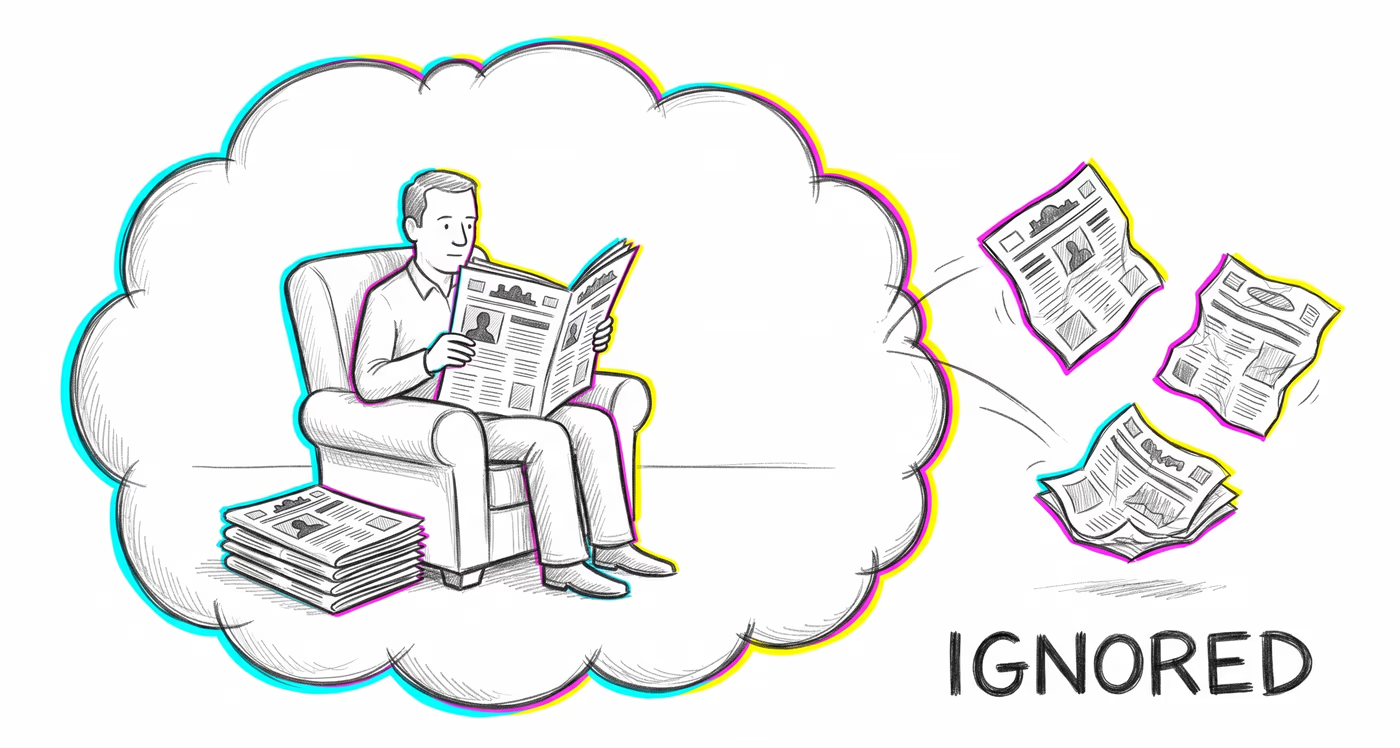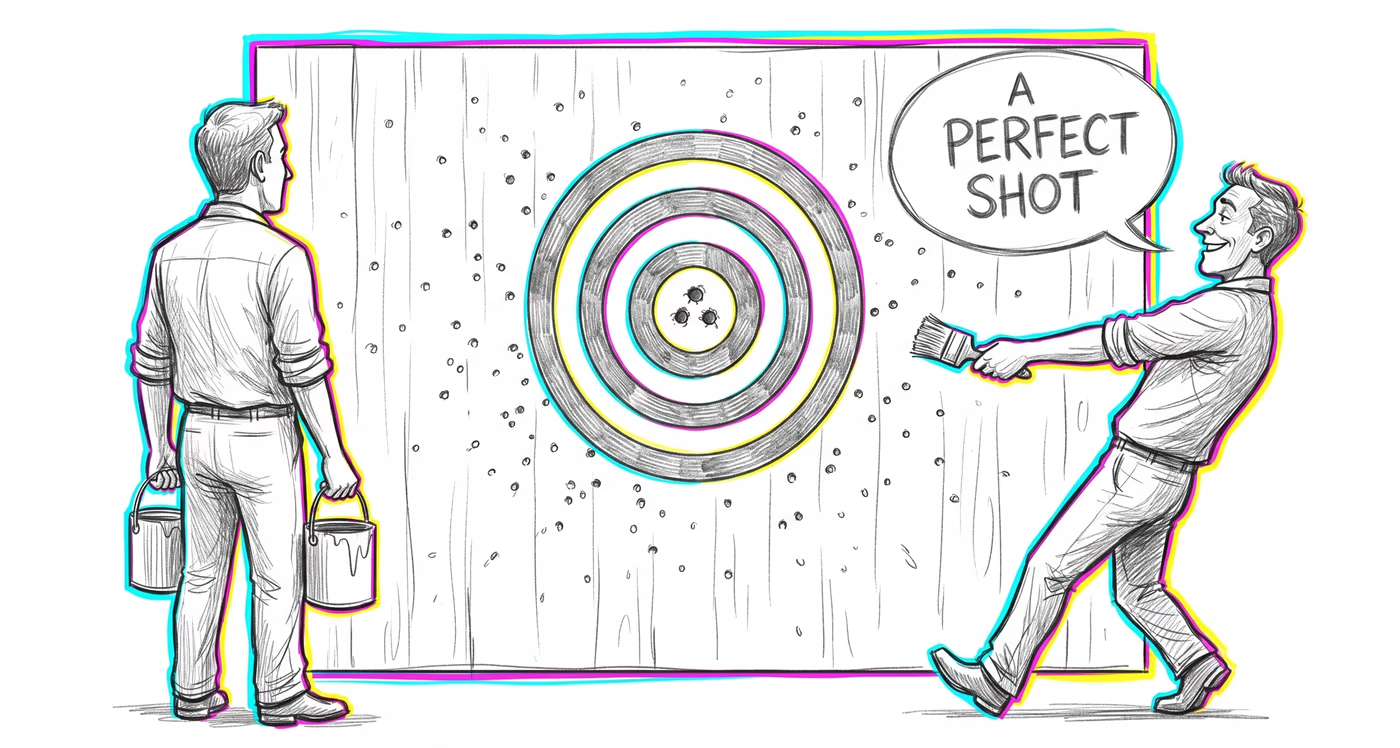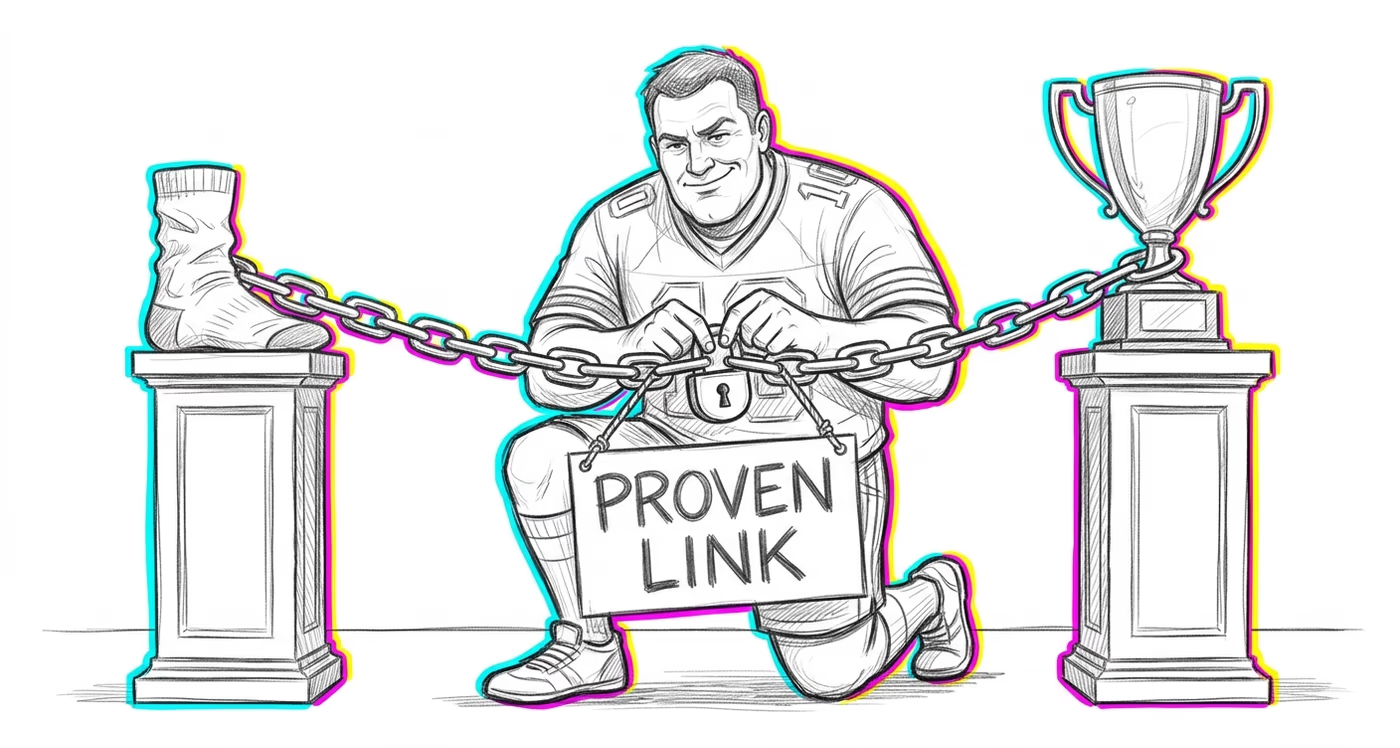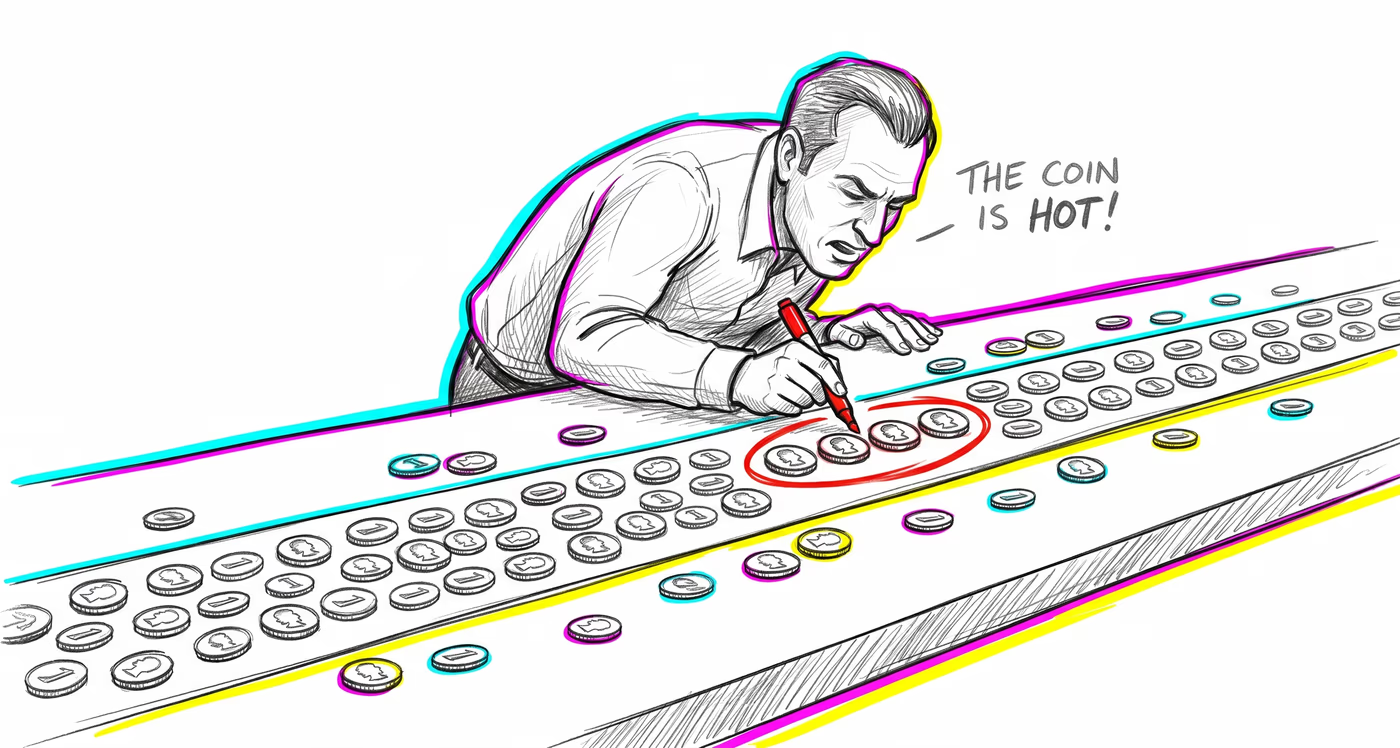
The same glitch looks different depending on the terrain. Finance, medicine, a
relationship, a team — same mechanism, different costume.
Finance & investing
Investors frequently interpret short runs of positive returns in a stock or fund as evidence of a trend or skilled management, leading them to buy after a streak and sell after a dip — essentially trading on random noise. This pattern is especially dangerous in small-sample contexts like quarterly performance reviews.
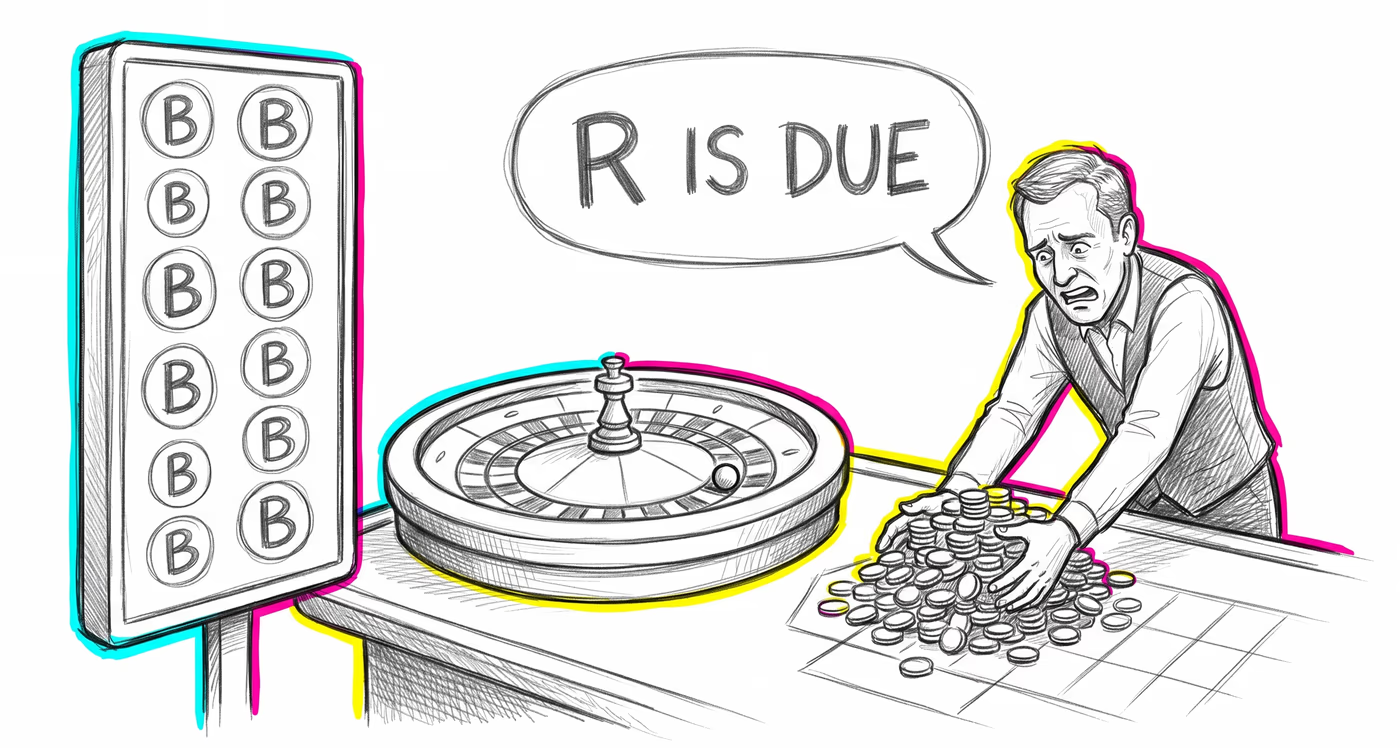
Medicine & diagnosis
Random geographic clusters of rare diseases often trigger expensive investigations into environmental causes. Clinicians may also see a 'run' of patients with the same diagnosis and suspect an outbreak when the cases are statistically independent and the cluster is expected by chance.
Education & grading
Teachers may observe a student getting several answers wrong in a row on a test and conclude the student doesn't understand the topic, when in fact the error streak falls within normal performance variation. Conversely, a short run of correct answers may lead to overestimation of mastery.
Relationships
People interpret a streak of positive or negative interactions with a partner as a 'trend' in the relationship — for example, concluding the relationship is 'going downhill' after three consecutive arguments, without accounting for the natural variability of day-to-day dynamics.
Tech & product
Product teams may see a cluster of negative reviews on a particular day and rush to ship a hotfix for a nonexistent bug, or observe a short spike in conversions after a minor UI change and attribute it to the change when it's random fluctuation. A/B testing without proper sample sizes amplifies this bias.
Workplace & hiring
Hiring managers may perceive a 'bad streak' after three unsuccessful hires and overhaul their entire hiring process, or see a run of successful hires and attribute it to a particular interview question or technique, without evidence that the streak exceeds chance.
Politics Media
News outlets report on short-term clusters of events — several mass shootings in one month, or a string of political scandals — as 'trends' or 'crises,' when the clustering may fall within the range expected from random temporal distribution. This drives disproportionate public fear and policy reactions.