The same glitch looks different depending on the terrain. Finance, medicine, a
relationship, a team — same mechanism, different costume.
Finance & investing
Investors who search online for information about economic downturns may escalate minor market fluctuations into catastrophic expectations, leading to panic selling. The same algorithmic amplification that surfaces worst-case medical diagnoses also surfaces worst-case financial scenarios, causing disproportionate anxiety about portfolio risk.
Medicine & diagnosis
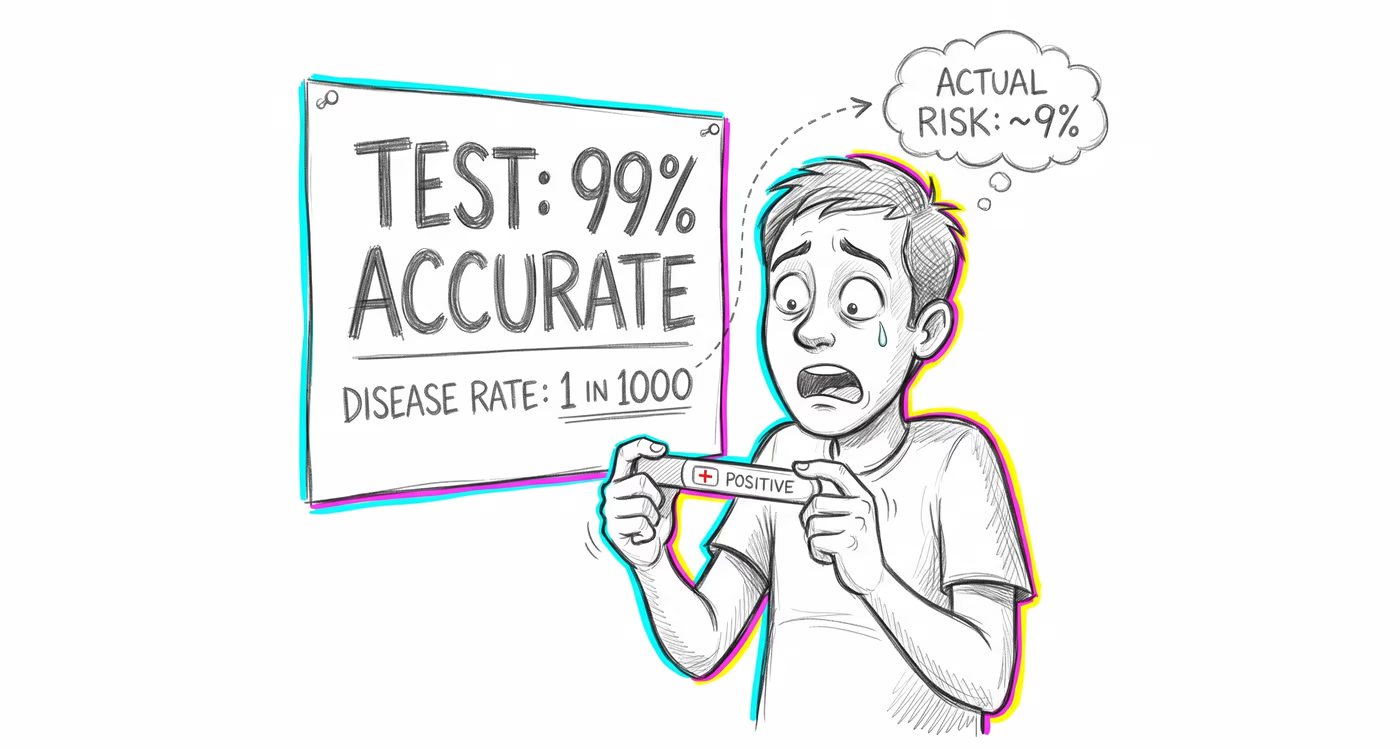
Patients arrive at appointments having already self-diagnosed with rare, serious conditions based on internet searches, leading to demand for unnecessary tests, imaging, and specialist referrals. Clinicians spend significant time de-escalating patient anxiety rather than conducting productive consultations, increasing healthcare costs and reducing system efficiency.
Education & grading
Students studying health sciences or medical topics may develop heightened health anxiety as they encounter clinical descriptions of diseases during coursework, compounded by supplementary online research that disproportionately surfaces worst-case scenarios rather than common presentations.
Relationships
A partner's casual mention of a symptom triggers the other person to search obsessively online, leading to anxious demands that the partner seek immediate medical attention. This dynamic can create tension, with the searcher perceived as controlling or catastrophizing, while they experience genuine distress.
Tech & product
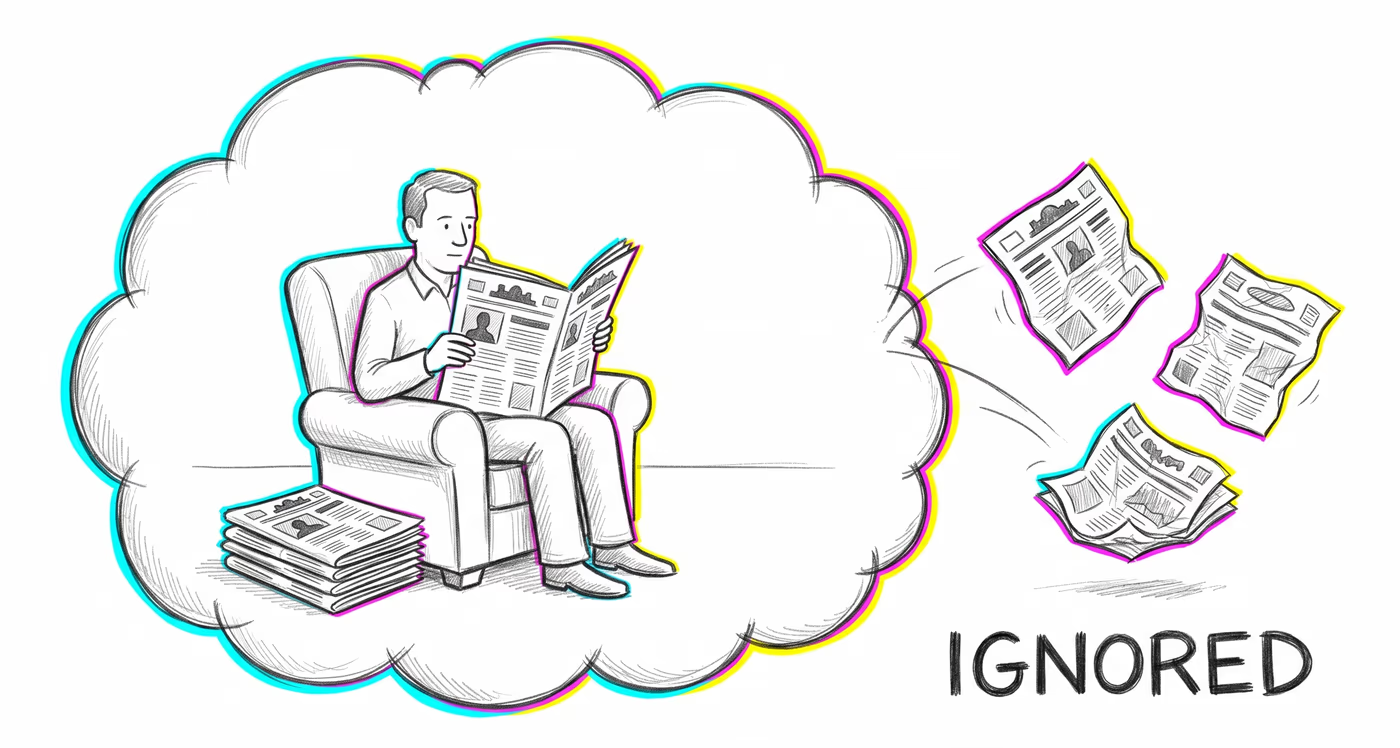
Symptom-checker apps and health information platforms face the design challenge of presenting medically accurate information without triggering escalation spirals. Search engine ranking algorithms, optimized for engagement and click-through, systematically bias results toward rare, alarming diagnoses over common, benign ones, structurally amplifying cyberchondria.
Workplace & hiring
Employees who experience minor work-related physical complaints (back pain, eye strain, repetitive strain) may search online and become convinced they have serious occupational injuries, leading to absenteeism, disability claims, or excessive workplace accommodations based on self-diagnosed conditions that medical evaluation does not support.
Politics Media
During public health crises like pandemics, cyberchondria amplifies misinformation consumption. People searching for symptoms of a novel disease encounter alarmist media coverage and unverified social media claims, which escalates both individual anxiety and collective panic, complicating public health communication efforts.