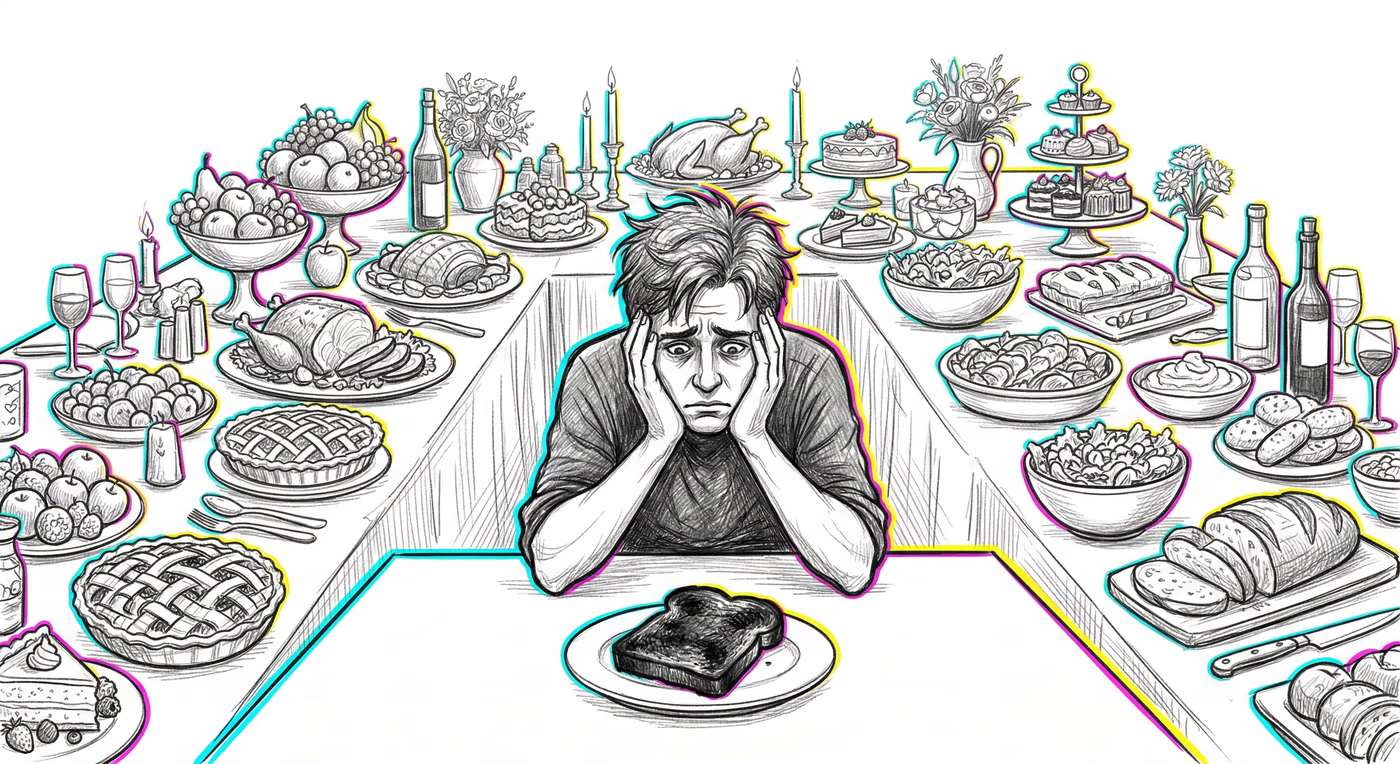
The same glitch looks different depending on the terrain. Finance, medicine, a
relationship, a team — same mechanism, different costume.
Finance & investing
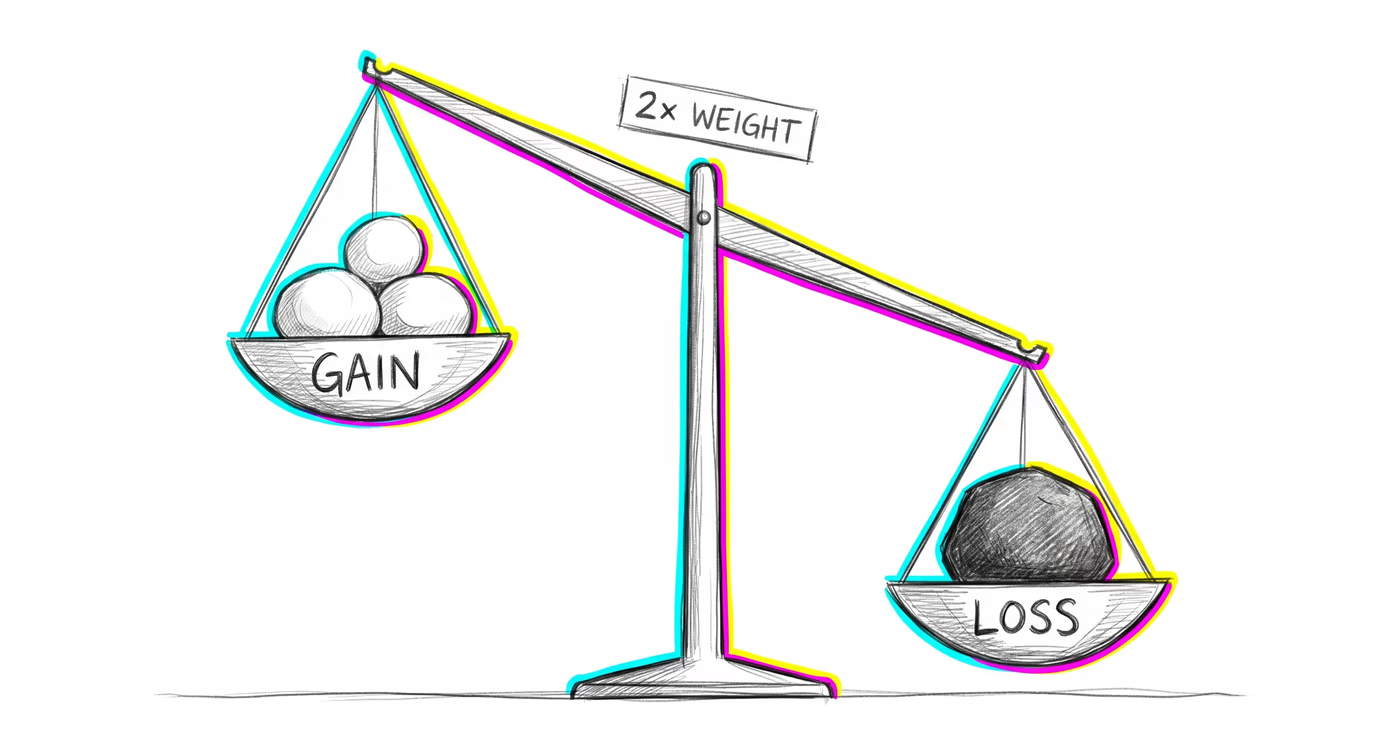
Investors tend to react more sharply to portfolio losses than to equivalent gains, often selling winning positions prematurely while obsessing over underperforming holdings. Market downturns receive disproportionate media coverage and emotional weight compared to equivalent upswings, contributing to panic selling during corrections.
Medicine & diagnosis
Patients tend to recall and emphasize negative side effects of treatments over positive outcomes, which can reduce medication adherence. Physicians may overweight a single alarming symptom in a patient history while underweighting multiple reassuring indicators, leading to unnecessary invasive testing.
Education & grading
Students who receive mixed feedback tend to internalize the critical comments far more deeply than the praise, which can reduce motivation and self-efficacy. Teachers may disproportionately remember and report on a student's behavioral incidents rather than their many instances of positive engagement.
Relationships
Partners tend to remember and ruminate on hurtful comments far more than kind ones, creating an asymmetric emotional ledger where a single argument can overshadow weeks of harmony. Research on marital stability suggests a roughly 5:1 ratio of positive to negative interactions is needed to maintain a healthy relationship.
Tech & product
Users who encounter one frustrating bug or confusing interface element are far more likely to leave a negative review than users who have a smooth experience are to leave a positive one. Product teams often design around worst-case negative scenarios at the expense of optimizing the positive experience for the majority of users.
Workplace & hiring
In performance reviews, managers and employees alike tend to fixate on a single piece of critical feedback rather than the broader positive evaluation. A single negative interaction with a colleague can permanently color perceptions of that person, even after many subsequent positive interactions.
Politics Media
News organizations disproportionately cover negative events (crime, scandal, disaster) over positive developments because audiences attend to and share negative stories at higher rates. Negative political advertising is more effective and memorable than positive advertising, incentivizing attack-based campaign strategies.