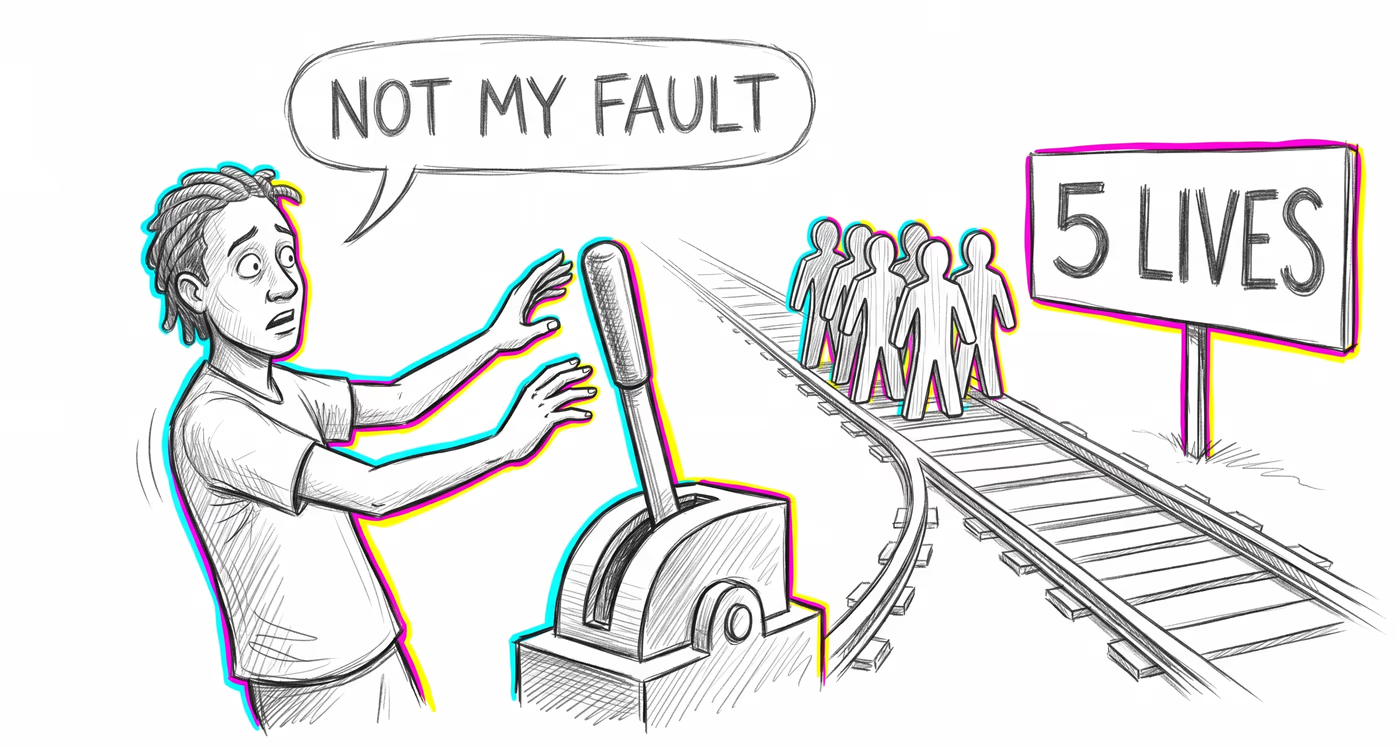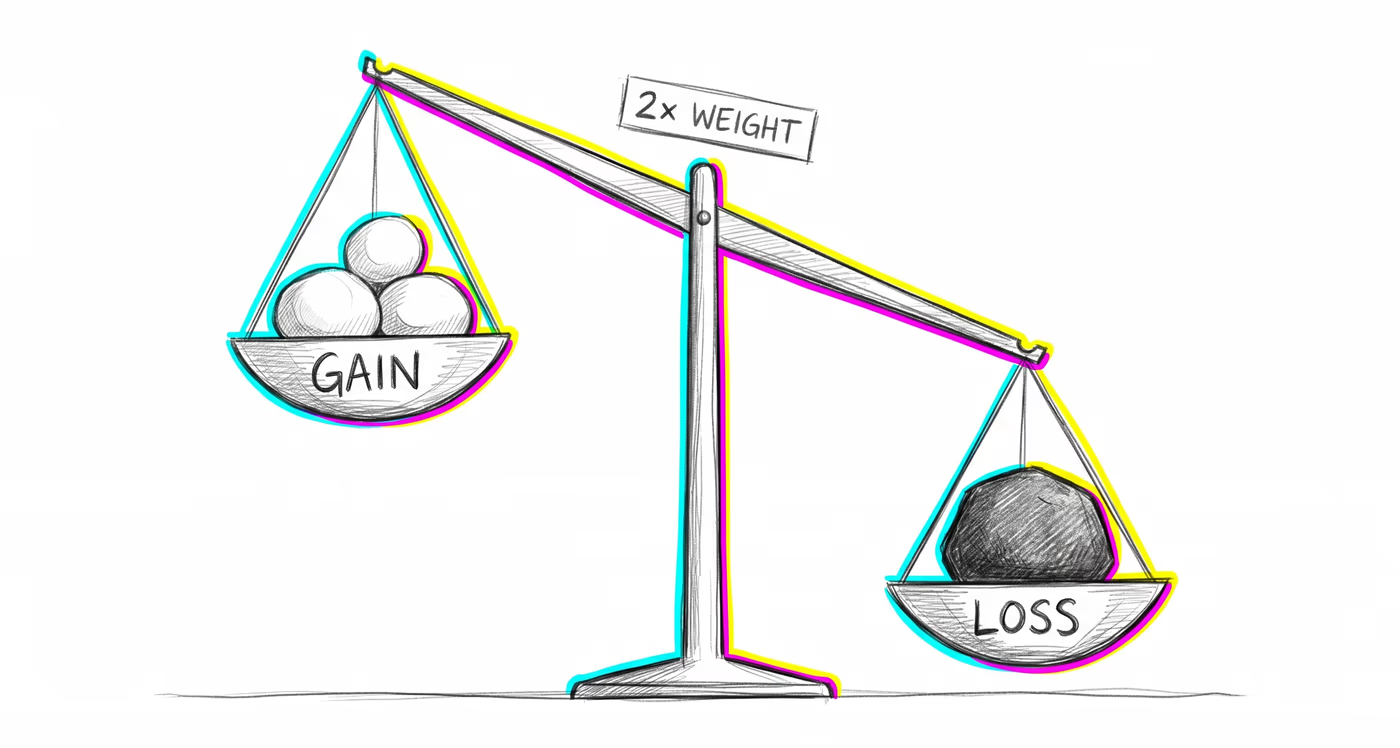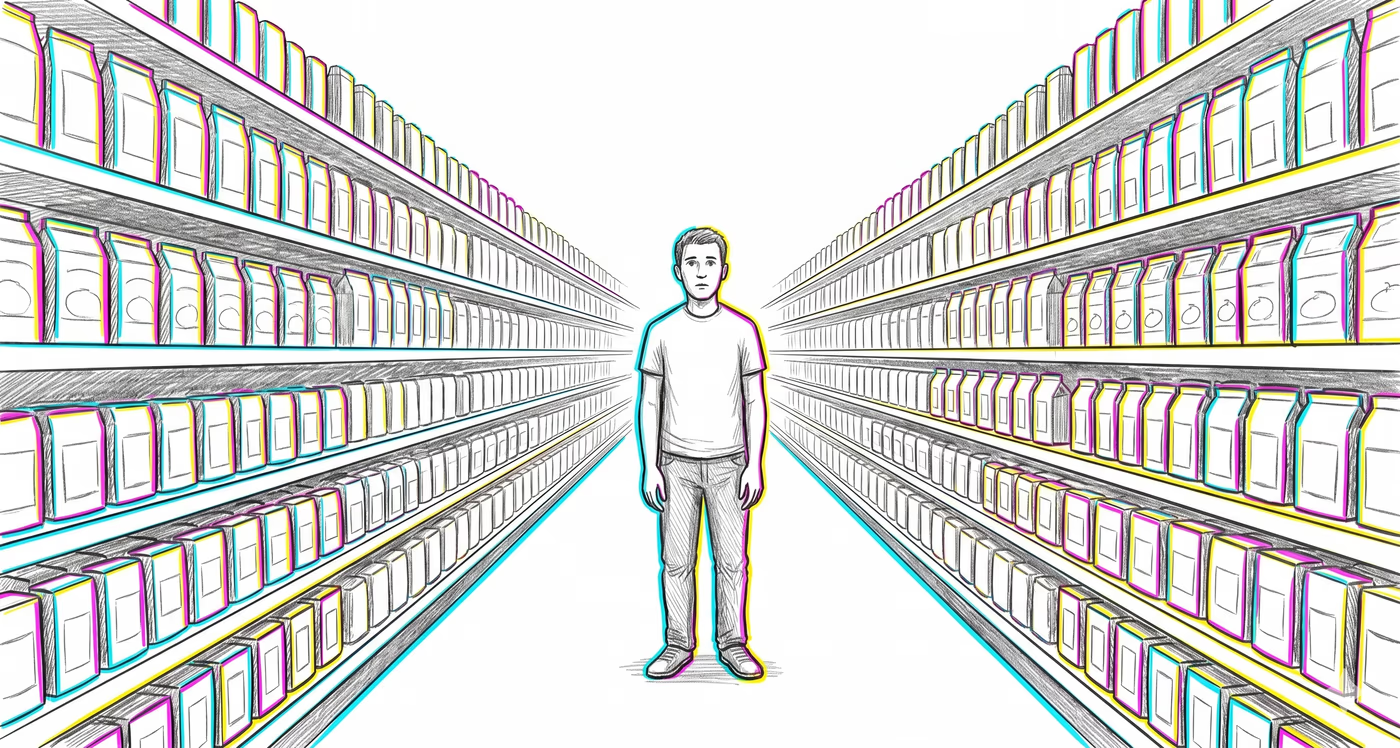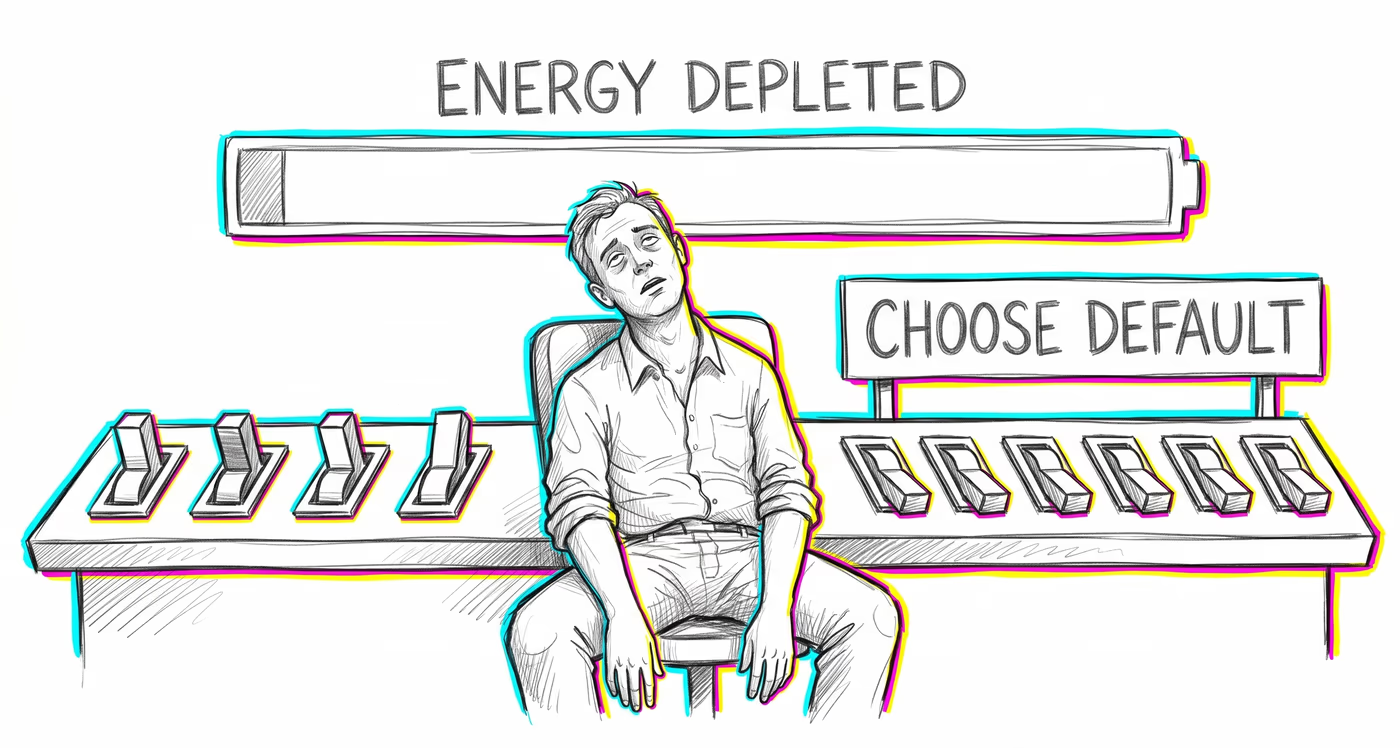
The same glitch looks different depending on the terrain. Finance, medicine, a
relationship, a team — same mechanism, different costume.
Finance & investing
Investors and employees tend to accept default contribution rates, fund allocations, and insurance plan selections in employer-sponsored retirement and benefits programs, often resulting in suboptimal savings rates and poorly diversified portfolios that persist for years after enrollment.

Medicine & diagnosis
Patient enrollment in clinical trials, organ donation registries, and preventive screening programs varies dramatically depending on whether participation is opt-in or opt-out, with default framing often having a larger effect on enrollment than the actual medical information provided.
Education & grading
When course registration systems pre-populate standard elective selections or default grading schemes (e.g., pass/fail vs. letter grade), students disproportionately accept those selections rather than actively customizing their academic path.
Relationships
In digital communication, people often leave pre-set relationship status labels, group chat notification settings, and shared calendar defaults unchanged, which can shape how much time and attention gets allocated to different social connections.
Tech & product
Default settings in privacy controls, notification preferences, and data-sharing toggles drive the vast majority of user behavior — pre-checked boxes for marketing emails, location tracking, and data collection consistently produce opt-in rates far higher than active-choice alternatives.
Workplace & hiring
HR departments leverage default enrollment in wellness programs, benefits packages, and training schedules knowing that most employees will not actively change pre-selected options, making the choice of default a de facto organizational policy decision.
Politics Media
Voter registration systems that default to party affiliation or automatic enrollment, as well as ballot ordering effects where the first-listed candidate receives a disproportionate share of votes, demonstrate how administrative defaults can shape democratic participation and outcomes.