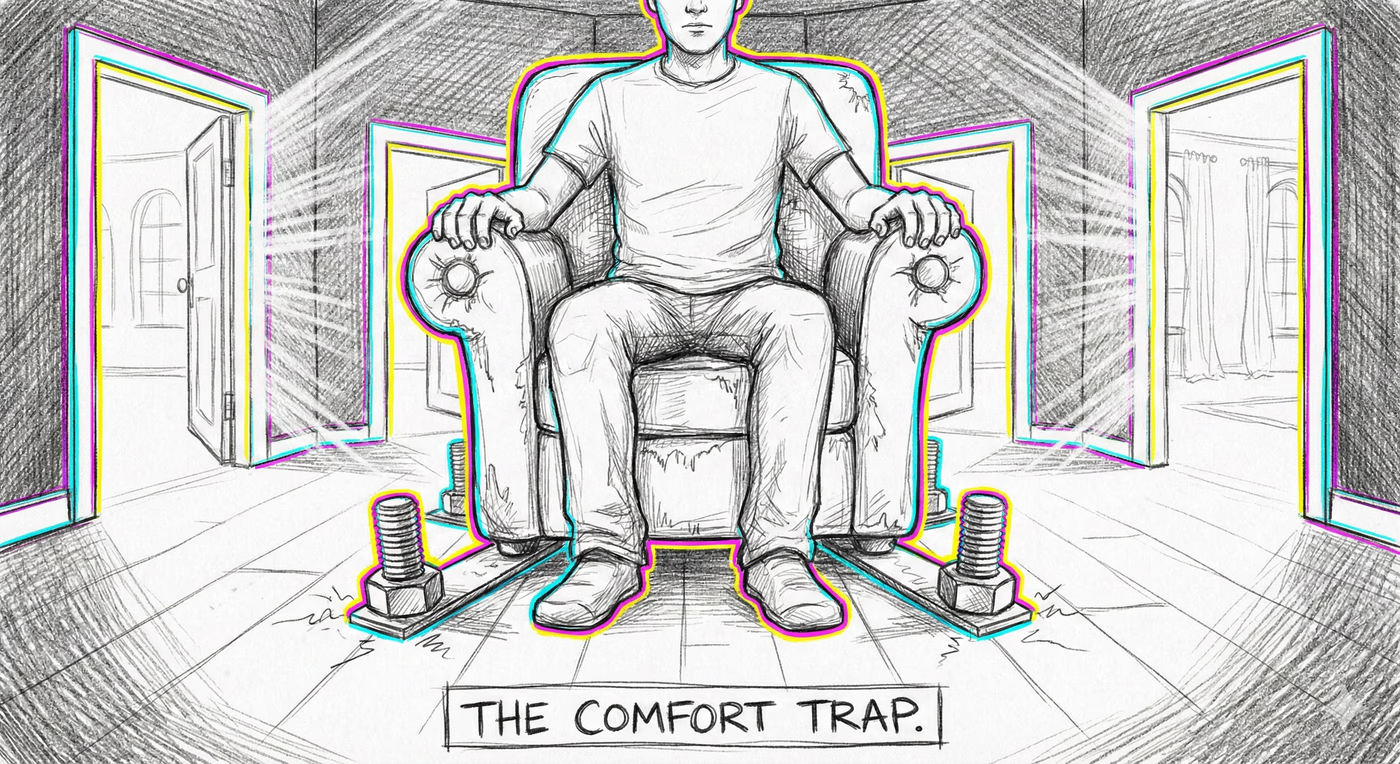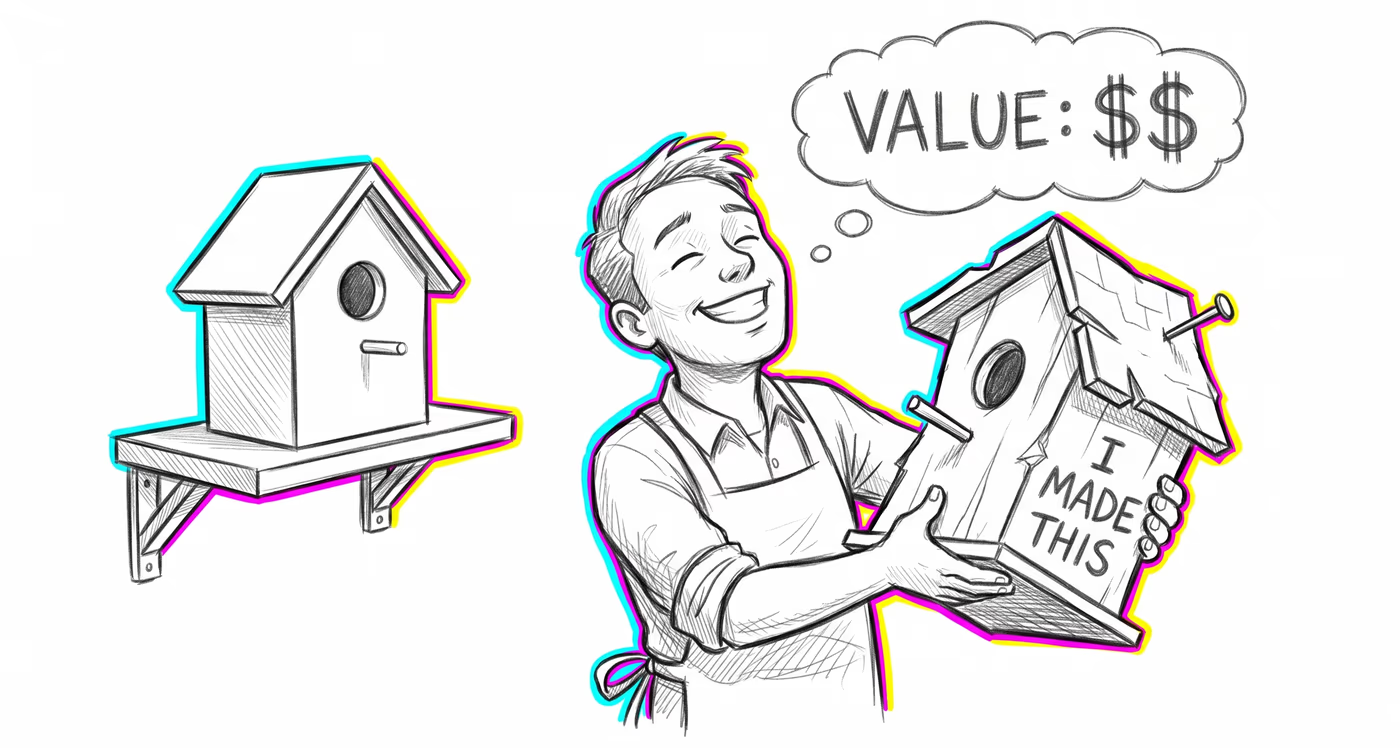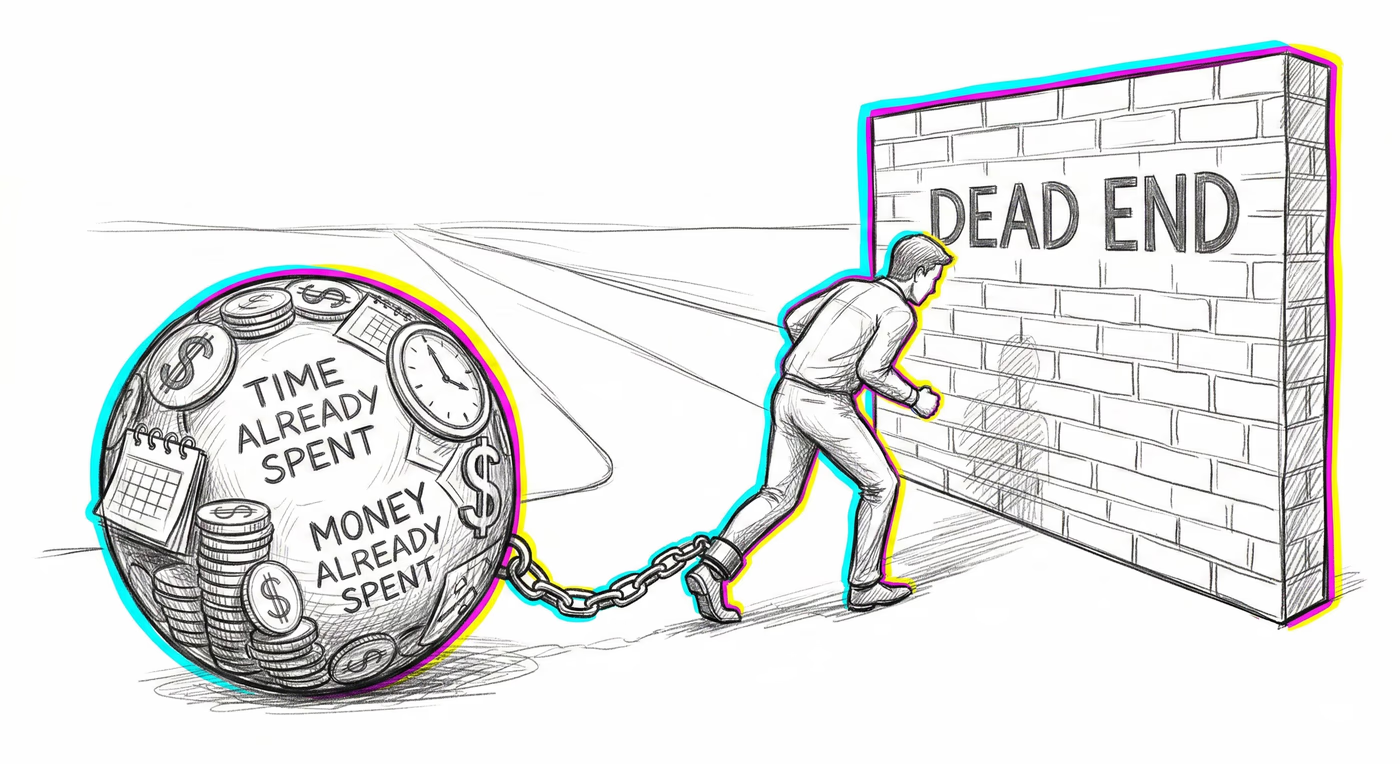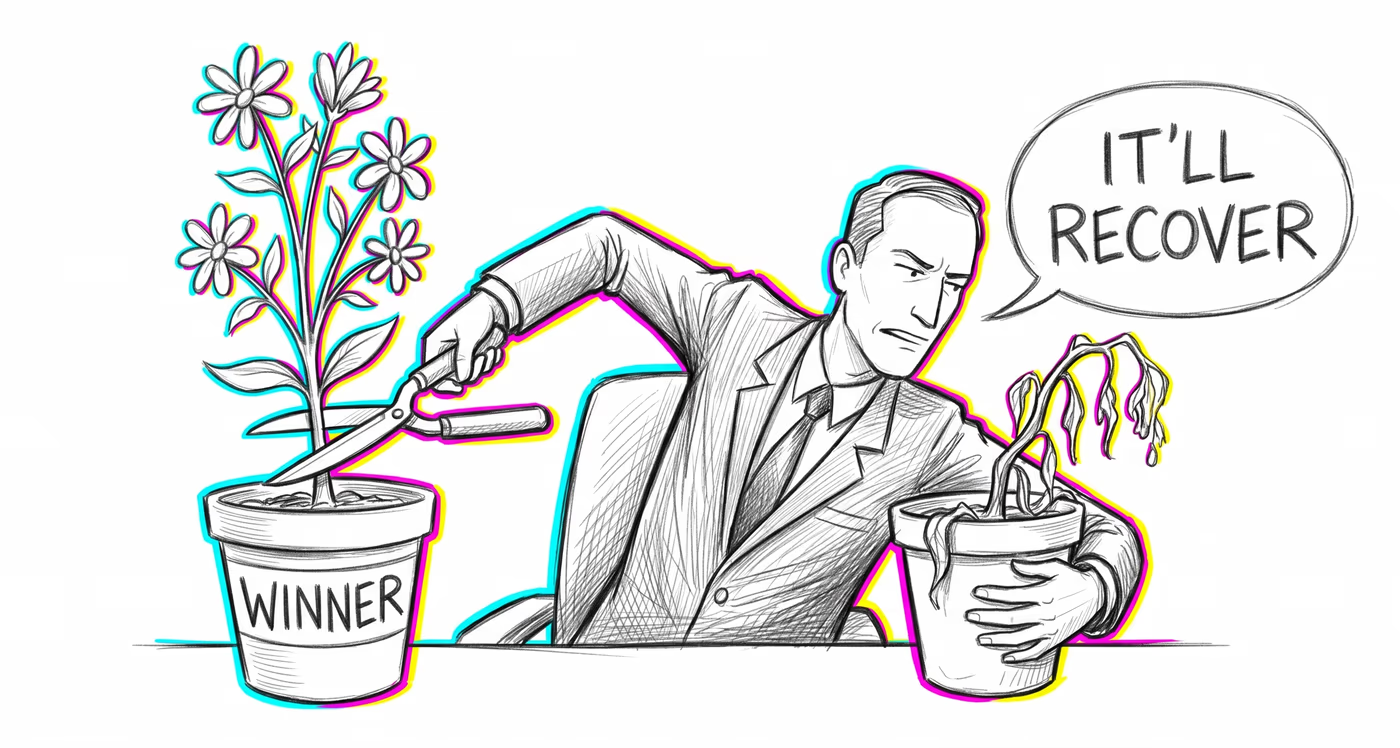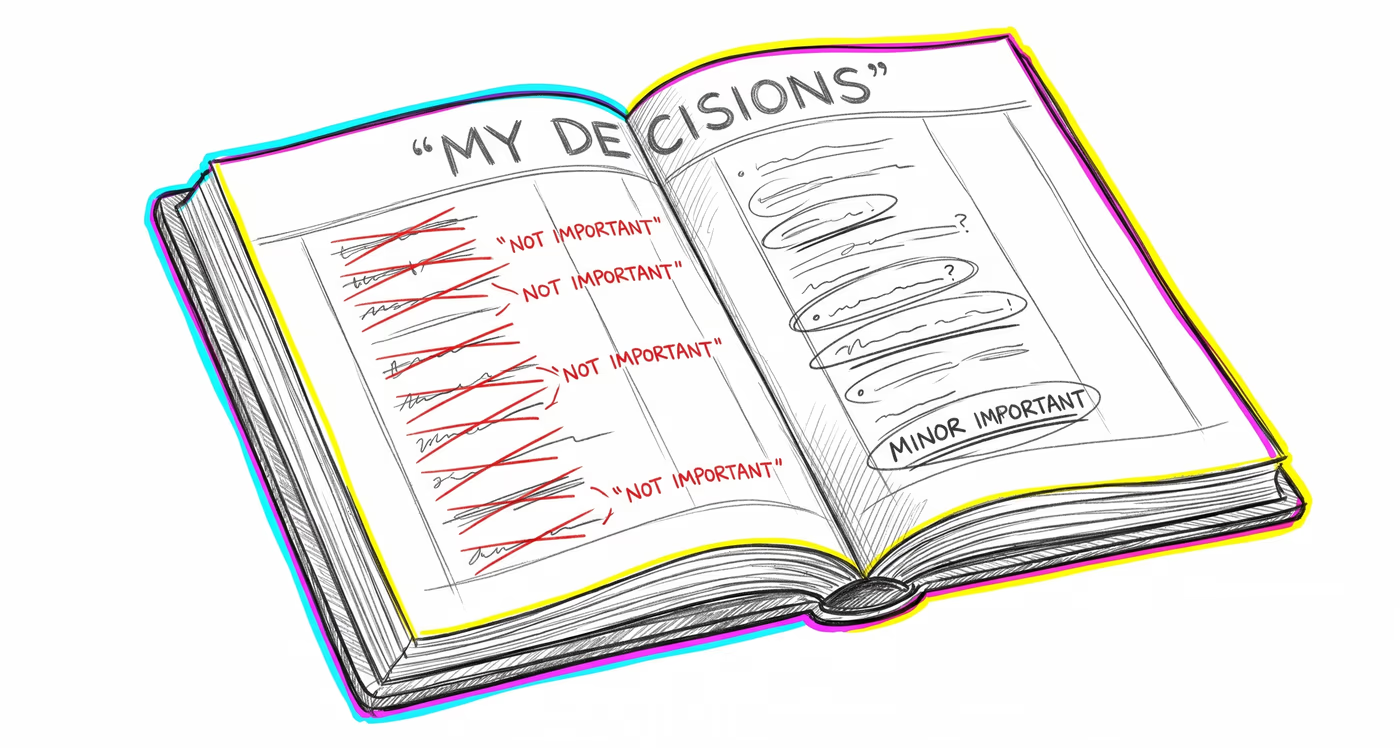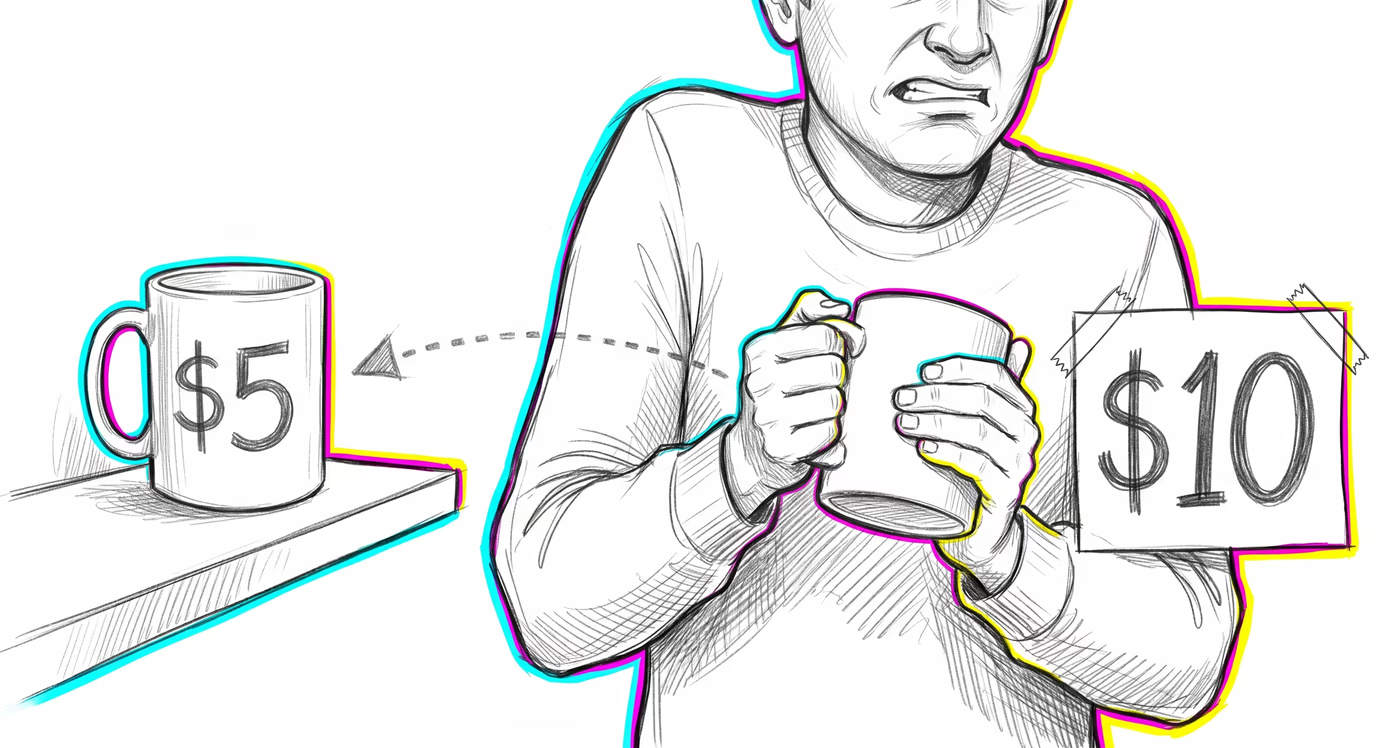
The same glitch looks different depending on the terrain. Finance, medicine, a
relationship, a team — same mechanism, different costume.
Finance & investing
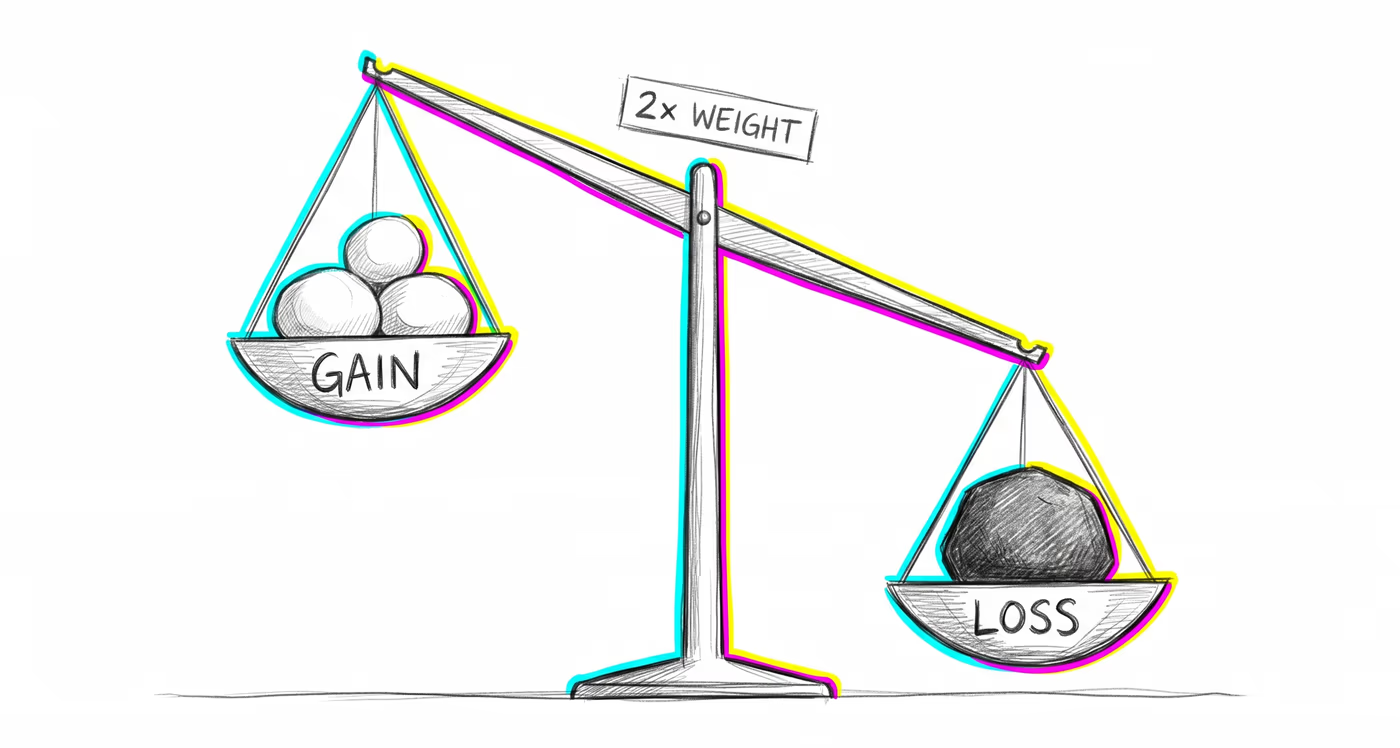
Investors consistently hold losing positions longer than optimal because selling a stock they own is psychologically framed as a realized loss, while the opportunity cost of not switching to a better investment is underweighted. This WTA-WTP gap also inflates real estate asking prices, creating prolonged market stagnation when sellers overvalue their properties relative to what buyers will pay.
Medicine & diagnosis
Patients who have been on a particular medication or treatment protocol for a long time resist switching to a newer, evidence-based alternative—not because of medical reasoning, but because the current treatment feels like 'theirs.' Clinicians may also resist abandoning a diagnosis they've already committed to, treating it as an owned conclusion.
Education & grading
Students who have invested time in a particular academic major or thesis topic resist switching even when a better-fitting alternative emerges, overvaluing the path they've already 'claimed.' Teachers may overvalue their own lesson plans and curricula relative to standardized or externally developed materials.
Relationships
People in mediocre relationships overvalue the partnership simply because it is theirs, making them reluctant to leave even when objective indicators suggest incompatibility. The duration and emotional investment create a sense of ownership that inflates the perceived value of the relationship beyond what they would accept if evaluating it from the outside.
Tech & product
Free trial and freemium models exploit the endowment effect by letting users experience ownership before asking them to pay. Shopping cart abandonment emails remind users that items are 'still waiting for them,' leveraging the sense of quasi-ownership. Product teams resist sunsetting features they built because the features feel owned by the team.
Workplace & hiring
Employees resist reorganizations that reassign 'their' projects, clients, or office spaces, even when the new arrangement is objectively more efficient. In negotiations, each party overvalues their current position, creating impasses. Managers overvalue internal processes they developed over externally sourced best practices.
Politics Media
Constituents fight disproportionately hard to preserve existing government benefits or entitlements compared to how much they would lobby to establish identical new ones. Policy debates are asymmetric: removing an existing tax break or subsidy triggers far more opposition than failing to create a new equivalent benefit.