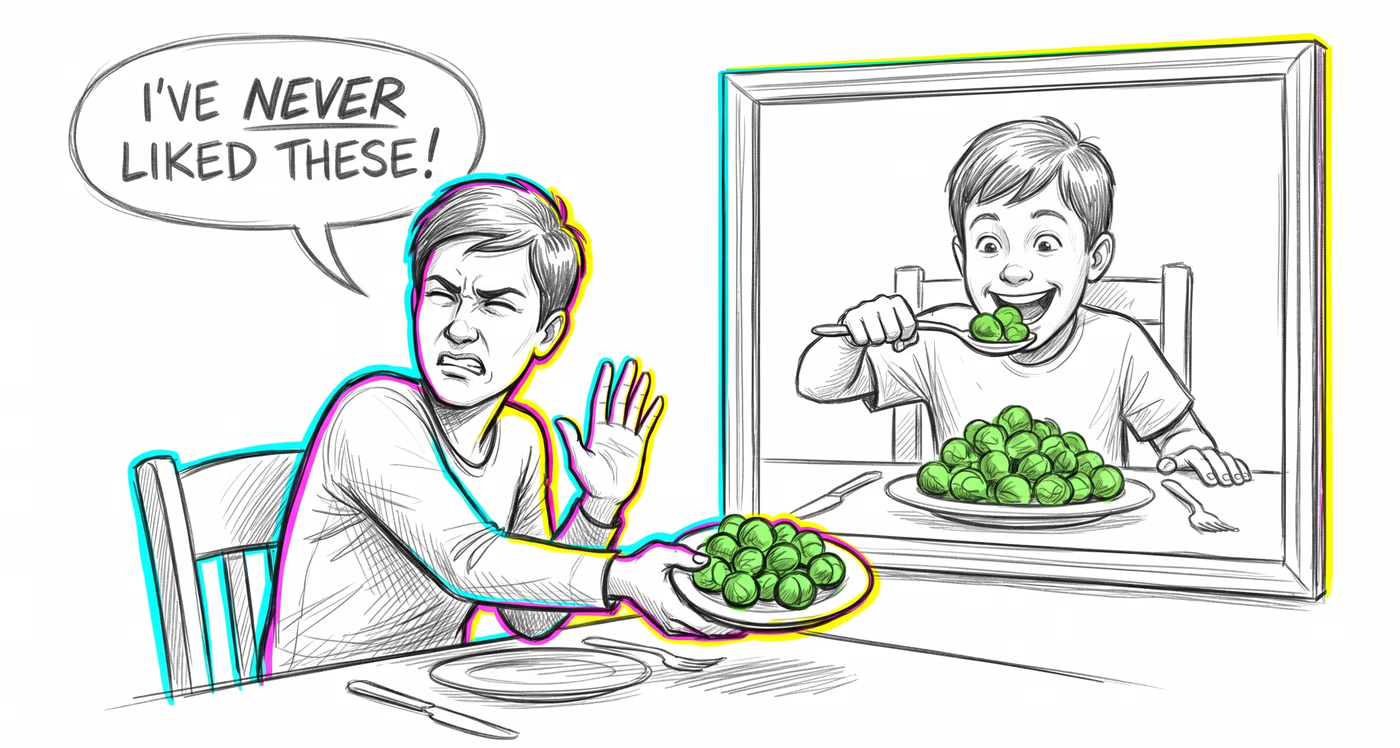
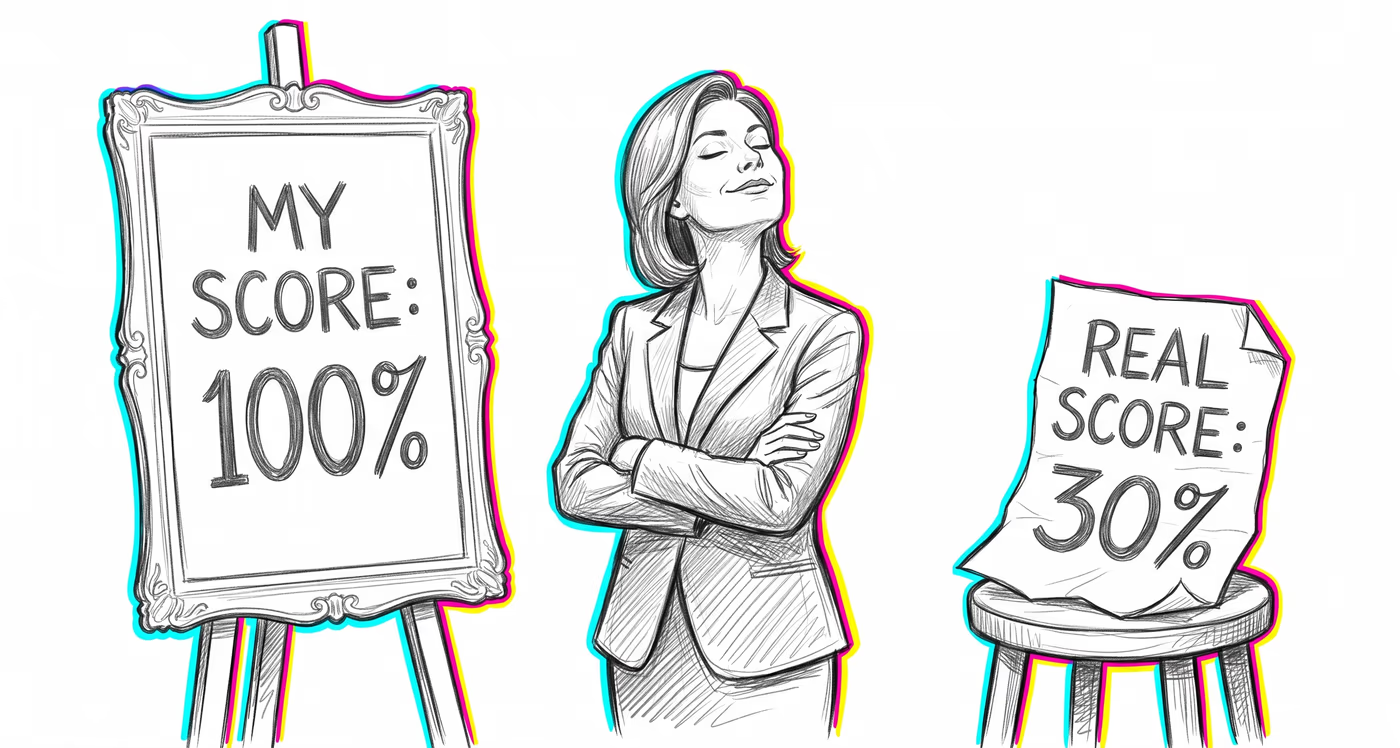
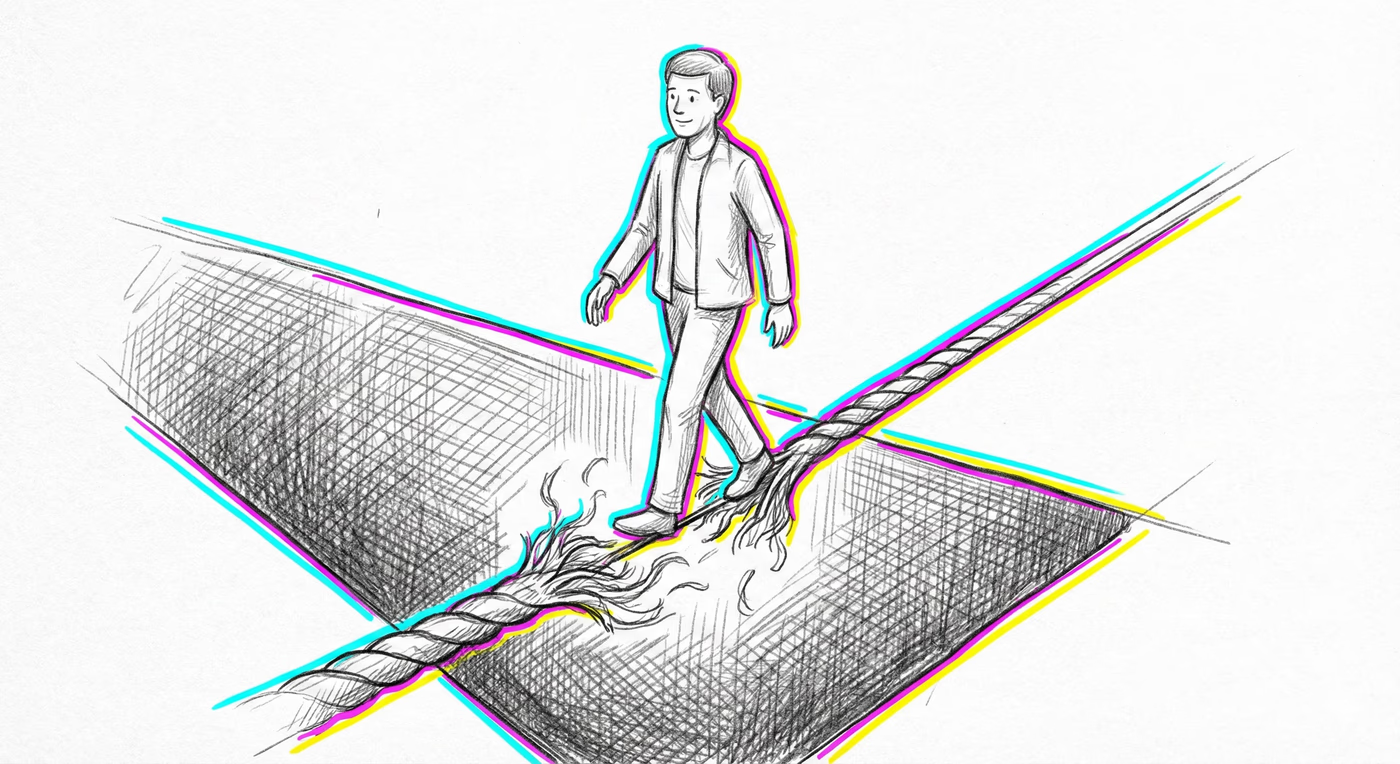
The same glitch looks different depending on the terrain. Finance, medicine, a
relationship, a team — same mechanism, different costume.
Finance & investing
Investors lock into long-term financial products — annuities, permanent life insurance, concentrated stock positions — based on their current risk tolerance and lifestyle preferences, failing to account for how dramatically these preferences tend to shift over decades. People also overpay for future experiences that align with current tastes, like concert tickets years in advance.
Medicine & diagnosis
Patients making advance healthcare directives often project their current health values onto future scenarios without accounting for how illness, aging, or new life experiences typically reshape end-of-life preferences. Healthy individuals tend to overestimate how much they would want aggressive treatment, while chronically ill patients often adapt in ways their younger selves could not have predicted.
Education & grading
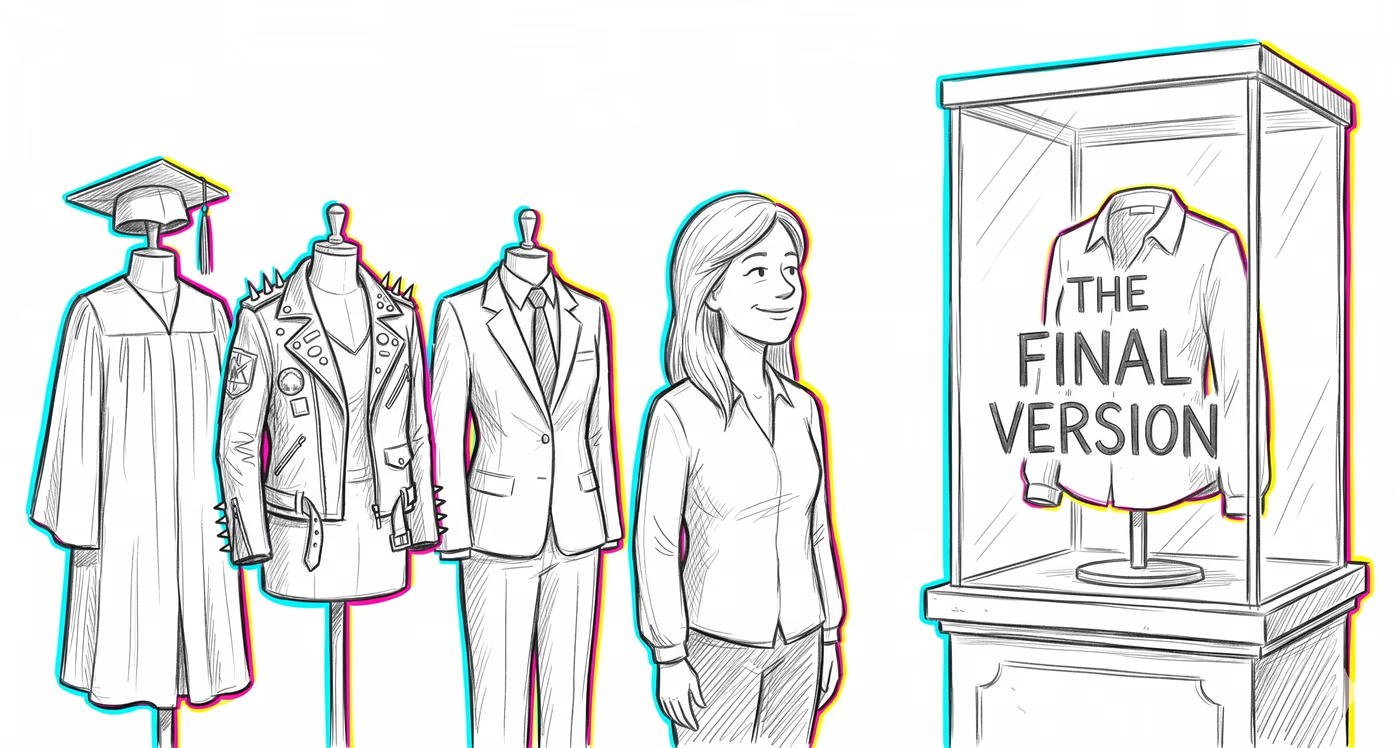
Students choose college majors and career training based on current interests, assuming these passions are permanent. Educators may also design rigid multi-year curricula based on current pedagogical beliefs, underestimating how much their own teaching philosophy will evolve with experience.
Relationships
Partners assume their current needs and relationship dynamics are fixed, leading to complacency. People stop exploring new dimensions of their partner's personality, fail to anticipate how both parties will evolve, and are blindsided when a relationship that seemed stable begins to strain under the weight of unacknowledged personal change.
Tech & product
Product teams design for current user preferences and assume feature priorities will remain stable, leading to rigid roadmaps. Users themselves resist adopting new tools or workflows because they project their current habits indefinitely and underestimate how quickly their needs and behaviors will shift.
Workplace & hiring
Employees turn down lateral moves or new skill development because they assume their current role and interests represent their final professional identity. Managers build teams around present competencies without planning for inevitable shifts in organizational priorities and individual growth trajectories.
Politics Media
Voters and political commentators treat current ideological positions as permanent, making it difficult to imagine that their own political views — or those of the electorate — will shift meaningfully. This contributes to rigid partisanship and surprise when public opinion evolves on issues once considered settled.