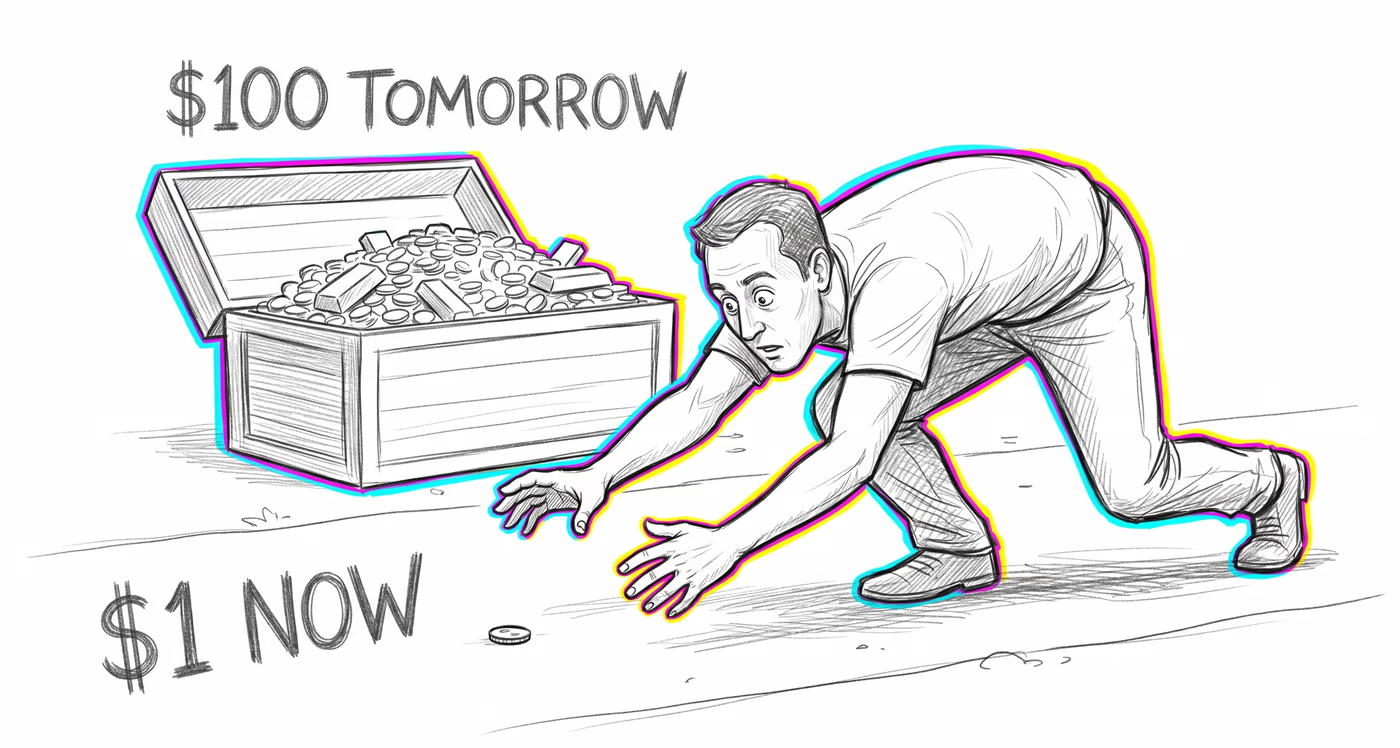
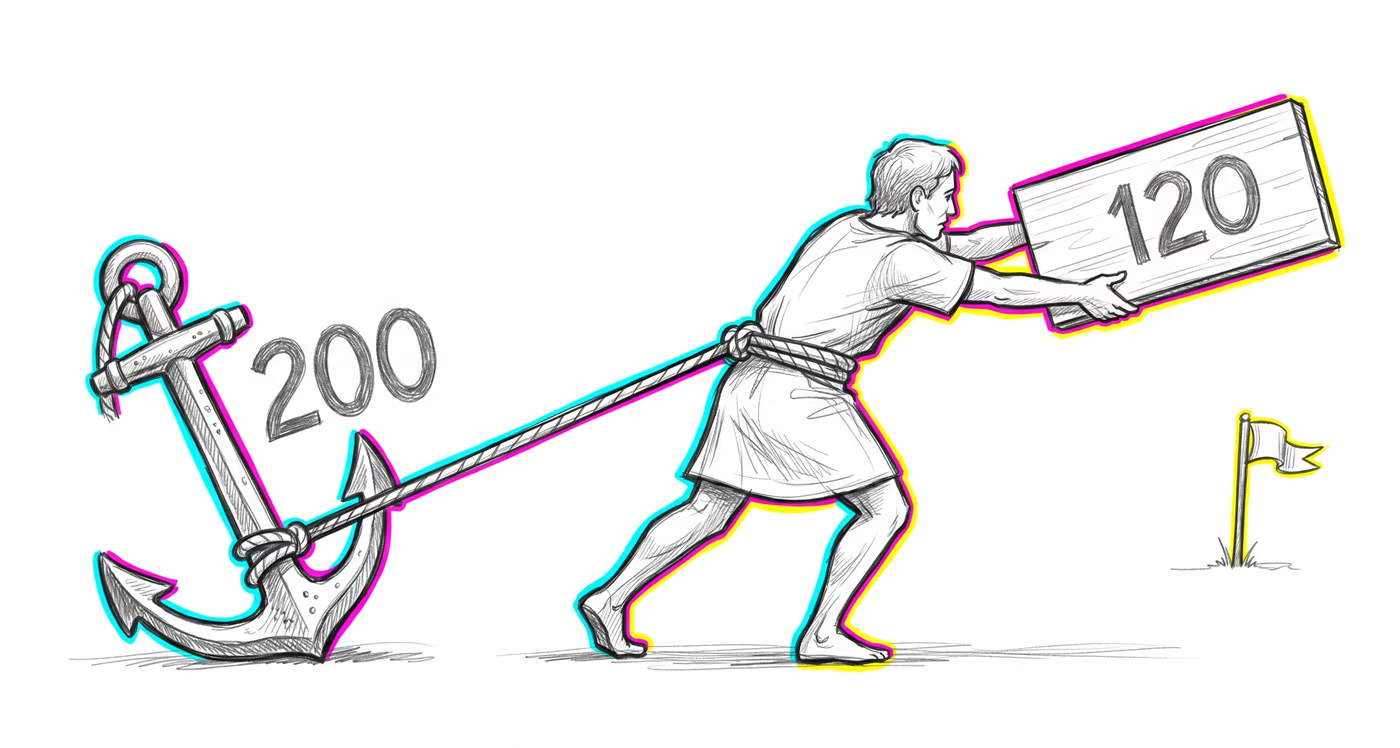
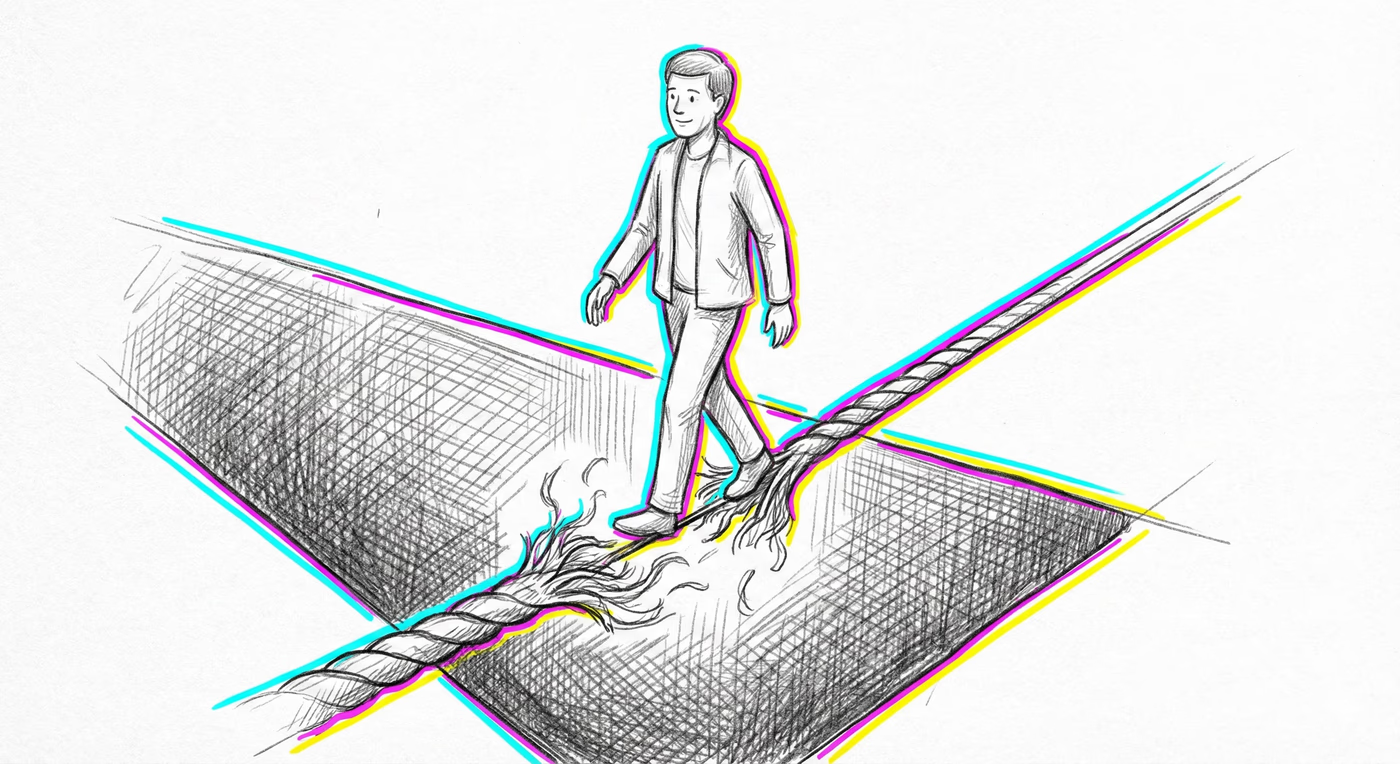
The same glitch looks different depending on the terrain. Finance, medicine, a
relationship, a team — same mechanism, different costume.
Finance & investing
Investors in a bull market over-allocate to risky assets because their current sense of confidence and risk tolerance feels permanent. Retirement savers under-contribute because current consumption desires feel more pressing than abstract future needs. People in financial distress accept punitive loan terms because their current urgency blinds them to how quickly relief will shift their evaluation of the deal.
Medicine & diagnosis
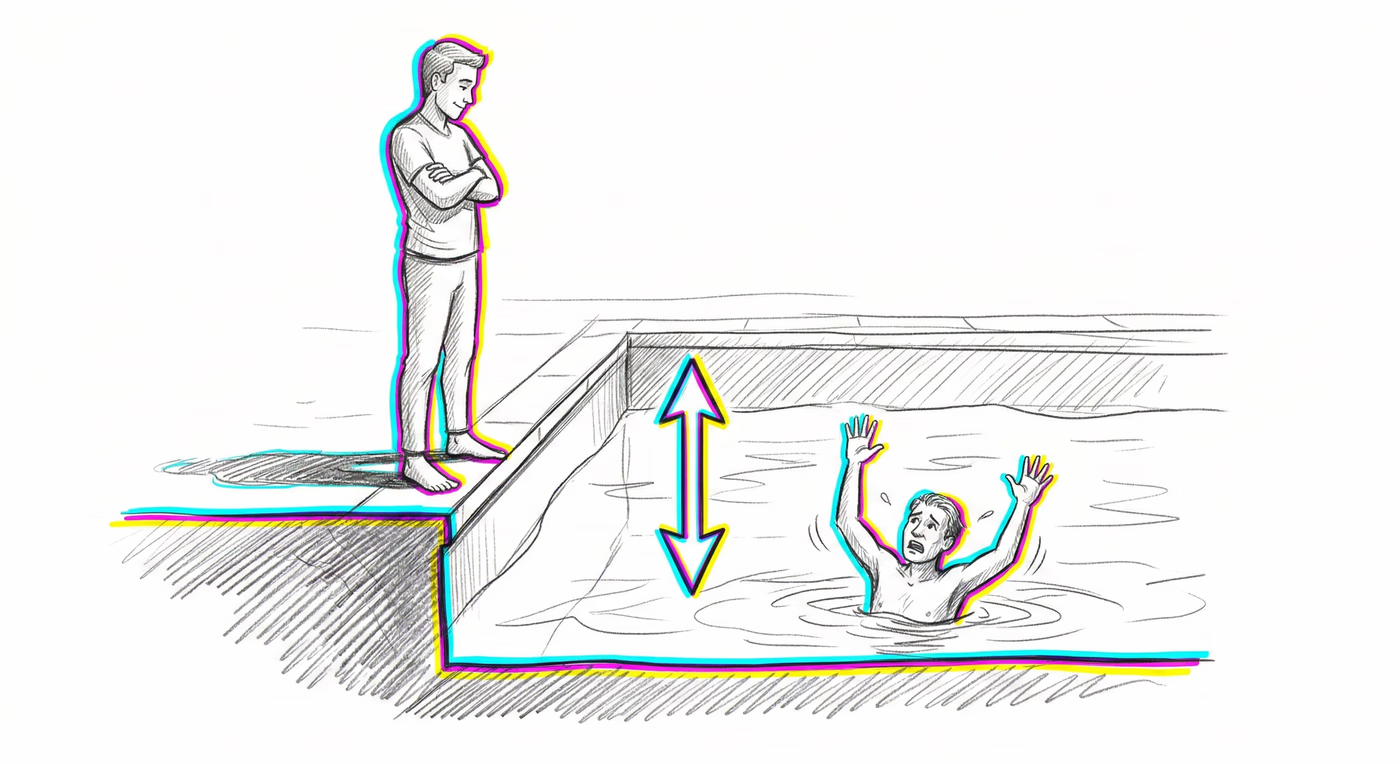
Healthy individuals undervalue future health states involving disability or chronic illness because they cannot simulate adaptation from their current able-bodied perspective. This leads to advance directives that may not reflect their actual future preferences. Patients in acute pain may consent to aggressive treatments they would refuse when pain subsides, and patients feeling well may resist preventive treatments whose benefits seem abstract.
Education & grading
Students in a state of high motivation at the beginning of a semester over-commit to courses and extracurriculars, failing to anticipate how their energy and interest levels will fluctuate. Teachers designing syllabi during summer enthusiasm may overestimate student engagement levels and assign unrealistic workloads.
Relationships
People in the infatuation phase of a relationship make long-term commitments (moving in, joint purchases) assuming their current level of passion will persist. During arguments, people make drastic statements like 'I'll never forgive you' because their current anger feels permanent. After breakups, people assume the pain will never fade and make rash decisions to cope.
Tech & product
Product designers who test features while excited about their own product overestimate how engaged users will be weeks after onboarding. Subscription services exploit projection bias by offering free trials during peak user enthusiasm, knowing that sign-up-moment preferences won't match later usage. Impulse-purchase flows are optimized to capture decisions before the current desire fades.
Workplace & hiring
Employees negotiating compensation during the excitement of a new job underweight benefits like flexibility and vacation time because their current enthusiasm makes long hours feel sustainable. Managers who are satisfied with a team member after a recent success give performance reviews that don't account for earlier struggles.
Politics Media
Voters during economic prosperity support incumbents and resist safety-net policies because their current comfort makes hardship feel implausible. During crises, citizens support extreme measures they would reject in calmer times because their present fear and urgency feel permanent.