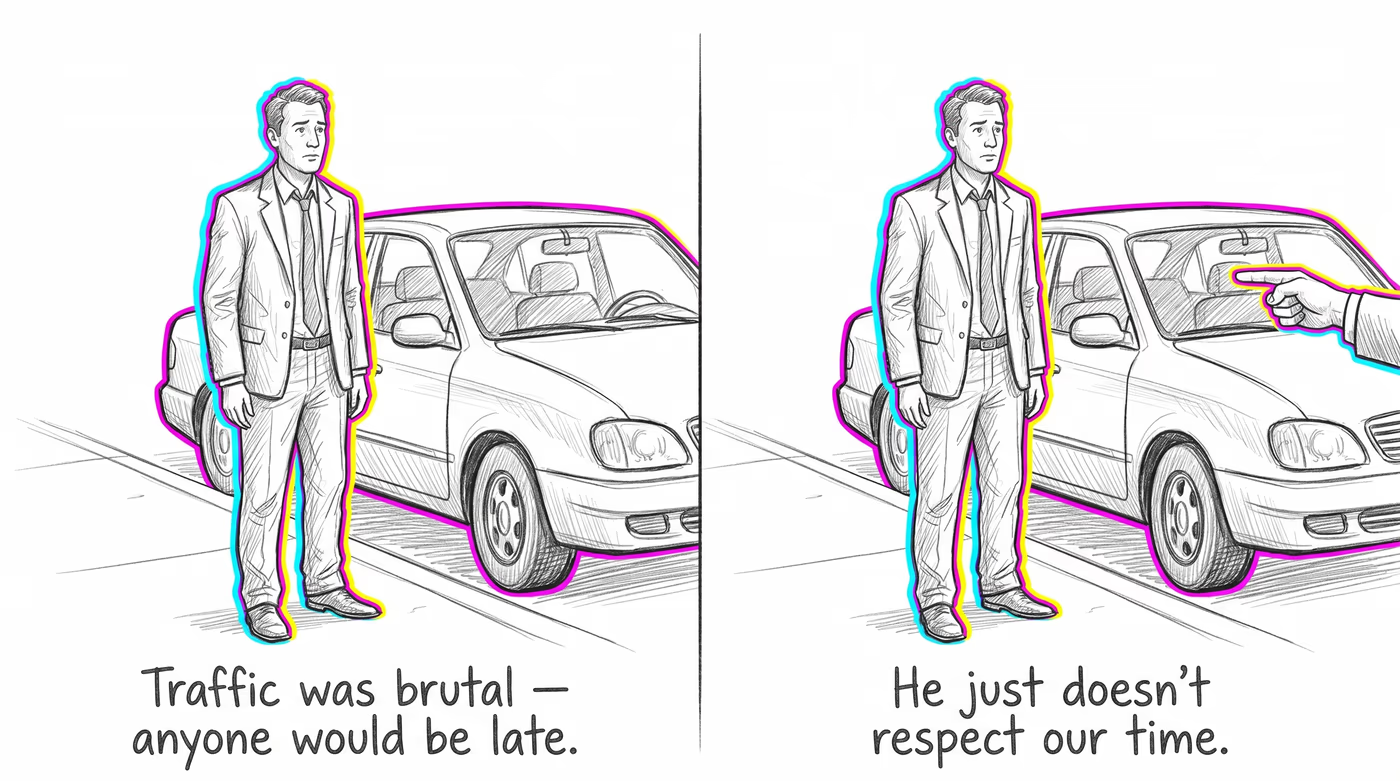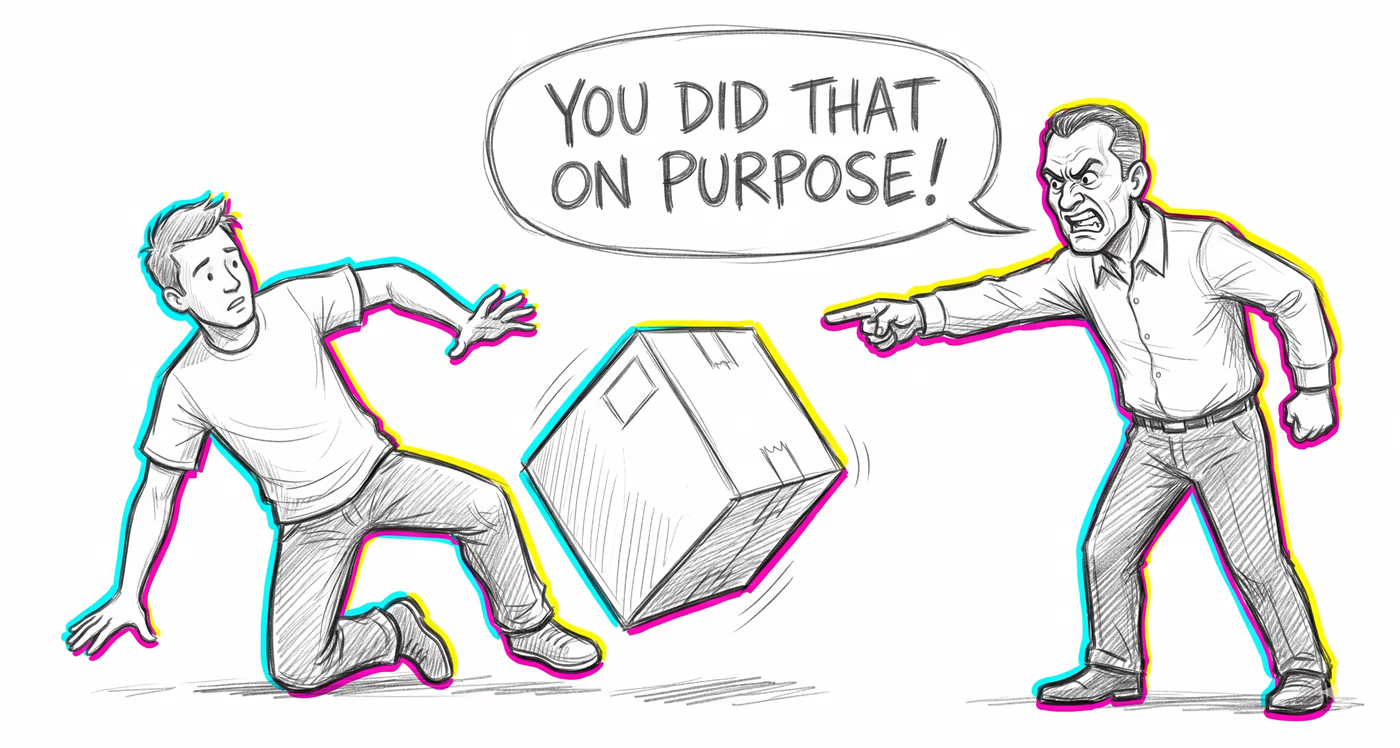
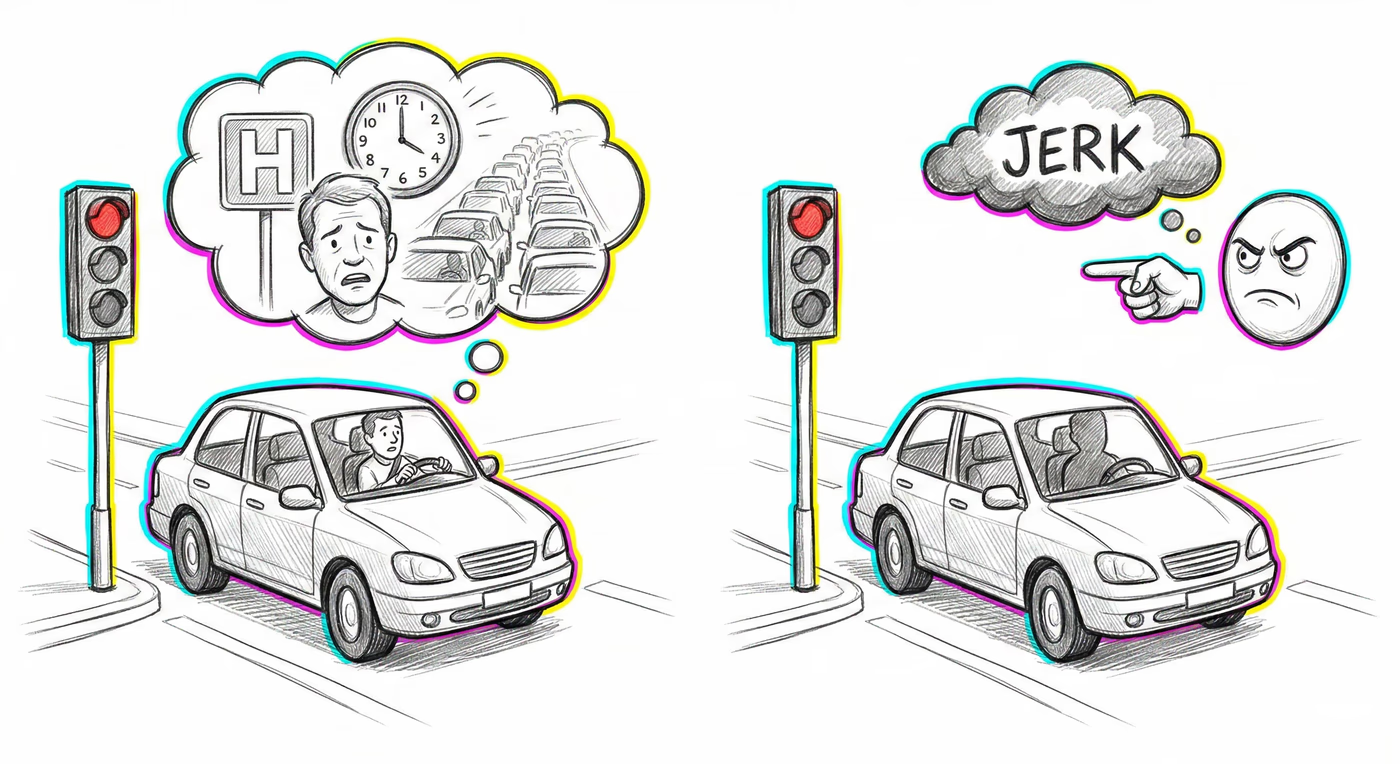
The same glitch looks different depending on the terrain. Finance, medicine, a
relationship, a team — same mechanism, different costume.
Finance & investing
Investors or traders who interpret neutral market movements or analyst reports as deliberate manipulation against their positions, leading to impulsive revenge-trading or paranoid withdrawal from otherwise sound investment strategies.
Medicine & diagnosis
Patients with high hostile attribution bias may interpret a doctor's routine questioning or neutral affect as judgment or dismissiveness, leading to non-compliance, doctor-shopping, or adversarial patient-provider relationships that impair health outcomes.
Education & grading
Teachers may interpret a student's off-task behavior or questioning as deliberate defiance rather than confusion or boredom, leading to disproportionately punitive responses that damage the student-teacher relationship and escalate behavioral problems.
Relationships
Partners habitually interpret each other's neutral behaviors — forgetting a request, being quiet at dinner, spending time with friends — as deliberate slights or evidence of not caring, creating a cycle of accusation, defensiveness, and escalating conflict.
Tech & product
Users who interpret a confusing UI or unexpected app behavior as the company deliberately trying to trick or exploit them, leading to rage-uninstalls and hostile reviews, even when the issue is a genuine design oversight or bug.
Workplace & hiring
Employees interpret ambiguous feedback, being left off an email thread, or a manager's neutral tone as evidence of being targeted for termination or exclusion, leading to preemptive hostility, workplace grievances, or disengagement.
Politics Media
Voters interpret opposing political parties' policy proposals as deliberately malicious attacks on their group rather than good-faith disagreements, fueling polarization and resistance to compromise or bipartisan cooperation.