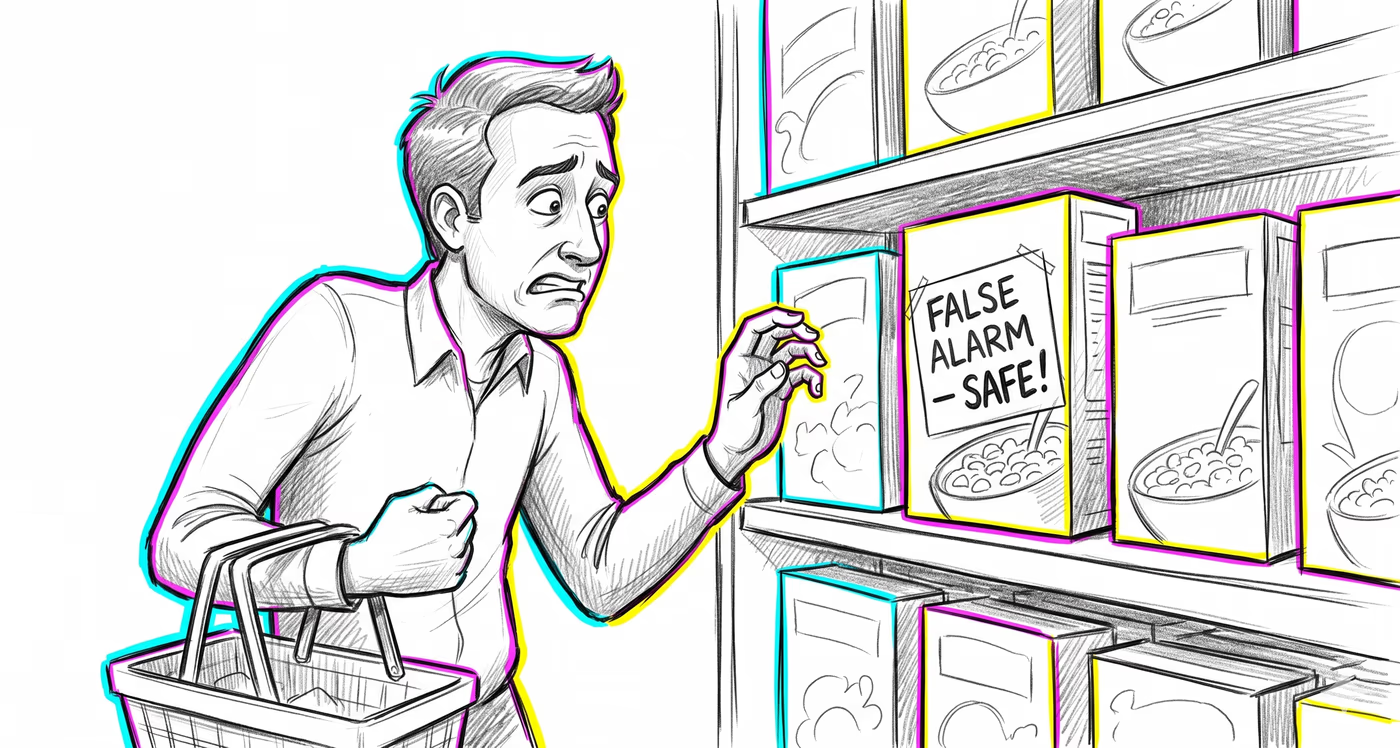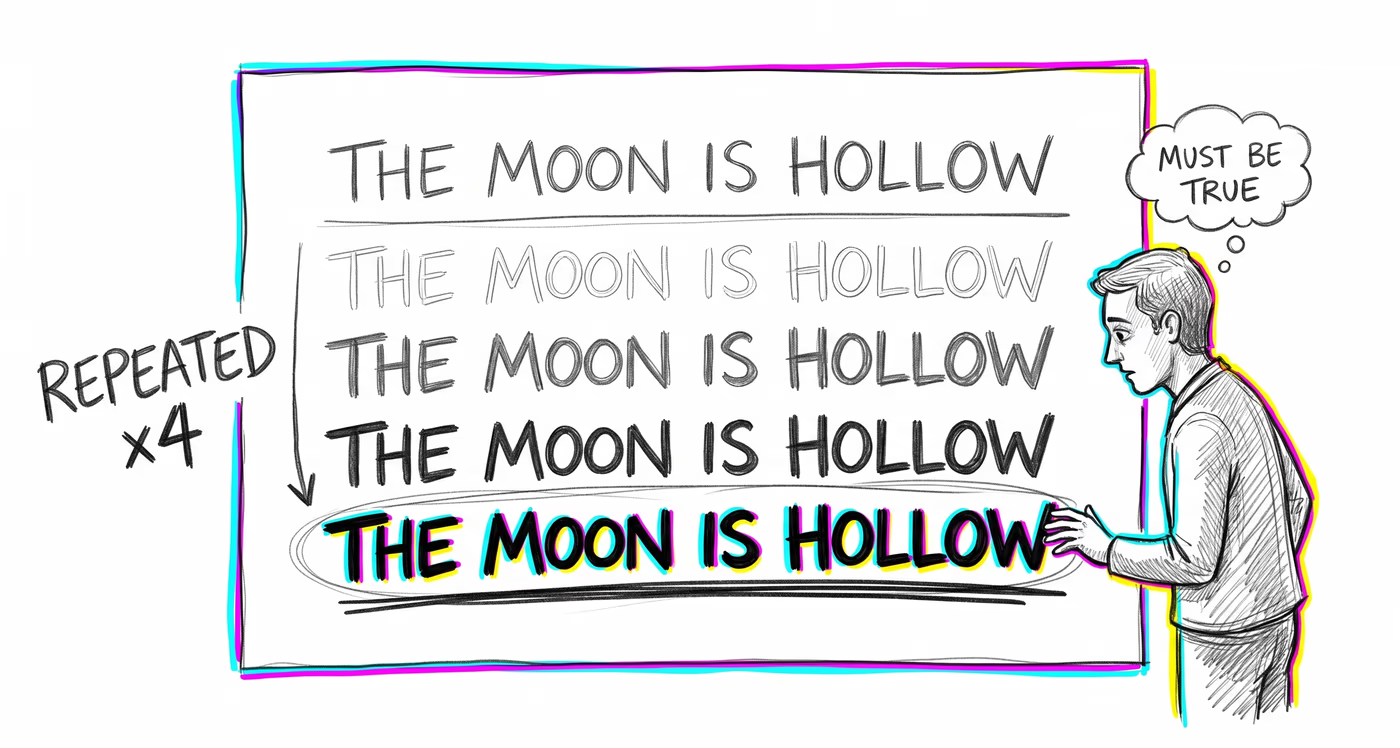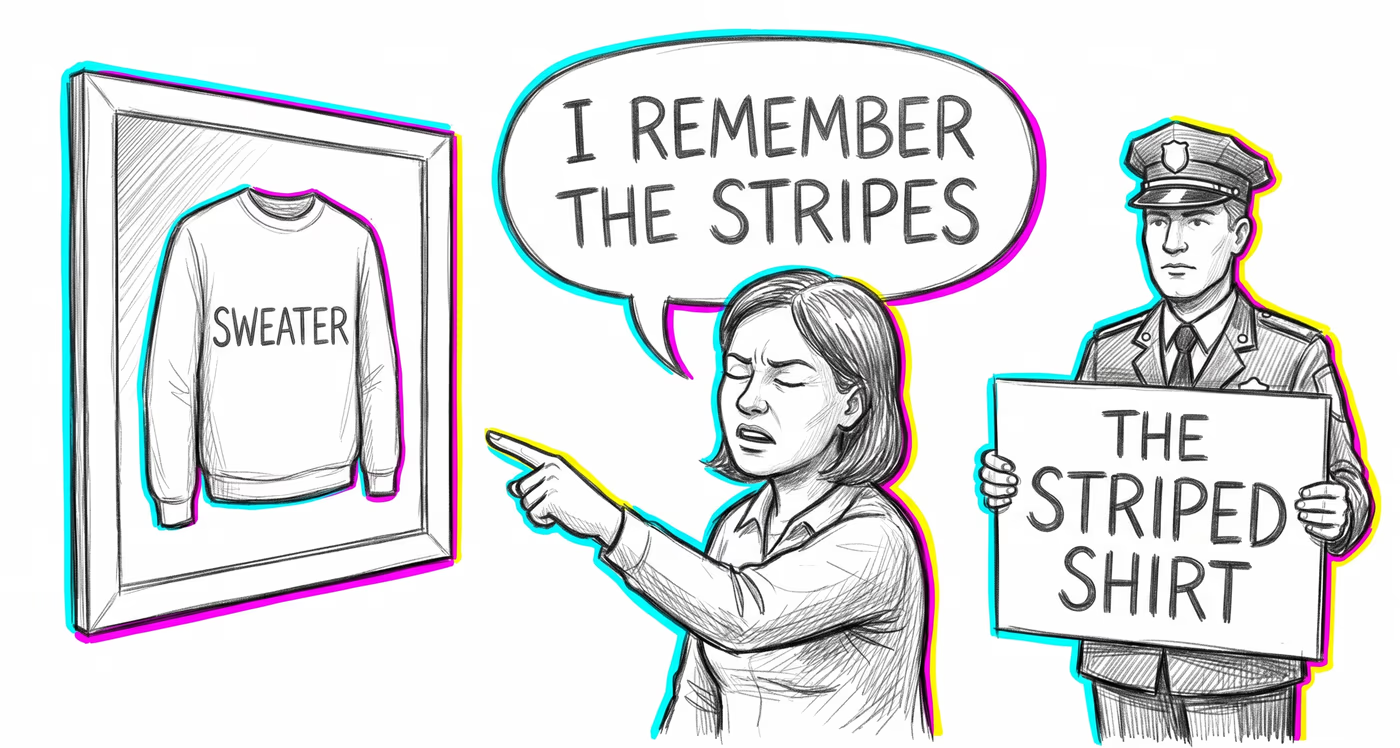
The same glitch looks different depending on the terrain. Finance, medicine, a
relationship, a team — same mechanism, different costume.
Finance & investing
Investors who read misleading post-hoc analyses of market events may reconstruct their own memory of what they knew or believed at the time, leading them to misattribute past decisions to reasoning they never actually employed and repeating genuine errors.
Medicine & diagnosis
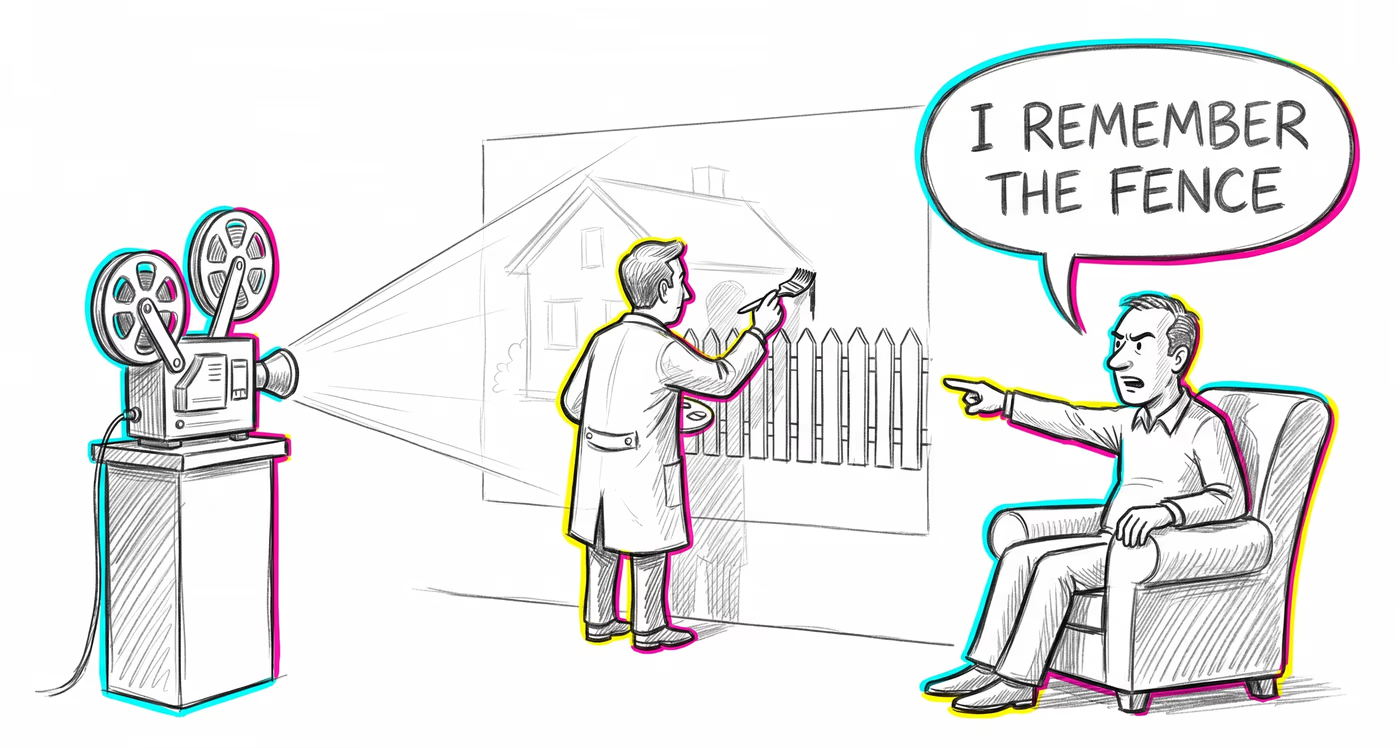
Patients exposed to suggestive questioning by clinicians may begin recalling symptoms they never experienced, leading to inaccurate medical histories. Clinicians who read prior chart notes before interviewing patients may inadvertently introduce details that reshape the patient's own account of their condition.
Education & grading
Students who study from inaccurate notes shared by classmates may replace their own correct memories of lecture content with the erroneous versions, performing worse on exams not because they didn't learn the material, but because their memory of it was overwritten.
Relationships
Partners who discuss past arguments with friends or family may absorb others' interpretations of what was said, later recalling hurtful statements or intentions that were never part of the original exchange, escalating conflict based on manufactured memories.
Tech & product
User research interviews that employ leading questions ('Was the checkout confusing?') can implant false usability memories, causing participants to report problems they didn't actually experience, which skews product design decisions based on distorted feedback.
Workplace & hiring
Performance reviews influenced by secondhand accounts from colleagues can reshape a manager's memory of an employee's actual behavior, causing them to recall incidents that align with the narrative they were told rather than what they directly observed.
Politics Media
News coverage that repeatedly frames an event with specific language or imagery can alter the public's collective memory of what happened, such that people recall details from the coverage rather than from their own original exposure to the event.