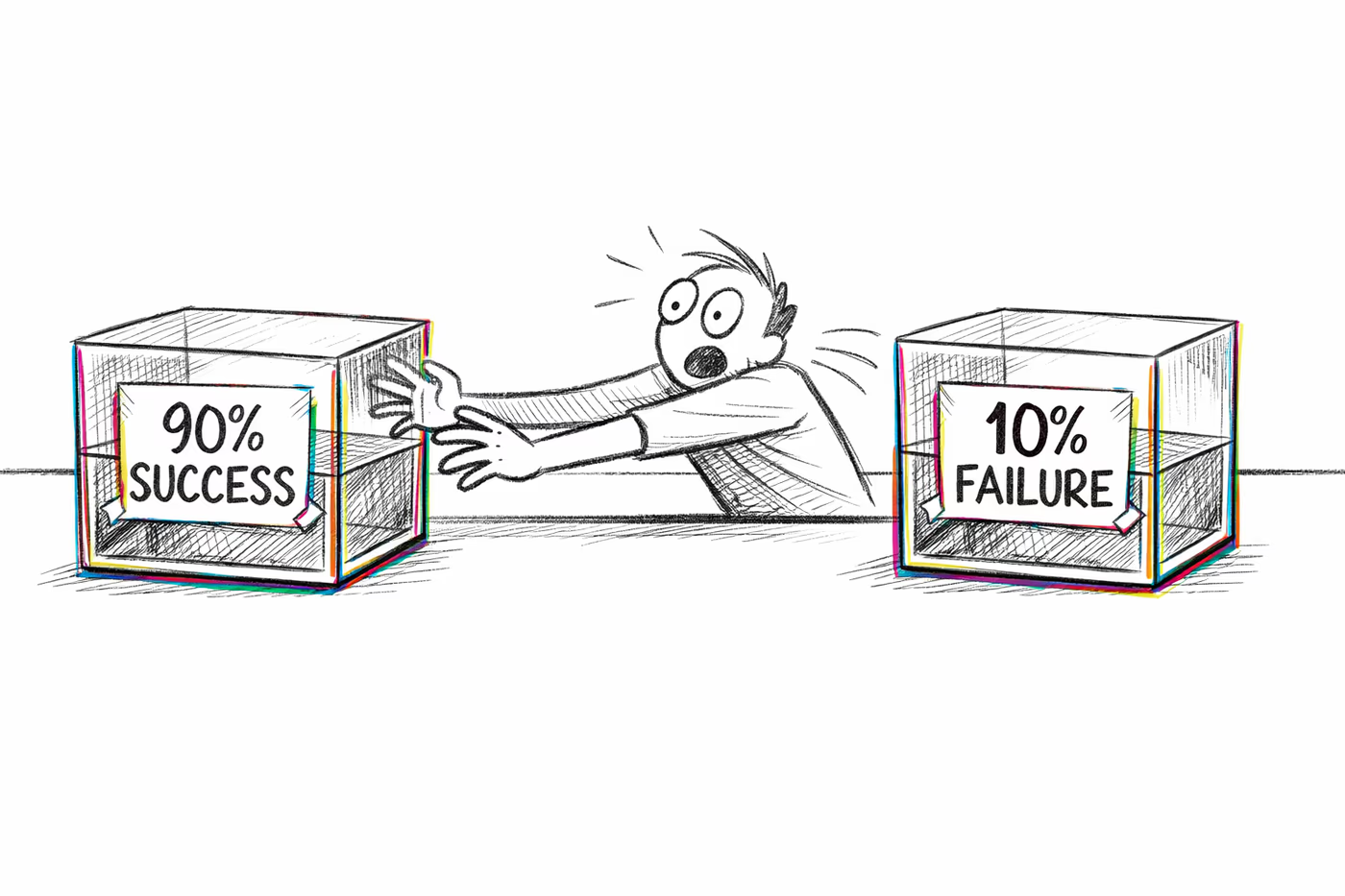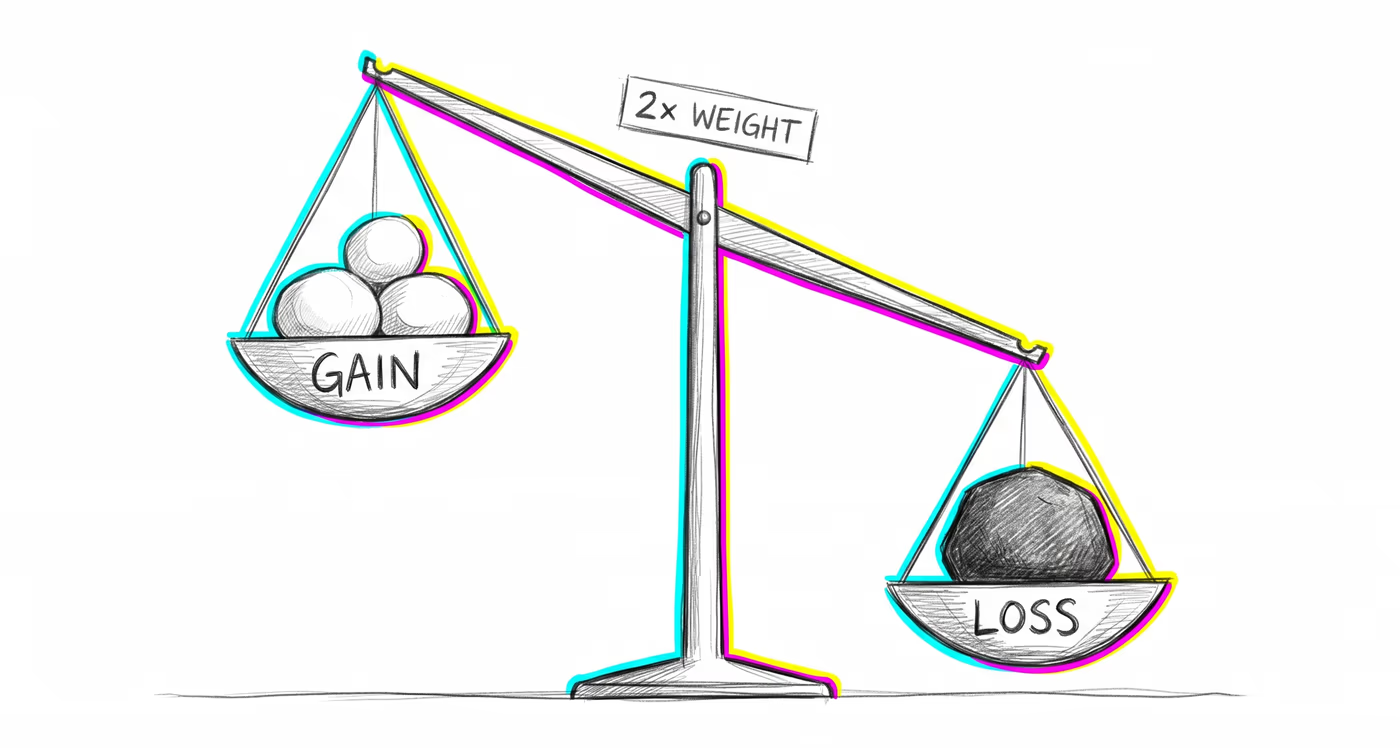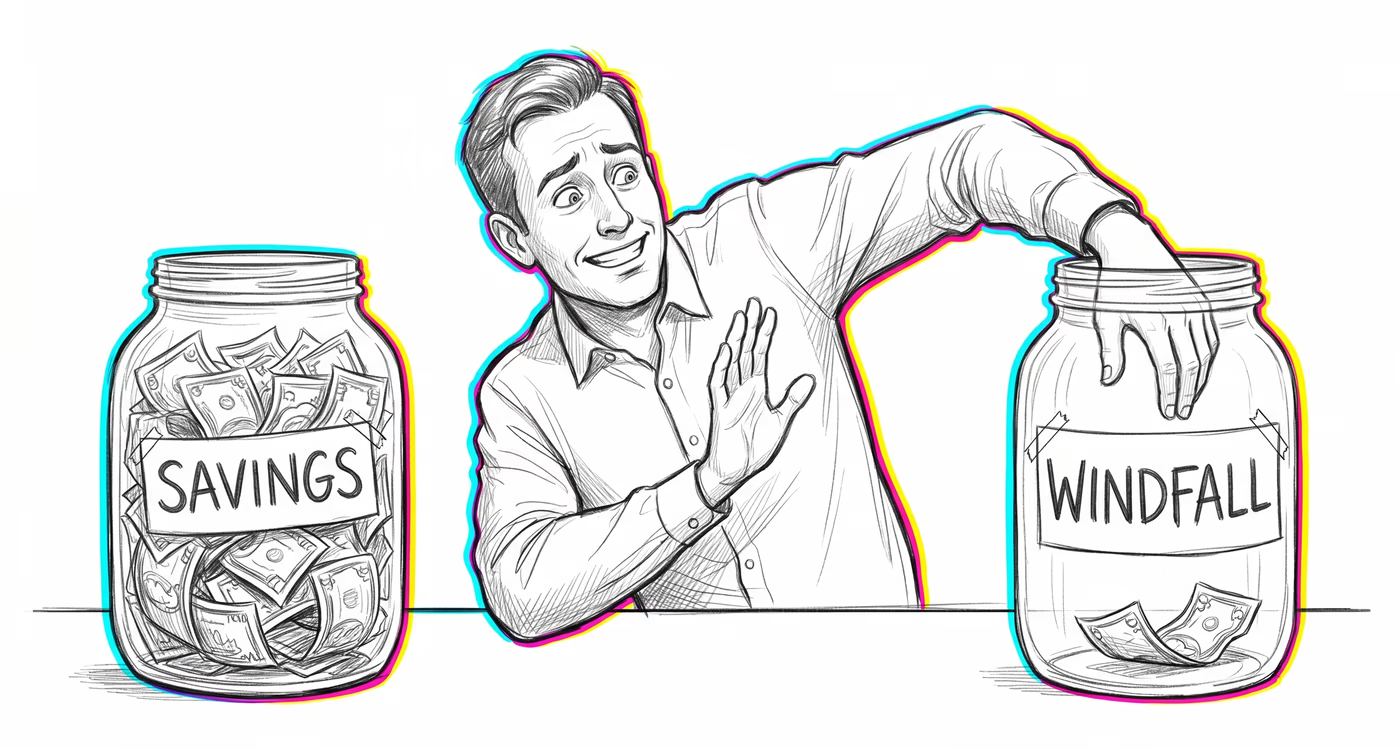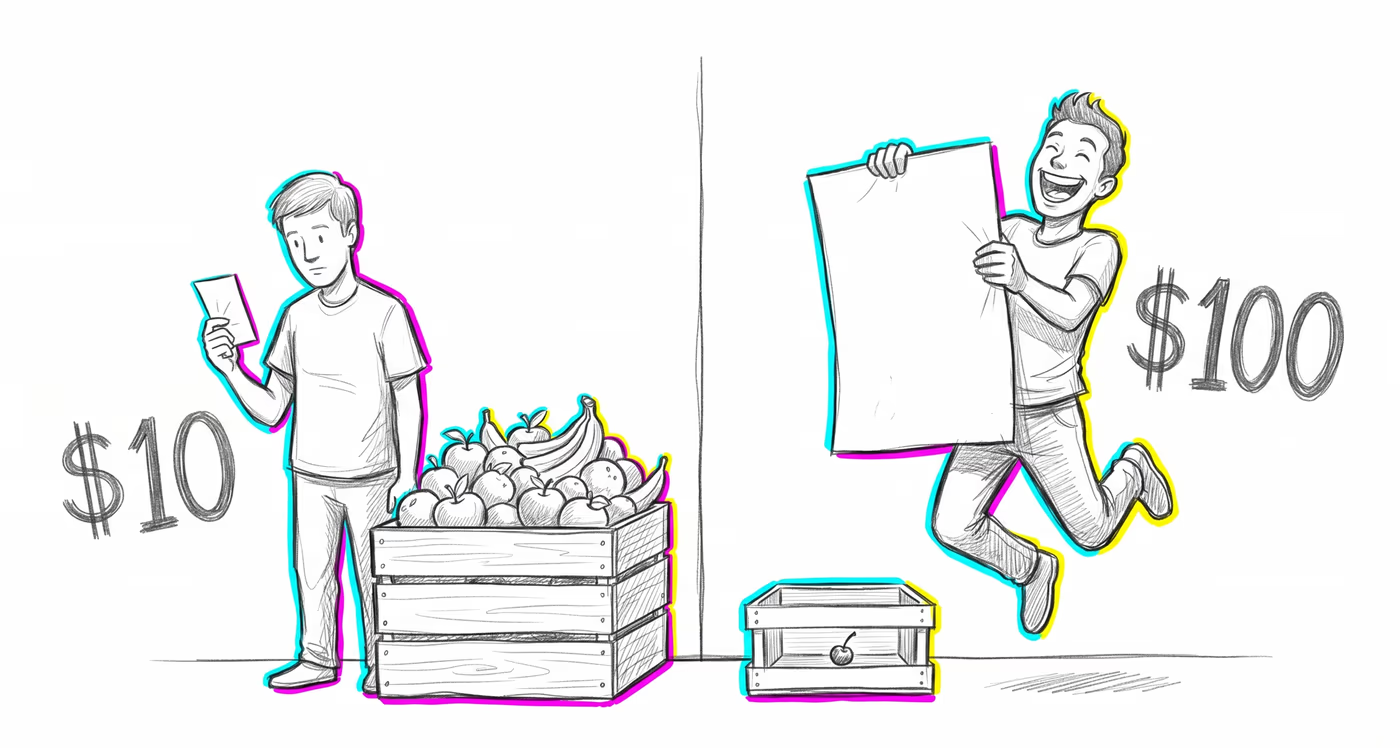
The same glitch looks different depending on the terrain. Finance, medicine, a
relationship, a team — same mechanism, different costume.
Finance & investing
Investors evaluate portfolio returns in nominal terms, celebrating a 7% gain in a year with 9% inflation as profitable when their real wealth has actually decreased. Bond investors may accept yields that fail to keep pace with inflation because the nominal coupon payments appear adequate. Housing markets are particularly affected, as buyers compare nominal monthly mortgage payments to rent without considering that inflation erodes the real burden of future mortgage payments.
Medicine & diagnosis
Patients evaluate the cost of medical procedures or insurance premiums in nominal terms, perceiving rising premiums as unfair without recognizing that healthcare costs have inflated. Public health workers in developing countries may perceive nominal budget increases as improved funding even when real resources have diminished due to inflation.
Education & grading
Teachers and students perceive nominal tuition increases as burdensome without comparing them to general inflation rates. University endowments may report nominal growth that masks real losses. Education policymakers may celebrate nominal increases in school budgets that represent real-terms cuts after accounting for cost inflation in the sector.
Relationships
Partners evaluate household income improvements in nominal terms, creating conflicts when one spouse sees a raise as sufficient progress while the other recognizes its inadequacy relative to rising living costs. Inheritance expectations are distorted when people anchor on nominal amounts promised decades ago without considering purchasing power erosion.
Tech & product
Pricing interfaces display nominal values without inflation context, and subscription services implement small nominal increases over years that feel minor but compound significantly. Digital platforms exploit the illusion by displaying prices in currencies with large denominations to make amounts seem substantial. Fintech apps that show only nominal portfolio growth without inflation-adjusted views reinforce the bias.
Workplace & hiring
Employers use nominal wage increases below the inflation rate to reduce real labor costs while maintaining worker satisfaction. Employees compare current nominal salaries to past ones and feel progress even when real wages have stagnated. Annual review processes that celebrate percentage raises without referencing inflation systematically mislead workers about their compensation trajectory.
Politics Media
Politicians cite nominal GDP growth or nominal wage increases as evidence of prosperity without adjusting for inflation. Media reports on record-breaking nominal figures — record tax revenue, record stock market levels — without contextualizing for inflation, giving a misleadingly positive impression. Voters perceive nominal tax bracket changes as meaningful policy shifts when inflation has already pushed real thresholds.