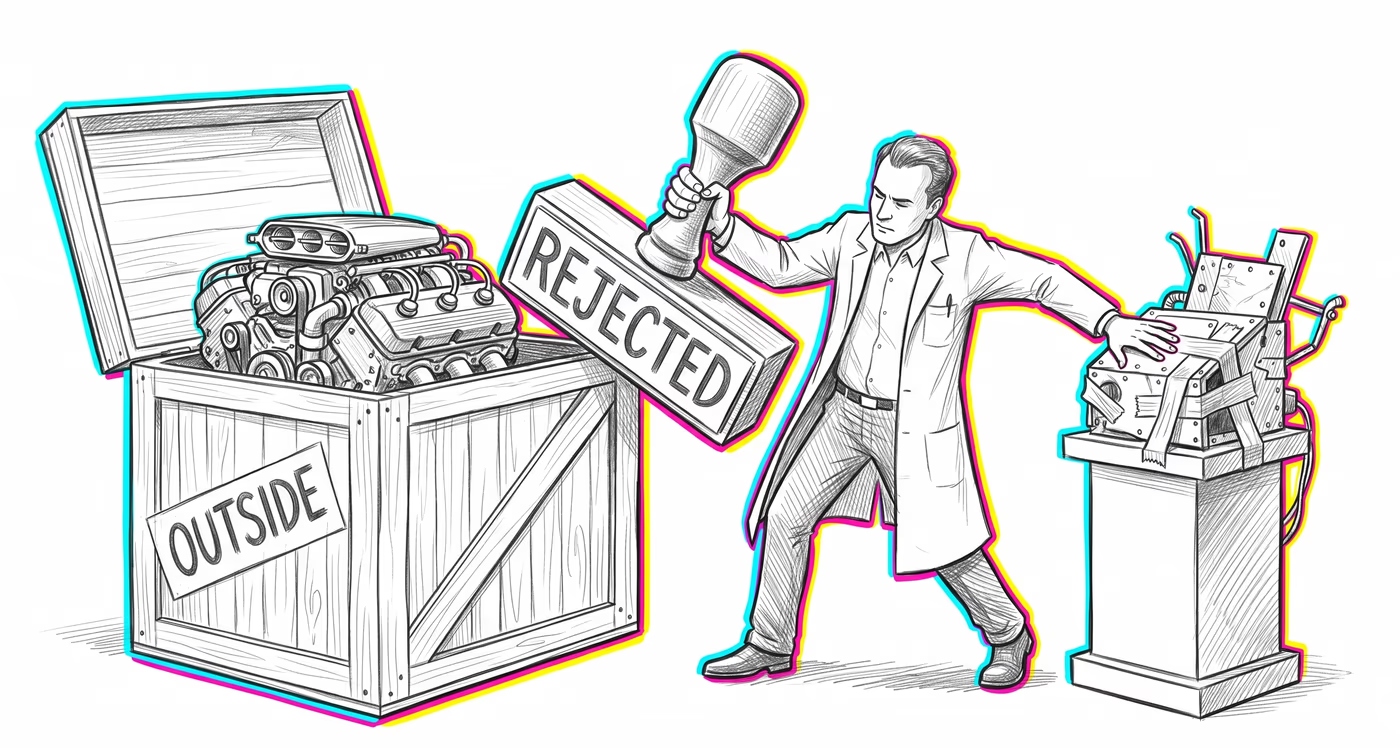
The same glitch looks different depending on the terrain. Finance, medicine, a
relationship, a team — same mechanism, different costume.
Finance & investing
Investment firms may reject externally developed quantitative models or trading algorithms in favor of building proprietary systems, even when the external solutions have longer track records and better risk-adjusted returns, leading to higher development costs and delayed market entry.

Medicine & diagnosis
Hospital systems and clinical teams may resist adopting treatment protocols or diagnostic tools developed at other institutions, preferring to develop their own clinical pathways even when the external evidence base is robust, potentially delaying patient access to best-practice care.
Education & grading
Faculty and administrators often resist adopting curricula, teaching methods, or educational technologies developed at other institutions, preferring to create original materials from scratch even when validated external programs show superior student outcomes.
Relationships
Individuals may dismiss advice or problem-solving approaches suggested by a partner's friends or family, insisting on working through issues using only self-derived strategies, creating friction and missed opportunities for growth.
Tech & product
Engineering teams frequently rebuild existing open-source libraries, frameworks, or APIs internally rather than integrating proven external solutions, leading to duplicated effort, increased maintenance burden, and often inferior implementations compared to community-maintained alternatives.
Workplace & hiring
Teams and departments resist adopting best practices, tools, or processes introduced by newly hired employees from other companies, viewing outside knowledge as a threat to established culture and expertise rather than an opportunity for improvement.
Politics Media
Nations and political entities may reject international policy frameworks, standards, or treaties not on substantive grounds but because they were developed by foreign governments or international bodies, preferring domestically developed alternatives that may be less effective.