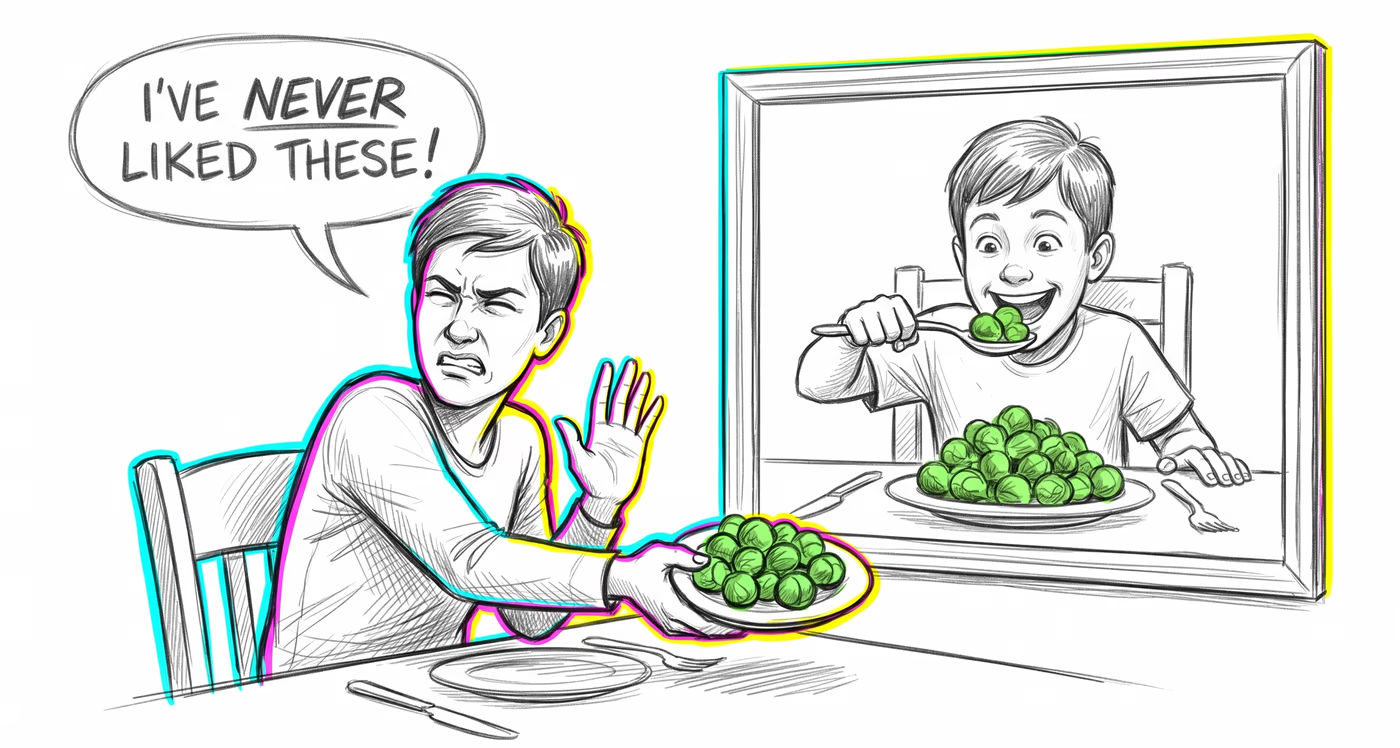
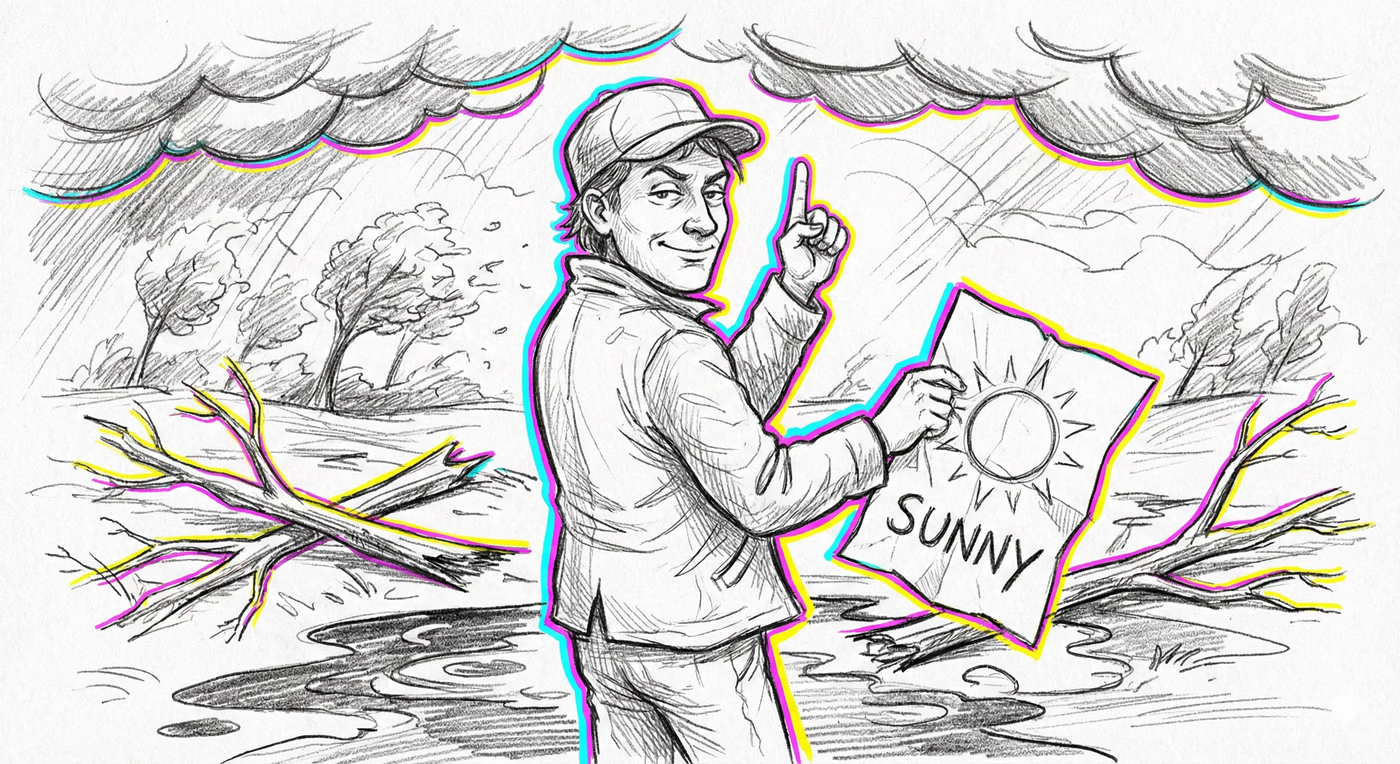
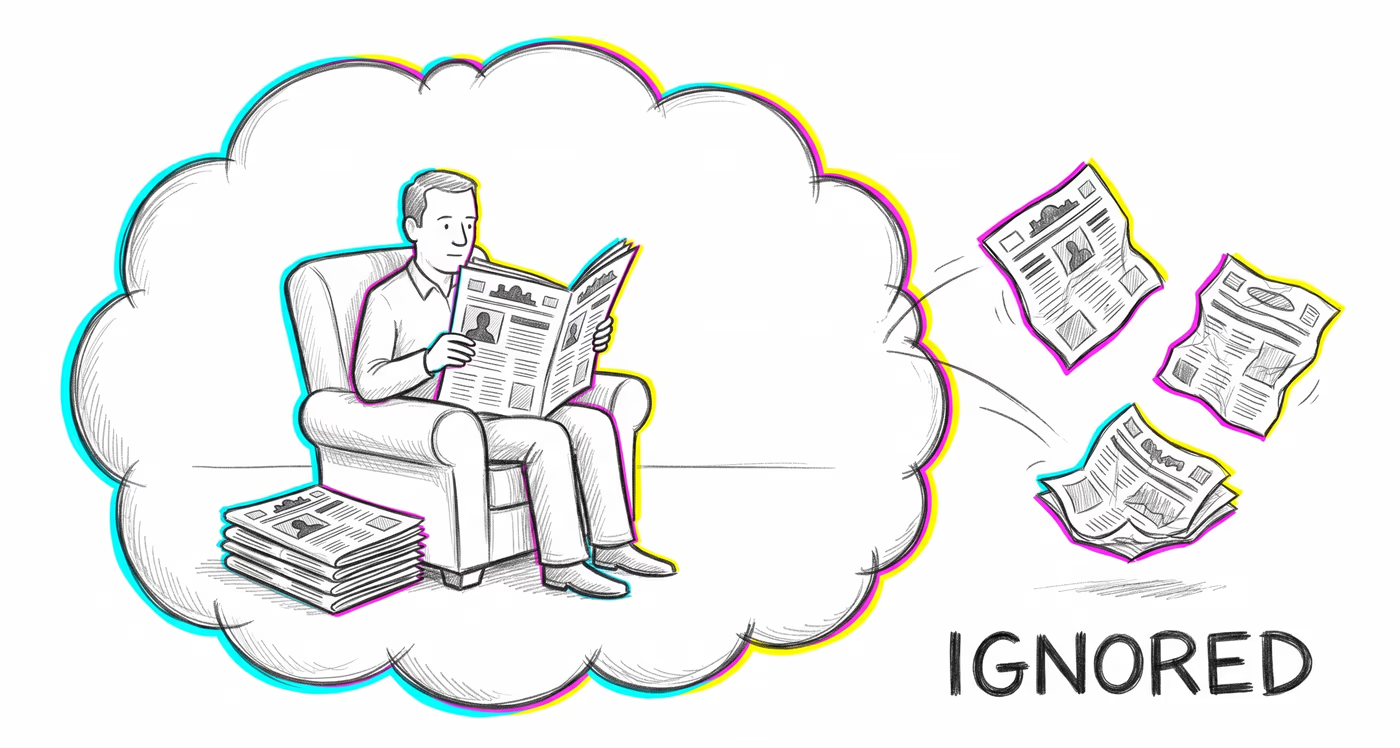
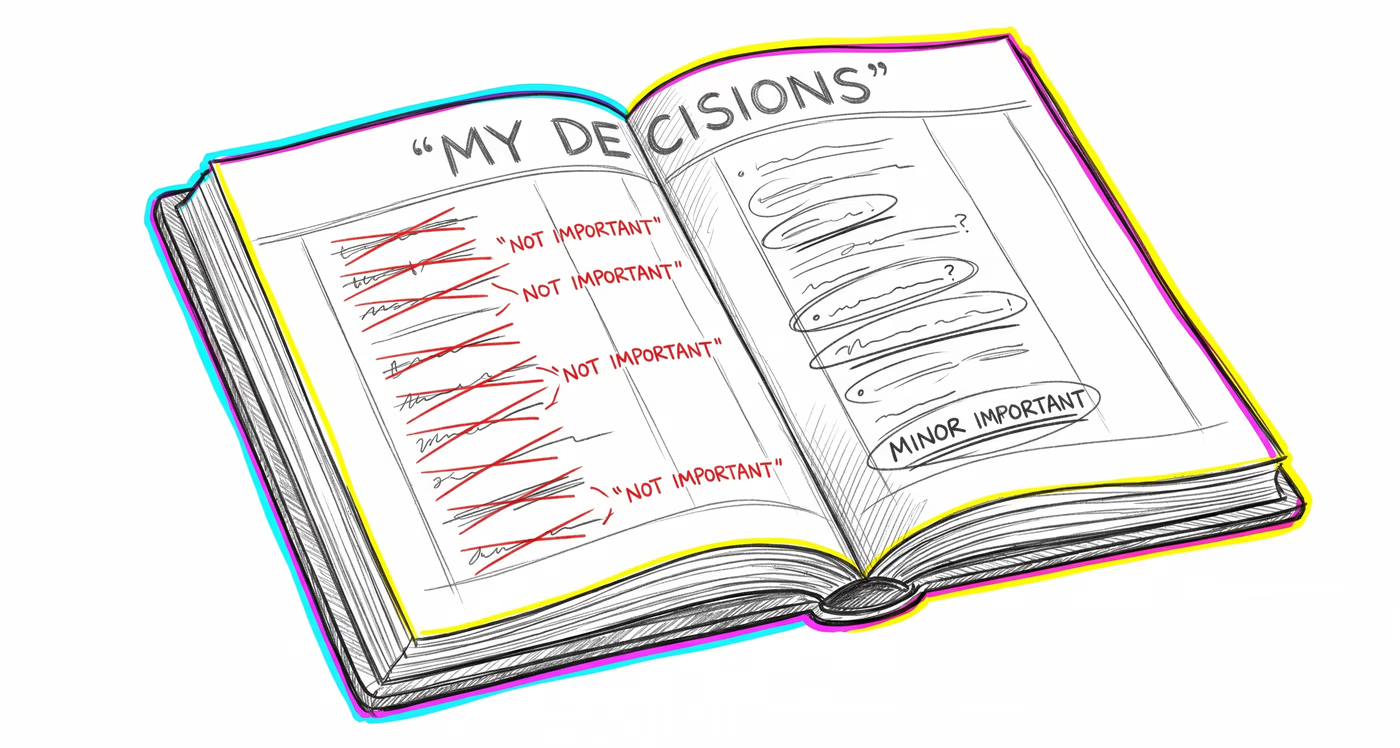
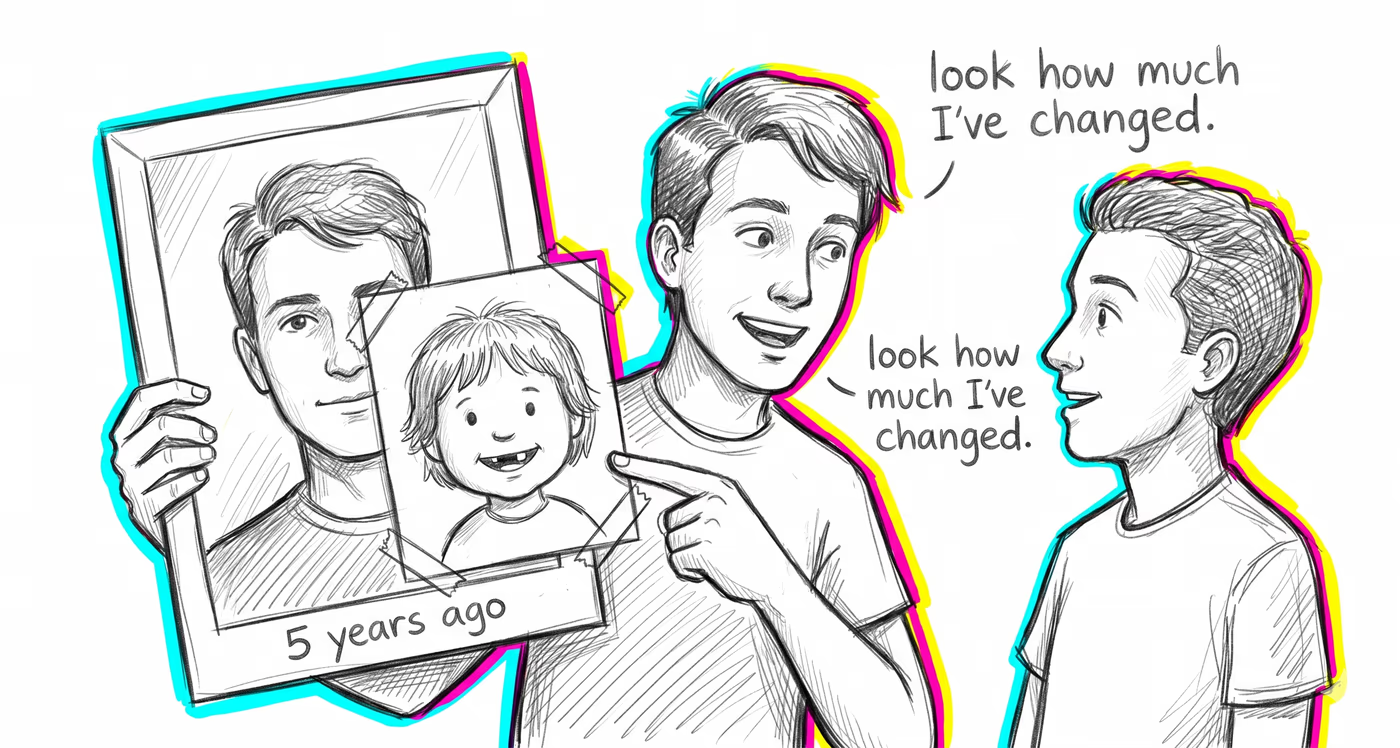
The same glitch looks different depending on the terrain. Finance, medicine, a
relationship, a team — same mechanism, different costume.
Finance & investing
Investors who have shifted strategies over time tend to recall their earlier investment philosophy as being closer to their current approach, making it difficult to honestly assess what prompted past losses or changes in strategy.
Medicine & diagnosis
Patients recalling pre-treatment symptoms or pre-diagnosis health behaviors tend to reconstruct them in line with their current health status, which can distort clinical assessments of treatment effectiveness and complicate longitudinal health tracking.
Education & grading
Students who have improved their study habits tend to recall always having been disciplined learners, while teachers who have evolved their pedagogical approach may misremember their earlier teaching style as more similar to their current methods than it actually was.
Relationships
Partners in long-term relationships tend to recall their initial impressions and early feelings as more consistent with their current feelings, which can create conflict when one partner's reconstructed memory clashes with documented reality or the other partner's recollection.
Tech & product
Product teams that pivot their design philosophy tend to retrospectively frame earlier design decisions as always having pointed toward the current direction, making it harder to learn from genuine missteps or identify when a true change in approach occurred.
Workplace & hiring
Employees who have shifted their professional values or management style tend to present themselves as always having held their current philosophy, which can distort performance self-assessments and obscure genuine professional development trajectories.
Politics Media
Voters and commentators routinely misremember their past political positions as closer to their current stances, which fuels the perception that political views are more stable than research shows and makes it harder to acknowledge the influence of media, events, or social pressure on opinion change.