The same glitch looks different depending on the terrain. Finance, medicine, a
relationship, a team — same mechanism, different costume.
Finance & investing
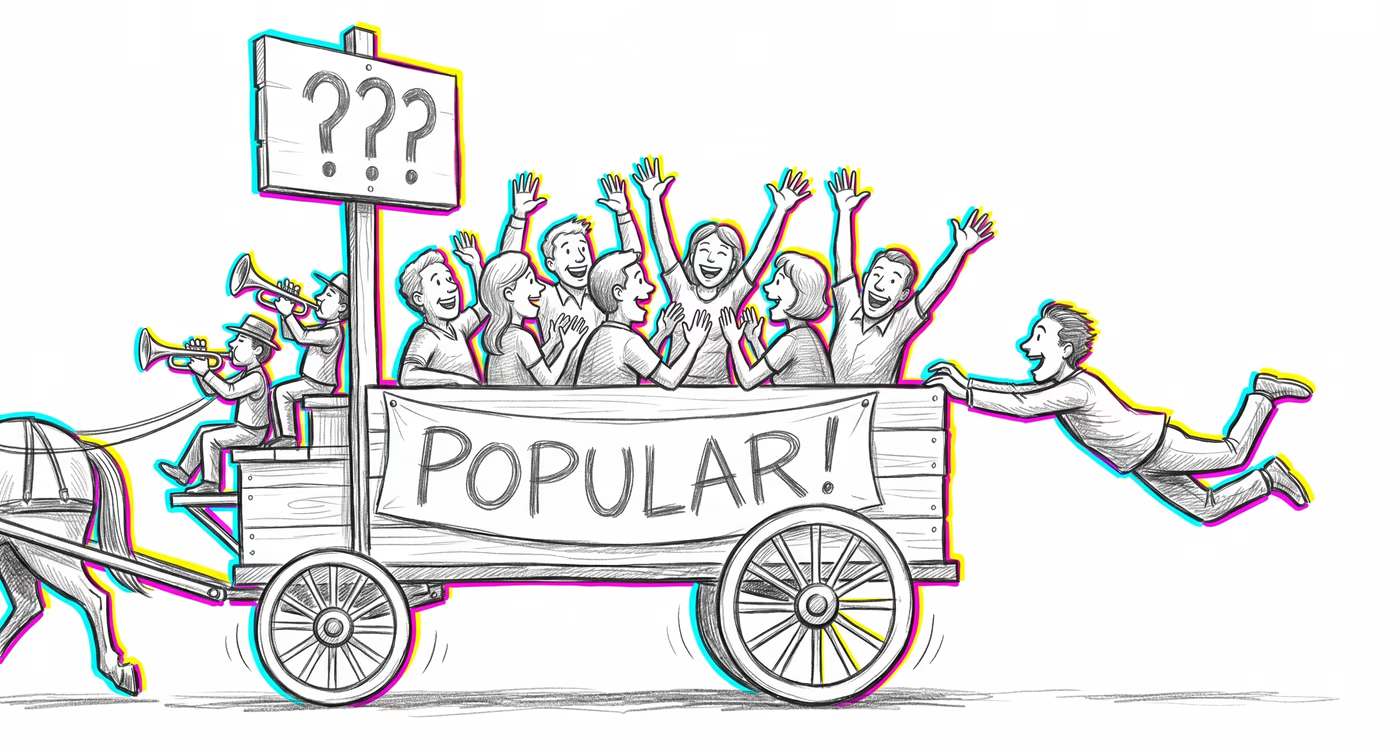
Investors pile into assets, sectors, or strategies primarily because they observe other market participants doing so, creating momentum-driven bubbles. The appearance of consensus among institutional investors is often mistaken for independent fundamental analysis, accelerating herd-driven booms and crashes.
Medicine & diagnosis
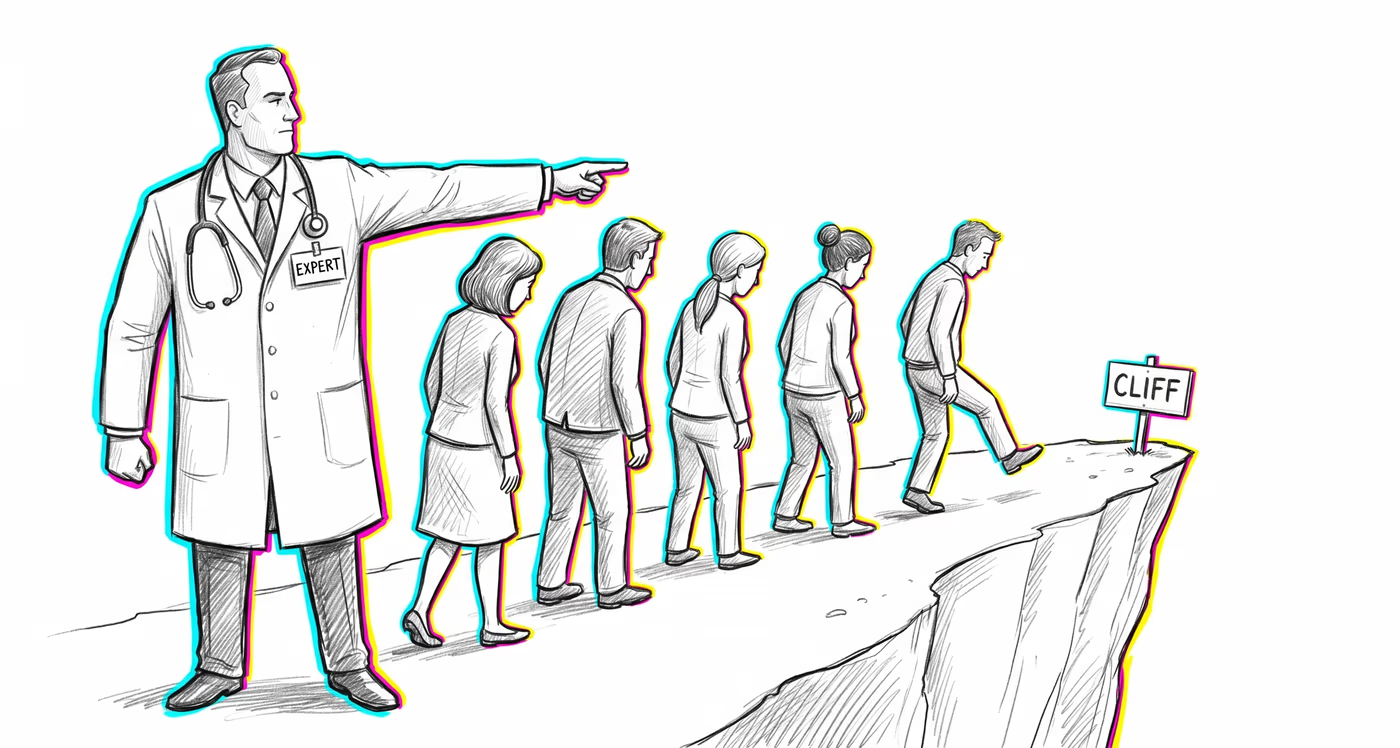
Clinicians may over-rely on prevailing treatment protocols or majority diagnostic opinions rather than independently evaluating atypical patient presentations. Patients, meanwhile, choose doctors, treatments, or hospitals based on popularity metrics and volume of reviews rather than outcome data.
Education & grading
Students select courses, majors, or study strategies based on what peers are doing rather than their own aptitudes or goals. Teachers may adopt popular pedagogical trends because other schools have adopted them, without evaluating whether the approach fits their specific student population.
Relationships
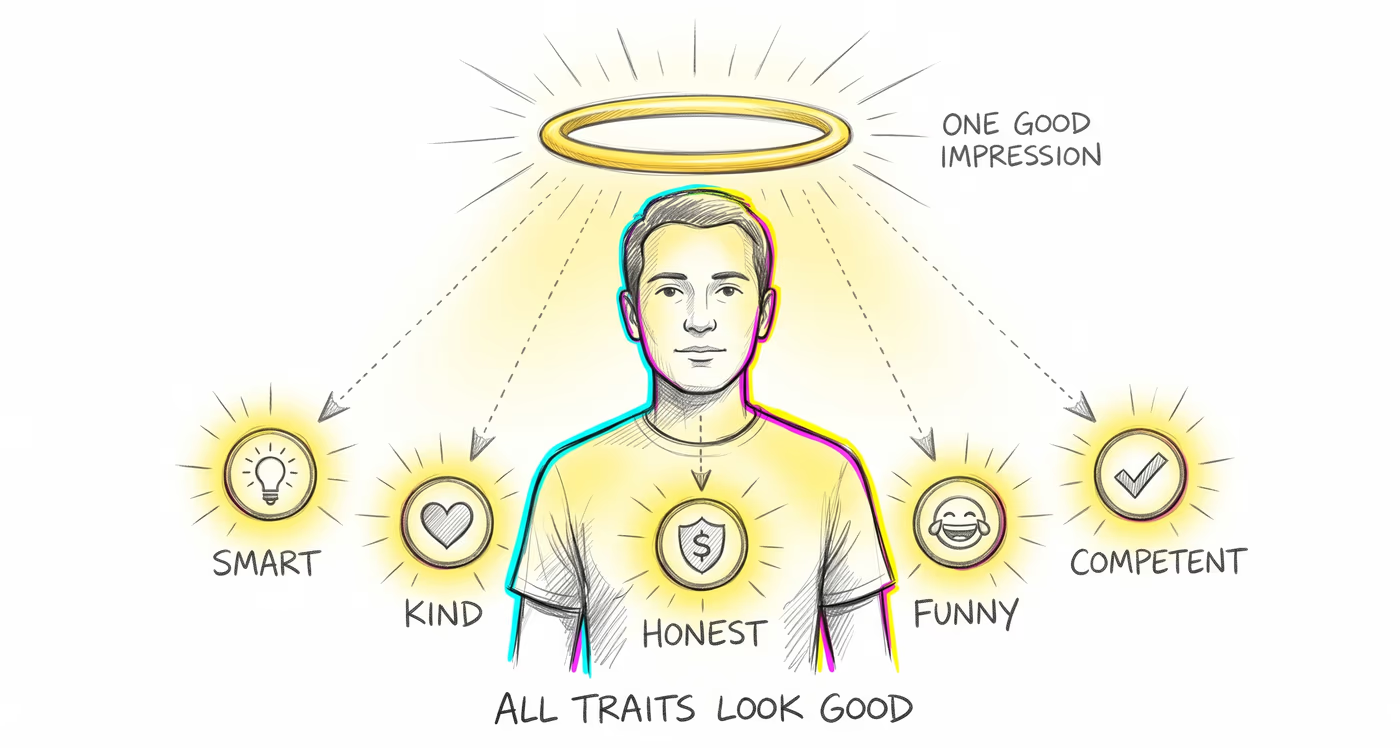
People evaluate potential romantic partners partly by how much social validation those partners receive from others—perceiving someone as more attractive or desirable when they are visibly popular or in demand within a social circle.
Tech & product
Product designers exploit social proof through review counts, download numbers, 'trending' labels, and 'X people are viewing this right now' notifications to drive user adoption and purchasing behavior. Feature adoption within development teams often follows industry trends rather than user research.
Workplace & hiring
Hiring committees favor candidates from well-known companies or popular universities, using others' prior selection decisions as a proxy for quality. Employees adopt tools, workflows, or management frameworks because 'everyone in the industry uses them' rather than evaluating fit for their organization.
Politics Media
Voters are influenced by polls, endorsement counts, and crowd sizes, interpreting widespread support as evidence of a candidate's merit. Media amplifies this by reporting on momentum and popularity metrics, which in turn further shifts public opinion in the same direction.