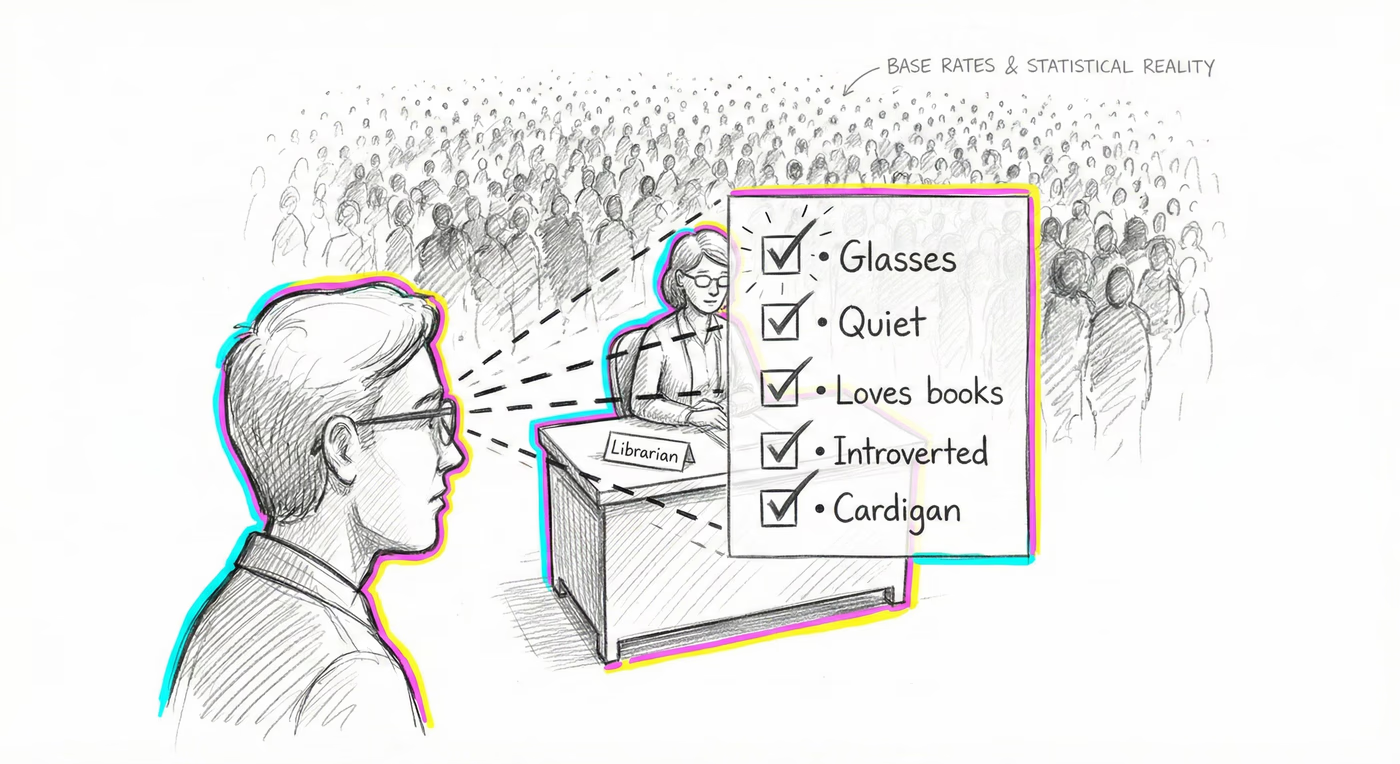
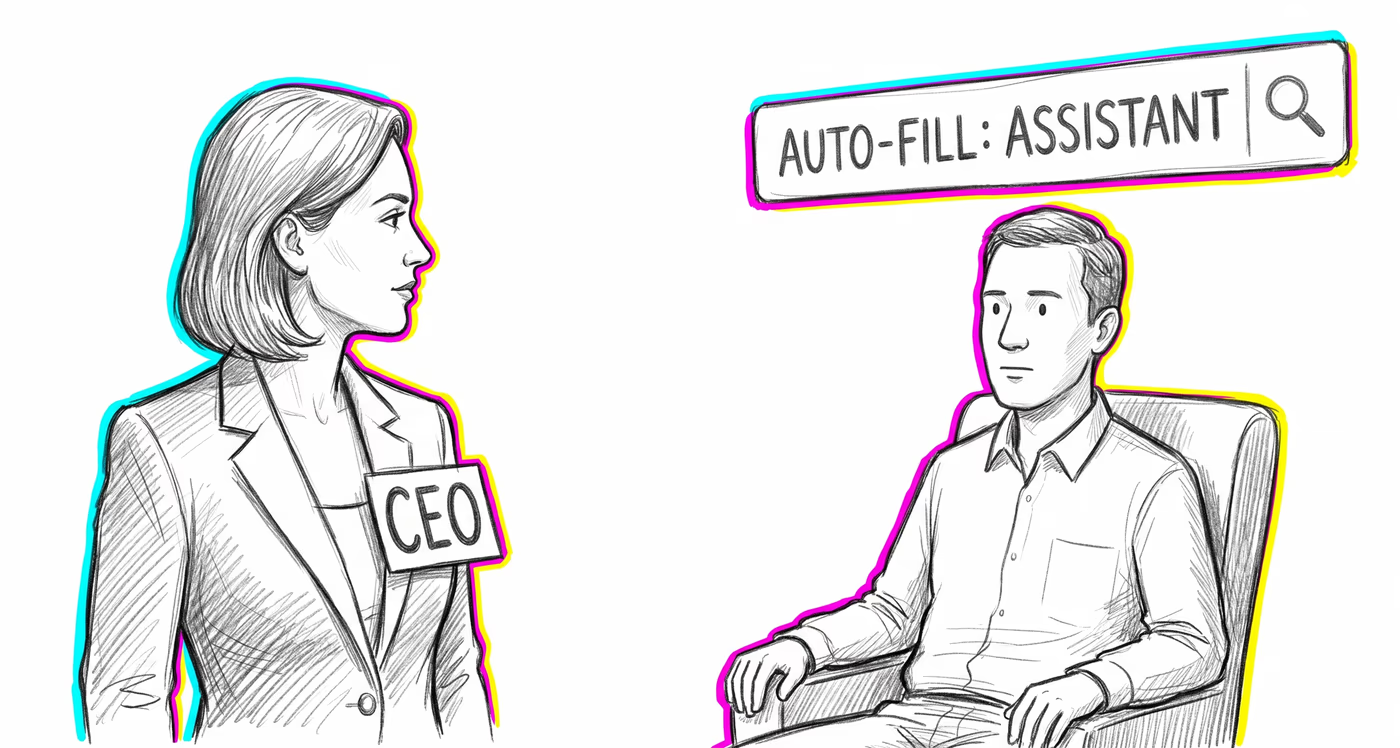
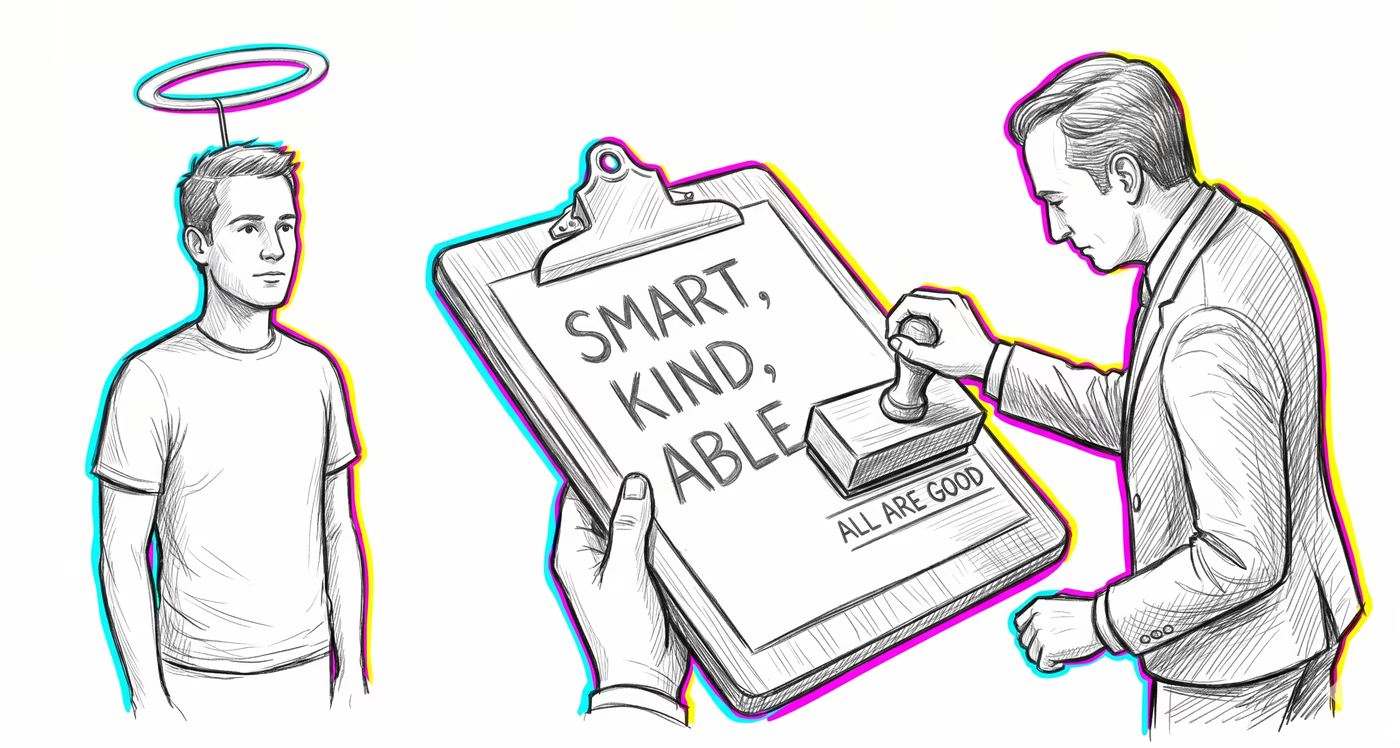
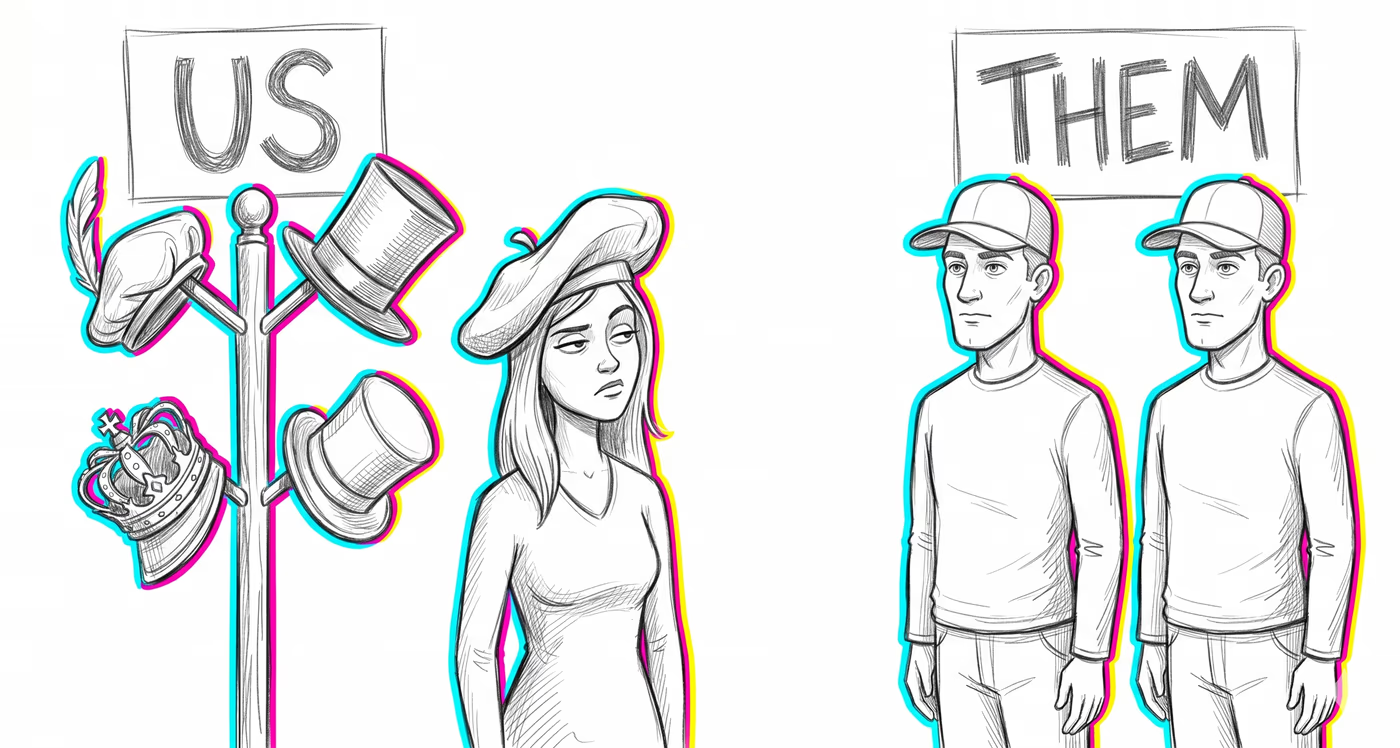
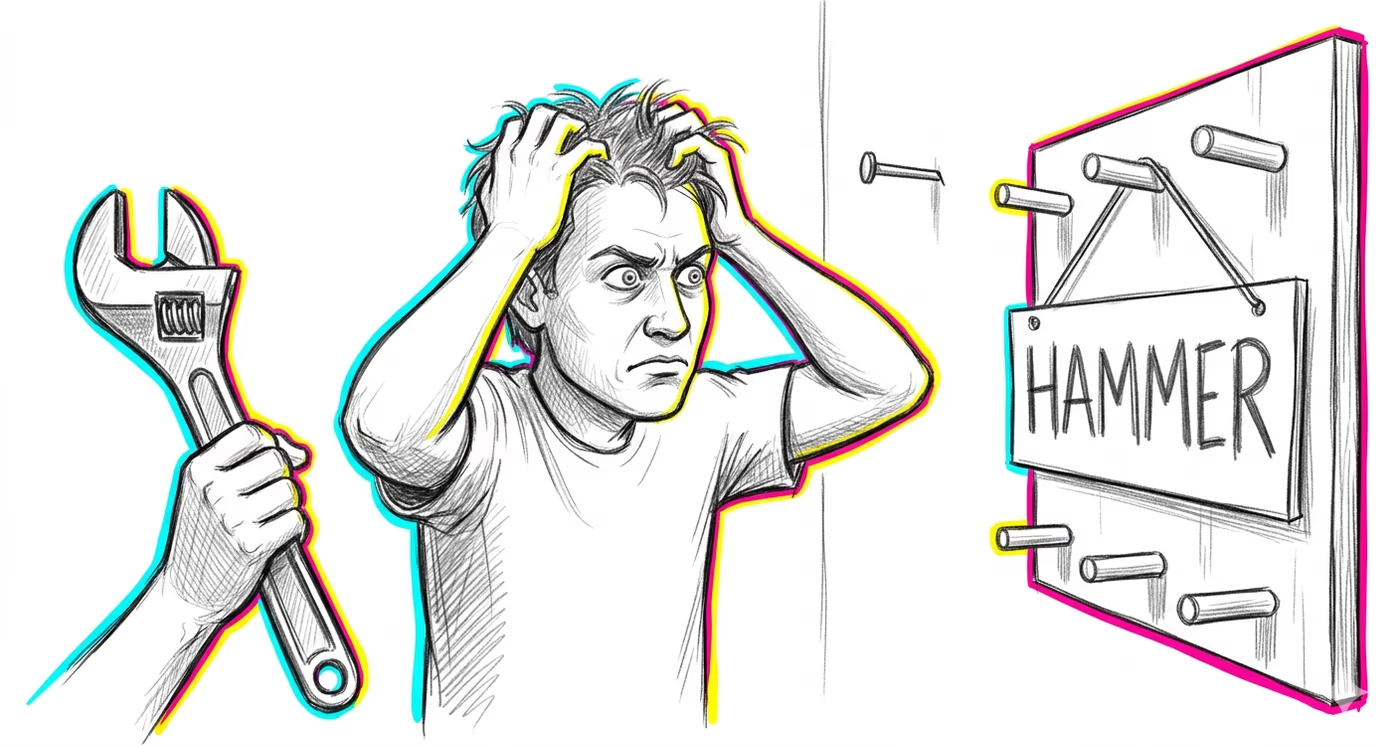
The same glitch looks different depending on the terrain. Finance, medicine, a
relationship, a team — same mechanism, different costume.
Finance & investing
Investors tend to classify financial instruments faster and more confidently when they match prototypical examples — treating a tech startup as a 'risky investment' instantly while struggling to categorize hybrid instruments like convertible bonds, leading to slower or less accurate risk assessments for atypical assets.
Medicine & diagnosis
Clinicians diagnose conditions faster when patients match the textbook prototype of a disease (e.g., a classic heart attack presentation) but may miss or delay diagnosis when symptoms present atypically, disproportionately affecting women, younger patients, and minority groups whose presentations deviate from the prototype taught in medical school.
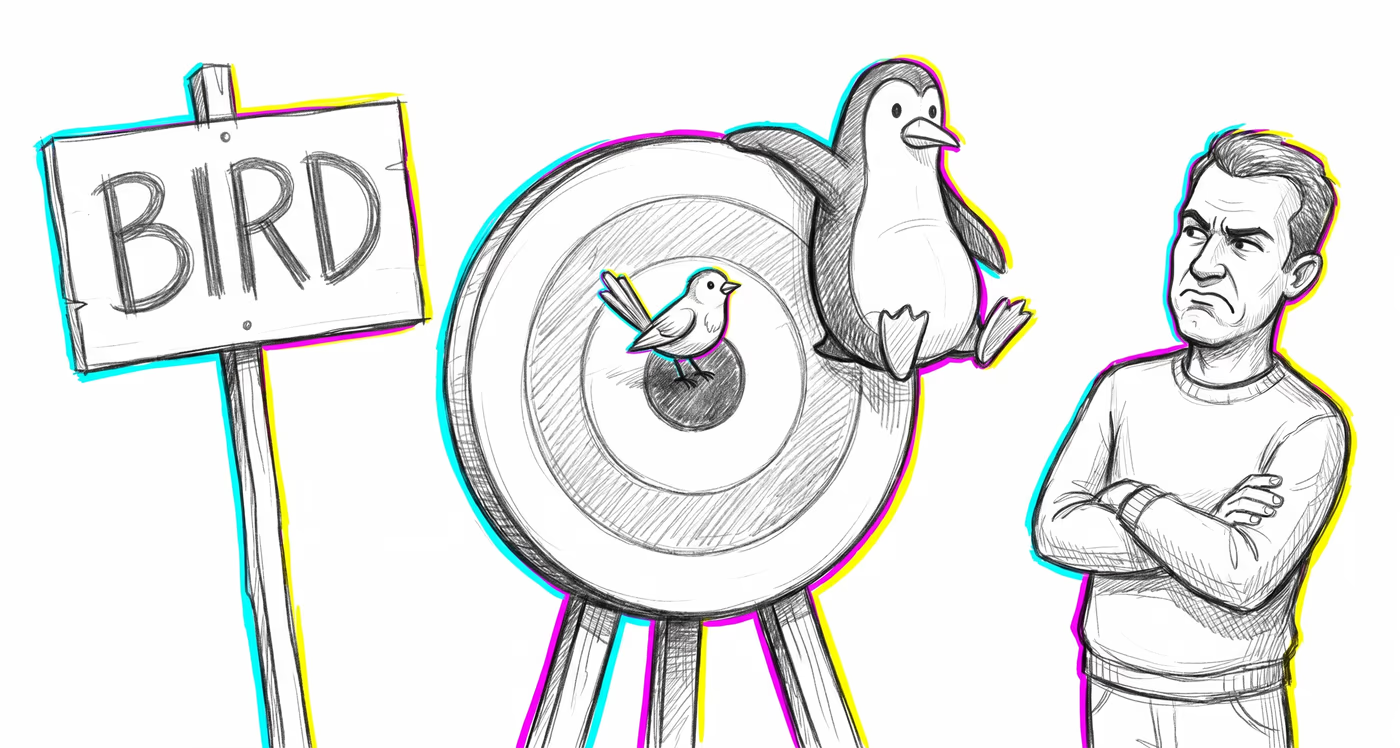
Education & grading
Teachers more readily identify students who match the prototype of a 'gifted learner' (e.g., quick verbal responses, neat work) while overlooking atypical indicators of giftedness such as creative rule-breaking or divergent thinking, leading to underrepresentation of non-prototypical talent in advanced programs.
Relationships
People judge potential partners more quickly and favorably when they match the cultural prototype of an 'ideal' partner, while atypical but equally compatible individuals are evaluated with more hesitation and skepticism, leading to missed connections.
Tech & product
Users navigate interfaces more efficiently when design patterns match established conventions (the prototype of how a button, menu, or checkout flow should look), and experience frustration and error when innovative but atypical UI elements deviate from expectations.
Workplace & hiring
Performance reviews tend to favor employees whose work style and presentation match the organizational prototype of a 'high performer,' while equally productive employees with unconventional approaches may receive lower ratings due to the cognitive friction of evaluating atypical contributions.
Politics Media
Voters and media consumers more readily accept political events or figures that match their prototype of 'how politics works,' while atypical candidates or policies require more cognitive effort to evaluate, often leading to dismissal or heightened skepticism regardless of actual merit.