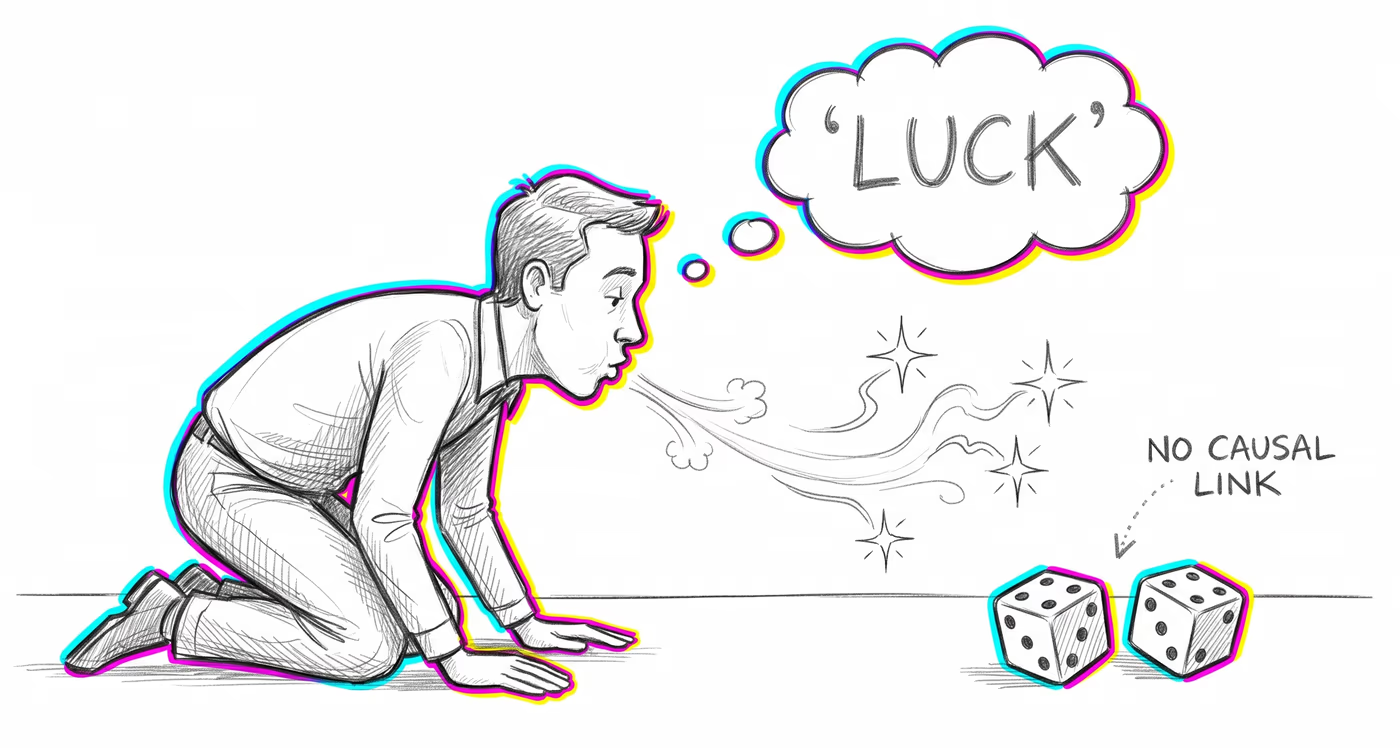
The same glitch looks different depending on the terrain. Finance, medicine, a
relationship, a team — same mechanism, different costume.
Finance & investing
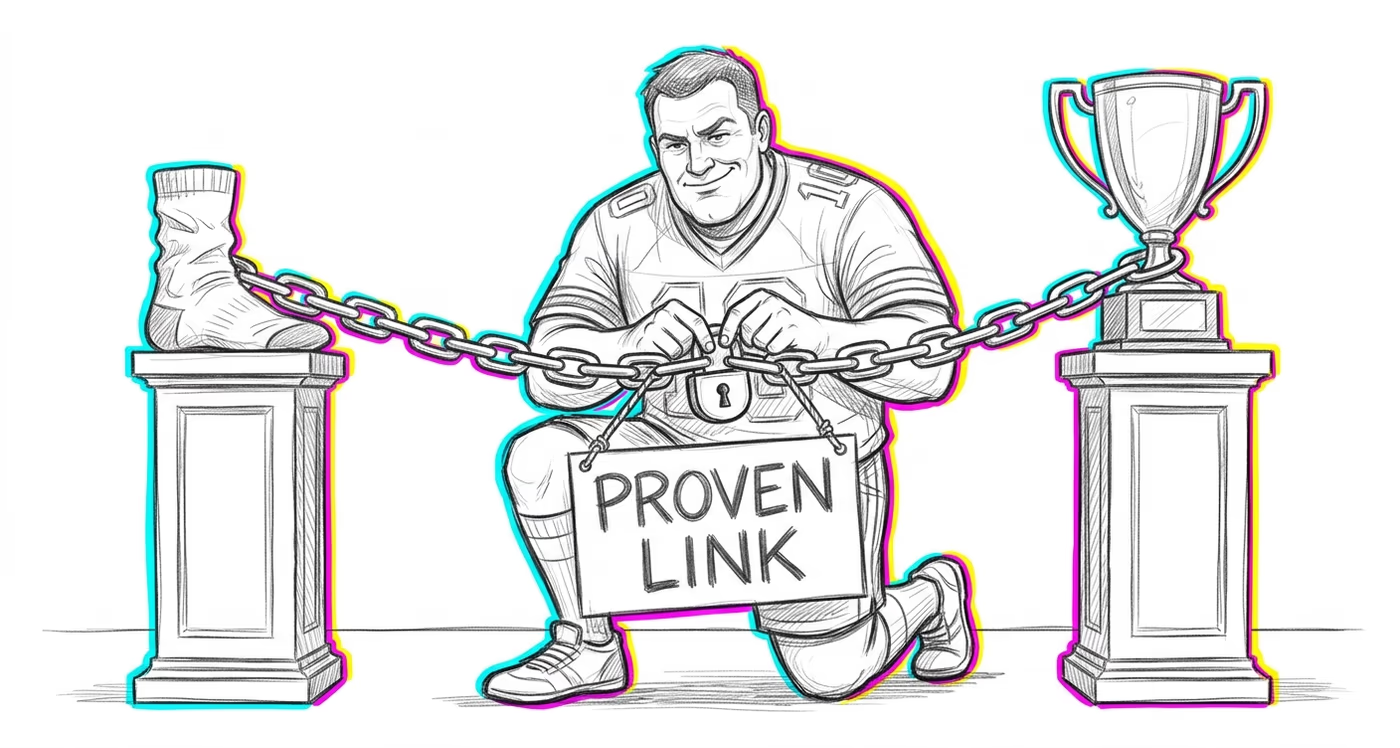
Traders develop rituals around profitable days — wearing the same tie, using the same route to work, eating the same lunch — and feel genuine anxiety when forced to break the routine, despite knowing that their clothing has no effect on market movements. Investors may also avoid stocks with 'unlucky' ticker symbols or invest in companies whose names feel auspicious.
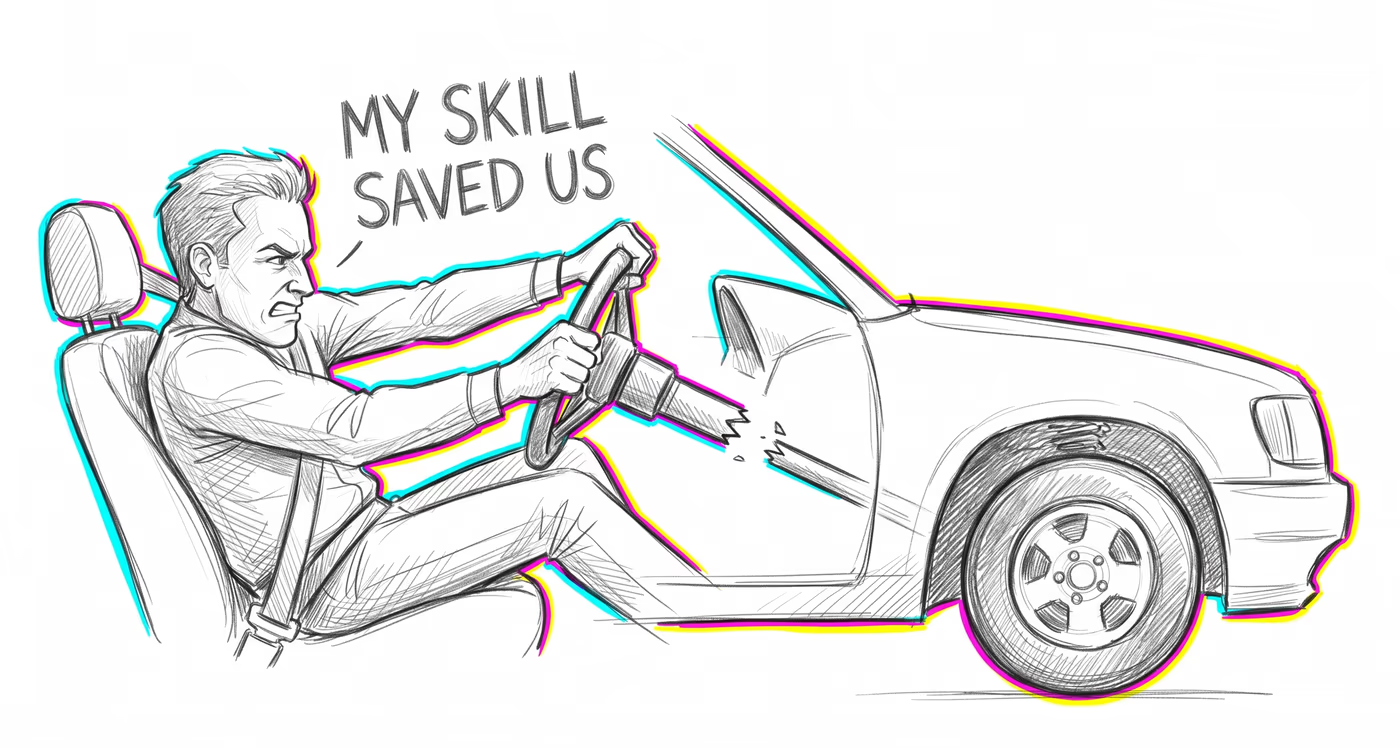
Medicine & diagnosis
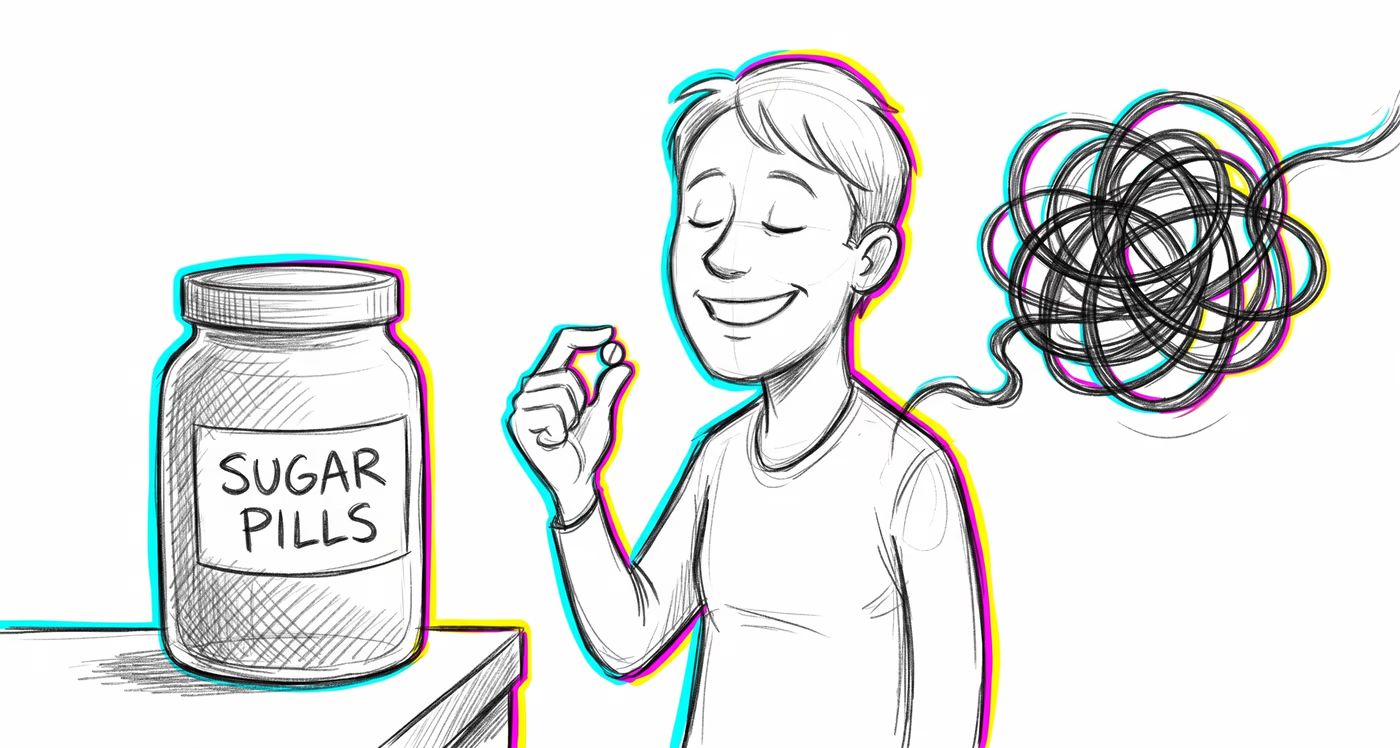
Patients may attribute recovery to a ritual (touching a religious relic, performing a specific prayer sequence) rather than to the medication they simultaneously began taking, creating a false sense that the ritual is the active ingredient. Clinicians may develop subtle superstitions about which examination rooms produce better patient outcomes.
Education & grading
Students develop elaborate study rituals — sitting in the same seat, using the same pen, listening to a specific playlist — and may believe that deviating from the ritual caused a poor grade rather than attributing it to insufficient preparation. Teachers may unconsciously link classroom layout changes to student performance shifts.
Relationships
People may interpret coincidences as meaningful signs about romantic compatibility ('We both ordered the same drink — it's meant to be') or believe that thinking about an ex will cause them to call. Relationship milestones on 'unlucky' dates may cause disproportionate anxiety unrelated to actual relationship quality.
Tech & product
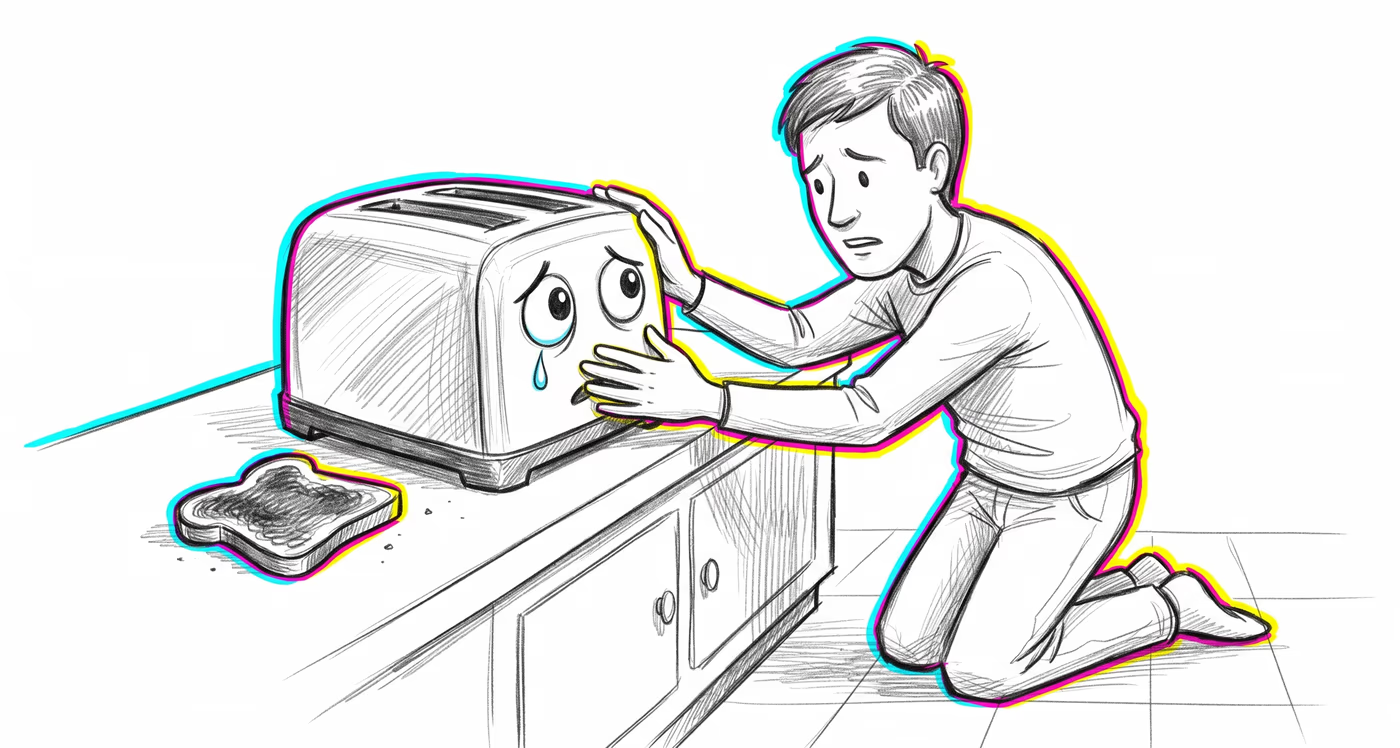
Users develop rituals with technology — tapping a loading screen to make it go faster, deleting and reinstalling an app to 'fix' an unrelated issue, or believing their device 'knows' when they're in a hurry and deliberately slows down. Product designers exploit magical thinking through gamification elements like streak counters and loot boxes.
Workplace & hiring
Teams may attribute a project's success to a particular meeting room or time slot rather than to the quality of their strategy. Employees may resist changing a workflow that correlates with past wins, even when the workflow is objectively inefficient, because altering it feels like tempting fate.
Politics Media
Voters may interpret personal coincidences as omens about which candidate to support. Political campaigns exploit magical thinking through symbolic gestures, lucky slogans, and rituals designed to create a sense of destined victory. Media coverage of rare events (plane crashes, shark attacks) activates magical avoidance patterns disproportionate to actual statistical risk.