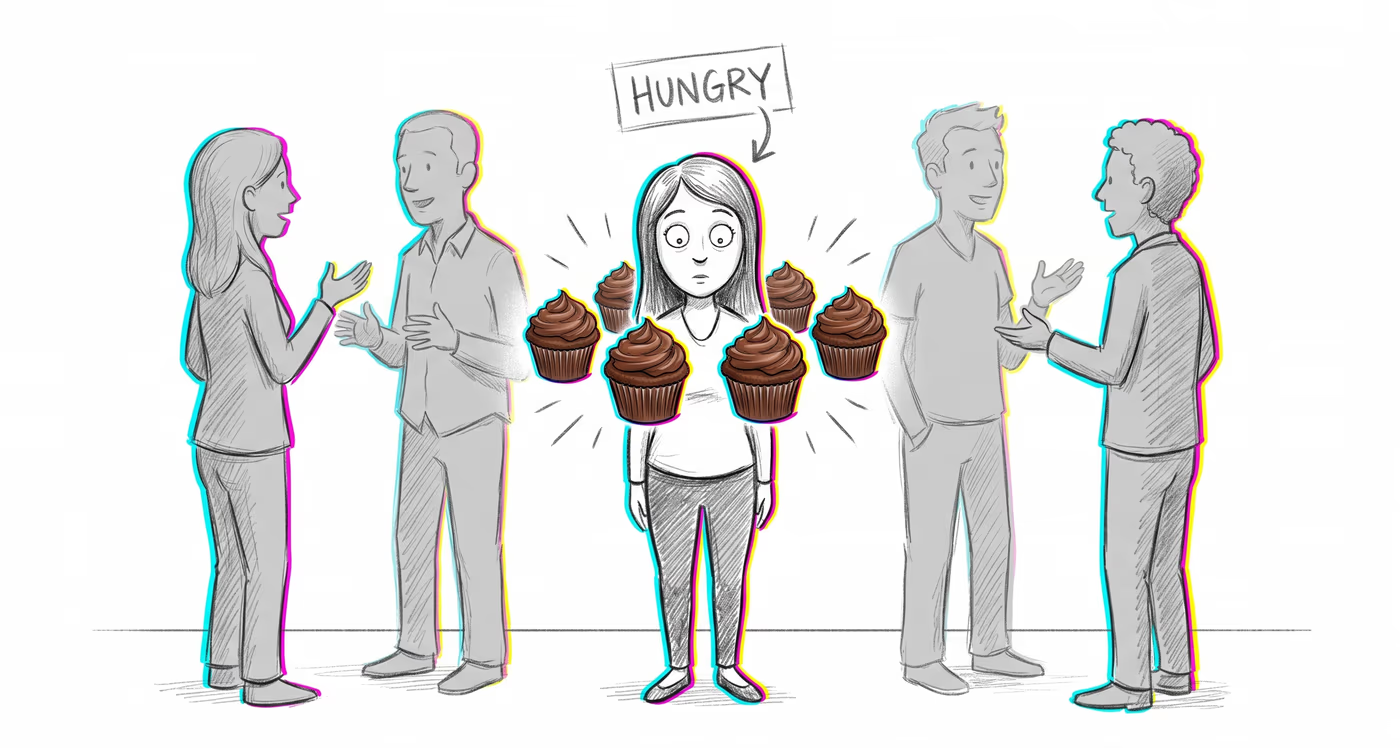
The same glitch looks different depending on the terrain. Finance, medicine, a
relationship, a team — same mechanism, different costume.
Finance & investing
Investors disproportionately remember market crashes and financial catastrophes in vivid detail while forgetting years of steady growth, leading to exaggerated risk aversion and crisis-driven decision-making that ignores base rates of market recovery.
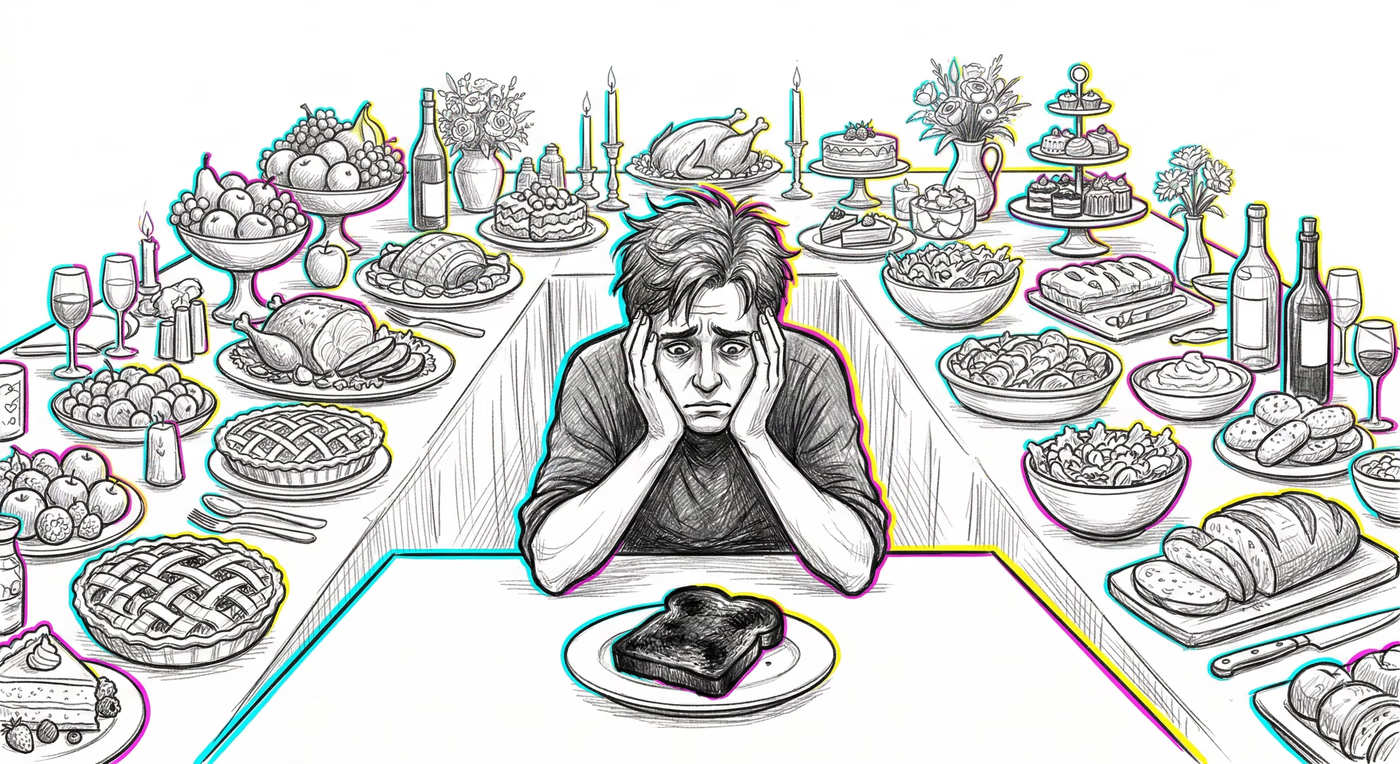
Medicine & diagnosis
Clinicians more readily recall rare but fatal diagnoses from their training and practice, which can skew diagnostic reasoning toward dramatic worst-case conditions over statistically more likely benign explanations for a patient's symptoms.
Education & grading
Students consistently perform better on exam questions related to violent historical events, epidemics, and disasters compared to equally complex questions about cultural or economic developments, creating a distorted sense of what history 'is about.'
Relationships
Partners disproportionately remember moments of intense conflict, betrayal, or references to relationship 'death' (breakup threats, abandonment fears) over routine positive interactions, which can make the relationship feel more unstable than it actually is.
Tech & product
Users remember product failures that caused data loss or 'killed' their work far more vividly than dozens of smooth experiences, making a single catastrophic bug disproportionately damaging to brand perception compared to sustained reliability.
Workplace & hiring
Safety training that includes graphic depictions of workplace fatalities produces dramatically better recall of safety protocols than training that uses abstract statistics, though it may also increase anxiety and avoidance behavior.
Politics Media
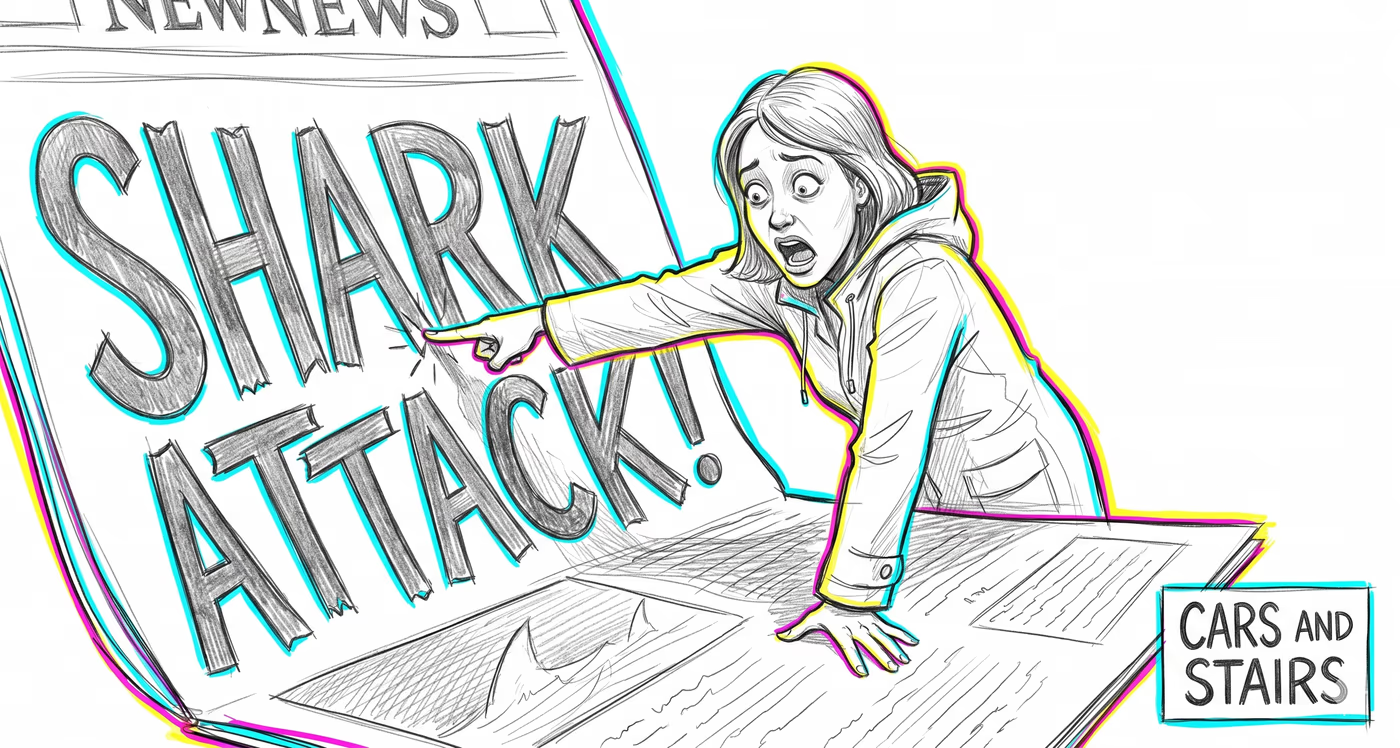
News outlets featuring death tolls, violent imagery, and existential threats dominate audience recall and sharing behavior, crowding out policy analysis and constructive reporting from public memory and shaping the perception that the world is more dangerous than evidence suggests.