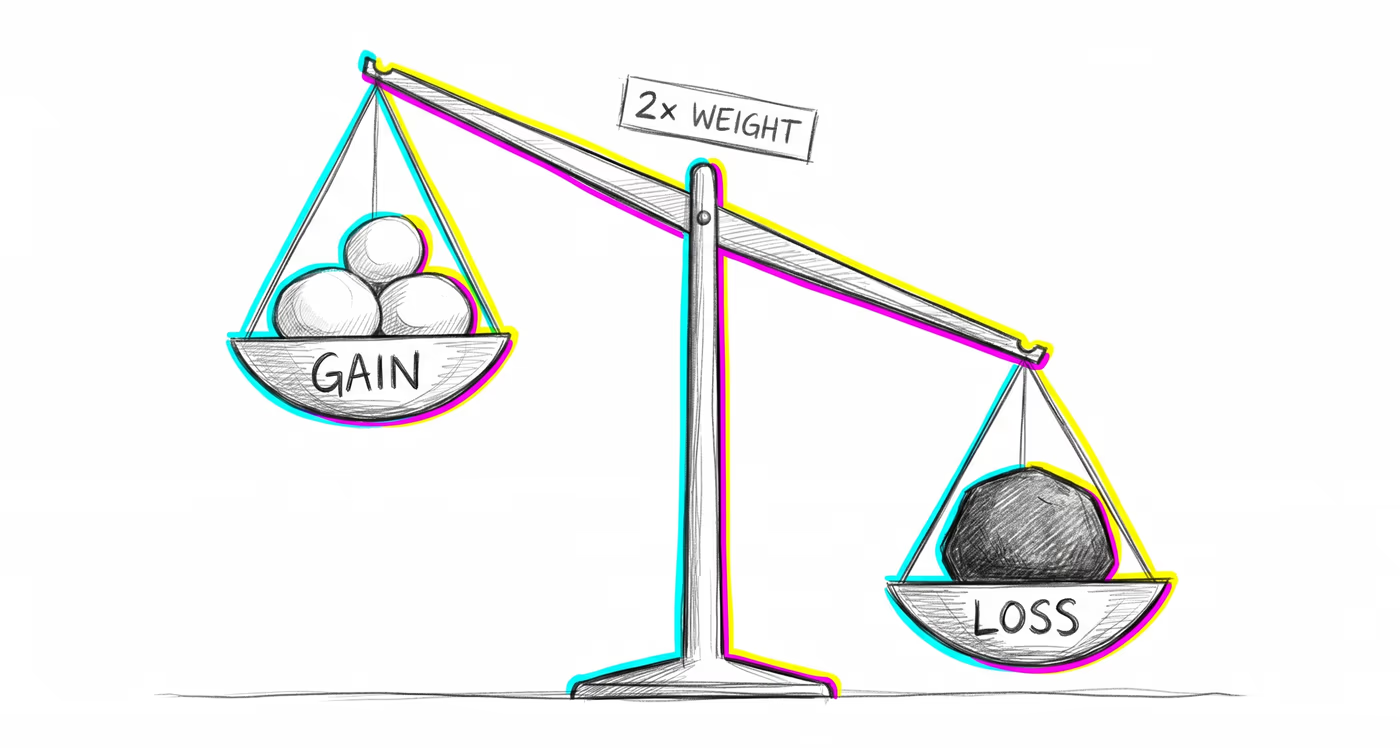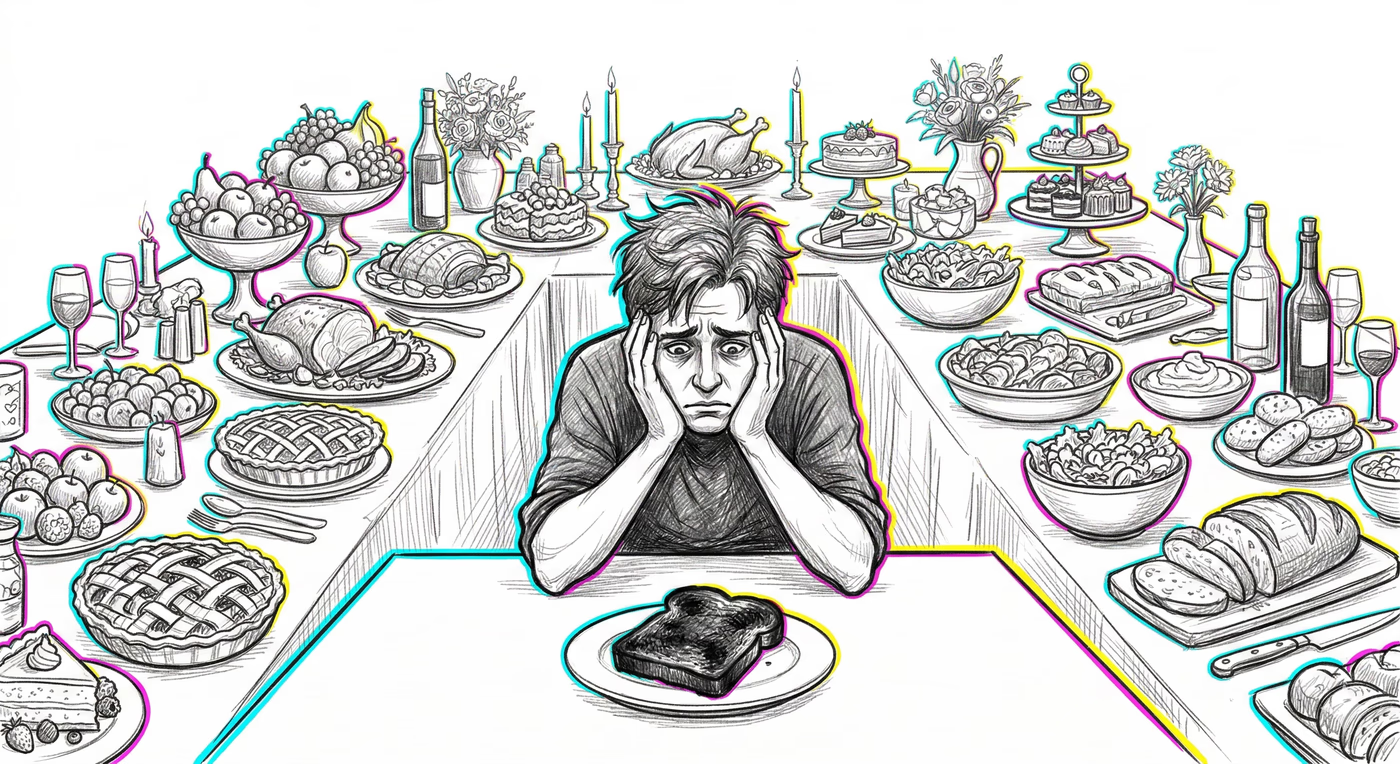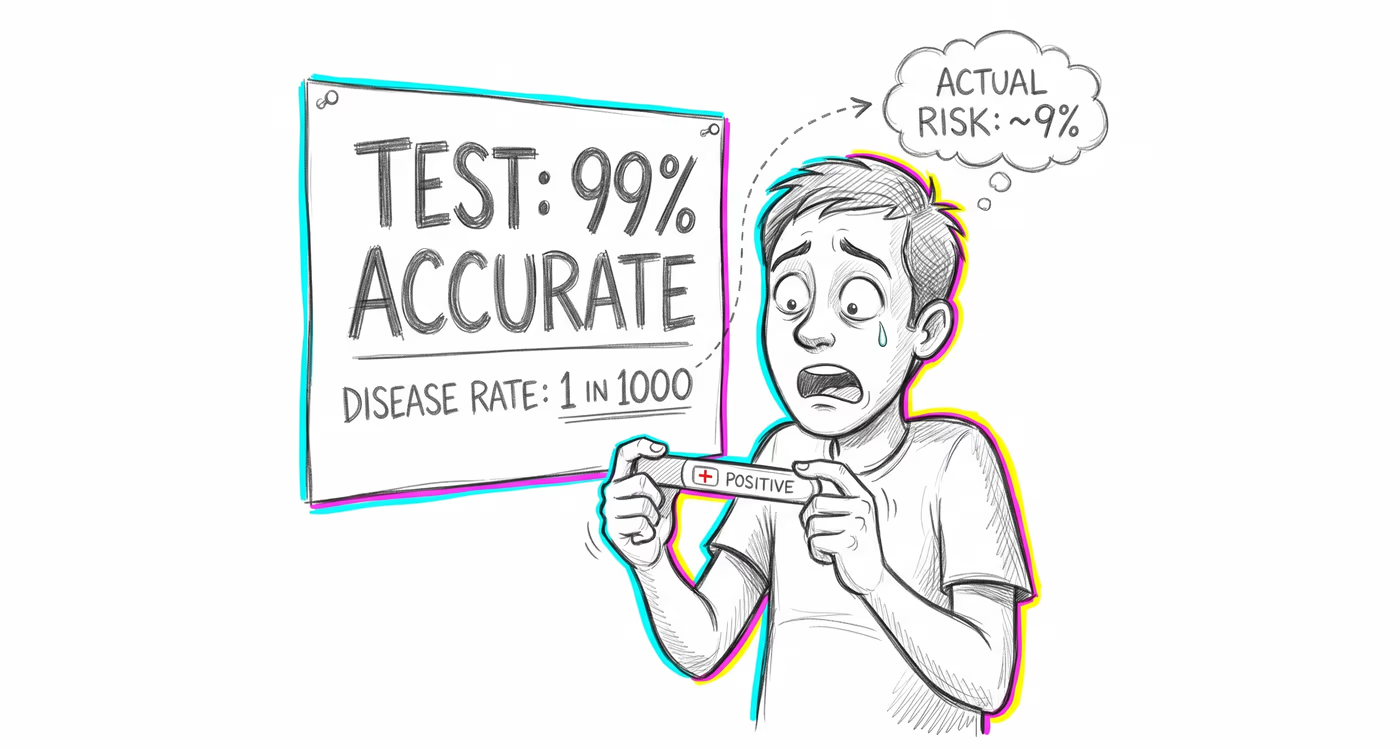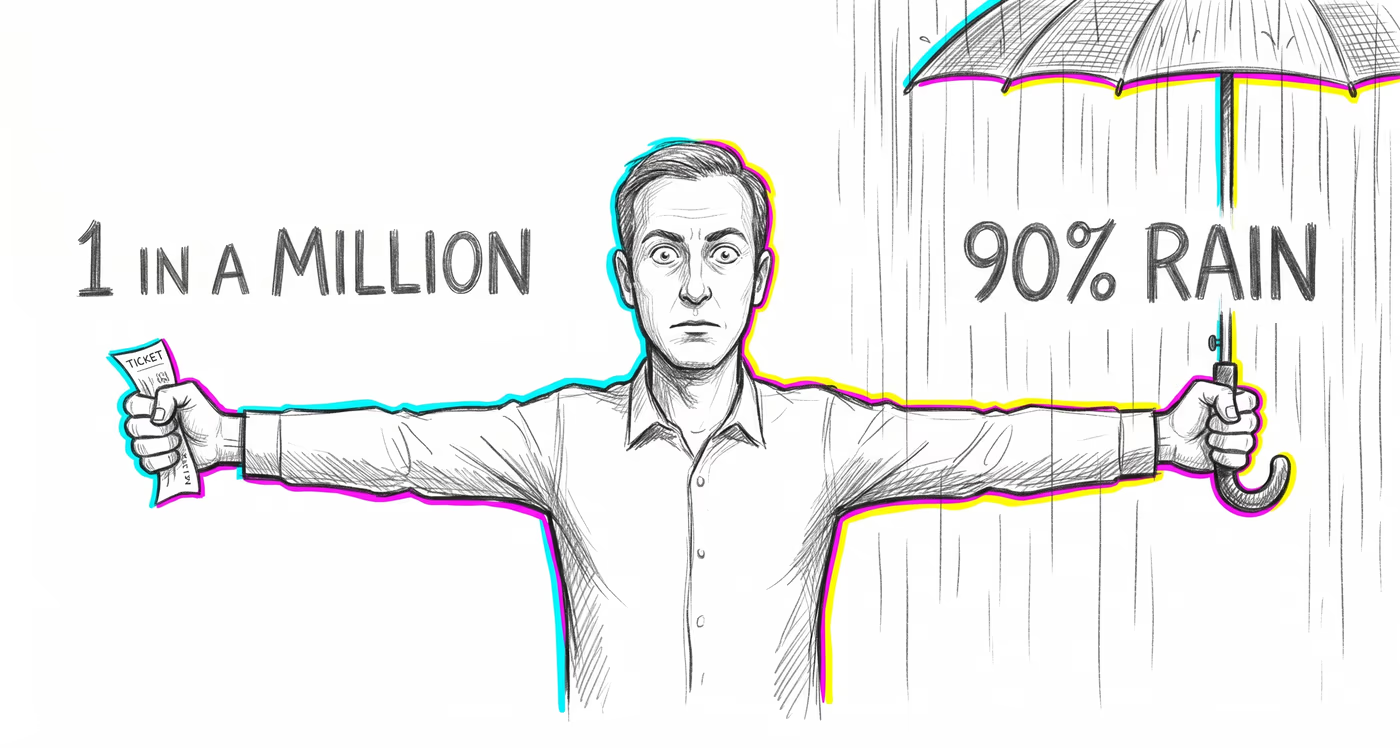
The same glitch looks different depending on the terrain. Finance, medicine, a
relationship, a team — same mechanism, different costume.
Finance & investing
Investors systematically overprice options that protect against extreme market moves, creating the characteristic U-shaped 'volatility smile' in implied volatility curves. This leads to inflated premiums for crash insurance and lottery-like speculative bets, while moderate-probability outcomes receive relatively less attention in portfolio construction.
Medicine & diagnosis
Patients and clinicians overweight rare, dramatic side effects of medications while underweighting common but less vivid adverse reactions. This distortion leads patients to refuse beneficial treatments due to fear of statistically negligible catastrophic outcomes, and leads doctors to over-order tests for rare diseases after encountering a single dramatic case.
Education & grading
Students preparing for exams disproportionately study for the most extreme or unusual questions they can imagine, neglecting the high-frequency foundational material that constitutes the bulk of actual test content. Teachers may similarly design curricula around preventing the worst-case failure scenarios rather than optimizing for the most probable learning outcomes.
Relationships
People overestimate both the probability of fairy-tale romantic outcomes and the probability of catastrophic betrayal, while underweighting the more likely middle-ground reality of steady, imperfect partnership. This leads to either unrealistic expectations or excessive jealousy and suspicion based on unlikely worst-case scenarios.
Tech & product
Product teams overinvest in edge-case failure modes and extremely unlikely user scenarios while underinvesting in optimizing the primary user flow that 95% of users actually follow. This results in robust disaster recovery but a mediocre core experience.
Workplace & hiring
Hiring committees fixate on the possibility of a spectacular hire or a catastrophic mis-hire, leading to excessive screening and prolonged decision cycles, while neglecting that the most probable outcome of any reasonable candidate is competent, average performance.
Politics Media
Media coverage disproportionately focuses on extreme, tail-risk events—terrorist attacks, pandemics, economic collapse—inflating public perception of their likelihood. This distortion drives policy responses that allocate disproportionate resources to low-probability threats while underfunding responses to higher-probability, lower-drama chronic issues.